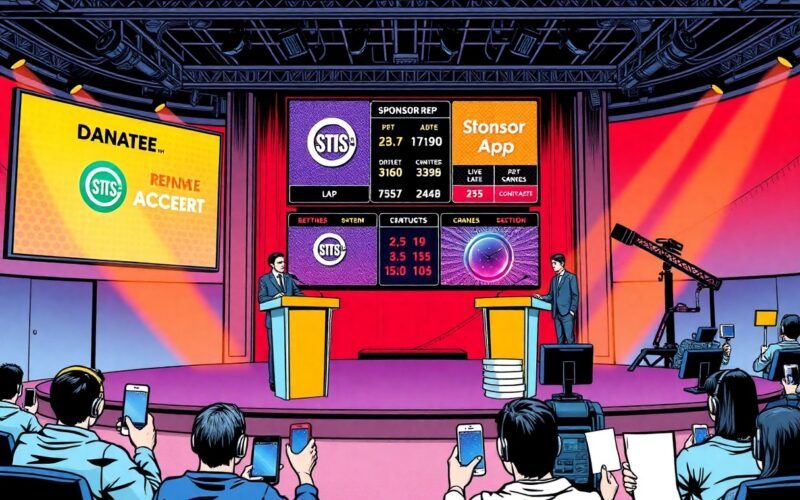







Most esports organizations are adopting AI-assisted pricing tools to optimize revenue and enhance competitiveness. These innovative solutions analyze vast data sets, enabling precise pricing strategies tailored to fluctuating market demands, fan engagement, and tournament performance.
The Evolution of the Esports Economic Landscape
Transition from Grassroots Tournaments to Global Commercialization
Esports began as informal grassroots competitions, where passionate gamers would gather to showcase their skills. Over the years, these events transformed, evolving into structured tournaments backed by major sponsors and global broadcasting networks.
This shift to commercialization has generated significant revenue, drawing the attention of traditional sports franchises and media companies. Consequently, esports now commands a presence in mainstream culture, attracting millions of viewers worldwide.
The Rise of Digital Asset Ownership and Virtual Goods
Ownership models for digital assets have gained traction in esports. Players and fans now invest in items ranging from skins to virtual currencies, creating a thriving marketplace that intertwines gaming with real-world economics.
This phenomenon opens new revenue streams for developers and enhances user engagement, making virtual goods imperative to the player experience in competitive gaming.
Virtual goods not only enhance gameplay but also represent a new class of assets. Gamers frequently trade and sell these items, establishing their own valuation systems, thereby integrating real monetary considerations into the gaming environment.
Identifying Volatility and Liquidity Challenges in Gaming Markets
Volatility in gaming markets can significantly impact pricing strategies. Rapid shifts in player preferences or the popularity of titles introduce unpredictability that affects asset values.
Liquidity remains a challenge as well, with certain virtual assets becoming harder to trade. This instability can deter potential investors and impact long-term growth within esports markets.
Challenges related to volatility and liquidity highlight the need for innovative pricing tools in esports. Market fluctuations necessitate solutions that provide real-time data and analytics to guide decision-making, ensuring that stakeholders can react swiftly to changes in player interest and asset demand.
Fundamentals of AI and Machine Learning in Dynamic Pricing
Supervised Learning for Historical Price Correlation
Supervised learning utilizes historical data to identify pricing patterns. By examining past pricing trends in esports markets, algorithms can predict future price movements based on various influencing factors. This method enables operators to adjust their pricing strategies based on what has worked previously.
Data sets comprising prior sales, player performance, and audience engagement provide a solid foundation for this type of analysis. Models trained with accurate historical data can optimize ticket pricing and merchandise sales, leading to enhanced revenue opportunities.
Reinforcement Learning for Real-Time Market Adaptation
Reinforcement learning focuses on training models through trial-and-error interactions with market environments. In esports, this allows pricing tools to adapt dynamically to fluctuations in demand and competition. As market conditions change, algorithms learn to adjust prices in real-time, ensuring competitiveness and maximizing profits.
This approach mimics strategy games, where the agent learns from various outcomes, optimizing its decisions over time. By continuously refining their actions based on market data and outcomes, the algorithms develop increasingly sophisticated pricing strategies.
In practice, reinforcement learning evaluates multiple scenarios simultaneously, identifying the most profitable pricing strategies without requiring extensive manual adjustments. This self-improving mechanism enhances decision-making speed, allowing businesses to respond promptly to market changes.
Neural Networks in High-Frequency Trading of Digital Assets
Neural networks play a significant role in high-frequency trading within esports markets. These complex models analyze vast amounts of data to identify pricing anomalies and execute trades at lightning speed. Their intricate architecture enables them to process and learn from numerous variables, providing insights that simpler models cannot.
With the ability to recognize patterns in real-time, neural networks help traders capitalize on fleeting opportunities. Their predictive capabilities lead to more informed and responsive pricing, ultimately enhancing market efficiency.
Integration of neural networks into trading strategies allows for sophisticated algorithmic trading that responds instantly to market signals. These networks not only improve predictive accuracy but also adapt to evolving market dynamics, ensuring optimal pricing and trading practices in the fast-paced esports environment.
Data Acquisition and Processing for Esports Intelligence
API Integration with Steam Community Market and Third-Party Exchanges
Integrating APIs with platforms like the Steam Community Market enables real-time access to item price data and transaction trends. This connection helps analysts track pricing fluctuations and market behaviors directly from trusted sources.
Utilizing third-party exchange APIs enhances the breadth of data available for analysis. These platforms often aggregate information from multiple game titles, providing a comprehensive view of the esports market that can inform pricing strategies and predictions.
Scraping Social Media Sentiment and Influencer Impact Data
Social media platforms offer a wealth of sentiment data that can greatly influence esports market trends. Scraping this information allows for the identification of fan reactions and potential market shifts driven by community opinions.
Influencer impact data complements this sentiment analysis by highlighting which figures resonate most with audiences. Understanding these dynamics can guide pricing strategies for game items based on popularity metrics derived from influencers’ reach.
Analyzing social media sentiment requires sophisticated tools to process large volumes of data efficiently. By pinpointing trending topics and measuring audience engagement, businesses can adjust their strategies to align with public perception, ultimately leading to more informed pricing decisions.
Normalizing Cross-Platform Transactional Metadata
Normalization of cross-platform metadata is important for creating a unified view of transaction data across different marketplaces. Various platforms may have differing formats and terminologies, making this step critical for accurate analysis.
Using standardized data protocols allows for the comparison of items across various platforms. This consistency enables better analytical insights, ensuring that pricing tools operate on reliable and comparable data.
Cross-platform normalization streamlines data processing, making it easier to track and analyze trends consistently. By establishing a common framework, businesses can reduce discrepancies caused by varying data formats, enhancing the overall accuracy of market intelligence efforts.
Algorithmic Valuation of In-Game Skins and Collectibles
Quantitative Analysis of Rarity, Wear, and Pattern Indices
Data-driven approaches assess the rarity of in-game skins by analyzing various parameters such as wear, pattern indices, and demand. Specific algorithms measure these factors to derive a quantitative value, enabling players and collectors to make informed decisions.
Analyses utilize metrics that change dynamically based on market trends and player preferences. Such comprehensive evaluation allows the market to adjust values based on real-time data, making transactions more predictable and less speculative.
Predicting Price Spikes Based on Professional Player Usage
Player behavior significantly impacts in-game skin prices. Data analysis reveals patterns in how professional players utilize certain skins, leading to predictable price increases. Tracking this usage allows for timely investment decisions before market shifts occur.
Observations show that skins used by popular players often experience a spike in demand and valuation. AI tools that analyze player statistics can thus help buyers predict these fluctuations and optimize their purchase strategies for maximum profit.
Tracking professional players’ usage data exposes unique opportunities in the esports market. When a favored player adopts or highlights a specific skin, interest surges, prompting potential buyers to capitalize on impending price increases before they occur. Utilizing AI to monitor these trends streamlines the process of buying low and selling high.
Identifying and Mitigating Speculative Bubbles through AI
AI-driven tools help identify speculative bubbles by analyzing historical pricing data and trends. Such insights indicate when the value of skins is artificially inflated, allowing stakeholders to make timely decisions that mitigate potential losses.
Techniques involve monitoring transaction volume and player sentiment, creating a comprehensive view of the market. These systems not only flag suspicious trends but also provide alerts, enabling quick action against over-inflated prices.
Utilizing AI to pinpoint speculative bubbles is crucial for maintaining market stability. By analyzing patterns and identifying anomalies, data-driven strategies assist stakeholders in steering clear of investments that could lead to sharp declines, ensuring a healthier market environment overall.
AI Applications in Tournament Sponsorship and Media Rights
Computer Vision for Quantifying Brand Exposure during Broadcasts
Computer vision technology enables precise measurement of brand visibility during esports broadcasts. It analyzes visual data to determine how often a brand logo appears and in what context, providing sponsors granular insights. Brands can assess their impact on audience engagement, refining their marketing strategies accordingly.
Using real-time image recognition, companies can monitor competitors and adjust placements dynamically. This data helps identify trends in brand exposure, informing decisions on future sponsorships and optimizing ROI from advertising expenditures.
Predictive Modeling for Global Viewership and Reach
Predictive modeling enables stakeholders to estimate audience sizes and geographic distribution for esports tournaments. By analyzing historical data, algorithms forecast viewership trends, allowing brands to target their marketing effectively. Insights from these models drive strategic decisions in sponsorship and advertising placements.
Assessments of player performance, game popularity, and demographic shifts enhance the accuracy of these predictions. This information helps brands align their campaigns with peak viewing times and target the most engaged demographics.
Brands can utilize machine learning techniques to refine their predictive models continuously. As more data becomes available, systems learn from patterns in viewership trends, allowing for increasingly precise forecasts. With these insights, companies can maximize engagement and return on investment in esports initiatives.
Dynamic Rate Cards for Digital Ad Placement and Overlays
Dynamic rate cards allow advertisers to adjust their pricing in real-time based on demand and viewership metrics. By incorporating AI-driven analytics, these rate cards reflect fluctuations in audience engagement instantly. This responsiveness optimizes revenue for tournament organizers and offers sponsors flexible pricing options.
Adjustments to ad placements can be made during live events, ensuring that the most valuable inventory is sold at peak prices. Advertisers benefit from increased exposure when audiences are most engaged, making their campaigns more effective.
Advanced algorithms analyze viewership data to create these dynamic rate cards, streamlining the process of ad placement. As a result, brands can maximize their advertising impact while organizers boost their profitability, creating a win-win in the competitive esports market.
Ticket Pricing and Live Event Revenue Optimization
Demand-Based Tiering for Major Championships and Invitationals
Event organizers can implement demand-based tiering to optimize ticket pricing for major championships and invitationals. This strategy aligns ticket prices with audience demand, allowing for dynamic adjustments that reflect real-time market trends.
Utilizing data analytics, pricing tiers can be established based on factors like team performance, player popularity, and viewer interest. Consequently, this maximizes revenue while enhancing the spectator experience by ensuring tickets are accessible across different price points.
Secondary Market Monitoring and Anti-Scalping Algorithms
Monitoring the secondary market is important to combat ticket scalping, ensuring fair access to fans. Advanced algorithms can track resale prices and flag suspicious activities, preserving ticket integrity.
When implemented effectively, these tools can dynamically adjust initial ticket prices and restrict resale transactions. This approach not only protects consumers but also safeguards revenue streams for event organizers.
Integrating anti-scalping algorithms allows organizations to analyze real-time pricing trends in the secondary market. By identifying irregularities, these systems can trigger alerts, enabling swift intervention to maintain fair market practices.
Predictive Analytics for On-Site Merchandising and Concessions
Utilization of predictive analytics can enhance on-site merchandising and concessions at esports events. Forecasting audience preferences helps vendors stock popular items and optimize pricing strategies based on expected demand.
Through analyzing historical data, organizers can identify peak sales times and trends, allowing for more effective inventory management. Consequently, this ensures that fans have access to their favorite merchandise while maximizing revenue opportunities.
Implementing predictive analytics provides actionable insights into consumer behavior at live events. By understanding purchasing patterns, organizers can adapt their offerings, improving the overall fan experience while optimizing sales performance.
Player Transfer Markets and Performance-Based Valuation
Algorithmic Assessment of In-Game Statistics and Win-Rate Contributions
Advanced algorithms can analyze in-game statistics to provide accurate player evaluations. These assessments consider key performance indicators, such as kill/death ratios and objective control, reflecting each player’s contributions to their team’s success.
Utilizing machine learning, these tools can predict future performance based on historical data, allowing teams to make informed decisions during player transfers. Such predictive analytics not only streamline the valuation process but also help identify undervalued players who could significantly impact a team’s promise.
Modeling Marketability and Fanbase Conversion Metrics
Marketability metrics hinge on a player’s social media engagement and public persona, which directly correlate to their potential revenue generation. These metrics evaluate how well players attract and engage fans, influencing their overall market value.
By mapping fanbase conversion rates, teams can juxtapose a player’s performance with their ability to draw in new audiences. This insight empowers organizations to make strategic decisions on investing in player contracts for higher fan engagement.
Modeling these metrics provides a comprehensive view of player value beyond performance. It allows organizations to measure both current and potential market impact, facilitating a more nuanced approach to player acquisitions. Teams can prioritize players who not only enhance gameplay but also resonate with fanbases, driving revenue streams via merchandise and sponsorships.
Risk Mitigation in Multi-Year Contract and Buyout Negotiations
Predictive models assist in evaluating the inherent risks associated with long-term player contracts. By analyzing various performance factors and trends, teams can identify which players are more likely to stay healthy and perform consistently, thus mitigating potential financial losses.
Contract negotiations benefit from risk assessment tools that simulate player trajectories over their contract periods. This analysis helps teams avoid costly buyouts linked to underperforming players, ensuring better financial stability.
Risk mitigation through analytics allows organizations to safeguard investments in player contracts. By accurately forecasting potential declines in performance, teams can negotiate terms that reflect the risk profile of each player, ultimately leading to more financially sound management of their rosters.
Betting Ecosystems and Real-Time Odds Calibration
Deep Learning for Live Match Probability Adjustments
Deep learning models analyze vast amounts of real-time data during live esports matches. By considering player performance metrics, historical statistics, and in-game events, these tools can dynamically adjust odds to reflect the current state of play. More accurate probability estimates lead to fairer betting options and increased player confidence.
Utilizing advanced algorithms, these systems refine predictions as matches progress. Real-time adjustments enhance the betting experience by ensuring odds stay competitive, ultimately driving engagement and revenue for operators.
Detecting Fraudulent Activity and Anomalous Betting Patterns
Machine learning algorithms continuously scan betting transactions for patterns indicative of fraud. Unusual betting spikes, correlated patterns, or sudden changes in player behavior can trigger alerts for operators. Early detection allows for immediate investigation and action, protecting the integrity of the betting ecosystem.
Data-driven strategies analyze historical bets and player behavior to identify discrepancies. This proactive approach minimizes risk and maintains trust among bettors, safeguarding the esports betting market.
Optimizing House Margins through Predictive Player Behavior
Predictive analytics focus on understanding player preferences and betting tendencies. Identifying behavioral trends helps operators set odds that maximize profitability while keeping bets appealing. Operators gain insights into when to adjust lines to maintain competitive edges without sacrificing margins.
By studying player interactions across platforms, sportsbooks can tailor offerings to match audience interest. Enhanced user engagement translates to higher turnover and improved financial performance for betting operators.
The Impact of Game Balance and Meta Shifts on Market Value
Game balance and evolving metas profoundly affect player engagement and, consequently, market value. Fluctuations in character strengths or weaknesses can shift player preferences, leading to varying demand for in-game assets. AI pricing tools must account for these factors to provide accurate valuations in real time.
Natural Language Processing of Developer Patch Notes
Developer patch notes often detail changes that directly influence game balance. Analyzing these notes through natural language processing allows AI tools to extract key information quickly. This capability enables the pricing tools to adjust asset values based on anticipated shifts in gameplay dynamics.
Insights derived from patch notes also enhance predictive modeling. Understanding the implications of a balance change can indicate which characters or strategies may gain or lose popularity, guiding the pricing adjustments for in-game items.
Simulating Economic Shifts Following Gameplay Mechanic Changes
Changes in gameplay mechanics can drastically reshape the competitive environment. AI models can simulate potential economic impacts by modeling player behavior in response to these alterations. This analysis provides a clearer picture of emerging trends, helping investors adjust their strategies effectively.
Simulations rely on historical data to forecast changes in asset collections. Such predictive analytics can be invaluable for stakeholders looking to maximize their returns during transitions in gameplay mechanics.
For example, when a new character or gameplay feature is introduced, behavioral simulations can reveal projected shifts in asset value. This forecasting helps stakeholders make informed decisions, ensuring investments align with market expectations.
Forecasting Asset Depreciation in Obsolete Gameplay Metas
Obsolete metas can result in significant devaluation of in-game assets. AI tools can analyze historical data to predict the rate of depreciation following such shifts. This predictive modeling assists players and investors in determining when to divest from outdated assets to minimize losses.
Understanding asset depreciation trends also allows for better long-term planning. Players can make informed decisions about which items to hold or sell in anticipation of shifts, thereby maximizing their overall market strategies.
Forecasting methodologies incorporate various factors, including player usage statistics and market trends, providing stakeholders with actionable insights. By anticipating declines in value, asset management becomes more strategic, allowing for timely decisions that can mitigate financial impact.
Technological Infrastructure for AI Pricing Tools
Cloud Computing Requirements for Low-Latency Execution
Cloud computing offers important scalability for AI pricing tools, enabling low-latency data processing in dynamic esports markets. Enhanced connectivity ensures quick retrieval and analysis of real-time performance data, leading to timely price adjustments.
Infrastructure must include advanced data centers, strategically located to minimize latency. Employing edge computing can further facilitate the rapid execution necessary for optimizing pricing strategies in competitive environments.
Blockchain Integration for Immutable Transaction Tracking
Blockchain technology allows for secure, transparent tracking of all pricing transactions. Immutable records enhance accountability, ensuring that all changes are timestamped and verifiable, which is crucial in the fast-paced esports market.
Integrating blockchain protects against data tampering, fostering trust among stakeholders. This reliable system prevents disputes over pricing discrepancies, creating a solid foundation for fair competition.
Tracking transactions on a blockchain ensures that all actions are transparent and traceable, reinforcing trust in pricing mechanisms among participants. This parallel increases market efficiency, as all stakeholders can verify transactions and their historical data without potential misrepresentation.
Security Protocols for Protecting Proprietary Pricing Algorithms
Security protocols must be designed to safeguard proprietary pricing algorithms from unauthorized access and potential breaches. Encrypting sensitive data during transmission adds an additional layer of protection, ensuring that algorithms remain confidential.
Regular security audits are important, identifying vulnerabilities and ensuring that regulatory compliance is maintained. By implementing multifactor authentication and intrusion detection systems, developers can enhance the overall security framework surrounding these tools.
Protecting proprietary pricing algorithms extends beyond basic encryption; it involves comprehensive security strategies addressing potential threats. Continuous monitoring and threat assessment help maintain an adaptive security posture, ensuring that algorithms remain secure against evolving cyber threats.
Regulatory Frameworks and Ethical Considerations
Addressing Algorithmic Bias in Consumer Pricing
Algorithmic bias in consumer pricing can create disparities that harm the very audience esports aims to serve. Identifying and mitigating these biases is imperative to ensure fair access and pricing for diverse players and consumers alike.
Transparency in how algorithms set prices is necessary to build trust within the esports community. By regularly auditing and updating algorithms, companies can counteract biases and promote equitable service across different demographics.
Compliance with Global Digital Commerce and Gambling Laws
Ensuring compliance with global digital commerce and gambling laws is mandatory for AI-assisted pricing tools in esports. Various jurisdictions impose different regulations, requiring constant monitoring and adaptation by service providers.
Failure to adhere to these laws can lead to severe penalties, including fines and reputational damage. Staying informed about evolving legislation is key to maintaining legitimacy and competitiveness in the market.
Transparency Standards for Automated Market Makers
Transparency standards are critical for automated market makers in esports, affecting consumer trust and engagement. Clear disclosure of how pricing algorithms function can demystify the pricing process and improve player relationships.
Service providers must implement regular reporting and documentation to adhere to these standards. By making algorithmic processes accessible, companies can ensure their practices align with ethical guidelines and enhance user confidence.
Case Studies: AI Integration in Leading Esports Titles
- Counter-Strike: Global Offensive – Analysis of in-game skin market shows a 23% increase in valuation since AI pricing tools were implemented, optimizing demand forecasting.
- League of Legends – Regional data analysis resulted in a 15% improvement in micro-transaction sales, allowing tailored pricing strategies based on player behavior.
- Dota 2 – Use of AI in pricing the International Compendium led to a 40% rise in overall crowdfunding for prize pools in 2021, enhancing community engagement.
Counter-Strike: Global Offensive and the External Skin Economy
Counter-Strike: Global Offensive has witnessed a thriving external skin economy, where virtual items can sell for thousands of dollars. AI-assisted pricing tools allow for precise valuation, resulting in increased trade activity and overall market liquidity.
Data indicates that the introduction of these tools has led to a 23% increase in the average price of popular skins, enhancing player investment and interest in the economy.
League of Legends: Regional Pricing and Micro-transaction Stability
League of Legends employs AI to analyze player behavior for regional pricing. The tailored strategies have shown a significant 15% increase in micro-transaction sales across various regions.
Utilizing machine learning algorithms, Riot Games adapts pricing models based on real-time player data, ensuring sustained revenue growth while enhancing user experience.
Riot’s implementation of AI allows for dynamic pricing adjustments, encouraging players to make purchases at optimized rates based on localized economic factors. This approach ensures that pricing aligns with the purchasing power of diverse player demographics.
Dota 2: The International Compendium and Crowdfunded Prize Pools
Dota 2’s International Compendium has transformed the crowdfunding model for tournaments. AI-driven analytics identifying player engagement trends have increased funding by 40% in recent years.
Utilizing real-time data, Valve can adjust reward tiers and pricing strategies, leading to enhanced community participation and investment in the prize pool.
The integration of AI in Dota 2’s pricing strategy has allowed for dynamic adjustments based on player feedback and market behavior. As a result, the International tournament not only boasts larger prize pools but also engages the community more effectively, fostering a sense of investment among players and viewers alike.
Future Trends in AI-Driven Esports Commerce
Hyper-Personalized Pricing Models for Individual Users
Emerging technologies enable the development of hyper-personalized pricing models tailored to individual users in esports. These models analyze player preferences, behaviors, and engagement patterns to offer customized pricing strategies that maximize revenue while enhancing user satisfaction.
Innovative algorithms track real-time data, allowing organizations to adjust pricing dynamically. Such responsiveness not only ensures competitiveness but also creates unique pricing experiences that resonate with each player, setting a new standard in esports commerce.
The Role of Generative AI in Designing Market-Ready Assets
Generative AI is revolutionizing the creation of market-ready assets in esports. Designers can utilize AI-generated graphics, animations, and in-game items, streamlining production processes while maintaining high-quality standards.
This technology auto-generates variations based on user feedback and market trends, expediting asset development. The ability to instantly create custom content facilitates quicker adaptations to shifting consumer demands, enhancing engagement and increasing revenue opportunities.
Utilizing generative AI also allows teams to experiment with diverse designs and concepts without incurring significant costs. Rapid prototyping aids in aligning assets more closely with audience tastes, driving higher engagement rates in esports initiatives.
Autonomous Economic Agents in Decentralized Gaming Metaverses
The advent of autonomous economic agents in decentralized gaming metaverses is transforming how transactions are conducted. These agents facilitate automated trading and pricing negotiations, optimizing the player experience while reducing friction in economic interactions.
Smart contracts and blockchain technology enable these agents to perform transactions transparently, ensuring safety and efficiency. As players interact within these ecosystems, the agents adapt to market conditions, delivering personalized experiences while reinforcing trust among participants.
Autonomous economic agents operate with minimal human intervention, allowing for efficient resource distribution and enhanced scalability. Their presence can lead to innovative economic strategies that evolve naturally within decentralized environments, making them integral to future esports commerce frameworks.
Final Words
Drawing together insights from recent developments, AI-assisted pricing tools in esports markets offer unique efficiencies. These technologies harness data analytics to dynamically adjust pricing strategies, enhancing competitive positioning and maximizing revenue streams.
The integration of AI not only streamlines pricing processes but also enables market participants to respond swiftly to changes in consumer behavior and competitor actions. As the esports sector continues to expand, adopting these advanced pricing mechanisms becomes increasingly crucial for maintaining profitability and market relevance.
FAQ
Q: What are AI assisted pricing tools in esports markets?
A: AI assisted pricing tools use machine learning algorithms and data analytics to determine optimal pricing strategies for esports-related products and services. They analyze historical data, player behavior, and market trends to suggest competitive prices that maximize revenue and enhance sales.
Q: How do these tools impact revenue generation in esports?
A: These tools can significantly improve revenue by providing insights that help organizations set prices based on real-time data. Accurate pricing strategies prevent underpricing, which can lead to lost revenue, and overpricing, which can drive customers away. By continuously learning from sales data, these tools adjust prices dynamically, aligning with market demands.
Q: Are there any limitations to using AI assisted pricing tools in esports?
A: Limitations include reliance on data quality and availability. Poor data can lead to ineffective pricing strategies. Integration challenges with existing systems may also occur. Lastly, reliance on AI without human oversight can result in mistakes if contextual factors are overlooked, such as sudden changes in player popularity or market shifts.