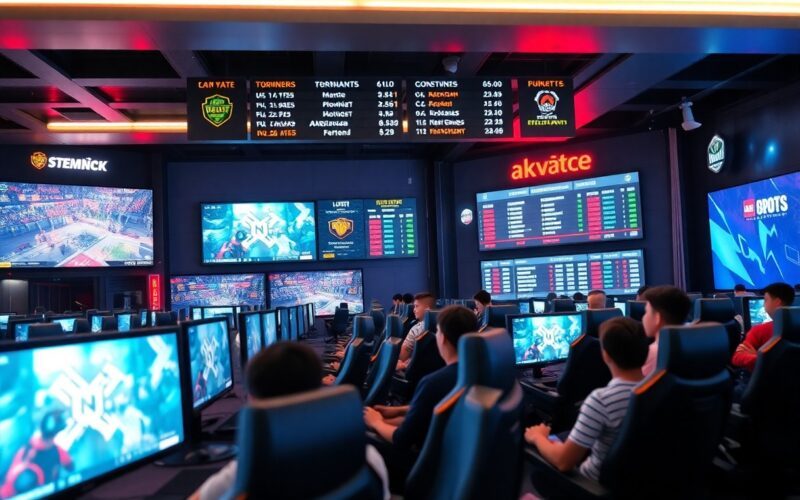
Just as live sports coverage enhances viewer engagement, streaming platforms are reshaping how real-time odds are presented. Their integration of technology and interactive features provides bettors with immediate data, transforming traditional betting practices and influencing decisions during events.
The Convergence of Media and Betting Ecosystems
The Evolution from Passive Broadcasting to Interactive Streaming
Traditionally, sports broadcasting relied on a one-way communication model, where viewers consumed content without interaction. Shifts in technology have paved the way for interactive streaming experiences, allowing viewers to engage with content more actively. For instance, live chats and social media integration now complement broadcasts, transforming spectators into participants.
Innovations in streaming technology now facilitate real-time interactions such as polling and betting overlays during live games. This blend of viewing experiences creates a dynamic environment where the audience is continually engaged with both the events and the associated betting opportunities.
Synergies Between Sports Entertainment and Real-Time Wagering
Cross-promotion between sports platforms and betting operators enhances viewer engagement and monetization strategies. Real-time odds and betting options directly integrated into live broadcasts capture the interests of audiences eager for action. This convergence not only enriches the viewing experience but also drives revenue for both industries.
Collaboration between sports leagues and betting companies amplifies fan interaction and loyalty. Engaging features, such as prop bets tied to player performances during games, offer fans an immersive experience while enabling operators to deliver personalized promotions and real-time statistics.
Economic Drivers Behind Platform-Integrated Betting Solutions
Digital advertising revenue plays a significant role in the financial viability of integrated betting platforms. Underpinning these solutions is the potential for increased engagement metrics, which attract advertisers eager to connect with sports fans. Decentralization in content delivery also allows platforms to reach broader audiences, enhancing their market potential.
Platforms can reduce costs associated with customer acquisition by bundling entertainment and betting offers. These strategies not only create a more appealing user experience but also maximize profitability through increased wagering activity linked to consumption of live content.
Technological Infrastructure of Low-Latency Streaming
The Role of WebRTC and High-Speed Data Transmission Protocols
WebRTC enables peer-to-peer communication with minimal latency, important for live odds synchronization in streaming. Utilizing this technology allows bookmakers and streaming services to deliver real-time updates directly to users, enhancing the betting experience.
High-speed data transmission protocols further optimize performance, ensuring that video feeds and odds updates reach viewers without delay. This combination minimizes the time window for arbitrage opportunities, aligning bettors’ actions with the rapidly changing dynamics of live events.
Edge Computing and Its Impact on Reducing Information Asymmetry
Edge computing reduces latency by processing data closer to the source instead of relying solely on centralized servers. This geographical advantage ensures timely updates for streaming and betting, addressing discrepancies between video feeds and live odds.
By distributing computing processes, edge computing mitigates information asymmetry among bettors. This technology enables real-time analytics, benefiting both operators and users through accelerated data access, ultimately leveling the playing field in live betting scenarios.
Implementing edge computing also enhances the integrity of the betting environment. Reduced latency ensures that all users receive information at similar speeds, diminishing the advantages previously held by those with faster connections or privileged data access. Consequently, the competitive edge shifts toward skill and strategy rather than mere technological advantage.
Infrastructure Requirements for Synchronizing Video and Odds Feeds
Synchronizing video with odds feeds demands a sophisticated technological framework. High-bandwidth connections and low-latency servers are important to streamline the flow of information in live environments, ensuring bettors make decisions based on updated data.
Data centers equipped with advanced networking capabilities facilitate this synchronization, allowing for real-time adjustments in odds that are reflected almost instantaneously in the video stream. Without these infrastructure components, discrepancies could lead to unfair betting practices and a degraded user experience.
Proper infrastructure not only supports immediate updates in video and odds feeds but also mitigates risks associated with lag and synchronization issues. Establishing a strong backbone with optimized connectivity ensures consistent and reliable performance that bettors can trust during live events.
Data Integration and Real-Time API Feeds
The Function of Official Data Providers in Odds Compilation
Official data providers are crucial in the creation of real-time odds. Leveraging agreements with sports leagues and teams, they ensure that the information is accurate and timely. These providers aggregate various statistics and events, offering a reliable foundation for bookmakers to formulate betting lines.
Timeliness is key, as discrepancies in data can lead to significant financial implications for operators. Consequently, integration of these data feeds into betting platforms allows for dynamically updated odds that reflect the most current sporting events.
Managing High-Frequency Updates via WebSocket Architectures
High-frequency updates are crucial for capturing rapid changes in sporting events. WebSocket architectures facilitate persistent connections, allowing for real-time data transmission between servers and clients. This structure supports the immediacy required for live betting, where conditions can change within seconds.
Incorporating WebSocket technology ensures that users receive the latest updates without delay, enhancing their overall betting experience. By eliminating latency, platforms can better serve bettors’ needs during live events.
WebSocket connections enable a constant stream of data, allowing platforms to push updates directly to users. This efficiency reduces the need for repeated requests, optimizing performance during peak betting times. High-frequency data handling is critical in maintaining competitive odds in a fast-paced betting environment.
Proprietary Algorithms for Automated Line Adjustments During Play
Proprietary algorithms play a significant role in adjusting betting lines in real-time. These algorithms analyze incoming data instantly, enabling platforms to modify odds based on live performance metrics. Such automated systems allow bookmakers to stay ahead of market movements and respond swiftly to shifts in the game.
Speed and accuracy in these adjustments are crucial for maintaining fairness and competitiveness. As stakes rise during live events, the reliance on these algorithms becomes even more critical for operators wishing to attract savvy bettors.
Automated line adjustments are driven by complex algorithms that factor in real-time statistics as well as historical data. This allows operators to dynamically adjust odds based on various parameters, including player performance and team strategies. The effectiveness of these algorithms can significantly influence the betting landscape, giving operators the agility needed to optimize their offerings.
The Rise of Micro-Betting and In-Play Markets
Defining Micro-Markets: From Next Pitch to Next Possession
Micro-markets allow bettors to engage with specific moments within a game, such as predicting the next pitch in baseball or the next possession in basketball. This granularity enhances the viewer’s experience, making each play a potential betting opportunity.
Players increasingly seek out these action-based bets, reflecting an appetite for immediacy and dynamism. With each moment unfolding in real-time, bettors feel more connected to the action, which fuels excitement and participation.
How Visual Cues in Streams Dictate Short-Term Market Volatility
Visual cues from live streams can influence rapid fluctuations in betting markets. For example, a last-minute injury or a sudden momentum shift can prompt immediate changes in odds, as bettors react to what they see.
Analysis shows that these visual elements often trigger a rapid response from bettors, leading to erratic market movements. The interplay between observation and decision-making underscores the volatility within the betting landscape.
Visual cues from streams can create sharp swings in the betting market as bettors respond to immediate, observable changes. A critical moment, like a team scoring unexpectedly or a player getting injured, can lead to a flurry of betting activity. Often, the swift reactions from bettors magnify the volatility, as they attempt to capitalize on perceived advantages. This dynamic serves to reinforce the connection between what is seen and the decisions made in real-time.
Quantifying the Correlation Between Stream Quality and Betting Volume
Stream quality significantly affects betting volume as viewers are more likely to engage when visuals are clear and reliable. High-definition streams not only improve user experience but also increase the likelihood of active betting during events.
Research indicates a direct relationship between stream performance and the amount wagered, with better quality leading to higher engagement levels. The clearer the action, the more confident bettors feel in their assessments and subsequent wagers.
Stream quality plays an integral role in shaping betting behavior. When streams are smooth and high in clarity, viewers are more inclined to place bets, reflecting a strong link between visual experience and user engagement. As streaming technology advances, its capacity to attract bettors is likely to expand, further solidifying the importance of quality streaming in the betting industry.
User Experience (UX) and Interactive Overlays
Enhanced user experience (UX) through interactive overlays keeps viewers engaged while providing real-time betting information. This immediate access to odds and stats transforms traditional viewing into an immersive experience, enabling fans to make informed decisions at any moment. Clarity and simplicity in design are vital for maintaining user interest without overwhelming them.
Design Principles for Embedded Betting Interfaces and Clickable Odds
Effective betting interfaces require intuitive layouts that prioritize user interaction. Readability and accessibility should guide design choices, ensuring that odds are easily understandable at a glance. Interactive elements like buttons must be strategically placed to enhance usability without cluttering the interface.
Personalization Engines and Targeted Wagering Suggestions for Viewers
Advanced personalization engines can analyze viewer behavior to craft tailored betting suggestions. By understanding preferences and betting history, these systems present odds that cater specifically to individual users, increasing engagement and potential betting activity. This personalized touch enhances the overall viewing experience.
By leveraging historical data and real-time analytics, platforms can predict user interests, creating a customized betting journey. These targeted suggestions not only facilitate better decision-making but also encourage viewers to engage with content more frequently, resulting in a more dynamic interaction with the streaming platform.
Balancing On-Screen Information Density with Viewer Engagement
Striking a balance between information density and viewer engagement is important. High volumes of data can overwhelm users, leading to disengagement. Streamlined visuals should prioritize important information and minimize distractions, allowing viewers to focus on both the game and betting opportunities.
Effective information presentation involves using hierarchies that guide the viewer’s eye and reduce confusion. By strategically positioning odds next to relevant game highlights, platforms can maintain engagement while ensuring that users are informed without sensory overload.
Psychological Triggers in Real-Time Streaming Environments
The Impact of Immediate Visual Feedback on Decision-Making Speed
Immediate visual feedback in streaming environments affects how quickly viewers make decisions. Rapidly changing odds captured through live visuals push users to react faster, often leading to impulsive choices that can result in greater risk-taking.
Continuous updates and visuals create a sense of urgency, making decisions feel more immediate. This heightened pace influences cognitive processes, leading to quicker but potentially less informed choices.
Gamification Elements: Leaderboards, Social Proof, and Community Interaction
Leaderboards serve as a motivator, encouraging engagement through friendly competition. Users are drawn to rankings, which offer tangible evidence of success, driving them to place more bets to climb higher.
Community interaction enhances the experience, as social proof influences individual behavior. When users observe peers making successful bets, they feel validated in their decision-making processes, increasing overall participation.
Incorporating gamification elements reshapes the betting experience by blending entertainment with competition. Badges, rewards, and community support instill a sense of belonging, motivating users to remain active as they seek recognition and validation among peers.
Managing the “Fear of Missing Out” (FOMO) in High-Velocity Markets
FOMO represents a significant psychological factor in high-stakes environments. Users fear losing out on potential wins, prompting them to act quickly, often without thorough consideration of odds and risks.
This anxiety can result in hasty decisions driven by the desire to seize fleeting opportunities, complicating rational judgment during crucial moments. Recognizing FOMO’s influence is crucial for understanding user behavior in real-time contexts.
Managing FOMO involves strategies that encourage users to take a breath and evaluate decisions with clarity. Offering timely insights or reminders can help counterbalance impulsivity, promoting informed actions amid the rapid flow of information.
Strategic Partnerships Between Broadcasters and Sportsbooks
Analysis of Major Media Rights Deals and Betting Integration
Broadcasters have begun to secure media rights deals that inherently include betting integration strategies. Notable agreements, such as those between major networks and sportsbooks, offer real-time odds displays during live events, enhancing viewer engagement and increasing the potential for in-game betting. These tailored broadcasts present a significant shift in how sports content is consumed, allowing sportsbooks to tap directly into viewer interests.
High-profile media rights negotiations usher in opportunities for broadcasting companies to diversify revenue streams. By collaborating with sportsbooks, networks can enrich viewer experiences while building a formidable business model centered around sports betting. These integrations not only cater to passionate fans but also attract new audiences interested in real-time betting data.
The Development of Betting-Focused Alternative Broadcasts (BetCasts)
BetCasts have emerged as innovative alternatives to traditional sports broadcasts, catering specifically to bettors. These alternative shows offer specialized commentary and instant odds updates, providing insights tailored for wagering. Networks such as ESPN have launched BetCasts during major events, encouraging audience interaction and enhancing the viewing experience for those invested in outcomes.
Creating BetCasts allows broadcasters to capitalize on the growing popularity of sports betting, appealing to audiences who seek more than just standard game commentary. Engaging betting experts and analysts on these platforms provides viewers with valuable information and strategies, ensuring they stay informed while enjoying the action.
Revenue Sharing Models and the Economics of Affiliate Integration
Revenue sharing models between broadcasters and sportsbooks outline the financial incentives driving partnerships. Often, these agreements stipulate that sportsbooks pay a portion of their earnings from referred customers back to the media partners, creating a mutually beneficial setup. As sports betting legalization expands, these models are likely to evolve, accommodating different states’ regulations and market dynamics.
Analyzing revenue-sharing agreements highlights how broadcasters can monetize their audience’s interest in sports betting effectively. By aligning their content strategies with affiliated sportsbooks, media companies can capitalize on the surge in betting interest, ensuring all parties involved benefit financially through shared customer engagement and loyalty.
Market Integrity and the Latency Gap
The Challenges of “Courtsiding” and Information Exploitation
Courtsiding presents significant challenges to market integrity. Instantaneous information from live events allows individuals to exploit real-time betting odds, undermining fairness. This practice can distort betting markets and create unbalanced conditions for legitimate bettors.
Additionally, courtsiders often have access to faster feeds than traditional sportsbooks, further disadvantaging bettors who rely on standard broadcast delays. This exploitation can lead to skepticism about the reliability of betting systems and the integrity of outcomes.
Technical Solutions for Standardizing Broadcast Delays Across Devices
Standardizing broadcast delays across devices is critical to maintaining fair betting practices. Synchronizing feeds can help ensure that all bettors and sportsbooks are operating on equal footing. Implementing uniform standards would mitigate the latency issue that undermines trust in the betting market.
Advanced technologies, such as time-stamping and synchronized delivery methods, are being considered to achieve these standards. These innovations aim to align broadcast times across various platforms, reducing opportunities for exploitation.
Regulatory Oversight of Data Latency and Fair Access to Markets
Regulatory oversight is important for addressing data latency in betting markets. Ensuring fair access to information helps maintain a level playing field for all participants. Regulators must implement standards that monitor and verify broadcast delays, fostering a more equitable environment.
Increased regulatory scrutiny will not only safeguard market integrity but also build public confidence in betting systems. Transparency in data delivery processes is paramount to creating a trustworthy atmosphere for both bettors and sportsbooks.
Regional Regulatory Landscapes and Compliance
Navigating Fragmented Legal Frameworks for Integrated Media
Compliance with legal frameworks has become increasingly complex as streaming platforms expand. Countries possess varying regulations concerning betting and media, creating a fragmented environment that operators must confront. Understanding these regional differences is imperative for successful integration of real-time odds through media.
Efforts to harmonize regulations across borders remain ongoing, but disparities persist. Platforms must adapt their offerings based on local laws, which can complicate content delivery. Effective strategies prioritize legal compatibility while maintaining user engagement.
Advertising Standards and Mandatory Responsible Gambling Disclosures
Advertising in the streaming landscape must adhere to strict standards, particularly regarding responsible gambling. Regulatory bodies require clear disclosures to ensure viewers are informed about potential risks linked to betting. Failure to comply can result in severe penalties for platforms.
Transparency about gambling interactions enhances user trust. Mandated disclosures must be integrated into advertisements, highlighting responsible gaming initiatives while not undermining the content’s entertainment value.
Adhering to these standards not only fulfills legal obligations but also promotes a culture of responsible gaming. By displaying clear messages, platforms ensure that users understand the importance of gambling responsibly, thereby strengthening their corporate responsibility commitments.
Jurisdictional Challenges in Globalized Streaming Environments
Jurisdictional hurdles arise as content crosses borders in the streaming market. Different countries enforce diverse regulations that can hinder compatibility between services and betting platforms. Operators must balance compliance with local laws while providing a cohesive user experience.
Challenges include varying age restrictions, licensing requirements, and enforcement actions. As jurisdictions continue to evolve, remaining informed about changes is paramount for businesses operating internationally.
Jurisdictional challenges complicate the emergence of unified practices in global streaming environments. The growing complexity of cross-border regulations requires operators to be vigilant in monitoring changes, ensuring they align with varying legal standards in different regions.
Artificial Intelligence and Machine Learning in Odds Calculation
Computer Vision and Real-Time Event Recognition for Line Setting
Computer vision algorithms analyze live video streams to detect key events during a game, providing instant data for odds calculation. This technology enables sportsbooks to adjust lines dynamically, reflecting real-time developments such as injuries or unexpected plays.
Using pattern recognition, AI can identify trends across various sports, enhancing the accuracy of predictions. As a result, bettors receive updated odds that more accurately reflect current game conditions, increasing engagement and betting volume.
Predictive Analytics for Estimating Viewer Sentiment and Market Movement
Predictive analytics utilizes data from social media and streaming platforms to gauge viewer sentiment around sporting events. By analyzing fan reactions, sportsbooks can adjust odds in response to public opinion and potential market movements.
Insights drawn from user interactions help create a more responsive betting environment. This direct connection between viewer sentiment and odds calculation offers a competitive advantage, allowing operators to act swiftly to capitalize on emerging trends.
By continuously monitoring viewer sentiment, sportsbooks can better align their offerings with market demands. This adaptability helps minimize risk and enhances user experience, making pulse-based adjustments increasingly vital in a fast-paced betting environment.
Automated Risk Management Systems for High-Frequency Streaming Platforms
Automated risk management systems analyze betting patterns in real-time to control exposure and mitigate financial risks. By employing machine learning models, these systems can quickly identify anomalies and alert operators to changing market dynamics.
Such systems ensure that sportsbooks maintain profitability by adjusting lines or limiting bets based on the level of risk detected. This proactive approach enhances stability, particularly on high-frequency streaming platforms where volatility is greater.
Automation in risk management not only streamlines operations but also allows for more informed decision-making. By integrating real-time data and predictive modeling, sportsbooks can more effectively manage their liabilities while improving the overall betting experience for users.
Influencer Streaming and the Social Betting Revolution
The Role of Twitch and Kick in Shaping Peer-to-Peer Betting Trends
Twitch and Kick have evolved into platforms where betting discussions thrive. By integrating real-time odds into their streaming experience, these platforms create a dynamic environment for viewers to engage directly with betting content. Streamers often showcase their betting strategies live, influencing their audience’s perceptions and encouraging peer-to-peer interactions around bets.
Trust and Authority: How Streamer Commentary Influences Viewer Odds Perception
Streamer commentary shapes the way viewers perceive odds and betting opportunities. Trust becomes a key factor, as followers often rely on their streamer’s knowledge and expertise. The authority that these influencers hold can shift opinions about specific betting markets and strategies, thereby impacting decisions made by their audience.
Experiences shared by streamers during live betting events enhance the trust factor. Viewers who witness successful bets or insightful analysis are more likely to align their betting choices with the streamer’s suggestions, reinforcing a cycle of trust and reliance on influencer judgment.
The Ethical Implications of Influencer-Led Gambling Promotion
With the rise of influencer-led gambling, ethical concerns emerge regarding responsibility and transparency. Streamers may unintentionally encourage reckless betting behavior among their audience, particularly younger viewers. The blend of entertainment and gambling raises questions about exploitation and informed decision-making in these digital spaces.
Influencers often promote betting platforms without fully disclosing potential risks. This lack of transparency fosters an environment where viewers might overlook critical information necessary for responsible gambling. Addressing these ethical dilemmas is important for the future of influencer-led betting content.
Ethical Considerations and Consumer Protection
Implementing Real-Time Intervention Tools for High-Risk Behavior
Monitoring usage patterns on streaming platforms can help identify signs of problematic behavior. Implementing intervention tools allows for timely alerts and support for users exhibiting high-risk gambling behaviors. These proactive measures can foster a safer environment for consumers engaged in betting activities.
Establishing partnerships with mental health organizations is vital to effectively address at-risk individuals. Offering resources and professional support can guide users toward healthier gambling habits while reinforcing responsible behavior.
The Impact of Constant Exposure to Odds on Vulnerable Populations
Constant exposure to shifting odds can lead to heightened compulsive behaviors, particularly among vulnerable populations such as young adults and those with pre-existing conditions. The omnipresence of odds can normalize risky behaviors, trapping individuals in a cycle of gambling.
With the increasing availability of real-time data, individuals may struggle to disconnect from the gambling environment. This incessant presence negatively impacts mental health, escalating feelings of anxiety and depression related to gambling losses.
Transparency Requirements for Algorithm-Driven Odds Shifting
Establishing clear transparency standards is vital for algorithm-driven odds adjustments. Users must understand how odds are calculated and what factors influence shifts to make informed decisions. Regulatory frameworks can enhance consumer trust and accountability among platforms.
Ensuring routine audits of algorithms safeguards against potential biases and manipulative practices. Transparency initiatives benefit both consumers and companies, promoting responsible gaming while protecting vulnerable populations from predatory behaviors.
Future Trends and Emerging Technologies
The Integration of Augmented Reality (AR) in Live Sports Wagering
Augmented Reality (AR) is poised to transform live sports wagering by providing immersive experiences. Users may visualize real-time statistics and odds overlays, enhancing decision-making during events.
Incorporating AR can create interactive environments where bettors engage with digital elements overlaid on live broadcasts. This innovation not only captivates audiences but also encourages more informed betting practices, ultimately leading to an enriched viewing experience.
5G Connectivity and the Ubiquity of Mobile-First In-Play Platforms
5G connectivity enables instantaneous data transfer, significantly benefiting in-play betting. Bettors gain the advantage of accessing real-time odds and stats without delays, enhancing their overall experience.
Mobile-first platforms harness this speed to offer dynamic betting options, attracting users who prefer betting on the go. The seamless integration of 5G technology positions these platforms as frontrunners in the evolving betting ecosystem.
As 5G becomes widespread, the expectation for immediate updates and interactive features will rise. Bettors will demand enhanced user interfaces that reflect live game shifts, solidifying mobile-first in-play platforms as necessary to modern wagering.
Decentralized Streaming and Blockchain-Based Odds Verification
Decentralized streaming is beginning to gain traction, offering solutions for real-time odds verification. This approach enhances transparency and trust among bettors, mitigating concerns over manipulation or inaccuracies.
Blockchain technology ensures that odds are immutable and verifiable, appealing to a more discerning audience. Users benefit from a decentralized system that guarantees fair play and consistent information, promoting confidence in their betting choices.
With decentralized streaming, users can access odds directly from verified sources, eliminating intermediaries. This advancement promises a more equitable landscape where bettors can rely on precise odds backed by tamper-proof technology.
Conclusion
Streaming platforms directly impact real-time odds by providing instant access to game data and analytics. This integration enhances the betting experience, allowing users to make informed decisions based on live updates. As viewers engage more with streaming content, the correlation between viewership and betting activity becomes increasingly evident.
The growth of interactive features on these platforms facilitates a dynamic environment for bettors. As technology evolves, the fusion of streaming and betting will likely reshape how consumers engage with sports, making real-time odds more accessible and relevant than ever.
Q: How do streaming platforms affect live betting odds?
A: Streaming platforms provide real-time data and updates, allowing bettors to make informed decisions quickly. This immediacy influences odds by reflecting current performances and events as they unfold. Adjustments in odds occur rapidly based on viewer engagement and game dynamics.
Q: Are there any risks associated with betting based on streaming data?
A: Yes, relying solely on streaming data can be risky. Inaccurate information or delays in updates may lead to misguided bets. Bettors should consider multiple sources and stay aware of potential inaccuracies that may arise in fast-paced environments.
Q: How do betting companies integrate streaming services to adjust odds?
A: Betting companies often employ algorithms that analyze live data from streaming services to update odds dynamically. These algorithms assess player performance, game statistics, and other relevant factors in real time, ensuring that odds remain competitive and reflective of ongoing events.