



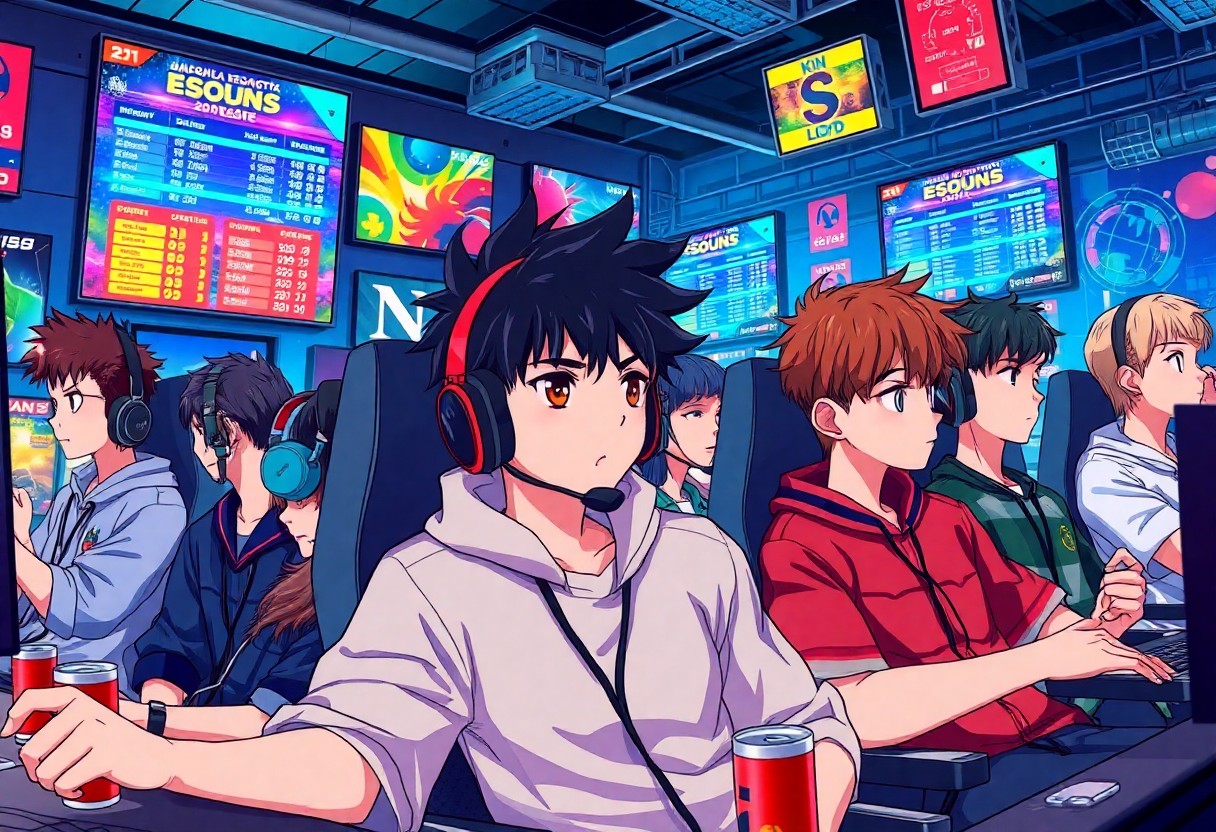
Grind through the ranks in Valorant can be an excruciating experience, often filled with frustration, anxiety, and moments of utter defeat. As players strive to ascend the competitive ladder, they face a myriad of challenges—from matchmaking issues to team dynamics and individual performance pressure. This blog post researchs into the shared experiences of countless gamers who have tackled the ranked grind, exploring the psychological toll and strategies they employ to cope with the ups and downs of this demanding competitive environment.
The Psychological Toll of the Ranked Ladder
The pressure of climbing the Valorant ranked ladder weighs heavily on many players. As they strive for higher ranks, the constant comparison to others and the fear of disappointing teammates can lead to significant mental strain, ultimately affecting their gaming experience. Many players report feeling emotionally drained after their sessions, grappling with self-doubt and frustration as they navigate the ups and downs of competitive play.
Stress and Anxiety: The Emotional Rollercoaster
Players often experience heart-pounding stress and anxiety throughout matches as they fight not just for victories but for personal validation. The stakes feel high—losing can provoke feelings of inadequacy, while winning briefly alleviates that pressure. This emotional rollercoaster can exacerbate mental fatigue, making the grind feel endlessly exhausting.
The Impact of Toxicity: Team Dynamics and Player Behavior
Toxic behavior, including harassment or negative comments, can quickly disrupt team dynamics in ranked play, leading to a hostile environment. Players may feel demotivated or anxious when faced with unsupportive teammates, which can snowball into further losses and deteriorating morale. Consequently, players become trapped in a cycle of negativity that hampers their performance and enjoyment of the game.
This toxic atmosphere not only affects individual players but can also undermine the overall gameplay experience. When one player acts negatively, it often leads to retaliation or defensiveness from others, which spirals into a less cohesive team. Research shows that environments lacking effective communication and teamwork result in more pronounced outcomes, with players reporting degraded performance and increased frustration. The result can be a frustrating, emotionally impactful gameplay experience that makes players question their passion for the game. The long-term psychological effects of ongoing negative interactions can lead to burnout, causing players to distance themselves from ranked play altogether.
Grinding for Glory: The Time Investment Debate
The grind for ranked glory in Valorant is undeniably time-consuming. Players often find themselves burning hours, sometimes upwards of 20 hours a week, just to see marginal improvements in skill. The balance between dedicating time to rank up and efficiently practicing game mechanics can be a contentious debate among the community. Is sacrificing your social life and personal time worth the chase for that coveted RR (Rank Rating)? The answer varies among players, many of whom lean towards quality practice over sheer time investment.
Daily Routines: Time vs. Skill Improvement
Establishing a daily routine in ranked play can significantly influence skill development. Players often start by warming up with aim trainers or deathmatch modes, dedicating at least 30 minutes to an hour daily. However, focusing on specific weaknesses rather than playing for hours mindlessly becomes necessary. For many, setting goals to improve communication, map knowledge, or utilizing agent abilities effectively proves more beneficial than grinding rank furiously without structure.
Burnout: When Passion Turns into a Chore
Burnout is a common phenomenon in the Valorant ranked scene. Many players initially explore the game with fervor, but as they chase higher ranks, the simple joy of playing can fade. What once felt like thrilling matches turn into tedious obligations filled with anxiety and frustration, leading to reduced performance and enjoyment.
This shift often manifests after hitting a plateau in performance or facing frequent losses, leading to a cycle of discouragement. Players might find themselves logged in not for passion but to meet an internal quota of games, creating a sense of dread rather than excitement. Instead of cultivating a love for strategy and teamwork, they might view each match as just another hurdle in the relentless climb for ranks. Taking breaks, exploring non-competitive modes, or engaging in casual play with friends can help reignite that initial enthusiasm, ensuring the game remains enjoyable rather than a burdensome chore.
The Mechanics of Matchmaking: Fair Play or Frustration?
Matchmaking in Valorant aims to create balanced and engaging competitive environments, but many players often find their experiences rife with stress and dissatisfaction. Balancing player rankings, skill levels, and team compositions poses immense challenges for the developers. This section explores the intricacies of the matchmaking system and reveals the common frustrations players encounter in their quest for climbing the rank ladder.
Understanding the Matchmaking Algorithm
The matchmaking algorithm prioritizes a player’s rank, including factors like individual performance and win rates, to create balanced games. It uses the Elo rating system, adjusting your rank based on game outcomes. While expertly designed, it can still lead to imbalances due to variances in player skill, experience, and teamwork, causing players to question its effectiveness.
Pain Points: Issues with Rank Disparity and Mismatches
Among the most significant pain points in matchmaking are rank disparities and mismatches, which often leave players frustrated and disheartened. Typical scenarios include lower-ranked players facing off against higher-ranked opponents, leading to one-sided matches that reduce the overall enjoyment of competitive gameplay.
These mismatches are particularly disheartening when skill gaps lead to unmanageable situations for lower-ranked players, as they struggle solely due to the disparities in experience and rank. For instance, a Silver player accustomed to facing Gold-ranked opponents may find themselves hopelessly outmatched when paired with an Immortal player. Instances like these showcase the algorithm’s occasional shortcomings, leaving players feeling like they’re unable to progress or enjoy a fair fight, ultimately contributing to a cycle of frustration and demotivation in the ranked grind.
Players Share Their Struggles: Real Stories from the Community
Within the Valorant community, countless players have voiced their struggles through vivid anecdotes that resonate. From hitting ranks only to plummet down again due to bad luck or uncooperative teammates, many share the frustrations of their grind. Players recount stories of harrowing matches where a single mistake cost them dearly, while others share tales of miraculous comebacks that ended in tears. These narratives reveal the emotional rollercoaster that comes with striving for greatness in the ranked system.
Successes Turned Sour: High Expectations vs. Reality
The disparity between what players envision and the harsh realities of the ranked grind often leads to disappointment. Many begin their journey with aspirations of climbing to Radiant, only to struggle with the intricacies of teamwork and skill discrepancies as they progress. A high rank achieved in one match can be fleeting, as the subsequent games may involve a toxic environment or unforeseen challenges that quickly shatter a player’s confidence and motivation.
Tribulations and Triumphs: Finding Support in the Player Base
Despite the challenges, the Valorant community is a beacon of support, offering players a space to share their experiences and seek advice. Many find solace in forums and social media groups where players band together to discuss strategies, share personal stories, and motivate one another in their ranked pursuits. There’s a strong sense of camaraderie; players unite to celebrate victories, commiserate losses, and build connections that foster resilience. In a game that can often feel isolating, this collective support reminds individuals that they are not alone in their ranked battles.
Players have reported that participating in community events, such as casual tournaments or coaching sessions, not only enhances their skills but also creates lasting friendships. The value of collaborative gameplay is amplified when seasoned players give pointers, helping newcomers break through rank ceilings. Moreover, these platforms facilitate interaction and camaraderie, serving as a reminder that behind every ranking is a player with a passion for growth and improvement. In a competitive atmosphere where frustration abounds, this sense of belonging can serve as the driving force to keep pushing forward, overcoming ranks together.
Strategies for Coping: Navigating the Ranked Experience
Finding ways to cope with the ups and downs of the ranked grind can significantly amplify your gaming experience. A deliberate approach to handling frustration, paired with effective strategies, can create a more enjoyable and progressive environment. Techniques such as setting small, achievable goals, tracking personal performance metrics, and embracing a growth mindset can alleviate some of the pressure while making the grind feel less daunting.
Tips for Mental Resilience During the Grind
Staying mentally strong is important for progress. Here are some tips:
- Take breaks to avoid burnout.
- Reflect on each game to identify learning points.
- Engage with a supportive community or friends.
- Focus on the process rather than the outcome.
Assume that setbacks are part of the journey and use them as opportunities to improve skills and strategies.
Building a Positive Team Culture: What Players Can Do
Fostering a positive team culture in Valorant revolves around communication, encouragement, and collaboration. Players can actively choose to uplift teammates with constructive feedback, celebrate successes, and adopt a solution-oriented mindset rather than pointing fingers at blunders. Engaging in casual, friendly banter can lighten the atmosphere during tense moments, enhancing teamwork and ultimately leading to better games. Teams that prioritize morale often see improved synergy and coordination, proving that a unified front can lead to greater victories, both in rank and personal satisfaction.
Conclusion
Considering all points, the Valorant ranked grind showcases the intense emotional rollercoaster players navigate while striving for improvement and success. Frustration, joy, and camaraderie are inseparable from the experience, highlighting the challenges of competitive gaming. Players consistently share their stories of adversity and triumph, reinforcing the dedication and effort required to rise through the ranks. Ultimately, these shared experiences shape the community, fostering resilience and connection among players facing the same uphill battles in their competitive journeys.