






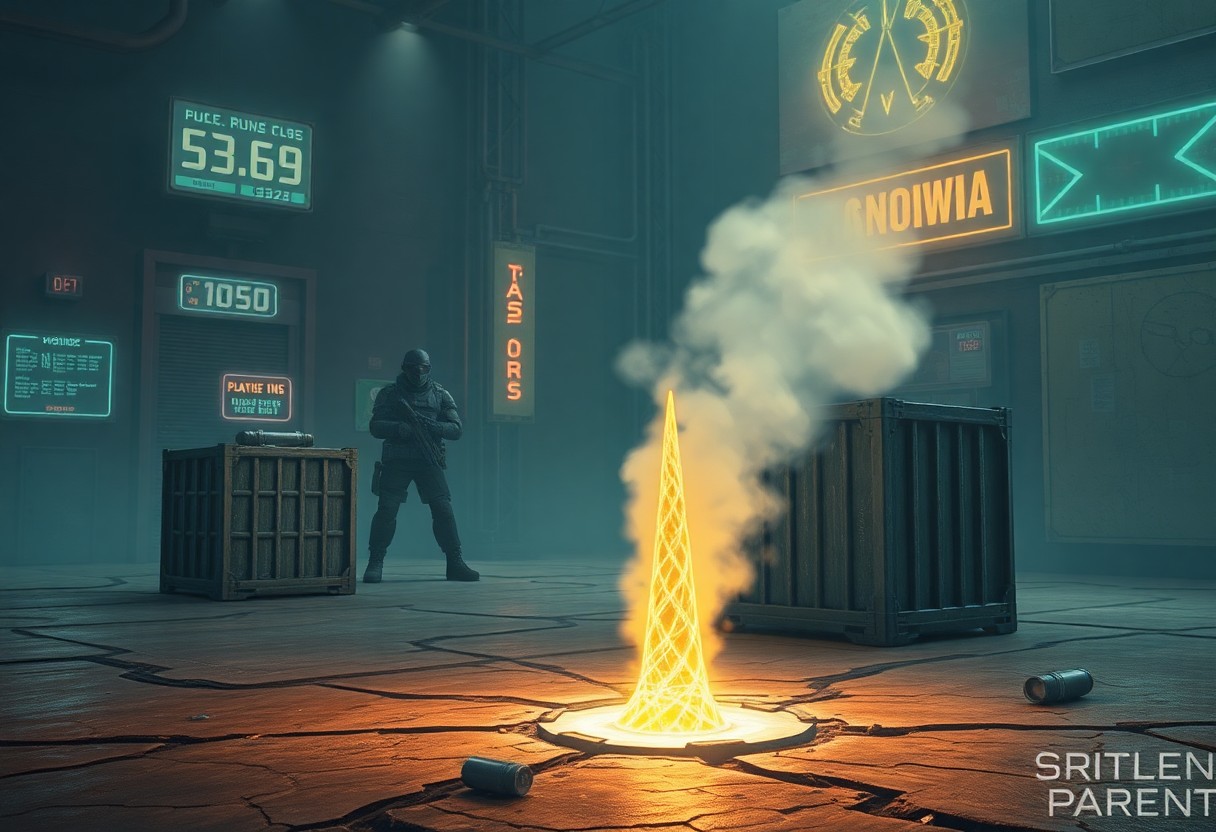
You can win tight Valorant rounds by mastering post-plant play: disciplined positioning, timely utility denial, and coordinated crossfires force opponents into risk-heavy defuses while the timer and spike location favor defenders. Understanding sound cues, conserving resources for late-round engagements, and managing rotations turns small advantages into secured victories, making post-plant strategy a defining skill for competitive success.
Understanding Post-Plant Scenarios
Definition of Post-Plant
Post-plant refers to the phase after the spike is planted when attackers transition to defending the site while defenders attempt a retake or to deny the defuse; typical situations are 1v1, 2v2, or 3v2 battles where time, positioning, and utility determine outcomes. For example, a 2v2 on A with 20 seconds left forces staggered peeks and utility usage to prevent a 7-second defuse or bait a misplay.
Importance of Timing in Post-Plant
Timing governs every decision once the spike is down: when to use a flash, when to peek, and when to fake a defuse. With a 7-second defuse window, delaying utility or forcing a rotation at the 3-4 second mark can flip a round; pro teams often set timers in comms to synchronize those moments precisely.
Deliberate timing means splitting utility across the countdown-smokes at 5-6 seconds to block line-of-sight, molly to force a crouch or reposition at 2-3 seconds, then a coordinated peek on the last second. In practice, a solo defender delaying a defuse by 1-2 seconds can allow teammates to trade a 1v1 into a favorable 2v1, making millisecond planning the difference in tight matches.
Overview of Post-Plant Strategies
Common strategies include anchoring strong crossfires, using area-denial utility to stall a defuse, employing fake defuses to bait exposes, and isolating fights into predictable lanes for trades. Teams often assign one player to watch the spike while others control choke points or cut rotates, turning a planted spike into a tactical timer to outplay opponents.
Expanding on that, effective teams layer tactics: an off-angle watcher holds a risky close angle while two players form a trade setup, utility is saved to deny the defuse in late countdowns, and one player plays for information to call when to commit. Executed well, these patterns convert a 50/50 post-plant into a repeatable, high-probability win method across rounds.
Key Advantages of Post-Plant Play
Psychological Pressure on Defenders
Post-plant compresses defender decision-making: with the spike active attackers force rushed peeks, wasted utility, and poor retake timings. Pro-level data shows teams that secure a plant convert roughly two-thirds of those rounds into wins, because the ticking spike amplifies hesitation and creates predictable panic plays defenders often misread.
Control of the Bomb Site
Planting hands attackers spatial control-occupying heaven, rafters, or site boxes denies safe lines and funnels retakes. A well-placed smoke or Molotov can cut off 40-60% of standard retake routes, turning a contested 3v3 into a sequence of isolated 1v1s where crossfires and trade discipline win rounds.
For example on Ascent A, planting for Market forces defenders to approach through A Main or Sewers; attackers then hold Market, Heaven, and Main with one player watching rotations. Economically, attackers often expend 0-2 utility during the post-plant while defenders burn 2-4 utilities to clear angles, creating a resource imbalance that favors timed retakes and pre-aim setups.
Map Knowledge and Positioning
Effective post-plant relies on exact map geometry: knowing which boxes obscure sightlines and which rotations take 7-12 seconds lets planters choose plant spots that maximize cover and minimize check angles. Teams that practice two standardized post-plant setups per site reduce chaotic adjustments and increase conversion consistency.
On Bind B, for instance, a site plant behind the boxes forces retakers to clear Hookah and Short separately; a Killjoy turret or Cypher camera can stall a multi-angle clear long enough for attackers to trade. Memorizing those choke timings and preferred escape lanes turns individual skill into coordinated positional advantage during the spike timer.
Roles and Responsibilities of Players
The Attacker’s Role
After the spike is down, attackers transition to containment and time management: with a 45‑second timer and a typical 4‑second plant, teams often set 2-3 crossfires, assign one player to watch flanks, and use Controllers to smoke common defuse lanes. For example on Ascent A, attackers commonly hold Heaven, Main and Garden to force risky retake windows while Sentinels play close enough to trade and waste defender utility.
The Defender’s Role
Defenders must evaluate remaining time, utility, and numbers quickly, choosing between an early coordinated retake or isolating picks; a 3v5 retake differs from a 2v2 with 20 seconds left. Pro-level retakes favor synchronized flashes and a single entry point, while solo peeks and slow clears hand the advantage back to attackers holding predictable angles.
In practice, teams that win post‑plant fights assign exact tasks: one player clears site corners, another smokes or flashes entry lanes, and a third pressures from a different axis to split attention. Using recon abilities (Sova drone, Skye trail) combined with mollys or Nanoswarms delays defuse attempts by 3-5 seconds each, forcing defenders into stacked, predictable engagements that attackers can trade effectively.
Coordinating Team Efforts
Effective coordination relies on role clarity and simple scripts: one player stays on flank duty, two anchor crossfires, and a Controller times smoke usage to the spike timer; many teams use a single call like “30 seconds-smoke x, flash y” to avoid ambiguity. Short, numeric callouts cut delay and create repeatable post‑plant geometry across rounds.
Drilling specific scenarios improves outcomes: practice a 3v2 with 25 seconds left where the flanker delays for 7-10 seconds, the anchor throws a smoke at 20 seconds, then the two site players trade kills while utility denies the defuse. Teams that iterate these rehearsed sequences reduce decision time by roughly 30-40% during live rounds, producing more consistent round closes.}
Analyzing Common Post-Plant Strategies
Split-Taking Approaches
Teams commonly split the site into 2-3 lanes-example: a 2-1-2 hold converts to a 3-0 split if attackers push two choke points while a single lurker isolates rotation paths. Successful splits rely on staggered utility (smoke + flash then entry), timed trades within 1.5-2 seconds, and pre-placed crossfires; on Ascent A or Bind B, forcing defenders into predictable positions often turns a 2v3 into a manageable 3v2 within 8-12 seconds.
Aggressive Flanking Techniques
Flanks executed 10-25 seconds after plant maximize disruption: a single Omen teleport or Jett dash walking into the backline can convert a static 1v3 into a 2v2 by forcing rotations and exposing anchors. Use recon utility first, commit when site pressure and sound cues indicate defenders are preoccupied, and prioritize clearing common hide spots to secure fast trades.
For deeper execution, coordinate the flank with the on-site duo: call timings so flankers hit lanes as defenders attempt duels or fake defuses. Example sequence-smoke main lane, on-site players apply pressure for 4-6 seconds, flanker rotates through a secondary route and uses a flash or silence to stun an anchor; if the flanker wins the initial skirmish, the on-site pair should immediately change crossfire angles to capitalize. Risk management matters: a dead flanker leaves the bombsite vulnerable, so use staggered entry and a utility bait (frag or short flash) to draw out defensive explosives before committing.
Fake Defusals to Distract
Starting a defuse for 1-3 seconds then cancelling is a high-value audio bait that pulls rotations or forces defensive utility-common when the spike is planted in an exposed default. Paired with two players shadowing the fake, it often elicits peeks or flashes that reveal defender positions and waste 3-6 seconds of their time and resources.
When extending the tactic, synchronize comms: have one player fake defuse while a teammate holds an off-angle ready to punish peeks, and another times a secondary fake after the first bait draws utility. Use map knowledge-if defenders habitually retake through a specific choke, stage the fake to coincide with that choke’s sound cues. The goal is to trade 2-4 seconds of fake defuse audio for a committed peek or a burned grenade, shifting the retake odds from low-percentage to winnable engagements.
Communication and Information Sharing
Importance of Callouts
Fast, precise callouts change decisions: state alive counts, exact site area (e.g., “A rafters, default”), spike timer and visible weapons or utility – for example “two CTs, one short, smoke left, spike T-22.” Clear numeric info lets teams decide between retake split timings or saving. Use a single consistent phrase order (count → location → utility → timer) so teammates parse data in under a second during high-pressure rounds.
Utilizing Game Mechanics for Information
Use agent abilities and game systems as reliable information sources: Sova recon arrows, Cypher cameras, Killjoy alarmbot, and minimap pings convert unseen angles into confirmed data. Tagging a player with utility or getting a camera ping reduces unknowns from multiple sectors to one or two options, allowing teams to allocate a 2-1 or 3-0 hold more effectively.
Practical examples matter: fire a Recon Bolt onto default spot to reveal presence before committing to a site push; toss a cheap utility (smoke or flash) to force a sound cue from footsteps and confirm rotation within 2-4 seconds. In scrims, integrating one dedicated info ability per round increased retake success by reducing blindwide peeks and enabling pre-aims on cleared angles.
Effective Use of Voice Communication
Keep voice comms short, prioritized, and standardized: callouts should be 2-5 words for immediate threats and a 6-10 word update for status (e.g., “Two A site, one heaven, spike T-18, no flashes”). Assign an in-round leader to give final go/no-go decisions so overlapping chatter doesn’t fragment timing or misallocate utility during the 15-20 second post-plant window.
Layer voice with quick confirmations: use “hold” or “retake” as single-word directives, and require concise replies like “hold 3” or “retake 2” to indicate who stays and who rushes. Teams that practiced this protocol reduced wasted utility and improved synchronized rotations in ranked matches, because players knew exactly which role to fulfill without long contextual explanations.
Adapting to the Opponent’s Response
Reading the Enemy’s Position
Use audio, utility depletion, and the spike timer to map defender intent quickly: two sets of footsteps toward A with 20 seconds left implies a coordinated retake, whereas silence plus a recon ping suggests a single lurker holding an off-site angle. On maps like Ascent and Bind, common tells-Hookah rotation on Bind A or Mid control loss on Ascent-change whether you favor wide post-plant holds or tight crossfires.
Adjusting Strategies Mid-Round
Shift roles based on live information: if a defender peeks and dies, compress from a 3-2 spread into a tighter 2-2-1 containment; when you hear multiple ability uses on the first 10 seconds, delay aggressive peeks and favor time management. Rapidly reassign one player to denial (molly/smoke) and another to trade angles to maintain pressure while protecting the spike.
Example: with a 2v2 at 18 seconds on B site (Ascent), the planter should hold close to the spike with a smoke ready while a teammate stalls PEEK timing with a brief jiggle and one flash left. That combination forces the defenders into risky utility expenditure or a blind push, increasing retake failure probability compared to static crossfires.
Counter-Strategies against Defusal Attempts
Prioritize denying defuse windows using area-denial and interruption abilities: Viper wall or Killjoy Nanoswarm applied to the spike forces defenders to either waste utility or attempt exposed defuses; pairing a short smoke with a quick molotov reduces successful defuse rates and buys you time to trade. Watch for fake-defuse audio cues and delay commitment until the opponent reveals intent.
In practice, if defenders begin a defuse and one is lit by a Nanoswarm, use that 2-3 second window to peek from an unexpected angle or reset the duel with a flash. On maps where common defuse spots are predictable (Haven C or Icebox B), pre-place denial utility to convert a 1-second guessing game into a forced 2v1 or a guaranteed cleanup trade.
Final Words
Hence, mastering post-plant play turns narrow rounds into victories by controlling the spike timer, exploiting terrain and utility, and forcing opponents into rushed decisions. Effective post-plant coordination-precision positioning, audible communication, and disciplined crossfires-magnifies small advantages, punishes overextensions, and amplifies clutch potential, making the difference between map points and match losses in high-level Valorant.
FAQ
Q: Why does strong post-plant play often decide close rounds in Valorant?
A: Once the spike is down the clock and a fixed objective create asymmetric pressure: defenders must clear positions and beat a timer, while attackers can choose angles, set crossfires and use utility to deny information. Planting converts map control into a timed advantage-attackers can funnel defenders into predictable retake paths, isolate 1v1s, and bait defuse attempts. Properly executed post-plant play amplifies small advantages (better positioning, one-way smokes, lineups) and forces defenders into high-risk plays, so even rounds that start evenly often swing to the team that manages the post-plant phase better.
Q: Which mechanics and skills matter most during post-plant situations?
A: Time management and spike-clock awareness are primary: delaying peeks and forcing premature defuses matters. Utility use and economy-well-timed smokes, molotovs and flashes to block sightlines or deny defuses-changes engagements. Angle discipline and crossfire construction let attackers trade and isolate approaches. Sound cues and fake-defuse tactics create openings; concise communication and short, precise callouts keep everyone synced. Agent synergies (zone denial like Viper/Brim, info gathers like Sova) and clean trade timings complete the toolkit for consistently winning post-plant fights.
Q: How can teams practice post-plant play to win tight matches?
A: Run targeted drills: simulate post-plant scenarios with the spike already planted and practice defender retakes and attacker hold patterns for each site. Rehearse utility timings and lineups so smokes and mollys land predictably; do 2vX drills to hone isolation, crossfires and clutch decision-making. Review demos focused on post-plant choices, log metrics (rounds won after plant, deaths post-plant, successful baiting), and iterate agent compositions to ensure a balance of denial and recon. Train communication scripts for standard calls during the clock countdown and practice fake-defuse sequences to induce mistakes from defenders.