Most players may not grasp the complex rules governing agent selection in Valorant’s competitive matches. Understanding these rules is crucial for optimizing team composition and strategizing effectively, ensuring that each match utilizes agents to their fullest potential.
Agent Selection Rules in Valorant Competitive Play Explained
Understanding the UI Layout and Character Icons
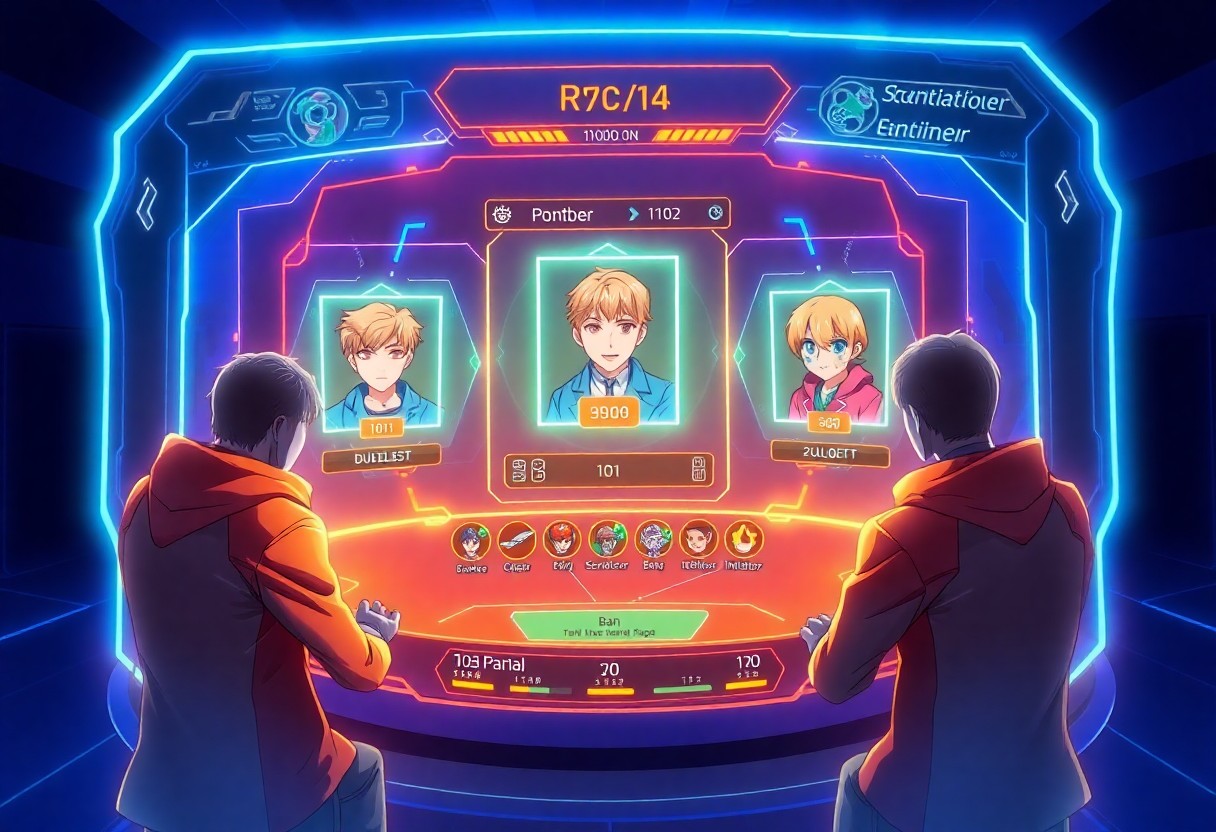
The agent selection interface consists of a grid layout showcasing all available characters. Each character is represented by an icon, making it easy to identify their roles and abilities. Hovering over an icon reveals a brief description, providing players with quick insights into each agent’s skill set.
Icons are color-coded based on role classifications: Duelists, Initiators, Sentinels, and Controllers. This visual organization helps players quickly assess team composition and make informed choices. Familiarity with this arrangement can enhance decision-making and strategy formulation during agent selection.
The Mechanics of the 80-Second Countdown Timer
The 80-second countdown timer begins once the team enters the agent selection phase. Players must select their agents within this allotted time to ensure a smooth transition into gameplay. This timer creates a sense of urgency, pushing teams to communicate effectively and finalize roles rapidly.
Strategic decisions must often occur under pressure, as players balance personal preferences with team needs. Missing the countdown can lead to unbalanced teams, emphasizing the importance of swift and efficient agent selection.
Visual Indicators for Teammate Hover-Picks and Confirmed Locks
Visual indicators enhance the agent selection process by showing teammate hover-picks and their confirmed locks. When a teammate hovers over an agent, highlighted borders around their icon indicate interest, allowing others to gauge potential team compositions easily. Once confirmed, a lock icon appears, signaling that a particular agent is no longer available for selection.
Such features encourage collaboration and strategizing among teammates. Recognizing when another player has selected an agent helps prevent overlapping roles and facilitates a balanced team dynamic.
Core Rules of Engagement in the Competitive Draft
The Irreversibility of the “Lock-In” Action
Locking in an agent is an irreversible step that solidifies a player’s choice for the match. Once a player confirms their agent, any changes are no longer feasible, emphasizing the importance of careful deliberation during the draft process.
This action contributes to team composition strategy, as players must align their roles and abilities effectively before making a final selection. Rushing this decision can lead to suboptimal team synergy and hinder overall performance.
Mandatory Selection Requirements to Prevent Match Dodging
Mandatory agent selection ensures a smooth and fair matchmaking experience, preventing players from dodging matches. Each player must choose an agent within a specified timeframe before the draft concludes.
This rule eliminates unnecessary delays and promotes engagement, ensuring that every participant is committed to the upcoming match. The structured environment encourages a competitive spirit while discouraging avoidance tactics.
Players are often penalized for failing to meet selection requirements, which can disrupt the flow of gameplay. Adhering to these guidelines ensures that all participants contribute positively to the match environment, fostering a more enjoyable competitive experience.
Penalties and Queue Restrictions for Failing to Select an Agent
Failing to make an agent selection triggers penalties, including temporary queue restrictions. Players who neglect to choose an agent risk being unable to participate in future matches until the penalty period expires.
This system is designed to deter disengagement and encourage timely decision-making, ensuring that all players fulfill their roles in the team dynamic. Understanding these rules is crucial for maintaining a competitive edge and promoting a thriving gameplay atmosphere.
These penalties serve both as a deterrent and a reminder of the importance of commitment in competitive play. Affected players not only face restrictions but also contribute to increased wait times for their teammates, making it crucial for all participants to adhere to selection protocols.
The Role-Based Selection Framework
Balancing the four pillars: Duelists, Initiators, Controllers, and Sentinels
Every competitive Valorant team should strive for a balance across the four agent roles: Duelists, Initiators, Controllers, and Sentinels. Each role brings unique strengths to the table, influencing both strategies and overall team dynamics. A well-rounded composition allows teams to adapt to varying situations during matches, enhancing their chances of victory.
Choosing agents that cover these roles effectively can dictate how a game unfolds. For instance, Duelists are necessary for aggressive plays, while Controllers manage map control. Initiators provide intel and entry advantages, and Sentinels support holding post-plant situations. Striking the right balance among these pillars is key to achieving competitive success.
Identifying the “Must-Have” roles for standard competitive viability
Every competitive setup requires specific roles to function optimally. Generally, a team should have at least one Duelist and a Controller, as these roles are critical for both aggression and defense. Without effective damage dealers and map manipulators, teams struggle to create favorable engagements.
In addition to Duelists and Controllers, the presence of an Initiator often becomes necessary for info-gathering and facilitating plays. While Sentinels can be situationally important, prioritizing the other three roles tends to secure more well-rounded team compositions. Ultimately, understanding these “must-have” roles is necessary for any competitive team.
The impact of role redundancy on team utility economy
Redundant roles can severely hinder a team’s utility economy. Teams that overly emphasize one type of agent may find themselves lacking in necessary abilities, restricting their tactical flexibility. This imbalance often leads to a narrower gameplay approach and limits strategies available during critical moments.
Focusing too much on duplicating roles can leave gaps in situational responses. For example, if multiple Duelists are selected at the expense of a Controller, the team’s ability to control space suffers. Recognizing the importance of diverse roles thus becomes a strategic necessity for maintaining competitive advantage.
Map-Specific Selection Criteria and Environmental Factors
Agent selection in Valorant often hinges on specific map characteristics and environmental elements. Each map has unique aspects that influence which agents can perform optimally. Consideration must be given to the layout, angles, and crucial chokepoints that can dictate an agent’s impact in matches.
- Terrain type and layout
- Cover availability and positioning
- Verticality and elevation changes
- Common pathways and rotations
- Sightlines and engagement ranges
Knowing how terrain influences agent viability can significantly enhance team strategies.
Analyzing terrain influence on Agent viability across the active map pool
Terrain analysis reveals how map features impact agent effectiveness. Maps with open spaces require agents who can hold long sightlines or utilize utility effectively. Conversely, tightly packed areas favor agents who excel in close-quarters combat or area control.
Understanding these variations allows teams to adapt their selection and composition as needed, improving overall performance during matches.
Verticality versus horizontal control requirements for specific sites
Verticality plays a crucial role in certain maps, impacting the selection of agents suited for specific objectives. Maps like Ascent may necessitate agents with abilities that can capitalize on high ground, while other maps might prioritize horizontal control to dominate anchor points.
Focus on vertical control often leads to the inclusion of agents with mobility or area denial capabilities, such as Jett or Omen, as they can take advantage of elevated positions effectively.
Selection adjustments for long sightlines versus close-quarters combat
Choosing agents based on sightlines affects team dynamics significantly. Maps with long sightlines favor snipers and agents with abilities to hold distance, such as Chamber and Killjoy. Conversely, proximity-focused maps benefit agents like Raze and Breach, who excel in small confrontations and quick engagements.
Strategies can be refined by understanding how sightlines dictate combat scenarios. Adjusting agent selection to align with the predominant combat style of each map empowers teams to optimize their tactics.
Communication Protocols and Social Dynamics of the Draft
Utilizing voice and text chat for role negotiation
Effective communication during the agent selection phase is fundamental. Players often use voice chat to quickly negotiate roles, ensuring that necessary team compositions are formed. Text chat serves as a backup, allowing for clear discussions when voice options are unavailable.
Clarity in communication fosters smoother role assignment. This helps prevent misunderstandings and enhances team synergy as players express their preferences and strategize around each other’s capabilities.
The strategic use of the hover feature to signal tactical intent
Hovering over an agent during the draft serves multiple purposes. It allows players to display their preferred choices while also gauging teammates’ reactions. This subtle cue can build team cohesion and inform decisions on which roles remain unfilled.
Agents frequently utilize this feature, creating a dialogue about potential strategies. For example, hovering can signal a willingness to adapt or indicate a specific tactical direction that the team might take, inviting further discussion.
Conflict resolution strategies for contested Agent picks
Disagreements over agent selections can be common during the draft. Teams should adopt a collaborative approach, discussing the reasons behind each player’s choice. This encourages respect for individual preferences while promoting a shared vision for match strategy.
Implementing a system where players share their preferred agents and potential substitutes can minimize friction. Discussing alternative strategies helps in finding common ground and ensures everyone feels valued as part of the decision-making process.
The Impact of the Current Meta on Selection Strategy
Adapting to recent patch notes and Agent balance adjustments
Patch notes often reshape the competitive environment, influencing Agent viability. Players must stay updated and understand how modifications affect play styles and strengths. Recently, significant adjustments have made previously overlooked Agents more appealing, encouraging teams to rethink compositions.
Understanding these changes is crucial for effective selection strategies. Teams that adapt quickly can exploit new strengths, ensuring they are not left behind in the competitive scene. A proactive approach can create opportunities for success in high-stakes matches.
The “Pro-Play Effect” and its influence on high-ELO ranked drafts
The “Pro-Play Effect” manifests in how professional strategies permeate high-ELO drafts, significantly impacting Agent choices. Observing what top-tier players prefer informs aspiring competitors about optimal picks and synergies, reinforcing certain Agents’ statuses as must-haves.
This phenomenon results in a quicker shift toward specific compositions favored in professional play. As pros establish effective strategies, those in ranked queues mimic these choices, leading to a converging meta that highlights top-performing Agents.
Identifying S-Tier priority picks for the current competitive season
Identifying S-Tier priority picks involves analyzing performance metrics, win rates, and community consensus. Several Agents have emerged as dominant forces, consistently contributing to team success across various maps and scenarios. Teams focusing on these picks enhance their chances of victory.
Current S-Tier Agents often excel due to their versatility and strong impact in team fights. By prioritizing these Agents, teams can optimize their compositions, securing an edge over opponents in the evolving meta.
Account Requirements and Agent Availability Rules
Unlocking Agents via Kingdom Credits and Recruitment Events
Players can unlock agents through Kingdom Credits earned in matches, which can be spent to acquire new characters. Recruitment events also provide opportunities to obtain agents for free, encouraging players to experiment with various playstyles.
This system allows newcomers to gradually build their roster without feeling overwhelmed. Participating in events not only unlocks agents but also enhances the overall gameplay experience by encouraging engagement with the game’s community.
Restrictions on unowned Agents within the competitive queue
Competitive play imposes restrictions on agents not owned by players. Teams cannot select unowned agents, which ensures all participants have equal access to available characters during matches.
This rule promotes fair play and prevents imbalances caused by unfamiliarity with certain agents. Players must consider their current roster when forming strategies, enhancing the overall competition.
Level prerequisites for entering the Agent selection lobby
Entering the Agent selection lobby requires players to meet specific level prerequisites. Typically, a minimum account rank is necessary to ensure participants have grasped core game mechanics before entering competitive matches.
Understanding this requirement emphasizes the importance of experience in high-stakes environments. New players should strive to reach the required level for a better chance at success in competitive play.
Strategic Team Composition Archetypes
The right agent composition is key to maximizing team strengths. Three main archetypes often dominate competitive play: “Double Controller”, “Triple Duelist”, and “Double Sentinel”. Understanding these can inform strategic choices and enhance performance.
| Archetype | Description |
| Double Controller | Focuses on map control and denial. |
| Triple Duelist | Emphasizes aggression and fragging power. |
| Double Sentinel | Prioritizes site security and information gathering. |
The “Double Controller” meta for advanced map denial
Controllers play a pivotal role in shaping the battlefield. “Double Controller” comps, featuring agents like Omen and Astra, excel at blocking enemy vision and area control.
- Create significant territory denial.
- Control choke points effectively.
- Force enemies to reconsider their approaches.
| Double Controller Benefits | Considerations |
| Enhanced site control | Potential lack of firepower |
| Heightened map presence | Reliant on precise execution |
High-aggression “Triple Duelist” compositions and their inherent risks
Duelists aim to take down enemies swiftly, promoting aggressive plays. This composition thrives on explosive tactics but risks creating vulnerabilities if not balanced with support players.
Choosing a “Triple Duelist” setup can provide immense offensive pressure but may sacrifice coordination and defense. Teams must balance aggression with situational awareness to prevent being overrun.
Defensive-oriented “Double Sentinel” setups for site security
This composition is effective in stalling enemy progress, but failure to adapt can expose weaknesses. Sentinels must remain vigilant to ensure site integrity and support teammates effectively.
The Psychology of the Agent Select Screen
Managing the “Insta-lock” phenomenon and team morale
Insta-locking can disrupt team dynamics, often leading to frustration among players who may have preferred different agents. This behavior creates an environment of tension, causing initial discord instead of collaboration.
Addressing this phenomenon requires open communication. Teams must establish guidelines regarding agent selection to mitigate negative emotions and promote a cohesive strategy from the outset.
The “Flex Player” philosophy and the importance of late-draft filling
Flex players enhance team adaptability, allowing for dynamic responses to opponents’ compositions. This flexibility is important during late-draft rounds, where filling specific roles can lead to optimal synergy.
Encouraging flexibility among team members allows for various strategies, making it harder for opponents to predict attack patterns. Embracing this philosophy ensures that team compositions remain versatile and effective against varied challenges.
Establishing leadership and team synergy during the pre-match phase
Leadership within the pre-match phase plays a decisive role in harnessing team strengths. Establishing clear roles and encouraging team discussions fosters synergy that can translate into successful gameplay.
Creating a shared vision before the match aids players in aligning their playstyles. This proactive approach minimizes confusion during critical moments, enhancing overall performance and teamwork throughout the game.
Advanced Drafting Rules in Premier and Professional Circuits
- Comprehensive Agent Pool Restrictions
- Pre-Draft Strategies and Plans
- Team Composition Focus
- Meta Adaptation and Flexibility
- In-Depth Analysis of Opponent Preferences
Distinctions between standard Ranked and Premier draft protocols
Standard Ranked modes typically emphasize individual performance with less strategic depth. Players select agents based purely on personal preference, limiting coordination and synergy.
In contrast, Premier drafts require extensive collaboration among team members. Strategies revolve around agent versatility and team roles, promoting a more calculated and structured approach to drafting.
The strategic depth of the “Ban and Pick” phase in tournament play
The “Ban and Pick” phase introduces a tactical layer that defines team compositions based on opponents’ historical choices. Banning specific agents disrupts rival strategies, making proactive decisions crucial.
Selection of agents is equally strategic, focusing on countering opponents while reinforcing team strengths. This phase often dictates overall match flow and synergy, highlighting the importance of foresight and adaptability.
Every selection impacts the subsequent choices, establishing a chain reaction in drafting that can favor teams with thorough research and a deep understanding of the meta. This intricate interplay ensures that the “Ban and Pick” phase is not merely a formality but a decisive factor for victory.
Counter-picking methodologies based on opponent scouting data
Counter-picking strategies hinge on in-depth analysis of opponent gameplay patterns. Teams study previous matches to identify preferred agents and combat their effectiveness through informed selections.
This methodology allows teams to exploit weaknesses and nullify strengths, shifting the balance of power in favor of informed choices. Effective scouting transforms the draft into a calculated chess match, heightening the competitive edge.
Incorporating real-time scouting data ensures that teams adapt their picking strategies on the fly, maintaining a dynamic approach. By integrating analytics into the drafting process, teams can stay ahead of the curve, utilizing each pick to reinforce their gameplay and undermine opponents.
Utility Synergy and Ability Interaction Rules
Coordinating flashes, smokes, and recon utility during selection
Effective teamwork in Valorant hinges on the proper coordination of utility. Selecting agents with complementary abilities maximizes strategic options, especially in executing plays where visibility and information are critical. Teams should prioritize agents who can lay down smokes to block sightlines while pairing them with flashers. This coordination creates opportunities for safe entry and site dominance.
Combining recon tools, like Sova’s dart or Cypher’s camera, with flashes can disrupt enemy setups. Prioritizing agents who can collectively exploit these opportunities allows teams to force engagements, establishing control over key areas of the map. Optimizing agent selection around this synergy enhances overall effectiveness.
Evaluating Ultimate ability economy and combo potential
Assessing ultimate abilities is necessary for formulating a cohesive strategy. Teams need to consider not only the strength of an individual ultimate but also how they can create powerful combinations. When choosing agents, ensure their ultimates can chain together to maximize impact, especially during critical rounds or potential game-deciding moments.
Balancing ultimates within the team can lead to an economy that enhances the likelihood of winning rounds. Effective coordination prevents wasted resources and opens avenues for coordinated executes. Evaluating this synergy during agent selection is key to achieving consistent success in competitive play.
Selecting Agents for specific “Kill Box” and “Post-Plant” strategies
Designating agents for “Kill Box” strategies requires a focus on peak engagement potential. Choices should favor characters with abilities that can control space and eliminate opponents swiftly. Agents like Jett or Reyna excel in such scenarios, where speed and aggression dictate outcomes. Alternatively, for “Post-Plant” strategies, selecting agents like Omen or Killjoy can provide strong defensive tools to secure bomb sites after planting.
Agent selection directly impacts the execution of these strategies. Picking agents capable of securing advantageous positions or controlling areas can drastically influence a round’s outcome. Teams that align their selections with these strategic frameworks will often find higher success rates in both securing sites and maintaining control post-plant.
Identifying and Avoiding Common Drafting Errors
Prioritizing individual comfort picks over vital team needs
Choosing agents based solely on personal comfort often leads to imbalanced team compositions. When players prioritize their favorite agents without considering overall team dynamics, it can result in gaps in utility and synergy. Striking a balance between personal preference and team requirements is vital for creating a competitive roster.
Team compositions thrive on synergy. Selecting agents who complement each other can enhance overall performance. Evaluating team needs allows players to identify roles that may be underrepresented, ensuring a well-rounded strategy during matches.
Neglecting the necessity of “smokes” or entry-pathway utility
Ignoring vital utility, such as “smokes,” can severely hinder team strategies. Agents equipped with smoke abilities provide crucial cover, allowing teams to create opportunities and secure objectives. Without these tools, teams may find themselves at a significant tactical disadvantage.
Utilizing agents who can provide entry-pathway support is critical in competitive play. Teams lacking this utility often struggle to gain traction on attack rounds, leading to poor execution of strategies and increased vulnerability. Prioritizing utility selection is a strategic imperative.
Misinterpreting Agent effectiveness on specific map layouts
Choosing agents without considering map layouts can lead to suboptimal performance. Maps in Valorant often feature unique areas that favor certain agents over others. This oversight can compromise the team’s ability to adapt to specific environmental challenges.
Agents typically excel in particular scenarios based on the map’s design. For instance, agents with mobility may shine in open layouts, while those with utility may dominate in tighter spaces. Evaluating agent strengths in relation to map characteristics ensures a strategic advantage during play.
High-ELO Selection Techniques and Meta-Gaming
Coordinating picks based on specific set-plays and executes
Effective team compositions require careful coordination around set-plays and executes. Selecting agents that complement each other’s abilities enables teams to maximize their strategies, from site takes to retakes. For example, pairing agents with smokes and flashes can create openings that capitalized on opponent positioning.
Planning specific plays alongside agent selections ensures a unified approach to gameplay. Assigning roles based on agent strengths-like site anchors or entry fraggers-can facilitate efficient executions and make strategies more predictable for the attackers, allowing for better synergy and success rates.
Predicting and countering the opponent’s likely team composition
Analyzing the opponent’s recent picks and strategies helps teams adapt their agent selections effectively. By anticipating enemy compositions, players can choose agents that counteract specific threats, such as picking Sova to reveal a lurking Jett or Raze to deal with clustering agents. This anticipatory playstyle gives a significant edge.
Employing knowledge of the meta allows teams to stay one step ahead. Understanding common strategies and selecting agents designed to disrupt those plays can change the momentum of a match and force the opposition into a defensive stance, often leading to mistakes or vulnerabilities.
Anticipation of enemy strategy extends beyond direct counters. Awareness of what agents work well together enables teams to disrupt potential combos before they create powerful synergy, thus crippling the enemy’s game plan and pushing them into unfavorable positions across the map.
Leveraging niche or “Off-Meta” Agents for tactical surprise
Utilizing niche or off-meta agents introduces unpredictable elements to gameplay. These agents can catch opponents off-guard, breaking standard team compositions. For example, selecting an uncommon pick like Yoru can create confusion, as opponents might not be familiar with countering his unique abilities.
Surprising opponents through unexpected agent choices can force them to adapt mid-game. When opponents scramble to adjust their strategies for unusual agents, teams can exploit their disarray, capitalizing on opportunities for aggressive plays and unexpected flanks.
Incorporating off-meta agents often requires specialized strategies and coordination. Teams should practice these compositions to understand their dynamics fully, ensuring that even unconventional picks can deliver results when executed flawlessly. This approach not only keeps opponents guessing but also nurtures creativity in team tactics.
Final Words
Taking this into account, agent selection in Valorant requires a strategic blend of roles and abilities. Teams benefit from understanding how agents complement each other to establish a tactical advantage. Balancing initiators, controllers, duelists, and sentinels can dictate gameplay flow, influencing both offense and defense.
Choosing agents based on team composition, individual player strengths, and map dynamics remains critical. An effective selection strategy not only maximizes each player’s impact but also enhances overall team synergy, paving the way for success in competitive play.
Q: What are the main considerations for agent selection in Valorant competitive play?
A: Agent selection in competitive play hinges on team composition, synergy, and map-specific strategies. Teams often need a balance of roles, including Duelists, Controllers, Sentinels, and Initiators, to cover various tactical needs. Understanding each map’s layout and objectives also influences which agents are most effective.
Q: How does team composition affect gameplay in Valorant?
A: A well-rounded team composition enhances strategic options and allows for flexible gameplay. Teams should aim for a mix of damage output, utility, and support. For example, having both a Controller for area denial and a Duelist for aggressive pushes can create opportunities for effective engagements and map control.
Q: Are certain agents preferred on specific maps in Valorant?
A: Yes, certain agents excel on specific maps due to their abilities aligning with the map’s features. On larger maps, Controllers may be favored for their area control, while on smaller maps, aggressive Duelists might dominate. Familiarity with each map allows players to select agents that maximize their team’s chances of success.