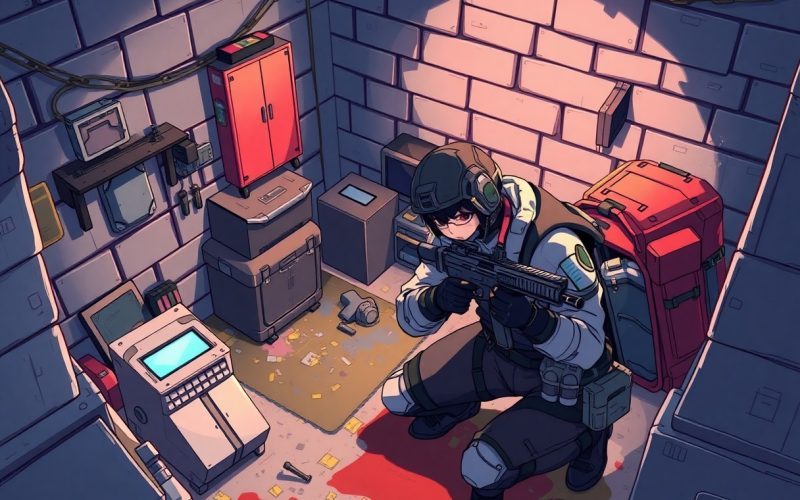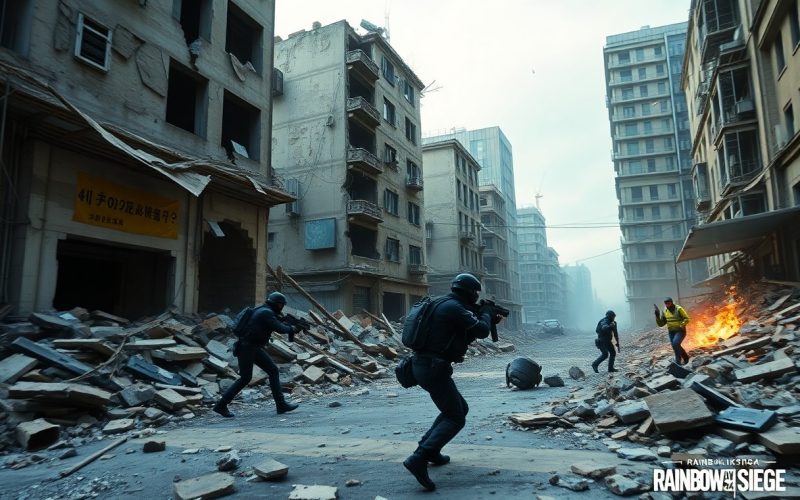




You may not realize it, but sound is a powerful tool in Rainbow Six Siege that can significantly impact your gameplay. Players rely on audio cues to identify enemy movements, strategize team tactics, and position themselves effectively. From footsteps to gadget alerts, every sound offers vital information that can lead to victory. In this blog post, we will explore the various ways players can harness the sound design of the game to gain a competitive edge and improve their overall performance in high-stakes situations.
The Art of Auditory Awareness
Skillful players in Rainbow Six Siege master auditory awareness, using sound as a strategic ally. By honing their listening abilities, they can detect not only the movements of opponents but also vital environmental changes. Sounds such as breaching walls, gunfire, and footsteps serve as immediate indicators that help players anticipate enemy actions and positions. This acute awareness often differentiates winning teams from those that struggle, as players adapt dynamically to the shifting soundscape of each round.
Recognizing Key Sound Cues
Each sound in Rainbow Six Siege carries weight; discerning these cues aids players in making informed decisions. Gunfire echoes can indicate the location of enemies or the type of engagements happening nearby, whereas the distinctive noise of explosions or gadget deployments hints at strategic moves from the opposition. For example, learning to differentiate the sound of a sledgehammer versus a thermite charge allows players to predict enemy tactics and prepare accordingly.
Leveraging Team Communication for Sound Strategy
Coordinating effectively with teammates amplifies the advantages of sound recognition. Players equipped with voice chat can relay vital audio information quickly, such as enemy locations or strategies being employed. Sharing specific sound cues enhances team awareness; if one player hears a drone, calling it out can allow teammates to prepare for distractions or potential flanking maneuvers. This synergy not only elevates individual performance but fosters overall team cohesion, leading to well-structured tactical decisions during tense moments.
When players collaborate on sound strategy, the impact of audio cues becomes a shared asset. For instance, if one teammate notes the sound of a barricade being breached, others can position themselves to capitalize on the potential of an ambush. By practicing clear and concise communication about these auditory triggers—like enemy footsteps or gadget activations—teams create an environment where sound intelligence is actively utilized, enhancing the team’s likelihood of executing successful tactics. Each player’s experience and insights contribute to a deeper understanding of the auditory landscape, paving the way for coordinated approaches that turn sound information into strategic advantages.
Decoding In-Game Sound Mechanics
Understanding the intricate sound mechanics in Rainbow Six Siege can be a game-changer. Every sound—whether it’s the echo of footsteps, the distinct creak of doors, or the explosive blast of a grenade—carries varying levels of importance. By mastering the nuances of these sounds, players can gain insights into enemy movements and tactics, enabling strategic decision-making that maximizes effectiveness during play. Skilled gamers often find themselves able to pinpoint the origin of sounds, even differentiating between team members and foes based solely on audio cues.
The Role of Environmental Sounds
Environmental sounds serve as a vital tool for situational awareness in Rainbow Six Siege. Subtle noises, like the rustling of foliage or the clattering of falling debris, can indicate an opponent’s presence or potential threats. Players equipped with good headphones can discern these sounds more accurately, allowing them to anticipate enemy maneuvers. Knowledge of a map’s acoustics contributes significantly to predicting where adversaries might breach walls or approach objectives.
Understanding Operator-Specific Audio
Each operator in Rainbow Six Siege comes with unique audio cues that reveal critical gameplay information. For example, the sound of Ash’s explosive charges offers a distinct signature that can alert defenders of an impending breach. Similarly, operators like Mute and Jäger produce sounds when their devices are activated, potentially providing opponents with critical timing cues. Learning to recognize and interpret these specific audio signals allows players to formulate more informed strategies tailored to counter unique threats from different operators.
Operator-specific audio goes beyond just identifying an operator’s powers; it can also indicate their current status in a match. Sounds such as Thermite’s charge or Hibana’s X-Kairos are not only actionable alerts but can also offer insight into the pace of the match. For instance, an operator using a gadget might signal an aggressive playstyle, suggesting that defenders should prepare to adapt quickly. Such auditory recognition can direct players to make tactical adjustments on the fly, ultimately influencing the round’s outcome. Players dedicated to mastering these audio cues elevate their gameplay, developing a heightened sense of awareness and responsiveness in the heat of battle.
The Tactical Advantage of Sound Map Knowledge
Understanding the intricacies of sound in Rainbow Six Siege can significantly impact a player’s success rate in matches. Knowledge of sound mapping allows players to anticipate enemy movements and make informed decisions based on audio cues. By familiarizing themselves with how different areas of each map generate distinct sounds, players can strategically position themselves for combat, creating opportunities to outmaneuver opponents while minimizing their exposure to danger.
Exploiting Map-Specific Audio Feedback
Each map in Rainbow Six Siege offers unique audio feedback, which can be exploited strategically. Players can hone in on specific sound indicators—like footsteps, gadget activations, or destructible surfaces—within defined areas. By mastering how these sounds echo or resonate within a particular environment, players gain critical information about enemy locations and intentions, allowing them to react and adapt accordingly.
Integrating Sound with Map Control Strategies
Effective map control goes hand-in-hand with sound awareness. Players can use audio cues not only to detect enemy presence but also to dictate their own movements on the map. When teams effectively communicate the sounds they hear, whether it’s the sound of a breach or footsteps on a specific floor, they can plan coordinated attacks or retreats, ensuring they maintain the upper hand as they secure crucial locations.
By integrating sound knowledge with map control strategies, players look to dominate key chokepoints and flanking routes. For example, if a player hears the distinct noise of an enemy drone nearby, they can redirect their attention to that area, preparing for an ambush. Likewise, conspicuous sounds from teammates can signal the need to shift focus to another sector, reinforcing control over critical objectives. This strategic embrace of auditory cues enables teams to utilize sound as a tactical weapon, shaping the flow of each round in their favor.
Beyond Hearing: The Psychology of Sound in Siege
Appreciating sound in Rainbow Six Siege extends beyond mere auditory cues; it taps into psychological elements that influence decision-making and stress management. Players often experience heightened emotions while scrutinizing each sound, as these cues can evoke anxiety, anticipation, or confidence. Mastering the psychology behind sound aids players in remaining composed under pressure and permits strategic responses, ultimately transforming the auditory experience into a mental advantage.
The Impact of Sound on Player Reactions
Sound triggers immediate responses, often dictating the pace and strategy of engagements. For instance, the sound of a breaching charge prompts quick repositioning, while footsteps lead to spontaneous decision-making, impacting how players react tactically. The intensity and clarity of sound can modify players’ emotional states, translating into faster reactions or more focused gameplay.
Sound as a Tool for Misdirection and Deception
Expert players leverage sound to mislead opponents. Utilizing noise-making gadgets or deliberately making sounds in one location can draw attention away from critical areas. This strategy not only creates opportunities for surprises but can also lead enemies into traps, effectively manipulating the flow of the match.
For example, employing a loud gadget like the Claymore or deploying a drone can misdirect enemy attention, allowing teammates to flank or breach another vantage point unnoticed. A well-placed commotion in one area could lure enemies away from critical objectives, which can turn the tide during high-stakes moments. This technique speaks to the core aspect of Siege’s gameplay, where not only the noise you make matters, but how and when you make it can spell the difference between victory and defeat. The psychological effect of sound works hand-in-hand with deception tactics, allowing skilled players to exploit their opponents’ perceptions and actions effectively.
Practical Techniques for Sound Mastery
Implementing sound mastery techniques can elevate a player’s performance in Rainbow Six Siege, enhancing their tactical awareness and decision-making skills in high-pressure situations. Players can employ various methods to sharpen their auditory skills and adapt their game settings for optimal sound quality, allowing them to seize opportunities during crucial moments in matches.
Training Your Ears: Exercises and Tools
Enhancing auditory perception involves a blend of dedicated practice and specialized tools. Players can focus on exercises that familiarize them with distinct sound signatures—like footsteps versus gunfire—by utilizing custom games or even dedicated sound training apps that challenge their ability to identify and locate sounds accurately.
Sound Settings and Customization for Optimal Play
Tailoring audio settings in Rainbow Six Siege can provide an edge in competitive environments. Adjusting in-game sound options—including setting the audio to mono or stereo and fine-tuning voice chat volume—ensures that critical sounds are amplified, while distractions are minimized. Effective customization based on personal preferences facilitates immersive listening experiences, allowing players to better discern enemy movements and devise strategies in real-time.
Fine-tuning sound settings not only involves adjusting volume levels but also choosing between different audio mixes available in-game. Players might opt for the “classic” setting to prioritize clarity of footsteps or experiment with the “dynamics” mix to capture a wider sound spectrum. Testing various headset configurations can further optimize auditory feedback, enabling players to perceive subtle cues like barricades being breached or drones buzzing overhead—information that can prove invaluable during tense encounters.
Conclusion
Taking this into account, effective sound utilization in Rainbow Six Siege significantly enhances players’ ability to secure victories. By keenly listening to audio cues such as footsteps, gunfire, and gadget activations, players can accurately pinpoint enemy locations and anticipate their movements. This auditory awareness not only contributes to strategic planning but also fosters a competitive edge in high-stakes situations. As players continue to refine their sound processing skills, they will inevitably improve their overall gameplay and round outcomes.