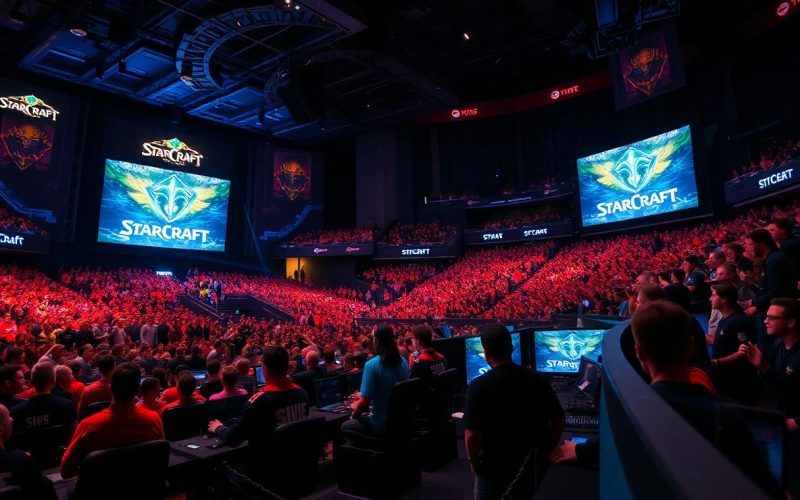









There’s no denying that Starcraft, specifically its iconic second installment, Starcraft II, has played a monumental role in shaping Real-Time Strategy (RTS) esports. Released in 2010 by Blizzard Entertainment, Starcraft II built upon the success of its predecessor and introduced elements that resonated deeply with players and audiences alike. Its strategic depth, combined with a vibrant competitive scene, set the stage for esports as we know it today.
One of the most significant contributions of Starcraft II to the esports landscape is the establishment of a competitive infrastructure. Blizzard’s support for the competitive scene was unmatched; from hosting premier tournaments like the Global Starcraft II League (GSL) in South Korea to the World Championship Series (WCS) that showcased international talent, the game helped create robust platforms for players to display their skills. Players such as Lee “Life” Seung Hyun and Joo “Zest” Sungwook emerged from these tournaments, becoming icons in the esports world and inspiring countless aspiring gamers.
Starcraft II also showcased the importance of community and viewer engagement in esports. Blizzard fostered an environment that encouraged interaction, allowing fans to engage with players through social media and live streams. The accessibility of platforms like Twitch, where matches were streamed live, changed how fans consumed esports content. Commentary and analysis during matches brought a new level of excitement and understanding, making the game more approachable for newcomers and contributing to a rapidly growing audience.
The game’s balance between its three factions—Terran, Zerg, and Protoss—also played a significant role in its success as an esport. Each race offers unique units and strategies, creating a richly layered competitive experience. This balance not only encourages diverse playstyles but also fosters epic rivalries among top players, drawing in viewers who appreciate the depth of gameplay. Competitions frequently showcase mind-blowing strategies and intense battles, allowing fans to witness skillful maneuvers and split-second decisions that define a match.
Starcraft II influenced the genre by emphasizing the importance of skill development in RTS games. Prospective players often study replays, analyze previous matches, and enter ladder competitions to sharpen their abilities, mimicking practices from traditional sports. With this commitment to skill improvement, strategies evolved over time, as players discovered and adapted counter-methods to their opponents’ strategies. The atmosphere of constant innovation cemented Starcraft II as a learning ground for both amateur players and pros.
The legacy of Starcraft transcends its gameplay; it has inspired new generations of game developers and players. The successful model of competitive tournaments, streaming culture, and community engagement established by Starcraft continues to influence new RTS titles and their competitiveness in the esports scene. The game’s contributions have paved the way for an era where not just RTS, but various genres of gaming could thrive, showcasing that strategic depth and community involvement are keys to lasting success.
In the final account, Starcraft’s incredible impact on RTS esports isn’t just about a single game; it’s about the culture and infrastructure that developed around it. As esports keep evolving, the foundations laid by Starcraft will undoubtedly remain a vital part of its history.