Just as traditional sports face scrutiny over sponsorship deals, esports teams are increasingly under the spotlight regarding branding regulations. This post explores the legal frameworks governing sponsorship agreements, the impact on team identity, and the evolving nature of promotional partnerships in the esports industry.
The Legal Framework of Esports Sponsorships
Governing bodies and industry-wide standards
Multiple organizations oversee esports regulations, ensuring fair practices and compliance. These governing bodies establish guidelines that directly affect sponsorship agreements, promoting transparency and integrity in the industry.
Standards set by these organizations influence how brands collaborate with esports teams. Adhering to these guidelines helps sponsors align with the community’s values and enhances trust among fans and players alike.
Contractual structures for professional organizations
Professional esports organizations often adopt specific contractual frameworks to manage sponsorship deals. Each contract typically outlines the responsibilities of both parties, the duration, and financial commitments.
These contracts may also include clauses that protect brand integrity and delineate promotional activities. Such structured agreements aim to sustain long-term partnerships while addressing potential conflicts that may arise.
Compliance with national and international advertising laws
Advertising laws vary by region, necessitating compliance in sponsorship agreements. Ignoring these regulations can result in penalties or damage to brand reputation, making adherence crucial for all parties involved.
Brands and esports teams must conduct thorough legal reviews before finalizing contracts. This process ensures that all promotional activities align with pertinent laws, safeguarding both the brand and the organization from legal repercussions.
Sponsorship and branding regulations in esports teams
Protection of team logos and visual identity
Teams must rigorously protect their logos and visual identities as these assets are key to brand recognition and value. Trademark registration is vital to safeguard these elements against unauthorized use, ensuring that fans and sponsors associate visuals directly with the team.
Proactive monitoring of any potential infringement helps maintain brand integrity. Legal action against violators not only protects the logo but also reinforces the team’s commitment to its unique identity in the competitive esports market.
Licensing agreements for third-party merchandise
Licensing agreements facilitate collaboration with third-party companies to produce team merchandise. Proper contracts ensure that these products reflect the brand accurately while providing revenue streams for the team. Clear terms of use and oversight are necessary to uphold brand standards.
Establishing relationships with reliable manufacturers helps enhance the brand’s reputation. Various merchandise options, from apparel to collectibles, further engage fans and expand the team’s reach, generating additional revenue opportunities.
Managing collective image rights of professional players
Effective management of players’ collective image rights is integral to both the team’s branding and player compensation. Contracts must clearly outline how players’ likenesses will be used in promotional materials and sponsorships. Teams should coordinate with players to ensure mutual benefit in these agreements.
Collaborative efforts help in creating a unified brand image. By addressing individual player needs alongside team goals, both parties can achieve greater marketability and fan engagement.
Sponsorship and Branding Regulations in Esports Teams
Regulations on Alcohol, Tobacco, and Nicotine Products
Prohibitions regarding alcohol, tobacco, and nicotine products are stringent in esports sponsorships. Many organizations mandate that esports teams must avoid partnerships with brands that promote these substances, prioritizing audience safety and public health. Teams must adhere to local laws and regulations, as these can vary significantly across regions.
Furthermore, sponsorship deals that include these products often necessitate clear age restrictions in promotional materials. This mitigates exposure to younger audiences, aligning with the commitment to responsible marketing practices.
Pharmaceutical and Health Supplement Marketing Guidelines
Strict guidelines govern the marketing of pharmaceutical products and health supplements within the esports arena. Teams and organizations must ensure that any promotional content adheres to regulatory standards, focusing on accuracy and responsible messaging. Misleading claims about the efficacy of products can lead to significant repercussions.
Additionally, partnerships must provide clear disclaimers to inform audiences about potential risks or side effects. These measures ensure transparency and protect consumers from misinformation.
Restrictions on Adult Content and Age-Sensitive Products
Restrictions apply to adult content and age-sensitive products within esports branding. Engaging with brands that promote adult entertainment or explicit materials can alienate younger viewers, making adherence to age-appropriate content necessary. Organizations generally implement policies to maintain a family-friendly environment.
Such limitations also help sustain the integrity of the esports community, fostering a positive image that appeals to a broader audience and potential sponsors. Ensuring compliance with these regulations can enhance a brand’s reputation within the industry.
Sponsorship and Branding Regulations in Esports Teams
Technical Specifications for Logo Placement and Sizing
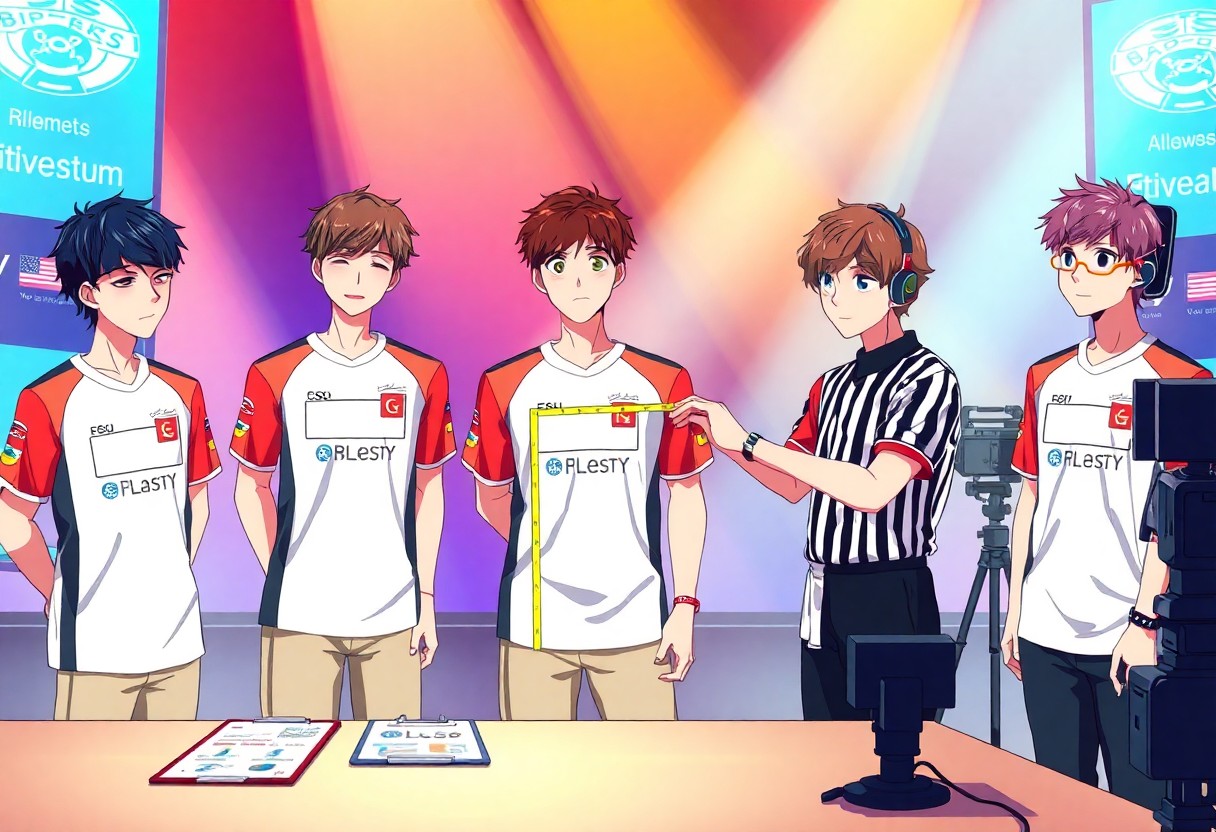
Logo placement on jerseys is strictly regulated to ensure visibility and brand recognition. Teams must adhere to specific dimensions and locations for sponsor logos, usually dictated by league rules. These parameters help maintain uniformity across different teams and events.
Sizing guidelines typically require logos to occupy a predetermined percentage of the jersey’s surface area. This standardization prevents brands from overshadowing the team’s identity while promoting sponsor visibility effectively during competitions.
Manufacturer Exclusivity and Kit Supply Agreements
Manufacturer exclusivity agreements often restrict teams from wearing apparel from competing brands during tournaments. These arrangements ensure that sponsors receive recognition and value for their investment, maintaining loyalty between teams and their sponsors.
Kit supply agreements detail the specifications and quantity of apparel provided by manufacturers. Teams must comply with these provisions to ensure consistent branding throughout the season.
Such agreements enable manufacturers to solidify their market position while providing teams with high-quality gear. The negotiations often involve extensive discussions on design, product release timelines, and financial terms to ensure mutual benefits.
Mandatory League Branding and Patch Requirements
League-specific branding often requires teams to wear patches that signify their affiliation. These patches serve to promote the league and enhance its visibility during broadcasts, benefiting both the league and participating teams. Compliance with these regulations is imperative for maintaining eligibility within the league.
Requirements may differ between leagues but typically stipulate size, placement, and design elements. Teams must ensure that mandatory branding does not interfere with their primary sponsorship agreements, striking a balance that satisfies both parties.
Meeting mandatory branding and patch requirements is crucial for teams to maintain their competitive standing. Ignoring these guidelines can lead to penalties, impacting team reputation and sponsor relationships.
Sponsorship and Branding Regulations in Esports Teams
Overlay Requirements for Twitch, YouTube, and Kick
Overlay graphics on streaming platforms like Twitch, YouTube, and Kick must adhere to strict branding regulations. Colors, fonts, and logos should reflect the sponsor’s identity while ensuring they do not obscure vital gameplay elements. Review of each platform’s brand safety guidelines is vital for compliance.
As platforms evolve, so do their requirements. Regular updates to overlay formats and dimensions mean that teams must stay informed about changes to ensure consistent visibility for sponsors and maintain professional content quality.
Sponsored Segment Protocols for VODs and Live Broadcasts
Sponsored segments in VODs and live broadcasts require clear delineation to remain compliant with advertising guidelines. This includes using specific indicators that signal to viewers when content is sponsored, typically through on-screen graphics or verbal disclosures. Transparency fosters trust between the audience and content creators.
Failure to adhere to proper segmentation may lead to penalties or a decline in audience engagement. Keeping guidelines in mind while creating entertaining content is vital, balancing effective messaging with audience experience.
Ensuring adherence to sponsored segment protocols involves regular training for streamers and creators on how to disclose sponsorships properly. This not only builds credibility with viewers but also solidifies partnerships with sponsors who seek long-term collaborations.
Management of Digital Product Placement and “Burn-in” Ads
Effective management of product placement and “burn-in” ads is critical during broadcasts. Transparency is key; audiences should be made aware of promotional content integrated within gameplay or streams. Clearly defined rules ensure both compliance and viewer satisfaction.
Tracking performance metrics related to these ads can help teams assess their effectiveness. Analyzing viewer feedback and responses informs future strategies, ultimately enhancing brand partnerships and promoting a positive viewer experience.
Player Personal Branding vs. Team Obligations
Navigating individual sponsorship conflicts of interest
Conflicts between individual player sponsorships and team obligations can create tension within esports organizations. Players often pursue personal endorsements that may clash with team sponsors, leading to potential reputational risks and financial implications for both parties.
Resolving these conflicts requires clear communication and agreements that outline the boundaries for personal branding activities. Teams should establish guidelines to ensure that individual sponsorships do not interfere with team contracts and collective branding efforts.
Social media conduct and sponsored post regulations
Compliance with social media guidelines is necessary for esports players given their influence on fans and potential sponsors. Platforms often have specific rules about sponsored content, requiring transparency and proper disclosures.
Maintaining a professional online presence includes adhering to team policies on what can be posted, especially regarding branded collaborations. Violations may result in penalties or strained relationships with both sponsors and teams.
Esports organizations typically implement a social media code of conduct to standardize player behavior and expectations regarding sponsored posts. This ensures that players promote their brands authentically while still aligning with team interests and sponsor requirements.
Non-compete clauses and category exclusivity limits
Non-compete clauses often feature in player contracts, restricting athletes from endorsing competing brands within specified categories. This protects team sponsors’ investments by preventing potential brand dilution.
Considering the financial implications of these clauses, players must fully understand the limitations imposed on their personal branding efforts. Effective negotiation processes can help balance individual interests with team obligations.
Categories for exclusivity may vary, and players should remain informed about which brands they cannot endorse due to their team’s agreements. Awareness of these clauses can help avoid disputes and ensure smoother collaboration between personal and team sponsorships.
Tournament Organizer (TO) Overlays and Conflicts
Reconciling team sponsors with league-wide partners
Balancing team sponsors with league-wide partners presents a challenge. Teams often have individual sponsorship agreements that may conflict with the TO’s agreements with slot-wide sponsors. Clear communication between teams and organizers is necessary to avoid clashes and ensure all parties benefit.
Strategizing overlapping brand visibility can mitigate conflicts. Teams must often prioritize their sponsors while adhering to league guidelines, requiring adjustments in promotional materials or display placements during tournaments.
Physical signage and booth branding at LAN events
Displaying physical signage at LAN events is subject to strict regulations. Teams must comply with the TO’s branding guidelines, which dictate how sponsors appear in shared spaces. Compliance helps maintain a cohesive event atmosphere while allowing brands to showcase their presence.
Event regulations often limit sponsor exposure, compelling teams to innovate in their branding approaches. Successfully blending individual and league-wide sponsor visibility at these venues enhances both team identity and overall event branding.
Teams should create engaging displays that reflect their sponsors without overshadowing league partners. Proper placement and design can maximize visibility and engagement for all brands, ensuring a harmonious presence at LAN events.
Digital broadcast rights and sponsor visibility hierarchies
Digital broadcast rights often dictate which sponsors receive visibility during live streams. Teams must align their branding efforts with the TO’s established hierarchies, ensuring compliance with broadcast agreements. Effective planning can help teams find creative ways to spotlight their sponsors while respecting these regulations.
Positioning brand logos and advertisements based on visibility priorities is important. Teams frequently need to collaborate with TOs to optimize their exposure, balancing the interests of various sponsors and viewers alike.
Collaborative strategies for digital placements lay the groundwork for transparent sponsor visibility, ensuring that all brands are represented fairly and contributing to a meaningful viewer experience. Adjustments may be necessary to meet both team objectives and TO stipulations effectively.
Global Regulatory Variations and Jurisdictional Challenges
European Union consumer protection and GDPR compliance
European Union regulations emphasize consumer protection, affecting how esports teams market their sponsorships. Transparency in advertising practices is important, as teams must disclose sponsorship deals clearly to their audiences.
GDPR mandates strict data handling policies for all businesses, including esports. Compliance requires teams to obtain explicit consent before processing personal data, limiting potential risks associated with data breaches.
North American commercial laws and labor standards
North America presents varying commercial laws that govern sponsorship deals and player contracts across states. Teams must adhere to specific regulations pertaining to advertising disclosures, labor laws, and ethical standards.
Labor standards in the region also dictate the treatment of players, ensuring fair compensation and working conditions. Non-compliance can lead to legal challenges and damage a team’s reputation.
Asian market dynamics: China, South Korea, and SEA regulations
Asian markets feature specific regulations impacting esports sponsorships. China enforces strict advertising and content guidelines, particularly concerning minors, while South Korea maintains a well-regulated esports ecosystem promoting player welfare.
Southeast Asia’s regulatory environment is diverse, with varying laws across countries. Understanding these local requirements is important for successful market entry and operation.
Asian markets offer unique opportunities and challenges for esports. China’s stringent regulations on content can influence sponsorship strategies, while South Korea’s esports federation provides a structured path for compliance. In Southeast Asia, where regulations differ significantly, flexibility and local insights become critical for teams seeking to thrive in the region.
Integrity, Betting, and Gambling Sponsorships
Ethical considerations and public perception management
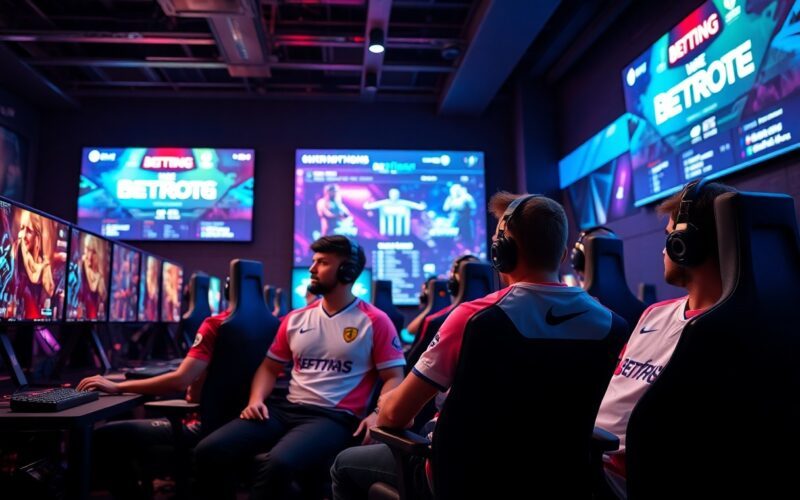
Public perception significantly influences the integrity of esports teams regarding gambling sponsorships. Teams must ensure that their affiliations do not compromise their values or alienate their fan base. Transparency in business practices and responsible messaging can enhance trust and credibility among audiences.
Ethical dilemmas often arise from the promotion of gambling in youth-oriented environments. Addressing these issues proactively can mitigate backlash and promote a responsible gaming culture, helping to position teams positively in the eyes of their communities.
Regulatory oversight on skin gambling and betting sites
Regulatory bodies increasingly scrutinize the practices surrounding skin gambling and betting sites. Such oversight aims to protect consumers and ensure fair play within the industry. Non-compliance can lead to hefty penalties and damage to a team’s reputation.
With the rise in popularity of skin betting, regulators mandate stricter compliance measures for operators. This includes verifying the authenticity of websites and ensuring they operate within legal frameworks, thereby safeguarding users from potential exploitation.
Skin gambling remains a contentious issue, as many players engage without fully understanding the risks. The lack of robust regulations initially allowed unchecked growth, resulting in a need for governance that addresses both legality and ethical concerns. Stakeholders must collaborate to ensure safer environments for participants, balancing innovation and risk management.
Age-gating and responsible gaming messaging requirements
Age-gating practices are important in protecting younger audiences from gambling exposure. Teams must implement mechanisms that restrict access to gambling content based on age, ensuring compliance with legal standards and promoting responsible gaming. This strategy aids in cultivating a safer gaming community.
Responsible gaming messaging requirements include clear communication about the risks associated with gambling. Teams should actively promote messages that encourage gaming within limits and provide resources for individuals seeking help. This approach can enhance a team’s reputation as a socially-responsible entity.
Age-gating and responsible gaming messaging reinforce the commitment to player welfare. Enforcing strict age checks prevents minors from engaging in potentially harmful activities. Additionally, proactive messaging can contribute to a culture that values responsible behavior and enhances the overall image of esports as a legitimate entertainment medium.
Sponsorship and Branding Regulations in Esports Teams
Legalities of Fan Data Collection for Sponsor Activations
Understanding the legalities surrounding fan data collection is necessary for esports teams engaging in sponsorship activations. Teams must ensure that data collected from fans complies with relevant privacy regulations while effectively delivering targeted marketing efforts for sponsors. Transparency in data use builds trust and strengthens relationships with fans.
Potential violations can lead to significant penalties, overshadowing the benefits of sponsorship. Esports organizations must establish clear consent mechanisms and data protection strategies to safeguard against legal repercussions while enhancing sponsor engagement.
Compliance with COPPA and Youth Protection Laws
Establishing compliance with COPPA and youth protection laws becomes increasingly necessary as esports audiences grow younger. Collecting data from minors without parental consent can lead to severe consequences, including fines and restrictions on business activities. Effective policies must be in place to manage and monitor these requirements.
Tightened regulations necessitate clear communication regarding data collection practices aimed at youth audiences. Esports teams should work closely with legal advisors to ensure full compliance and avoid unintended breaches.
Direct Marketing Protocols and Opt-In/Opt-Out Mandates
Implementing direct marketing protocols is necessary for maintaining ethical engagement with fans. Companies must adhere to opt-in and opt-out mandates, allowing fans to control their data and marketing preferences effectively. This builds a more personalized experience while staying within legal boundaries.
Respecting fans’ choices enhances brand loyalty and reduces the risk of backlash. Esports organizations should create transparent systems that allow users easy methods to manage their preferences, fostering goodwill and trust.
Contractual Enforcement and Dispute Resolution
Performance-based metrics and “Morals Clauses”
Performance-based metrics often dictate the success of sponsorship agreements in esports. Specific benchmarks must be met for teams and players to retain endorsement deals, ensuring alignment with brand expectations.
“Morals clauses” add another layer of complexity, allowing sponsors to terminate contracts if individuals engage in conduct that may harm their brand image. This stipulation creates pressure on players to maintain a positive public presence.
Arbitration and mediation in international esports disputes
Dispute resolution mechanisms, like arbitration and mediation, are imperative for addressing conflicts that arise across borders in esports. These methods offer a structured approach to resolving issues without resorting to lengthy litigation.
Speed and confidentiality are important advantages of these processes, making them particularly appealing in the fast-paced environment of esports. Parties often prefer these methods to maintain collaborative relationships.
In international esports disputes, arbitration presents a neutral ground for resolution, allowing teams and sponsors from different jurisdictions to agree on an impartial arbitrator. Mediation, on the other hand, can lead to more amicable resolutions and preserve branding partnerships that might otherwise be jeopardized.
Termination rights and liquidated damages for breach of brand
Termination rights grant sponsors the ability to exit contracts under specified conditions. Breaching terms related to branding can trigger automatic severance, providing protection for the brand’s reputation.
Liquidated damages clauses calculate predetermined compensation for breaches, serving as a deterrent against negligent performance by teams. These financial repercussions emphasize accountability, ensuring that contractual obligations are taken seriously.
Termination rights coupled with liquidated damages streamline the exit process while safeguarding brand interests. Such provisions reinforce a sense of responsibility, compelling teams to adhere strictly to brand representations to avoid financial penalties.
Sponsorship and Branding Regulations in Esports Teams
NFT Integration and Digital Collectible Regulations
NFTs have emerged as a significant revenue source for esports teams, yet they come with a host of regulatory challenges. Teams must ensure compliance with intellectual property laws while also addressing consumer protection issues in the minting and sales processes.
Regulations surrounding digital collectibles also necessitate transparency in pricing, ownership rights, and the potential for resale. As the market evolves, teams must remain vigilant to adapt to regulatory changes that could impact their NFT strategies.
Branding in Virtual Stadiums and Metaverse Environments
Virtual stadiums present unique opportunities for branding in immersive environments. Dynamic advertising allows brands to create engaging experiences for fans, but adherence to advertising standards is vital to maintain credibility.
Brand integration must align with user experience and community guidelines set forth by platform operators. As metaverse experiences grow, regulations governing ad types and strategic placements will likely evolve.
In virtual environments, the lines between in-game branding and user immersion blur, making it crucial for teams to balance promotional efforts with the overall gaming experience. A deep understanding of user interaction is vital to create effective virtual marketing strategies.
Cryptocurrency Exchange Partnerships and Financial Compliance
Partnerships with cryptocurrency exchanges offer esports teams innovative funding avenues, but these partnerships are fraught with compliance risks. Regulatory bodies impose stringent requirements on transactions, necessitating transparency in financial dealings to maintain investor trust.
Understanding the regulatory environment is critical for teams to safeguard against potential legal repercussions. Each partnership should include clauses that address financial due diligence and reporting to comply with anti-money laundering regulations.
Compliance measures in cryptocurrency partnerships extend beyond initial agreements; ongoing audits and regulatory updates ensure that teams can operate without legal entanglements. This diligence helps maintain a reputable presence in the esports market while exploring new financial opportunities.
Future Trends in Esports Regulatory Landscapes
Standardization of Global Professional Player Contracts
Establishing standardized contracts across esports can simplify negotiations and enhance player rights. Consistent terms across leagues will help ensure fair treatment and protect player interests globally.
Teams and organizations will benefit from clear guidelines, reducing the potential for disputes. This approach could promote stability within the industry, attracting more players and sponsors.
The Impact of AI on Sponsorship Monitoring and Valuation
AI technologies are transforming how sponsorships are monitored within esports. Real-time data analysis allows organizations to assess the effectiveness and reach of brand partnerships instantly.
Using AI for accurate valuation enhances accountability. Automated insights enable teams to justify sponsorship costs to brands, ensuring mutually beneficial relationships.
AI’s ability to process vast amounts of data opens new avenues for understanding audience engagement. Real-time monitoring provides sponsors with insights into their brand’s visibility and sentiment during events, facilitating more strategic decisions regarding investments and partnerships.
Sustainability and ESG Requirements for Modern Esports Brands
Growing expectations for sustainability and ESG (Environmental, Social, and Governance) compliance are impacting esports branding strategies. Consumers increasingly seek brands that demonstrate responsibility toward social and environmental issues.
Teams must adopt sustainable practices to align with these values and foster loyalty among fans. Incorporating ESG principles can also enhance a brand’s marketability and attract ethically-minded sponsors.
Compliance with ESG requirements benefits teams beyond public relations; it can lead to partnerships with brands prioritizing sustainability. Establishing eco-friendly initiatives not only meets audience expectations but also positions esports as a forward-thinking industry committed to positive change.
Summing up
Now, sponsorship and branding regulations in esports teams are becoming increasingly important as the industry grows. Teams must comply with both local and international laws regarding advertising and sponsorships, ensuring transparency and ethical practices. Effective regulation helps protect consumer interests while providing a clear framework for partnerships.
Compliance with these regulations not only enhances brand integrity but also fosters trust among fans and sponsors. As esports continues to gain mainstream recognition, the implementation of stringent branding guidelines will shape the future dynamics of team sponsorships and partnerships.
Q: What are the main regulations governing sponsorship deals in esports?
A: Sponsorship regulations in esports primarily involve compliance with advertising standards, age restrictions, and trademark laws. Organizations must ensure that sponsorship materials do not promote products that are illegal for certain demographics, like minors. It’s important to verify that all branding complies with local laws and industry guidelines.
Q: How can esports teams maintain brand integrity while partnering with sponsors?
A: Esports teams should establish clear agreements outlining brand representation. This includes guidelines on logo usage, messaging, and content creation. Maintaining transparency with fans about sponsorships helps in preserving authenticity and trust, which is crucial for long-term success.
Q: What impact can non-compliance with sponsorship regulations have on esports teams?
A: Non-compliance can lead to legal consequences, including fines and loss of sponsorships. Damage to reputation may occur, causing fans to lose trust. Teams could also face difficulties in securing future sponsorship deals if past partnerships resulted in negative publicity.