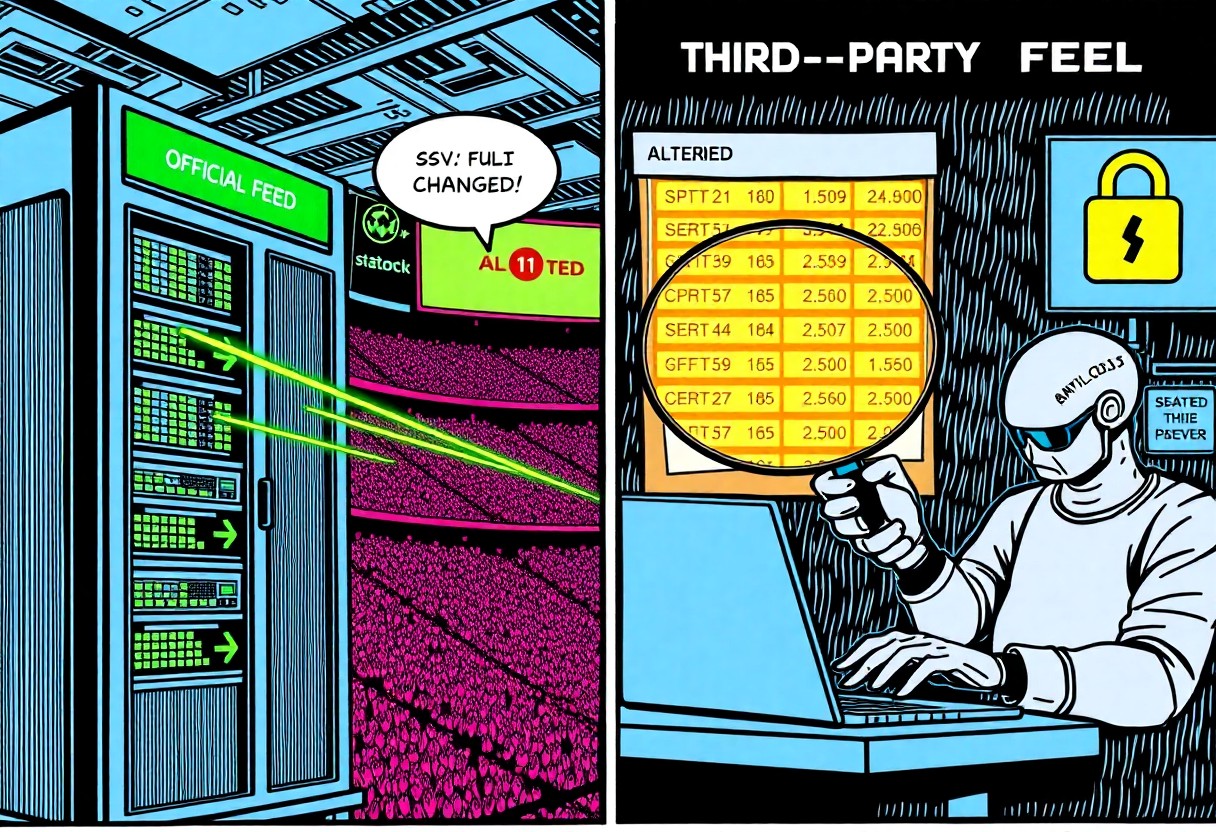
Manipulation of odds data poses significant risks to businesses reliant on third-party feeds. Inaccurate information can lead to poor decision-making, financial losses, and compliance issues. Understanding these dangers is imperative for stakeholders looking to maintain integrity and competitiveness in their operations.
The Architecture of Modern Sports Betting Data Ecosystems
Primary Data Collection Methodologies at the Source
Data collection at the source relies on various methodologies, primarily encompassing direct feeds from official sports leagues and agencies. Automated systems, such as sensors and cameras, capture real-time statistics and outcomes, ensuring accuracy and speed.
Operational modes include manual input from sports officials and digital tracking systems that log every play and event. Reliability hinges on the technology used, making it imperative for sportsbooks to invest in sound data acquisition strategies.
Aggregation Layers and API Integration Hubs
Aggregation layers serve to collate data from multiple sources, streamlining the input into a single cohesive entity. APIs act as the conduits for this data, allowing seamless integration across platforms, which enhances processing speeds and facilitates efficient data management.
API hubs orchestrate the flow of information, enabling sportsbooks and other stakeholders to access up-to-the-minute odds and statistics quickly. This architecture lays the groundwork for real-time betting experiences, making it indispensable to modern sports betting.
High-quality aggregation layers not only combine data but also filter and validate it, mitigating the risks associated with erroneous inputs. The effectiveness of these layers directly impacts the integrity of the betting environment, underscoring their significance in data ecosystems.
The Hierarchy of Official vs. Unofficial Data Feeds
Various data feeds exist within the sports betting framework, categorized into official and unofficial sources. Official data feeds emanate from sanctioned leagues and organizations, providing the most reliable and timely information for sportsbooks.
Contrarily, unofficial feeds often derive from secondary sources and can lack accuracy or timeliness, posing substantial risks in decision-making. Recognizing this distinction is crucial for operators aiming to maintain compliance and credibility in a competitive market.
Operators must treat official feeds with greater importance due to their verified nature, which ultimately enhances trustworthiness in the betting process. Unofficial feeds may offer strategic advantages, yet they can also introduce significant risks, emphasizing the need for careful evaluation when integrating various data sources.
Vulnerabilities in Third-Party Data Transmission Protocols
Inherent Flaws in Legacy JSON and XML Stream Deliveries
Legacy transmission protocols, particularly JSON and XML, often contain architectural vulnerabilities that pose significant risks. These outdated formats lack the necessary security measures to protect against data manipulation, rendering them susceptible to injection attacks and unauthorized access.
Developers frequently overlook imperative validation processes when working with these legacy systems. Such oversights create opportunities for malicious actors to exploit vulnerabilities, leading to compromised data integrity and reliability in odds information.
Encryption Gaps in Last-Mile Data Distribution to Operators
Last-mile data distribution often exposes operators to severe encryption gaps. Many data feeds are transmitted without adequate encryption, which leaves critical information vulnerable during its final leg of delivery. Hackers can easily intercept unprotected data streams, manipulating odds before they reach operators.
Operators depend on these feeds for accurate and timely updates, making any breach particularly damaging. Ensuring robust encryption during this last stretch is not just advisable; it is imperative to safeguard data integrity and maintain trust in the information provided.
Without stringent encryption protocols, last-mile transmissions remain an enticing target for cybercriminals. Minor lapses can lead to catastrophic outcomes, such as financial losses and reputational damage for operators, highlighting the urgent need for enhanced security measures in data delivery systems.
Signal Interception via Unsecured Satellite and Cloud Relays
Unsecured satellite and cloud relays present critical vulnerabilities for data transmission. These channels can be easily accessed by malicious entities if not properly secured, allowing for unauthorized signal interception. Risks escalate when sensitive odds data is transmitted without adequate protections in place.
Operators may inadvertently expose themselves to significant threats by relying on these unprotected relays. Hackers can manipulate or spoof the data, causing widespread misinformation and undermining the integrity of gambling operations and analytics.
Taking advantage of unsecured satellite and cloud systems can lead to severe consequences. Cybercriminals have demonstrated their ability to exploit weaknesses in these channels, often resulting in manipulated data feeds that disrupt operations and erode stakeholder trust.
Types of Data Manipulation: Latency Exploitation and Courtsiding
- Latency exploitation involves taking advantage of transmission delays in data feeds.
- Courtsiding refers to streaming events from a venue to gain insights for betting.
- Both practices distort the fairness of betting markets.
- Sportsbooks face challenges in monitoring and preventing these manipulations.
- Recognizing these issues is necessary for maintaining market integrity.
| Type | Description |
| Latency Exploitation | Exploiting delays to place informed bets ahead of the official odds. |
| Courtsiding | Real-time data streaming from venues to gain betting advantages. |
| Data Integrity | Impact of compromised data feeds on market fairness. |
| Regulatory Oversight | The need for stronger measures to combat exploitation. |
| Player Awareness | Importance of educating bettors about these risks. |
Strategic Use of Micro-Delays in Live Event Reporting
Micro-delays occur when live data feeds are intentionally slowed down, giving some bettors the chance to act on information before others. This tactic creates a disadvantage for those relying on standard data feeds while undermining the reliability of betting markets.
Effectively, those exploiting these micro-delays can influence the dynamics of in-play betting by placing well-timed bets based on delayed information. The result is an uneven playing field where informed bettors thrive at the expense of the uninformed.
The Mechanics of Courtsiding and Information Asymmetry
Courtsiding employs the observation of live events through technology to gain insights, allowing bettors to act swiftly in real-time. This creates an information asymmetry where bettors with immediate insights can outperform those relying on traditional odds feeds.
Being situated within the venue grants courtsiders an unfiltered view of the action, enabling them to place bets that align with the actual state of play, unlike those misled by lagging data feeds. This practice raises ethical concerns regarding fairness in betting markets.
The reliance on timely information is critical in betting, and courtsiding undermines that principle. Without immediate and accurate updates, the integrity of betting is compromised, leading to questions about the legitimacy of outcomes and fairness in competition.
Impact of Latency Arbitrage on In-Play Betting Markets
Latency arbitrage presents significant challenges to in-play betting markets. Bettors who spot discrepancies between data feeds can exploit them, placing advantageous bets that disrupt odds and overall market stability. This creates an environment where informed bettors leverage information gaps for profit.
With constant technological advancements, the speed of information exchange has become necessary. The imbalance created by latency arbitrage not only impacts individual bets but also poses a threat to the integrity of the betting ecosystem as a whole.
Overall, latency arbitrage affects the perception of fairness and trust in betting. It necessitates ongoing scrutiny and improvements in technology to monitor and regulate data feeds effectively.
Sophisticated Feed Injection and Man-in-the-Middle Attacks
Intercepting and Altering Odds Packets in Transit
Hackers can intercept odds packets while they are transmitted between data providers and operators. This vulnerability allows attackers to manipulate the odds before they reach their intended destination, leading to significant financial risks. By using techniques such as packet sniffing, malicious actors can easily extract valuable information or modify the data to benefit themselves.
Impacts of such alterations can be extensive. Operators relying on compromised data may inadvertently make poor decisions based on fake odds, resulting in financial losses or skewed betting scenarios that benefit the attacker.
Spoofing Authentic Feed Sources with Malicious Data Payloads
Attackers frequently deploy methods to impersonate legitimate odds feeds, introducing malicious data into the system. By spoofing trusted sources, they can seamlessly deliver incorrect information to operators, creating chaos in the betting process. Such manipulation can undermine the integrity of betting markets.
Operators exposed to this threat may find themselves unable to differentiate between authentic and fraudulent data. This uncertainty can lead to significant operational disruptions and undermine trust with customers who depend on accurate information.
Recognizing the signature patterns of authentic feeds becomes increasingly difficult as spoofed data mimics real odds. This malicious trajectory not only impacts financial outcomes but also erodes the overall credibility of the betting environment, prompting urgent solutions to fortify data integrity.
DNS Poisoning and Redirecting API Calls to Rogue Servers
DNS poisoning attacks redirect legitimate API calls to rogue servers, allowing attackers to serve altered odds without users being aware. This method exploits vulnerabilities in DNS resolution processes, leading to severe ramifications for operators who trust the integrity of their data sources. By routing data to unauthorized servers, hackers can manipulate odds and outcomes with minimal detection.
Risks associated with this tactic include loss of sensitive information and potential financial ruin. Operators must remain vigilant to identifications and validations to prevent falling victim to this advanced attack vector.
Developing effective strategies against DNS poisoning requires continuous monitoring and real-time threat assessment. Operators should implement DNSSEC (Domain Name System Security Extensions) to ensure data authenticity and maintain secure communications, laying a more resilient foundation against these sophisticated threats.
Algorithmic Bias and Intentional Model Skewing
Manipulation of Underlying Mathematical Probability Models
Third-party odds feeds often rely on complex mathematical models to generate probabilities. Manipulating these models creates skewed odds, manipulating outcomes to favor specific scenarios or teams. This intentional distortion can significantly impact betting strategies, leading to unfair advantages for those who control the data.
Identifying anomalies in these probability models is crucial for maintaining integrity in betting. Creators of these feeds may either unintentionally or purposefully adjust their algorithms, allowing for biased representations of events. Transparency in model development can mitigate some of these risks.
Introducing Synthetic Volatility to Trigger Automated Hedging
Synthetic volatility can be employed to create false perceptions of risk in odds feeds. By simulating greater fluctuations, entities can induce automated hedging responses from competitors. This manipulation can lead to destabilizing market conditions, ultimately harming all stakeholders involved.
Relying on synthetic volatility opens the door for potential abuses, where opportunistic traders exploit the generated noise. Mitigating these effects requires ongoing vigilance and sophisticated monitoring systems to detect irregular patterns that indicate manipulation.
Automated hedging triggered by synthetic volatility can exacerbate market instability. As algorithms react to perceived risks, they may inadvertently amplify volatility, leading to erratic pricing. Such instability creates a challenging environment for bettors and can result in significant financial losses across the board.
Exploiting Black-Box Algorithms through Parameter Tampering
Black-box algorithms, while powerful, often obscure their internal workings. This lack of transparency allows for potential exploitation, as unauthorized changes to parameters can shift outcomes dramatically. Those familiar with these algorithms may manipulate settings to secure favorable odds or outcomes.
Lack of oversight in these algorithms heightens the risks of biased outputs, which can skew perceptions of game results or betting opportunities. Implementing rigorous testing and ethical guidelines can counteract this potential for abuse.
Parameter tampering poses serious risks to the integrity of betting models. By subtly adjusting inputs, malicious actors can produce tailored outputs that distort actual probabilities, creating unjust advantages. Consistent scrutiny of algorithm behavior is crucial to safeguard against such exploits.
The Role of Integrity Monitoring Systems in Detecting Anomalies
Real-Time Pattern Recognition and Outlier Analysis
Pattern recognition algorithms continuously analyze odds data to identify irregularities that may indicate manipulation. Anomalies in betting patterns can flag potential risks early, allowing operators to investigate further.
Outlier analysis enhances data reliability by isolating deviations from standard behavior. These systems can distinguish between legitimate fluctuations and suspicious activities, ensuring that data integrity remains intact.
Cross-Verification Protocols Between Competing Data Providers
Cross-verification enhances the accuracy of odds by comparing information from multiple sources. This process not only highlights discrepancies but also builds a more comprehensive picture of the betting market.
Data from competing providers are scrutinized to confirm consistency, helping to identify potential data tampering. By validating odds through this multi-provider approach, operators can better safeguard their platforms against malicious alterations.
Automated Suspension Triggers for Suspicious Odds Movements
Suspicious odds movements can indicate potential fraud, prompting automatic systems to suspend betting on certain events. Alerts generated by these triggers allow swift response to possible data manipulation.
Emphasis on automated systems ensures that human error is minimized, allowing for immediate action in the face of irregular odds changes. These triggers serve as a frontline defense against illicit activities, enhancing overall operational integrity.
Impact of Compromised Feeds on Market Liquidity and Operator Solvency
Erosion of Player Trust and Brand Reputation Damage
Trust erodes when players perceive discrepancies in odds, leading to a loss of confidence in operators. This skepticism can result in decreased player engagement and reduced lifetime value for businesses reliant on consistent odds presentation.
Brand reputation suffers significantly in the wake of compromised feeds. Negative publicity spreads rapidly, which can deter new players and push existing customers to competitors, impacting long-term sustainability in the market.
Financial Exposure from Palpable Error Disputes and Voided Bets
Financial disputes arise when players contest errors stemming from faulty odds feeds. Operators face substantial risks when managing complaints, often resulting in financial liabilities and the need to void bets.
Handling disputes can drain resources and cause operational inefficiencies. Frequent voided bets erode profit margins and lead to increased operational costs associated with customer service and claims management.
Financial exposure grows with each palpable error. Operators not only face immediate refunds but may also incur long-term damages if players perceive them as unfair. Settlement costs can quickly escalate, undermining financial stability and overall market health.
Cascading Market Failures Due to Correlated Feed Errors
Correlated feed errors can trigger a domino effect, impacting multiple operators simultaneously. This systemic risk can create widespread confusion and volatility in market pricing, ultimately destabilizing entire betting sectors.
As operators react to faulty data, responses can exacerbate market chaos, leading to unpredictable outcomes and loss of liquidity. The interconnected nature of these feeds means that one breach can ripple through the entire industry.
Cascading failures represent a significant threat to market stability. When multiple operators respond to erroneous feeds, the resulting inconsistencies can lead to chaotic betting environments, driving away players and further aggravating liquidity issues.
Regulatory Frameworks and Compliance Standards for Data Providers
Evolution of Licensing Requirements for Data Aggregators
Licensing requirements for data aggregators have become increasingly stringent as the betting industry evolves. Initially, these requirements were minimal, allowing numerous providers to enter the market. However, heightened concerns over data integrity and accuracy have prompted regulators to impose stricter licensing criteria, ensuring compliance with industry standards.
Current frameworks now often necessitate transparency in data collection and reporting processes. This evolution not only protects consumers but also reinforces the credibility of data providers, ultimately impacting the overall reliability of betting operations.
Mandatory Auditing and Certification of Feed Integrity
Mandatory auditing has emerged as a cornerstone for ensuring the integrity of data feeds. Regulatory bodies now require that data providers undergo regular audits to verify the accuracy and reliability of their offerings. Such measures build confidence among stakeholders, ensuring that data manipulations are promptly identified and addressed.
Certification of feed integrity further solidifies trust within the market. By adhering to auditing protocols, data providers can demonstrate compliance with established standards, reassuring both consumers and operators of their commitment to data accuracy.
Auditing processes generally involve independent reviews of data collection methods, accuracy checks, and compliance with regulatory standards. Certification not only validates these efforts but also serves as a benchmark for quality, creating accountability among providers to maintain high standards consistently.
Global Standardization Efforts via International Betting Integrity Bodies
Global standardization efforts have gained momentum through initiatives led by international betting integrity bodies. These organizations strive to create a unified set of standards that all data providers must follow, promoting consistency across different jurisdictions. This push has become imperative as the betting market expands worldwide.
Through collaborative efforts, these bodies facilitate knowledge sharing and best practices among stakeholders, enhancing the overall integrity of data feeds in the betting industry. Establishing common benchmarks helps mitigate risks associated with data manipulation and fosters greater trust in data providers.
These international efforts are critical in creating a cohesive regulatory environment for data providers. By standardizing compliance measures, international bodies can effectively curb discrepancies and protect the integrity of betting operations globally, serving as a strong deterrent against potential manipulation risks.
Cybersecurity Best Practices for Securing Real-Time Odds Streams
Implementing End-to-End Encryption for Feed Delivery
End-to-end encryption ensures that data transmitted between the odds provider and the recipient remains confidential. This method protects against eavesdropping and tampering by encrypting the data at its source and only decrypting it at its destination. Implementing this security measure can significantly reduce the risk of unauthorized alterations during transmission.
Data integrity is maintained as only authorized parties have the decryption keys. Organizations utilizing end-to-end encryption can enhance their trustworthiness with clients, assuring them that their odds data is secure. A thorough review of encryption protocols should be conducted regularly to stay ahead of potential vulnerabilities.
Zero-Trust Architecture in API Infrastructure Management
Zero-trust architecture assumes that threats could originate from both outside and inside the organization. This model requires strict verification for every user and device trying to access the API infrastructure, limiting the risk of unauthorized data manipulation. By continuously validating the security posture of every request, operators can significantly minimize their exposure to threats.
Establishing clear access controls and segmentation within the API environment is critical. This approach restricts the movement of malicious actors if they gain access. Regular audits and real-time monitoring are necessary practices to ensure compliance and identify potential breaches early.
Multi-Factor Authentication and Access Control for Data Terminals
Multi-factor authentication (MFA) adds an additional layer of security by requiring multiple forms of verification before granting access to data terminals. This can include something the user knows, like a password, and something they have, such as a mobile device. Pairing MFA with strict access controls enhances the overall security framework.
Implementing role-based access ensures that users only see data relevant to their functions. This limits exposure to sensitive information, reducing the risk of accidental or malicious data manipulation. Consistent monitoring of access logs can also aid in detecting unauthorized attempts at entry.
Blockchain and Distributed Ledger Technology as Mitigation Strategies
Decentralized Oracles for Verifiable Data Sourcing
Decentralized oracles play a key role in ensuring the authenticity of odds feeds. These oracles fetch and verify data from multiple sources, reducing the risk of manipulation by any single entity. By creating a consensus-driven data acquisition process, they enhance trust in the information provided.
Implementing decentralized oracles allows stakeholders to access transparent and reliable data. This system diminishes the potential for fraud and inconsistency in odds, ultimately leading to fairer betting environments.
Immutable Audit Trails for Historical Odds Records
Immutable audit trails ensure that historical odds records remain unchanged and fully traceable. By employing blockchain technology, odds data can be stored in a format that prevents tampering or alteration. This traceability fosters accountability among data providers.
Stakeholders can verify historical data integrity without relying on the trustworthiness of any single entity. This assurance enhances confidence in betting processes and supports compliance with regulations.
Proponents of immutable audit trails highlight their role in dispute resolution. When discrepancies arise, historical records provide an indisputable reference point, streamlining investigations and reinforcing trust among users.
Smart Contracts for Automated Settlement Based on Validated Truths
Smart contracts automate the settlement process, executing transactions based on verified outcomes. These self-executing contracts rely on predefined conditions to ensure prompt and accurate settlements, thereby reducing the potential for manual errors or disputes.
Implementing smart contracts enhances operational efficiency by eliminating intermediaries. This streamlining accelerates transactions while maintaining a high level of accuracy, benefiting both operators and bettors.
Smart contracts also adapt to various odds sources, allowing for flexibility in implementation. This adaptability ensures that settlements are based on the most current and verified data, reinforcing user confidence in the integrity of the betting process.
Legal Implications and Liability in Data Breach Scenarios
Contractual Indemnity Clauses Between Operators and Providers
Contractual indemnity clauses offer a framework for allocating risks and liabilities between odds providers and operators. These clauses detail the responsibilities in case of data breaches, ensuring that each party understands their obligations and potential financial implications. Operators often seek stronger indemnity protections to mitigate risks associated with third-party data vulnerabilities.
Disputes can arise if indemnity terms are vague or inadequately defined. Clear language outlining what constitutes a breach and the processes for reporting can help reduce ambiguity. Operators need to negotiate these terms carefully to ensure better protection against unforeseen data manipulation risks.
Civil and Criminal Prosecution of Data Manipulators
Civil remedies can be pursued against data manipulators, allowing affected parties to seek damages for financial losses attributed to data breaches. Such actions highlight accountability and urge compliance with data security standards among providers. Legal frameworks vary significantly, impacting the ease with which claims can be filed.
Prosecution may also extend into criminal realms, potentially leading to severe penalties for malicious actors. Various jurisdictions impose strict laws, allowing law enforcement to act against data manipulation, thereby reinforcing the importance of ethical data practices.
Law enforcement agencies are increasingly focused on prosecuting data manipulators under existing cybercrime laws. Penalties can include hefty fines and prison sentences, depending on the severity of the infraction. This approach serves both as a deterrent and a form of justice, emphasizing the seriousness of data integrity in the betting industry.
Jurisdictional Challenges in Transnational Data Disputes
Jurisdictional issues complicate the enforcement of legal actions in cases of data manipulation across borders. Disparate laws and regulations pertaining to data privacy can create conflicts when determining the appropriate venue for disputes. Operators may find recourse limited if the manipulator resides in a jurisdiction with lenient data security laws.
Establishing jurisdiction often requires careful legal navigation, with specific attention to where the data was manipulated and where the harm occurred. Companies must be proactive in understanding these challenges, as jurisdictional missteps can lead to prolonged litigation and potential loss of stakeholder trust.
Challenges multiply when multiple jurisdictions are involved, complicating legal actions and enforcement of judgments. Operators and providers must collaborate to establish clear contractual terms that take into account varying legal standards across regions, ensuring preparedness for any data-related disputes that may arise transnationally.
The Future of AI-Driven Threat Detection in Sports Trading
Predictive Modeling for Identifying Synthetic Market Movements
Predictive modeling plays a key role in discerning synthetic market movements, which can arise from manipulated data streams. Utilizing historical data, models can forecast abnormal trading patterns that indicate potential fraud or disruptions. This proactive approach not only mitigates risk but also enhances overall market integrity.
Analytical algorithms continually refine their predictions based on real-time data inputs, creating a dynamic system that evolves alongside market behaviors. By identifying these anomalies quickly, traders can protect their investments and maintain competitive advantages in the ever-changing betting environment.
Machine Learning for Real-Time Sentiment and Data Correlation
Machine learning algorithms analyze real-time sentiment across various platforms, offering insights into public perception surrounding events. This capability allows traders to correlate sudden shifts in sentiment with market movements, enabling informed decision-making in volatile situations.
Data correlation extends beyond sentiment, integrating various data sources to identify patterns and trends. By synthesizing this information, traders can make anticipatory moves, increasingly aligning their strategies with emerging market dynamics.
Machine learning techniques not only analyze quantitative data but also incorporate qualitative insights. Sentiment analysis tools can capture public reactions on social media or news outlets, translating emotions into actionable metrics. This multifaceted approach enhances the predictive power of the trading models, providing an edge over competitors still relying on traditional analysis methods.
Autonomous Response Systems for Instantaneous Market Halts
Autonomous response systems offer the capability to implement instantaneous market halts when irregularities are detected. Such systems analyze trading volumes, fluctuations, and data integrity in real-time, allowing for swift interventions that protect traders from potential losses.
These automated systems can initiate predefined protocols without human intervention, ensuring rapid responses to threats. This not only safeguards financial transactions but also reassures investors that their trading environment remains secure and trustworthy.
Implementing autonomous systems creates a safety net by removing human delay in crisis situations. Traders benefit from the speed and accuracy of these systems, as they can pause or limit trading activities immediately, thus preventing further aberrations and allowing time for investigation or corrective measures.
Case Studies: Historical Precedents of Odds Manipulation
- 2016 UEFA Euro Championship: Reports of suspicious betting patterns leading to a match-fixing scandal, with over 30 individuals arrested.
- 2018 Australian Open: Unusual odds fluctuations were observed in early rounds, prompting investigations into potential manipulation by insider groups.
- 2020 NBA Game: A game involved significant betting irregularities, leading to a ban on multiple players and a call for tighter regulations on data provisioning.
- 2009 MLB Scandal: The manipulation of odds during games resulted in reported losses of approximately $2 million for sportsbooks.
Analysis of High-Profile Feed Failures in International Tennis
Various high-profile cases in international tennis highlight the vulnerability of third-party odds feeds. For instance, during the 2018 French Open, significant discrepancies between live odds and match outcomes raised alarms, drawing scrutiny from regulators.
Investigations revealed that manipulated data feeds contributed to erratic betting patterns. The fallout involved not just legal action but also a comprehensive review of data integrity protocols across multiple betting firms.
Lessons Learned from Coordinated Syndicate Attacks on Minor Leagues
Coordinated syndicate attacks in minor leagues have underlined the systemic risks in data feeds. One case involved several small-market teams where altered odds led to substantial financial losses for bookmakers.
Analysis revealed a network of individuals systematically targeting weaker leagues, exploiting their lax oversight. The incident prompted stakeholders to reassess their data validation methods significantly.
Given the prevalence of these syndicate attacks, minor leagues have become focal points for risk mitigation strategies. Stakeholders are now prioritizing collaboration to enhance monitoring and prevent manipulation in these less-regulated markets.
Evolution of Countermeasures Following Significant Industry Losses
Significant losses in the betting industry have driven rapid advancements in countermeasures. In response to historical manipulations, many sportsbooks have implemented enhanced algorithms to detect anomalies in odds and betting behavior.
Emerging technologies like blockchain are now being explored to ensure higher transparency in data feeds, ultimately seeking to restore trust within the betting community.
Industry stakeholders are increasingly prioritizing technological adaptations over traditional methods. The shift towards real-time monitoring systems shows promising potential in curbing odds manipulation and safeguarding financial interests.
To wrap up
Hence, data manipulation risks in third-party odds feeds jeopardize integrity and trust in the betting industry. Unverified sources can introduce inaccuracies that lead to financial losses and regulatory penalties. Maintaining strict oversight and employing reliable validation methods are vital to mitigate these risks.
Identifying vulnerabilities within these data channels is imperative for operators. Regular audits, coupled with advanced security protocols, can fortify defenses against potential manipulation, ensuring a dependable betting environment for users.
FAQ
Q: What are the potential risks of data manipulation in third-party odds feeds?
A: Data manipulation in third-party odds feeds can lead to inaccurate betting odds, which affects betting decisions. This can result in financial losses for operators and bettors. Additionally, manipulated data can harm the integrity of sports events and lead to regulatory scrutiny.
Q: How can organizations mitigate the risks of unreliable odds from third-party feeds?
A: Implementing strict validation protocols for incoming data helps identify discrepancies. Regular audits of third-party providers ensure adherence to quality standards. Establishing relationships with multiple data sources can also provide backup options if one source proves unreliable.
Q: What regulatory considerations should organizations keep in mind regarding third-party odds feeds?
A: Compliance with local gambling regulations is important. Organizations must ensure that third-party providers meet regulatory requirements around data accuracy and reporting. Regular updates on regulatory changes help maintain compliance and avoid potential legal penalties.