Strategy in PUBG revolves around aggressive early rotations and securing initial kills to gain a tactical edge. Understanding the dynamics of player movements and first engagement opportunities can dramatically influence match outcomes, making these elements imperative for achieving victory.
The Mechanics of Aggressive Early Rotations
Establishing Priority through Vehicle Spawns
Securing a vehicle early in the match allows for rapid rotations and access to prime looting locations. Players familiar with common spawn points can take immediate advantage, ensuring they can move toward safe zones or high-tier loot without wasting time. Intel on vehicle availability can dictate initial moves, making it imperative to keep an eye on popular landing spots.
Controlling vehicle spawns also provides opportunities for ambushes. Teams that successfully locate vehicles early can position themselves to catch unaware opponents. Timing and decision-making are critical here, as quick rotations can provide a massive tactical edge, especially in intense battle zones.
Optimal Parachuting Techniques for Immediate Control
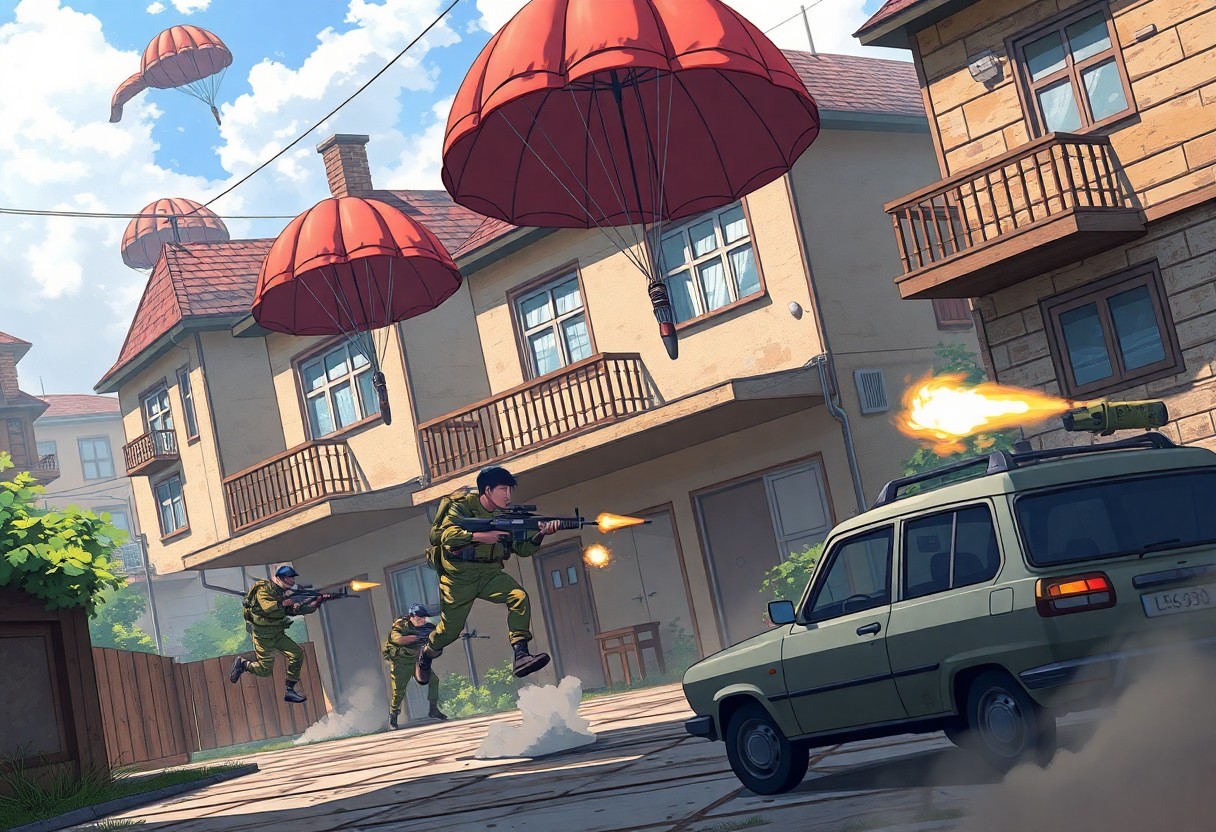
Mastering parachuting mechanics allows players to gain an early upper hand on the competition. By timing jumps perfectly and angling their descent towards key locations, players can land first and secure loot before other squads arrive. Precision in parachuting not only saves time but enables immediate control over the area.
Positioning plays a significant role; diving straight down to targeted rooftops or buildings can provide immediate access to weapons. Calculating the drop distance and making adjustments mid-air ensures quicker landings, allowing first-pick advantages on loot and the opportunity to initiate engagements right away.
Achieving the optimal umbrella technique means controlling height and speed as you descend, maximizing the potential to reach desired spots efficiently. This practice involves maintaining a steady angle while keeping an eye on surrounding rivals. Players that can master parachuting nuances will consistently dominate the initial moments of a match. High ground early can dictate survivor dynamics, shaping subsequent gameplay and engagements.
Identifying High-Value Drop Zones for Early Picks
Hot-Drop Dynamics and Player Density Analysis
Understanding player density in high-traffic areas significantly boosts your chances of securing early kills. Locations like Pochinki or School often attract numerous squads, creating intense skirmishes right from the start. Analyzing flight paths and anticipating the landing zones of opponents can provide an edge in these hot-drop scenarios.
Recognizing peak times and patterns in player behavior can further enhance decision-making. For instance, in more popular maps like Erangel, predicting where players will jump can help you land safely while catching opponents off guard. Expect increased movement around popular areas during the early game.
Predicting Rotational Choke Points and Ambush Locations
Monitoring the terrain and understanding choke points is crucial for successful rotations. Areas such as bridges and narrow pathways are common hotspots for ambushes. Planning your route to avoid these common choke points can prevent unwarranted engagements and ensure safer transitions.
Evaluating previous matches can reveal patterns in player movement, especially around the edges of the play zone. Noting the frequent encounters at these locations will help you anticipate enemy actions, allowing for strategic positioning or surprise attacks on unsuspecting players. Focus on terrain advantages to maximize your positioning against opponents.

Vehicle Prioritization and Pathing Efficiency
Speed vs. Cover: Selecting the Right Transport for Initial Pushes
Choosing the right vehicle for early rotations is necessary in defining your team’s strategy. Fast options like motorcycles may offer speed but lack cover, making them risky during initial pushes. Conversely, armored vehicles provide more protection but can be cumbersome, affecting your team’s mobility.
Analyzing the game’s current situation, including enemy positions and safe zones, can guide your choice. Balancing speed with cover effectively can significantly influence survival rates during early skirmishes, positioning your team advantageously as the match progresses.
Off-Road Navigation to Bypass Common Gatekeeps
Utilizing off-road paths can dramatically reduce encounters with gatekeepers in tight zones. These alternative routes often allow players to move unnoticed while outmaneuvering opponents who expect vehicular traffic on main roads. Knowledge of the terrain not only provides a tactical edge but also opens up opportunities for surprise engagements.
Exploring less-traveled paths is effective for avoiding heavy contention in the late game. Identifying natural cover-like hills or dense foliage-enhances your team’s chances of ambushing opponents or regrouping strategically. Prioritize scouting off-road options to stay ahead of the game.
Analyzing First Kill Markets in Competitive Betting
Understanding Odds and Probability in Professional Play
Odds in professional play reflect the underlying probabilities of specific outcomes. Accurate assessments of team performance metrics inform these odds, allowing bettors to evaluate potential returns. Effective analysis incorporates historical data and player form to enhance decision-making.
Calculating probabilities involves a blend of statistical scrutiny and insights from recent matches. Teams that showcase consistent aggression or demonstrate superior combat skills typically attract higher odds, marking them as preferable options in betting markets.
Identifying Aggressive Team Profiles and Individual Slayers
Aggressive teams often prioritize early confrontations, influencing their gameplay strategy significantly. Characterized by high kill counts and quick rotations, these teams excel under pressure, shaping the betting landscape. Individual slayers within these squads frequently turn the tide, making their performance crucial for bettors.
Determining profiles of aggressive teams requires observation of their playstyle and historical success in early engagements. Notable players who consistently secure first kills create a reputation, further driving interest in first kill markets.
Understanding individual slayers is necessary for identifying impactful players who can swing matches through decisive early eliminations. Teams with standout aggressive players tend to optimize their odds, as these individuals consistently influence match dynamics and betting opportunities.
Impact of Circle RNG on First Blood Statistics
The randomness of circle placement consistently impacts how teams strategize their movements and engagements. Teams with the flexibility to adapt their routes often capitalize on advantageous positions, highlighting the importance of circle RNG in determining first kill markets.
Tactical Execution for Securing the First Blood
Split-Drop Strategies for Maximum Map Coverage
Executing a split-drop strategy allows teams to quickly cover adjacent areas of the map. By dispersing players across varied locations, squads can gather loot more efficiently while maintaining map awareness. This tactic minimizes competition for resources in the initial phases of the game.
Different zones yield different loot opportunities, affecting the gear available for early encounters. Prioritizing high-loot areas while ensuring teammates are within a specific radius can lead to advantageous positionings during the crucial initial skirmishes.
Utility Usage in Early-Game CQC Scenarios
Effectively using grenades and smoke early on can tip encounters in your favor. Smoke grenades create cover for healing or flanking while enemies are engaged. Employing grenades to disorient foes or flush them out of advantageous positions can also give your team the upper hand.
Combining utility with well-timed pressure forces opponents into uncomfortable situations. Team members should coordinate the use of utility for maximum impact, whether it’s disrupting a push or forcing the enemy to relocate. This synergy can secure that early kill imperative for establishing momentum.
This coordination between utility and firearm engagement requires sharp communication. Teams should develop a clear plan for when and how to deploy utility, ensuring that everyone understands their role during high-pressure moments. Practicing these tactics can lead to higher success rates in securing first blood.
The Crash Strategy: Forcing Engagements on Compound Rotations
Implementing the crash strategy requires timing and aggression to create opportunities in compounding zones. This tactic involves rushing compounds that other teams are rotating toward, surprising them with a strong offensive. Teams must be ready for quick engagements to capitalize on unsuspecting foes.
Executing the crash strategy necessitates precise information gathering. Players should scout enemy movements and choose the optimal moment to initiate a fight, ensuring maximum efficacy in their approach. Taking control of compounds early gives a significant positional advantage for the remainder of the game.
Effective communication underpins the crash strategy, with players relaying enemy locations and movement patterns clearly. This organized approach allows for an aggressive push that can catch opponents off-guard. Successfully forcing engagements not only nets early kills but also establishes your team as a formidable presence on the map.
Risk Management and Resetting After Early Engagements
Balancing Kill Points with Placement Longevity
Prioritizing early kills can drive aggressive gameplay, but sacrificing position for points can lead to vulnerability. Evaluating the trade-off between gaining kill points and ensuring a safe zone placement is crucial for long-term success.
Survivability often outweighs early aggression when games progress into the late stages, where placement points become increasingly significant. Understanding when to disengage from fights helps maintain momentum while progressing towards the endgame.
Loot Efficiency and Resource Management Following Skirmishes
Post-engagement, optimizing loot becomes imperative for sustaining durability and firepower. Quickly evaluating fallen foes’ gear allows players to prioritize crucial items and discard unnecessary weight.
Effective resource management ensures that players not only recover from skirmishes but also set up for future encounters. Each engagement affects ammunition, healing items, and armor, necessitating strategic thinking to stay prepared.
Looting swiftly while scanning the environment for threats alleviates pressure from potential third-party encounters. Teams that maximize gear acquisition without sacrificing their defensive posture create opportunities for further aggressive plays. Engaging with calculated loot efficiency can transform a fragile start into a sustainable ascent through the match.
Summing up
Aggressive early rotations in PUBG offer players a strategic advantage, allowing for quick positioning and control over key areas. Securing early kills not only reduces competition but also boosts morale and resource acquisition, giving teams a solid foundation for the mid to late game.
Prioritizing first-kill markets can decisively impact an encounter’s outcome. Players who capitalize on early aggression often dictate engagements and pressure enemies. Mastering this approach enhances overall gameplay effectiveness and creates opportunities for victory.