






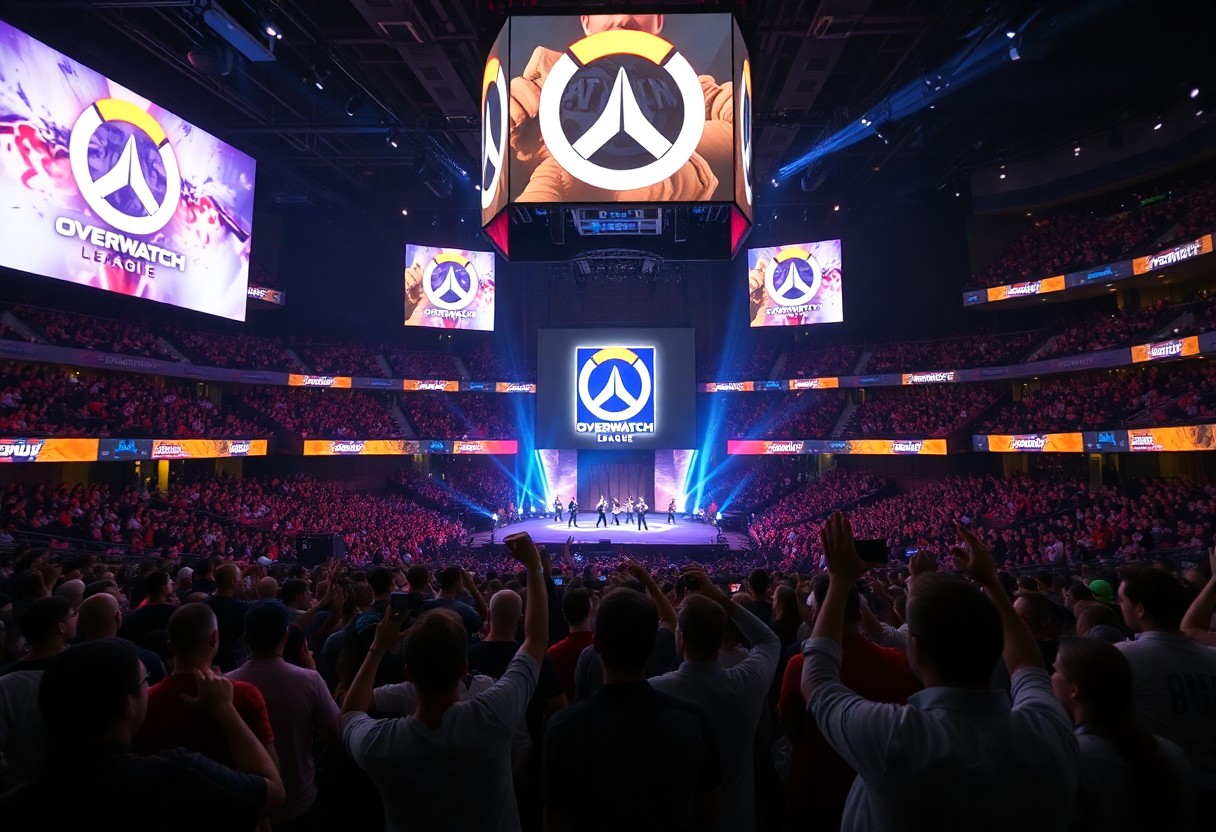
It’s fascinating to witness the meteoric rise and subsequent decline of the Overwatch League (OWL), a professional esports organization that once seemed poised to define the future of competitive gaming. Founded in 2016 by Blizzard Entertainment, OWL emerged as a pioneer in the drive to professionalize esports, offering city-based teams, a structured league format, and significant financial backing. For a while, the league thrived on the success of its flagship game, Overwatch, attracting millions of fans and hundreds of thousands of spectators during live events. However, various factors have led to a downturn in both the league’s popularity and performance, sparking questions about the future of Overwatch esports.
Initially, OWL captured the excitement of traditional sports fans and gamers alike with its innovative approach. The league structured its format similar to major sports leagues, offering franchises and local affiliations to create a sense of community. Teams like the London Spitfire, Philadelphia Fusion, and New York Excelsior built strong identities alongside the game, garnering loyal fanbases. Significant investments by team owners and partnerships with sponsors contributed to the league’s initial financial health, showcasing a model that seemed sustainable and scalable.
However, the bloom faded for OWL as several significant challenges emerged. First, changes in the gaming landscape affected player engagement, with battle royale games like Fortnite and Apex Legends drawing attention away from team-based shooters. Despite regular updates and new content releases from Blizzard, Overwatch struggled to retain its player base, which saw a decline in both active players and viewership numbers. In 2019, a record-breaking 12 million people tuned in for the Grand Finals; by 2022, viewership had dropped significantly.
Additionally, the pandemic created further complications, forcing the league to adapt to challenges of remote play and limiting the spectacular in-person experiences that audiences had come to expect. While OWL tried to pivot, transitioning to online play and reducing the schedule, the changes did little to rekindle the excitement that originally attracted viewers and sponsors alike. Like many esports leagues, OWL faced the difficulty of maintaining steady audience engagement during an unprecedented period of instability.
The culmination of these factors led to the league’s transition into a new format. While OWL still exists, with ongoing plans for a restructured approach, it’s now clear that the previous model is not sustainable. Blizzard decided to shift its focus towards the Overwatch 2 ecosystem, which greatly impacts the promotion of competitive play. With the advent of OWL 2023, the original league structure has been overhauled, allowing more flexibility for teams and a better alignment with the evolving gaming landscape.
What’s next for Overwatch esports remains to be seen. The adaptation to OWL’s new format provides a fresh start, focusing on grassroots efforts and regional competitions to engage more with the player community. As Overwatch continues evolving, both in terms of gameplay and the esports scene, the hope is that this revitalization will rekindle fan interest and sponsorship, allowing the league to re-establish itself as a pivotal force in the esports industry.