



With its explosive rise in popularity since its launch, League of Legends has not only redefined competitive gaming but has also sparked a revolution in live streaming. The game’s dynamic gameplay and engaging community have motivated countless players to share their experiences, knowledge, and strategies through platforms like Twitch and YouTube. This blog post explores how League of Legends has influenced the evolution of streaming culture, providing insights into the opportunities it has created for aspiring entertainers and gamers alike.
The Rise of League of Legends and Its Impact on Streaming Culture
Since its release in 2009, League of Legends has not only transformed the landscape of gaming but also redefined streaming culture. The game’s intricate mechanics, diverse champions, and constant updates have captured the attention of millions of players worldwide. This engagement has led to an explosion in popularity for platforms like Twitch and YouTube, where gamers flock to showcase their skills, learn strategies, and engage with their communities. As League of Legends became a staple of digital entertainment, it laid the foundation for a new generation of content creators who saw an opportunity to turn their passion into a profession.
The Immersive Experience of Gameplay
The immersive nature of League of Legends draws players into its fantastical universe, providing an experience that transcends typical gaming. Players become deeply invested in their champions, forging emotional connections as they strategize, execute tactics, and celebrate victories. This engagement not only fuels individual gameplay but also enhances the streaming experience, as viewers are eager to learn from others and engage in discussions about their shared passion. The rich lore and ever-evolving gameplay offer a backdrop that keeps viewers returning, craving more content and connection.
The Role of Competitive E-Sports in Viewership
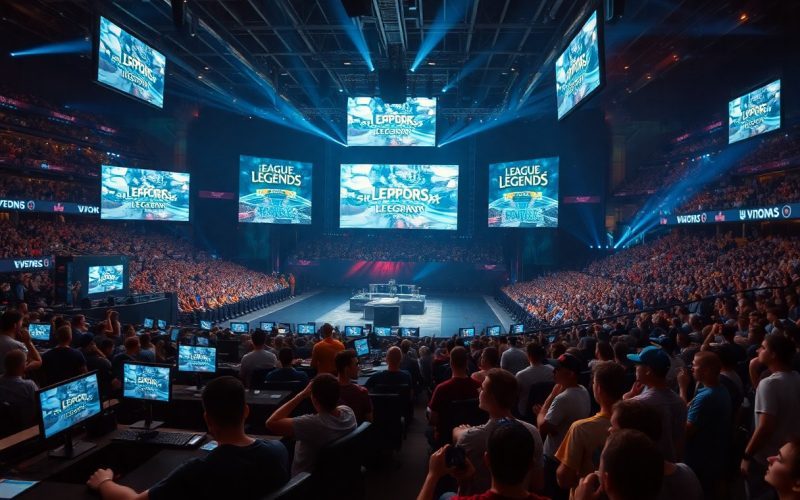
Competitive e-sports have played a pivotal role in elevating League of Legends’ viewership. Major tournaments, such as the League of Legends World Championship, attract millions of viewers, often rivaling traditional sports events. Game developers have nurtured the competitive scene, investing significantly in leagues, sponsorships, and production quality. This professionalism not only legitimizes gaming as a competitive sport but also attracts aspirational players and fans who support their favorite teams and streamers, further intertwining the worlds of gaming and streaming.
The rise of League of Legends as a competitive e-sport has created a vibrant ecosystem that benefits both players and streamers alike. Events like the League of Legends World Championship generate staggering viewership numbers—over 100 million unique viewers tuned in for the finals in recent years. This massive audience provides an incredible platform for streamers, especially as they build a fanbase eager to watch their favorite players, learn tactics, and discuss upcoming tournaments. As streaming platforms become the go-to spaces for live entertainment, the convergence of gaming and competitive e-sports offers streamers significant opportunities to monetize their content, engage followers, and contribute to the ever-expanding culture surrounding League of Legends.
Influencing the Next Generation of Streamers
League of Legends has more than just reshaped the gaming landscape; it has propelled a wave of aspiring streamers eager to create their own digital footprints. The game’s vibrant community, coupled with high-stakes competitions, has inspired countless players to turn their passion into content creation. With platforms like Twitch seeing an explosive growth in viewership, aspiring streamers find themselves equipped with countless examples of successful League-themed channels, showcasing the potential for building a unique brand rooted in personal gameplay and community connection.
Breaking Barriers: Accessibility for Aspiring Creators
The rise of League of Legends has democratized streaming, making it more accessible than ever for aspiring creators. Tools like OBS and straightforward platform integrations lower the technical hurdles, enabling almost anyone with basic gaming hardware to broadcast their gameplay. This burgeoning accessibility means that passionate gamers from diverse backgrounds can share their insights, skills, and personalities with the world, fostering a wide array of content that resonates across demographics.
Community Engagement and Viewer Interaction
Engagement with the community has become a cornerstone of successful streaming, particularly among League of Legends content creators. Streamers leverage their platforms not just for gameplay but to build a vibrant community around shared interests. Real-time interactions, such as responding to chat messages and hosting viewer games, encourage active participation and foster deeper connections. In fact, statistics show that streamers who maintain high viewer interaction often see substantial boosts in follower counts, emphasizing the importance of creating an inclusive atmosphere.
Community engagement in League of Legends streaming goes far beyond simple interactions during gameplay. Streamers often organize tournaments, community events, and even giveaways, inviting their viewers into a shared gaming experience that elevates the standard of content. Collaborative streams, where multiple creators play together, not only enhance entertainment value but also allow viewers to form connections with each other and the streamers themselves. As a result, these communal activities not only create a sense of belonging but also contribute significantly to a streamer’s growth and longevity on platforms like Twitch and YouTube.
Monetization Strategies Aligned with League of Legends
Streamers have effectively harnessed various monetization strategies to turn their passion for League of Legends into lucrative careers. Through a mix of subscriptions, sponsorships, and unique content offerings, they create diverse revenue streams that resonate with their dedicated fanbase. By aligning their strategies with League of Legends, streamers tap into a vibrant community, ensuring that engagement and profitability go hand in hand.
Subscription Models: How Streamers Profit from Their Content
Many streamers utilize subscription models to generate consistent income from their followers. Platforms like Twitch offer tiered subscription options, allowing fans to support their favorite streamers while gaining exclusive perks like emotes, custom badges, and ad-free viewing. Top League of Legends streamers can earn hundreds to thousands per month from subscriptions alone, depending on their follower count and engagement levels.
Sponsorship Deals: The Business Side of Streaming
Sponsorship deals have become a significant avenue for streamers to enhance their earnings and amplify their reach. Major brands recognize the vast audience that League of Legends streamers attract, leading to partnerships that can be financially rewarding for both parties. Champions of the game often sign contracts that provide them with thousands in monthly payments, free merchandise, or even significant bonuses tied to their streaming performance.
Brands such as gaming peripherals companies and energy drinks frequently collaborate with streamers, designing tailored promotional campaigns that resonate with the gaming community. A prime example is the partnership between League of Legends streamers and gaming mouse manufacturers, where streamers demonstrate the products during gameplay. This strategy not only boosts sales for brands but also enhances the streamer’s credibility and visibility in the gaming sphere, creating a win-win scenario. As League of Legends continues to thrive, streamers are likely to see increasing opportunities for lucrative sponsorship deals that capitalize on their growing influence and devoted fanbase.
The Evolution of Streaming Platforms Fueled by League of Legends
League of Legends played a pivotal role in the rise of streaming platforms, leading to a surge of interest in live gaming content. As more players and fans flocked to online broadcasts, platforms adapted to accommodate a growing audience eager for interactive experiences. The game’s competitive scene amplified viewer engagement, prompting streaming services to enhance their infrastructure and accessibility for both streamers and spectators alike. This dynamic shift not only transformed viewer habits but also influenced platform features specifically tailored to the gaming community’s needs.
Twitch’s Growth as a Gaming Hub
Twitch emerged as the premier platform for gaming streams, with League of Legends serving as one of its flagship titles. By 2018, the platform reported over 15 million daily active users, largely thanks to its vibrant esports scene. The synergy between the game’s community and Twitch’s user-friendly features, such as customizable alerts and subscriber interactions, solidified its status as the go-to hub for gamers and fans alike. Streamers capitalized on this growth, leveraging the platform’s tools to build loyal follower bases and monetize their content effectively.
Rival Platforms and Their Innovations
As Twitch became the dominant player, rival platforms like YouTube Gaming and Facebook Gaming began innovating to carve out their niches. YouTube Gaming integrated seamless video-on-demand features, allowing streamers to repurpose content easily, while Facebook Gaming focused on community building through social interactions. For instance, Facebook introduced the “Stars” system, allowing viewers to financially support their favorite streamers directly during live broadcasts. These innovations stimulated competition, leading all streaming platforms to enhance viewer experience while catering to diverse gaming communities.
Rival platforms have not only sought to keep pace with Twitch but have also introduced notable innovations that further the streaming experience. YouTube Gaming’s emphasis on user-generated content allows creators to post edited highlights or tutorials alongside live streams, appealing to a broader range of viewers. Meanwhile, platforms like Trovo have focused on gamifying interaction through features such as “Treasure Boxes,” which reward viewers for engagement. These advancements demonstrate an ongoing commitment to evolving the streaming landscape in response to gamer preferences and behavior, ultimately enriching the content available to audiences around the world.
Personal Stories: Streamers Who Rose through the League of Legends Phenomenon
The rise of League of Legends has created a plethora of success stories among streamers who turned their gaming skills into lucrative careers. For instance, Tyler1, once infamous for his toxic behavior, transformed into a beloved gaming personality, amassing over 4 million followers on Twitch. Another notable example is Pokimane, whose engaging content and interactions have made her one of the most recognizable figures in the streaming community. These narratives showcase the varied paths streamers have taken, capturing the essence of dedication, skill, and the community spirit ignited by League of Legends.
From Silence to Stardom: Transformative Success Journeys
Many streamers began their journey in anonymity, discovering their voice and audience through League of Legends gameplay. For example, Ljay, a former college student, gained popularity as he honed his skills while sharing entertaining commentary and strategies. As viewers gravitated towards his channel, what started as a few dedicated followers quickly morphed into a thriving community, culminating in partnerships with major brands. These stories illustrate how talent, authenticity, and a bit of luck can ignite the ascent from obscurity to online fame.
Lessons Learned: The Emotional and Financial Payoffs
Engaging with the League of Legends community not only provides streamers with financial benefits but also emotional rewards. Many content creators describe their journey as a rollercoaster of experiences, with the exhilaration of wins juxtaposed against the frustrations of losses. Financially, successful streamers often see their income skyrocket as they build a business model around their brand, leveraging subscriptions, merchandise sales, and sponsorship deals. Such transformations highlight an important dimension—balancing emotional investment with the ever-evolving financial landscape of streaming.
Streamers have reported significant emotional gains beyond just financial ones, finding camaraderie and support within their gaming communities. For instance, a study by Newzoo indicated that 47% of gamers feel a strong emotional connection with their favorite streamers, leading to increased viewer retention and loyalty. This emotional aspect can be as important as the monetary rewards, with many creators emphasizing the joy derived from connecting with audiences and sharing passion. The journey through League of Legends not only enriches them financially but builds lifelong relationships with fans and fellow gamers alike.
Summing up
Conclusively, League of Legends has profoundly influenced a new generation of streamers, serving as a catalyst for the rise of gaming content creation. With its engaging gameplay, expansive lore, and competitive community, the game has sparked an interest in broadcasting, allowing players to showcase their skills and connect with audiences worldwide. This phenomenon has not only expanded the reach of esports but also fostered a diverse streaming landscape where creativity and interaction thrive, paving the way for aspiring content creators to carve out their niche in the ever-evolving digital space.