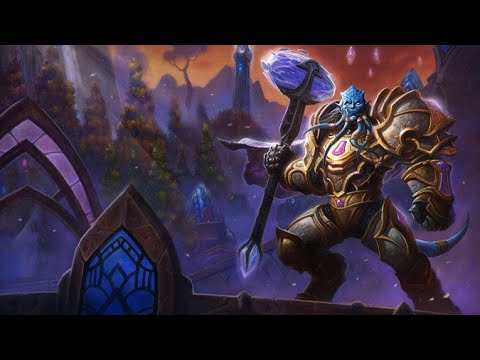




TBC has been a significant part of the World of Warcraft (WoW) franchise, representing the first major expansion of the game, launched back in 2007. It introduced players to the shattered world of Outland, transforming the gameplay experience with new races, classes, and an engaging storyline. As the gaming landscape evolves, particularly with the dominance of the retail version of WoW, many players wonder about the relevance of TBC and its place in the current gaming ecosystem.
The retail version of WoW, often referred to simply as “Retail,” has seen continuous evolution since its release, marked by frequent expansions, updates, and shifts in game mechanics. Many modern players are drawn to Retail for its enhanced graphics, streamlined gameplay, and ongoing content delivery. The introduction of features such as allied races, dynamic world events, and a robust questing system attracts a broad audience, keeping the player base engaged and excited. However, this continuous development and the pursuit of innovation can also lead to a sense of detachment from the classic elements that made WoW great in the first place.
This is where TBC, along with other classic formats like WoW Vanilla, holds a unique appeal. For many players, TBC represents a nostalgic return to a simpler, yet more challenging gaming experience. The original content, community-focused gameplay, and slower progression mechanics resonate with those who yearn for the days when teamwork and preparation were vital to success. The thrill of encountering difficult bosses and strategizing for raids instills a sense of accomplishment that can sometimes feel absent in Retail, where the convenience of questing and gear acquisition can dilute the experience.
Additionally, TBC nurtures a dedicated community of players who are drawn to its unique offerings. The shared experiences of grinding reputations, running dungeons, and working through the iconic phases of content can create bonds and friendships that stand the test of time. Guilds formed during the TBC era often maintain a strong sense of identity and loyalty, fostering an environment where players can revisit cherished memories while still taking part in the ongoing evolution of the WoW universe.
In this retail-dominated world, the existence of TBC serves more than just nostalgia; it offers an alternative for players who crave a more traditional MMORPG experience. Blizzard’s decision to provide classic servers, including TBC, demonstrates their understanding of this diverse player base. By catering to the differing preferences of gamers, they ensure that players can choose how they wish to experience the rich lore and gameplay of the Warcraft universe.
Ultimately, while Retail may capture the bulk of players with its fresh and evolving content, there is undoubtedly still a place for TBC. The appeal of its gameplay and the strong community surrounding it ensure that it remains a vibrant part of the WoW experience. As long as there are players who seek the thrill of challenge and the charm of nostalgia, TBC will continue to thrive in a world dominated by the latest and the greatest.