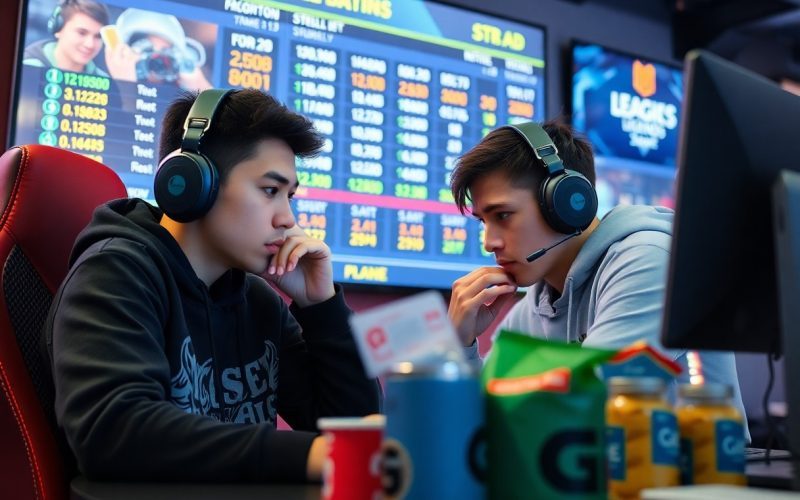




It’s imperative for League of Legends teams to develop synergy to achieve success in competitive play. Synergy involves the harmonious collaboration of players, ensuring that their individual strengths complement each other effectively. This blog post will explore the various methods and strategies teams use to foster improved communication, establish roles, and enhance their understanding of the game, all of which contribute to a unified gameplay experience. By entering into the intricacies of team dynamics, readers will gain insights into what sets successful teams apart in the high-stakes environment of League of Legends.
The Foundation of Team Composition
Building a cohesive team in League of Legends relies heavily on a solid foundation of team composition. This involves strategically selecting champions that can complement each other’s strengths and weaknesses. A well-rounded composition typically includes a balanced mix of damage dealers, tanks, and crowd-control effects, ensuring that the team can adapt to various in-game scenarios. Incorporating both offensive and defensive capabilities allows teams to execute their strategies effectively, whether it’s engaging in team fights, splitting lanes, or defending objectives. Successful teams analyze their composition and the enemy’s to capitalize on synergies.
Role Specialization and Its Importance
Each player in a League of Legends team must excel in their specific role, such as top lane, jungle, mid lane, ADC, or support. Mastery of these roles ensures that individual players can focus on their responsibilities, contributing effectively to the team’s overall strategy. For instance, a well-prepared jungler can secure crucial objectives and provide lane support, while a competent ADC focuses on damage output during fights. This specialization fosters not only individual skill development but also promotes a deeper understanding of how various roles interact within the game’s dynamics.
Balancing Skills and Personalities
Effective team synergy requires more than just technical skill; personality balance plays an integral role as well. Players with differing communication styles, attitudes toward competition, and emotional temperaments must learn to coalesce to prevent conflicts and promote teamwork. A mix of aggressive and laid-back players can create a healthy tension that sparks strategic innovations but also risks miscommunication if not managed properly. Teams often benefit from having players who can adapt to varying situations, whether it’s stepping up during high-pressure moments or offering a calming presence during tense matches.
A study of successful teams reveals that personality balance can enhance performance significantly. For instance, player interviews from top teams highlight how interpersonal dynamics influence in-game decision-making and motivation. When players understand each other’s emotional triggers and strengths, they can align their strategies more effectively. This balance translates to better teamwork and synergy, allowing roles to mesh seamlessly during gameplay. A well-functioning group often emphasizes collaboration and adaptability, showcasing that it’s not just skill that builds a winning team, but the collective mindset of its members.
Communication: The Heartbeat of Cohesion
In the fast-paced world of League of Legends, communication serves as the backbone of team synergy. Effective dialogue not only fosters trust among players but also ensures strategic alignment during intense gameplay. Whenever players share their thoughts on targets, map movements, or potential threats, it helps create a cohesive unit that can outmaneuver opponents. Teams that prioritize open lines of communication tend to achieve greater success, as they can adapt quickly to opponents and execute plans seamlessly, whether during online scrims or official tournaments.
Establishing Effective In-Game Signals
Creating a set of in-game signals helps streamline communication and reduces the need for vocal calls during crucial moments. Effective teams often implement a series of pings or shortcuts that convey intent clearly and concisely, such as indicating a desire to engage, retreat, or rotate. For example, using a specific ping to signal an attack can prompt an immediate response, allowing all team members to synchronize their actions without confusion.
The Role of Non-Verbal Communication
Non-verbal communication plays a significant role in League of Legends, where visual cues can relay vital information without uttering a single word. Body language, such as champion positioning and movement patterns, provides teammates with context about an impending fight, a gank, or a defensive stance. Additionally, the use of in-game mechanics—such as ward placement and grouping strategies—conveys intent and builds synergy, ensuring players are always on the same page, even in high-pressure situations.
For instance, a well-timed ward can signal to teammates that a player is about to engage, while failure to place wards might hint at a defensive strategy. When players read these non-verbal cues correctly, they collectively react in a more coordinated fashion, enhancing their overall effectiveness. Mastering these subtle communicative elements sets top-tier teams apart, allowing them to anticipate enemy movements and tighten their gameplay for maximum impact.
Synergy Through Shared Strategies
Shared strategies form the backbone of successful League of Legends teams, allowing players to operate seamlessly within a given framework. By establishing common tactics and game plans, players can anticipate each other’s actions, respond fluidly to enemy movements, and coordinate their abilities for maximum impact. Well-defined strategies not only enhance individual performance but also create a unified front that can outmaneuver adversaries during critical moments in the game.
Developing a Unified Playstyle
A unified playstyle is vital for fostering team synergy. Teams often evaluate their roster’s strengths and weaknesses to craft a cohesive approach to gameplay. By combining different champion abilities and playing to individual players’ skills, teams create an identity that drives their strategy in both macro and micro plays. This shared understanding cultivates trust and confidence among team members as they navigate complex game scenarios together.
Creating a Playbook for Situational Adaptation
Having a playbook allows teams to adapt to varying circumstances during matches. It acts as a go-to guide for different scenarios, offering strategic adjustments depending on the enemy composition or game state. Detailed notes can highlight specific strategies for objectives, team fights, and even counter-picks, enabling quick decision-making. Such a resource reinforces the foundation of synergy as players rely on a documented approach that has been tested and proven effective in real gameplay.
A comprehensive playbook undergoes continuous updates, framing strategies not just around a static gameplay style but also around dynamic adaptations necessary within a match. By including breakdowns of specific scenarios—like a late-game siege versus an early-game skirmish—teams can prepare for a range of possibilities. This level of preparedness encourages proactive thinking, which is vital for executing seamless plays. A well-maintained playbook not only enhances performance but also deepens the connection between players as they commit to learning and evolving their team’s strategies together.
The Psychological Component: Trust and Empathy
To maximize their potential, League of Legends teams must cultivate a psychological framework that emphasizes trust and empathy. These elements enable players to connect on a deeper level, allowing for more fluid gameplay and better decision-making. Without a foundation rooted in these psychological aspects, teams can struggle to coordinate effectively and may falter during high-pressure situations. Understanding the intricacies of player relationships can significantly impact a team’s performance both in and out of game scenarios.
Building Trust Within the Roster
Trust among teammates develops gradually through consistent practice, shared goals, and open communication. Teams that actively engage in team-building exercises, such as group discussions or strategic reviews, aid in establishing a solid bond. For example, teams like T1 and G2 Esports have emphasized building rapport off the rift, which translates into increased confidence and collaboration during matches. This trust allows players to make bold plays, knowing their teammates will follow suit.
Fostering Empathy for Team Dynamics
Empathy is vital for understanding individual strengths and weaknesses within a roster. By fostering a culture of empathy, players become more attuned to each other’s emotional and psychological states, leading to better in-game support. Teams such as Team Liquid have implemented regular check-ins, aimed at encouraging players to discuss their feelings and experiences, creating an environment that prioritizes emotional well-being. This practice not only enhances interpersonal relationships but also strengthens strategic alignment, allowing teams to function cohesively during high-stakes matches.
By focusing on empathy, teams can better navigate the complexities of their dynamics, resulting in improved collaboration on strategic plays. For instance, when a player struggles with a particular champion, teammates can empathize by providing support and adapting strategies to bolster that player’s performance. This understanding allows for more flexible team compositions and game plans, where each player’s role is maximized. Ultimately, fostering empathy leads to a resilient team environment, where individuals feel safe to express themselves and take calculated risks, benefitting the group as a whole.
Learning from the Competition: Analyzing Opponents
Analyzing opponents is a key component of building synergy within League of Legends teams, as it informs strategies and gameplay adaptations. This process involves studying rival teams’ strengths, weaknesses, and habitual tactics. By dissecting past matches and gameplay patterns, teams gain valuable insights that can guide their own performance and decision-making on the Rift.
Scouting for Tactical Insights
Scouting allows teams to uncover tactical insights by examining their competitors’ hero picks and playstyles. Detailed analyses of the enemy’s compositions in both the laning phase and late-game scenarios reveal preferred strategies and potential counterplays. Utilizing tools like replay analysis and data aggregation sites contributes to a thorough visual understanding of opponents, enhancing preparation and competitive readiness.
Adapting Team Strategies Based on Competitor Trends
Adapting strategies in response to competitor trends can significantly shift a team’s performance trajectory in League of Legends. For instance, if a team consistently notices an opponent’s reliance on heavy engage compositions, they might adjust their own playstyle to focus on ranged disengagement and sieging tactics. By aligning their picks and bans to counter prevalent meta strategies of rival teams, they secure a tactical edge, increasing their chances for victory.
This strategy adaptation is not only reactive but also proactive, as teams evaluate the evolving meta influenced by champions commonly employed by their rivals. By incorporating versatility into their roster selections and embracing non-traditional playstyles when necessary, they can exploit unanticipated advantages during competitions. A case in point occurred during the 2023 Spring Split when Team X shifted their focus toward enchanter supports, catching opponents off guard and leading to a series of surprising victories. Continuous adaptation to competitor trends thus plays a vital role in maintaining a competitive edge and fostering team synergy.
Final Words
Hence, the successful formation of synergy within League of Legends teams requires a blend of effective communication, complementary skill sets, and shared strategies. Teams that invest time in understanding each player’s strengths and weaknesses, along with fostering a collaborative environment, often showcase enhanced performance and adaptability in matches. Continuous practice, analyzing gameplay, and building mutual trust further solidify these synergies, ultimately leading to improved cohesion and success in competitive scenarios.