








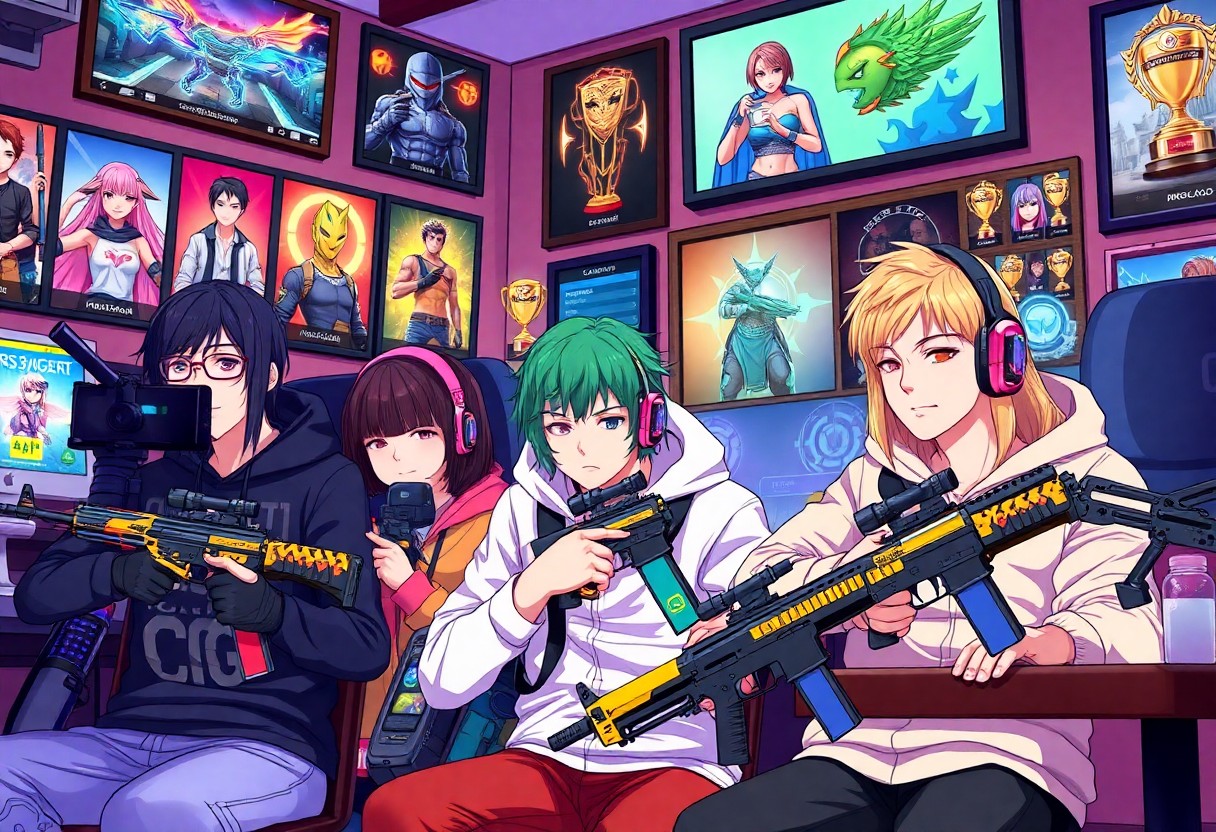
Many gamers recognize that the introduction of CS:GO skins has fundamentally altered the landscape of gaming culture. Initially perceived as mere cosmetic enhancements, these virtual items have evolved into a complex ecosystem involving trading and real-world finance. This transformation has not only encouraged player engagement but also sparked discussions around value, ownership, and the economics of digital goods. As we explore the impact of CS:GO skins, we can better understand their role in shaping contemporary gaming experiences and the broader implications for the gaming community at large.
The Birth of a Marketplace: CS:GO Skins and Their Economic Impact
Since the introduction of CS:GO skins in 2013, a bustling secondary market emerged, reshaping the relationship between gaming and economics. Players began viewing skins not merely as decorative items but as potential assets with real-world value. This was a game-changer, sparking significant transformations within the gaming community and elevating digital goods to a legitimate form of commerce. The introduction of marketplaces like the Steam Community Market facilitated trading and established a framework for the buying and selling of virtual items, creating a vibrant economy for players and collectors alike.
The Emergence of Skin Trading
Skin trading swiftly became a cultural phenomenon, attracting players eager to personalize their gaming experience and capitalize on their rare finds. Platforms dedicated to trades popped up, enabling players to exchange items conveniently. This exchange brought together a community of traders who shared insights, information, and strategies on how to maximize the value of their inventories. What started as a casual hobby quickly turned into a competitive market where the rarest skins could fetch hundreds, even thousands, of dollars.
Monetization and the Rise of a New Economy
The monetization of CS:GO skins gave rise to a distinct economy, where players could profit for their time and skills in gameplay. This new economic model encouraged players to invest in skins as an alternative to traditional forms of income, with the potential for substantial returns. The emergence of wallet services and specialized trading platforms enabled seamless transactions, making skin trading accessible to a broader audience and facilitating a shift in perception regarding virtual goods.
This shift in gaming culture has prompted numerous entrepreneurs to build businesses around CS:GO skins. Some launched platforms for trading, while others created content, such as tutorials and streaming sessions focused on acquiring rare skins. Statista reported that the global market for virtual goods reached approximately $50 billion in 2020, with CS:GO skins significantly contributing to this figure. The allure of lucrative investments in digital assets continues to attract both gamers and investors, marking a definitive evolution in the way players approach and engage with video games.
The Psychological Allure of Digital Collectibles
The allure of CS:GO skins extends beyond mere aesthetics; they tap into deep psychological impulses that drive collectors to seek out rare items. The thrill of hunting for coveted designs parallels traditional collecting hobbies, where scarcity and uniqueness elevate value. Gamers often form emotional attachments to their digital possessions, bolstered by the satisfaction of unlocking achievements or acquiring items through trade, reinforcing a sense of achievement and personal worth that transcends simple gameplay.
The Gamification of Ownership
Gamifying ownership has become a pivotal element in the digital collectible landscape. CS:GO skins embody a type of progression system where players gain satisfaction from acquiring, trading, and showcasing their collections. This dynamic creates a cycle of engagement that incubates community interactions, enhancing the overall gaming experience through layer after layer of meaningful exchanges.
Status Symbols in the Gaming Community
Status symbols within the gaming community have evolved, with CS:GO skins acting as a new currency for prestige. Rare skins not only signify financial investment but illustrate a player’s dedication and skill. Items like the “Dragon Lore” AWP or the “Karambit” knife are more than just tools; they signify status and achievement, provoking admiration, envy, and competition among players.
The impact of these status symbols cannot be overstated. When players showcase unique or rare skins, they often garner respect and acknowledgment within their community, fostering an environment where status is deeply intertwined with one’s collection. Trading, gifting, or flaunting these digital items contributes to a distinct social hierarchy, where players often feel driven to acquire the latest, most sought-after skins to maintain or elevate their standing. As a result, the dynamics of gaming have shifted, with personal identity and community engagement increasingly linked to one’s virtual inventory and its accompanying prestige.
Digital Fashion: How Skins Became an Expression of Identity
In an age where virtual worlds blend seamlessly with reality, CS:GO skins have transformed into more than just digital items; they’ve evolved into symbols of personal identity. Players choose skins that resonate with their style, personality, and beliefs, showcasing their individuality in a community that values aesthetic representation and rarity. From minimalist designs to elaborate artwork, each skin becomes a canvas that reflects the player’s essence, reshaping how gamers perceive themselves and their interactions in the online space.
Customization and Personal Branding
Customization options in CS:GO allow players to curate their in-game presence, elevating their self-expression through unique skins. Personal branding emerges as players adopt specific styles or themes, ranging from flashy graphics to subtle colors, establishing themselves as recognizable figures within the gaming community. This trend empowers players to leverage their skin collections as part of their overall identity, akin to fashion statements in the physical world.
Community Trends and Influencer Culture
The rise of community trends around CS:GO skins has led to a new era of influencer culture, where content creators showcase their rare and coveted skins, drawing immense followings. This phenomenon has created a market where influencers amplify demand for specific skins, causing prices to soar and further entrenching their status as digital collectibles. Engagement within the community thrives on sharing experiences tied to unique skins, forging connections among players who appreciate both the artistry and the investment value behind these items.
Influencers and streamers leverage their platforms to engage fans, often incentivizing skin trading and sales. Collaborations with gaming figures amplify excitement around new skin releases, while tutorials on how to obtain or customize skins foster a culture of sharing and discovery. As influencers often display their in-game avatars adorned with exclusive skins, it establishes trends that cascade through the gaming community, driving up demand and transforming standard gameplay into a competitive showcase of digital fashion. This dynamic creates a cycle where skins become not just virtual commodities, but integral components of a gamer’s social identity and status within the gaming ecosystem.
The Controversial Intersection of Gambling and Skins
The relationship between CS:GO skins and gambling has sparked intense debate within the gaming community. As players sought to monetize their rare skins, a gambling culture emerged where users could wager these digital assets on various platforms. This practice blurred the lines between gaming and gambling, drawing in younger audiences who often lacked the maturity to understand the risks involved. In turn, the allure of potentially high returns made this intersection not only enticing but also fraught with ethical dilemmas.
The Rise of Skin Betting Platforms
Skin betting platforms rapidly gained popularity, allowing players to bet their virtual items on the outcomes of CS:GO matches or casino-style games. With sites like CSGO Lounge and OPSkins emerging, players could place bets using their skins, effectively turning their in-game cosmetics into real-money stakes. The accessibility of these platforms, often with minimal age verification, opened the door for numerous controversies surrounding regulation and user safety, especially among minors who participated in these betting activities.
Legal and Ethical Implications
The skin betting phenomenon poses significant legal and ethical challenges. In many jurisdictions, such gambling falls into a gray area, lacking clear regulations and oversight, which can lead to exploitation. Moreover, the rise of underage gambling becomes a pressing concern as minors easily access these platforms without formal safeguards, risking financial loss and addiction. Various countries and regions have started to implement stricter regulations, yet enforcement remains a complex issue, reflecting a need for broader discourse on responsible gaming practices in the digital age.
The Future of CS:GO Skins and Their Cultural Relevance
As the gaming landscape continues to evolve, the relevance of CS:GO skins remains robust, influencing not just aesthetics but also shaping player interactions and economic ecosystems. The blending of digital collectibles and in-game experiences foreshadows a future where skins could contribute to player profiles and social standing, making them integral to gaming culture. Companies and developers are poised to explore innovative approaches that intertwine skins with narrative elements and user-generated content, solidifying their importance beyond mere decoration. The cultural impact of CS:GO skins is poised to deepen as technology and player expectations progress.
Evolving Trends and New Technologies
Emerging technologies like blockchain are changing how ownership and trade of CS:GO skins are perceived, ensuring greater transparency and security in transactions. The advent of virtual and augmented reality could further enhance this landscape, allowing players to showcase their skins in immersive environments. Additionally, the rise of AI-driven personalization may lead to tailored skins that adapt based on player preferences and gameplay style, creating an even more individualized experience that aligns with players’ identities.
Potential Impact on Future Gaming Experiences
The future of gaming is intricately linked to the experiences players can cultivate through collectible items like skins. As developers embrace dynamic storytelling and immersive gameplay, skins could become part of more extensive character development narratives, offering players not just aesthetic choices but also deeper, more personalized gameplay. Enhanced technologies, including AI and AR, will likely facilitate this integration, leading to skins that not only beautify but also influence in-game performance and strategy.
This potential transformation could redefine how players perceive their virtual assets—moving beyond mere cosmetic appeal to items that hold actual strategic value. With skins becoming integral to identity and gaming success, developers may craft narratives around rare items, driving up desirability and forging deeper emotional attachments. Imagine a world where a player’s unique skin collection tells a personalized story or influences gameplay differentiation, creating an entirely unique gaming experience. This evolution showcases skins not only as markers of status but also as crucial tools that can enhance enjoyment and engagement within digital realms.
Final Words
Taking this into account, CS:GO skins have transformed gaming culture by creating a new economy within the virtual space. They introduced players to concepts of ownership and personalization, enhancing the gaming experience while fostering community engagement through trading and collecting. The rise of skins also paved the way for esports, influencing monetization strategies and fan interactions. Ultimately, this phenomenon has reshaped how players perceive value and status in gaming, leaving a lasting impact on both developers and gamers alike.


