





Tournament formats can significantly impact competitive gaming ecosystems. Franchise leagues provide stable team environments and consistent revenue, while open circuits encourage broader participation and unpredictability. Understanding these structures reveals their influence on player development, fan engagement, and overall industry growth.
Core Mechanics of Franchise League Structures
Permanent Membership and Slot Ownership Dynamics
Permanent membership in franchise leagues creates stability for teams, allowing them to establish long-term identities and fan bases. Slot ownership typically involves significant financial investment, leading to strong incentives for teams to perform well consistently.
This model reinforces a competitive environment where teams benefit from their investments. However, securing a permanent slot may exclude new entrants, potentially stifling innovation and limiting fresh talent in the league.
Centralized Revenue Sharing and Financial Sustainability
Centralized revenue sharing ensures that all teams receive equitable financial support from league-wide sponsorships and broadcasting rights. This mechanism promotes competitive balance by providing smaller or less successful teams access to resources necessary for growth.
Financial sustainability is enhanced as franchises can focus on expansion and improvements without the constant pressure of financial disparity. Teams benefit from a collective approach to monetization, fostering long-term viability.
This shared approach to financial resources allows for reinvestment in player development and facilities, ultimately enhancing the league’s overall quality. Over time, a more balanced financial system reduces the competitive divide among teams, making for a more engaging experience for fans.
Standardization of Player Welfare and Minimum Salary Caps
Standardization of player welfare programs is necessary in franchise leagues, as it establishes minimum health and safety standards. This consistency ensures players have access to adequate medical care, training resources, and overall well-being support.
Minimum salary caps further protect players, promoting fairness in compensation across franchises. This policy guarantees that even lower-tier teams offer acceptable wages, attracting a diverse pool of talent to the league.
Implementing standardized player welfare measures cultivates trust and loyalty between players and franchises. By assuring adequate support and fair salaries, leagues promote a culture of respect and professionalism, which can lead to improved performance and a more unified league identity.

The Fundamental Logic of Open Tournament Circuits
Meritocratic Advancement through Open Qualification
Open tournament circuits emphasize meritocracy, allowing anyone to compete and prove their skill. Players can qualify through regional events or online qualifiers, ensuring a wider talent pool. This structure rewards talent directly, as advancements depend solely on performance rather than franchise affiliation.
Winning or ranking highly in open events can lead to invitations for larger competitions. Success breeds opportunities, creating a dynamic environment where players consistently strive to improve their game and gain visibility.
The Role of Third-Party Organizers and Independent Promoters
Independent promoters play a crucial role in sustaining open tournament circuits. By organizing events, they inject diversity and innovation, providing platforms for both established and emerging talent. These organizers often attract sponsorships and media attention, enriching the competitive scene.
Independent actions create customizable experiences tailored to different communities. Their influence helps build a grassroots movement, engaging enthusiasts and driving participation across various skill levels.
Independent promoters emphasize creativity and flexibility in tournament formats. This autonomy allows for unique rule sets and engagement strategies, catering to the interests of specific player bases. As a result, tournaments can adapt quickly to trends and community feedback, ensuring ongoing relevance and excitement.
High-Variance Prize Pool Distribution Models
Prize pool distributions in open tournaments often reflect a high-variance model, where significant rewards are concentrated at the top. This approach can lead to explosive financial gains for winners, captivating viewer interest and driving competitive intensity. Players must balance the risks and rewards within this structure.
Such models create fluctuations in player earnings, emphasizing the unpredictable nature of competition. While some individuals may earn substantial rewards, others may struggle unless they achieve top placements, reflecting the high-stakes excitement of the scene.
Economic Viability and Institutional Investment
Risk Mitigation and Long-Term Asset Valuation for Owners
Investors in franchise leagues benefit from clearly defined revenue streams, which enhance financial predictability. Ownership stakes in these leagues often appreciate over time, providing a solid return on investment. This stability reduces financial risk, attracting institutional investors seeking long-term value.
Leagues structured around franchises offer a framework that emphasizes sustainability, which is appealing to owners. Predictable revenues from ticket sales, sponsorships, and broadcasting rights contribute to a favorable economic environment, giving owners confidence in future growth.
The Impact of Buy-In Fees on League Capitalization
Buy-in fees serve as a critical component for franchise leagues, establishing a significant capital base for operational needs. These fees not only support league infrastructure but also amplify competitive entry barriers, ensuring that only serious investors participate.
Investors experience a direct correlation between buy-in fees and the league’s financial health. Higher fees often translate to elevated expectations for team performance and league marketing, driving revenue potential upward. This financial structure locks in committed capital imperative for growth initiatives.
Financial Volatility and Burn Rate in Open Ecosystems
Open tournament circuits frequently face unpredictable fluctuations in revenue, impacting their overall financial health. Burn rates can escalate quickly due to inconsistent sponsorships and participant engagement, creating a challenging environment for organizers. Such uncertainties complicate long-term financial planning.
Revenue sources for open ecosystems often hinge on transient participation, leading to volatility that can destabilize the operational backbone of tournaments. As events rise and fall in popularity, financial sustainability remains a constant concern for investors in these flexible structures.
Competitive Integrity and the Absence of Relegation
The Bottom-Feeder Dilemma in Closed Leagues
Franchise leagues often face the challenge of maintaining excitement and competitiveness when a few teams consistently perform poorly. This lack of relegation can result in a handful of “bottom-feeder” teams that struggle year over year, diminishing the overall quality of play. Fans may lose interest when there is little chance for these teams to improve their standings or experience meaningful competition.
In scenarios where teams do not face the threat of relegation, complacency can set in. Organizations may prioritize financial stability over competitive performance, leading to a disconnect between teams and their fan base. This cycle can stifle innovation and investment in talent, ultimately undermining the league’s integrity.
The Motivational Catalyst of Promotion and Relegation
Promotion and relegation systems introduce a dynamic tension that drives teams to perform at their best. The stakes feel real and immediate, pushing clubs to invest in player development and strategies that enhance competitiveness. This continuous chase for elevation keeps the atmosphere vibrant, invigorating the fan experience with high-stakes matchups.
Without the pressure of relegation, lower-tier teams may lack the incentive to improve. Conversely, those aspiring for promotion are forced to innovate and adapt, creating a more engaging competition. The thrill of potential elevation can transform a team’s fortunes, energizing supporters and promoting deeper community involvement.
Balancing Commercial Stability with Athletic Excellence
Franchise leagues prioritize financial security, which can often clash with the pursuit of excellence in play. This commercial focus sometimes protects struggling teams, leading to less incentive for improvement on the field. Balancing these two priorities becomes crucial to maintaining both fan engagement and competitive integrity.
Commercial interests can necessitate contract security for lower-performing teams, but at what cost? When the drive for profit overshadows the quest for athletic achievement, the overall quality of competition may suffer. Finding a middle ground where both commercial stability and competitive excellence thrive is necessary for the longevity of any league.
Talent Scouting and the Path-to-Pro Pipeline
Formalized Academy Systems and Developmental Rosters
Franchise leagues often feature structured academy systems designed to identify and nurture young talent. These academies provide training, mentorship, and competitive play, creating a direct pathway for aspiring professionals. By evaluating players consistently, organizations can invest in individuals who show promise from a young age.
Developmental rosters further extend opportunities for emerging talent to showcase their skills. These rosters allow teams to integrate promising players into their structures, building experience while keeping them prepared for potential call-ups to the main roster. Such systems streamline player development and management.
The Grassroots Cinderella Story in Open Brackets
Open tournament circuits frequently highlight underdog stories where lesser-known players or teams surprise established competitors. These unexpected triumphs captivate audiences and demonstrate that skill and determination can resonate beyond formal structures. Grassroots tournaments are often the proving grounds for these talents, where dedication shines brightly.
Stories of teams rising from obscurity to prominence can inspire new generations of players. The unpredictability of open brackets adds excitement, as anyone can emerge victorious, regardless of their background or resources. This dynamic diversifies the competition and enriches the community.
Geographic Accessibility and Regional Talent Barriers
Geographic factors heavily influence talent scouting in both franchise leagues and open tournament circuits. Franchise structures often focus on specific regions, potentially limiting opportunities for players outside those areas. Conversely, open circuits may lack consistent regional representation, making access uneven.
Inequities can arise when aspiring players are hindered by travel costs and limited local opportunities. Regions with fewer resources face more significant challenges in developing talent. Addressing these barriers is vital for establishing a fairer pipeline that allows diverse talent to flourish.
Media Rights and Broadcasting Strategies
Exclusive Licensing and Centralized Production Quality
Franchise leagues often adopt exclusive licensing agreements with broadcasters, establishing consistent quality standards for production. This centralized approach ensures a uniform viewing experience, enhancing brand identity and audience retention. Comprehensive agreements create financial stability, allowing leagues to invest more in technology and talent.
High production standards attract larger audiences, as viewers appreciate professional broadcasts. This focus on quality means franchises can command premium prices for advertising and sponsorships, driving revenue growth. Rights holders benefit from a more predictable supply of content, ensuring that viewership remains high throughout the season.
Fragmented Distribution across Multiple Event Organizers
Open tournament circuits typically feature a fragmented distribution model, with various organizers controlling broadcasting rights. This dispersal can lead to inconsistent quality and viewer confusion, as fans navigate different platforms and platforms to follow their favorite events. Such fragmentation complicates marketing strategies, diluting the potential audience size.
Different event organizers may prioritize varying production values, affecting viewer experience. Diverse commentary styles and broadcasting formats can further complicate fan engagement, making it harder for tournaments to establish a consistent brand. This inconsistency often hampers the visibility and reach of individual events.
Each organizer regulates their own broadcasting agreements, leading to a complex web of media rights that fans must decipher. Viewers may miss out on vital matches if they don’t subscribe to the right services, ultimately affecting overall event attendance and sponsorship opportunities. This scattered approach can limit the development of any cohesive fan community.
Co-Streaming Rights and Community Engagement Metrics
Co-streaming rights provide opportunities for additional visibility, as influencers and content creators engage directly with audiences. This often leads to higher engagement metrics, fostering a sense of community among fans. Such strategies allow for more localized and personalized viewing experiences, as creators can bring their unique perspectives to the game.
Building strong relationships with community figures not only enhances viewer loyalty but also helps attract new fans. By promoting streams across various platforms, event organizers can analyze engagement data to fine-tune their marketing strategies. This synergy often results in cross-promotion, further amplifying reach and participation.
Governance, Compliance, and Regulatory Oversight
Monopolistic Control versus Decentralized Rule-Setting
Franchise leagues often operate under centralized governance, where decision-making emanates from a single entity, leading to uniformity and consistency in regulations. Conversely, open tournament circuits rely on decentralized structures, allowing varied rules across events and fostering innovation in competitive formats.
This centralization can create a monopolistic environment, potentially stifling competition and diversity. In contrast, decentralized rule-setting encourages grassroots involvement and adaptability, appealing to a wider range of participants while challenging traditional authority.
The Evolution of Player Associations and Collective Bargaining
Player associations have evolved significantly, transitioning from informal groups to organized entities that advocate for athlete rights. Collective bargaining has emerged as a critical process enabling players to negotiate terms related to salary, benefits, and working conditions, thereby empowering them within franchise leagues and open circuits alike.
In recent years, these associations have also begun addressing issues like mental health and career longevity, reflecting a broader concern for player welfare. This shift illustrates an increasing recognition of athletes as stakeholders, not merely participants, in their respective sports.
Integrity Monitoring and Anti-Corruption Measures
Integrity monitoring in franchise leagues typically involves rigorous oversight mechanisms to ensure adherence to rules and ethical standards. These measures often include audits, regular compliance checks, and educational programs to prevent corruption and maintain fair play.
Monitoring systems in open tournament circuits may be less formalized, relying on community vigilance and self-regulation. However, recent trends have shown a push for standardized integrity measures across platforms, aiming to enhance transparency and safeguard competitive integrity in all formats.
Sponsorship Integration and Brand Partnerships
League-Wide Inventory versus Individual Team Endorsements
League-wide inventory offers brands a unified platform, simplifying negotiation and activation strategies. Sponsors can access a broader audience, creating a cohesive presence across various touchpoints within the franchise.
Individual team endorsements, however, allow for targeted messaging. Brands can align with specific team identities, cultivating localized fan engagement and deepening emotional connections with consumers.
Attracting Non-Endemic Capital through Predictable Schedules
Predictable scheduling in franchise leagues provides sponsors with a reliable framework for planning marketing campaigns. Brands can align their strategies with consistent events, maximizing exposure and engagement opportunities.
Consistent formats attract non-endemic sponsors who thrive on predictability. Clarity in resourcing and visibility over time encourages investment, as companies recognize the value in a structured partnership.
The Value of Tournament-Specific Title Sponsorships
Tournament-specific title sponsorships create significant visibility during high-stakes events, amplifying a brand’s reach. This engagement often leads to heightened brand loyalty and recognition among targeted audiences.
Such sponsorships establish a direct connection with passionate fans. As events draw larger crowds and viewership, opportunities for deeper brand integration flourish, enhancing overall marketing impact.
Geographic Localization and Global Expansion
The Home-and-Away Model in Franchise Logistics
Franchise leagues utilize a home-and-away format that allows teams to establish local fan bases while simultaneously engaging in global competition. This model enhances logistical planning, creating predictable schedules and travel routes. Such consistency fosters stronger connections between teams and their local communities, driving greater fan support.
Scheduling matches at home venues enables franchises to capitalize on ticket sales and local sponsorships, enhancing revenue streams. This localized approach also encourages regional rivalries, amplifying excitement around games and creating dedicated followings that span beyond mere statistics.
The Circuit City Approach to Global Major Events
Beyond regular season play, circuit events garner massive international viewership, showcasing teams in a variety of locations. Hosting matches across different global cities enhances visibility and expands audience engagement. This strategy elevates the profile of the league, attracting international sponsors eager to reach diverse demographics.
Such events often draw in various cultural elements, incorporating local traditions and fan participation. By blending unique regional aspects with core tournament structures, leagues can create memorable experiences that resonate with fans across borders.
The Circuit City approach to global events emphasizes adaptability and engagement, allowing each venue to personalize its match experience. By integrating local customs and entertainment, leagues enhance the fan experience, cultivating a strong following while maintaining the essence of the tournament.
Cultural Tailoring and Regional Audience Growth
Cultural tailoring involves constructing marketing strategies that resonate with diverse regional audiences. Recognizing local preferences shapes how leagues present their brands and engage with fans. Tailoring narratives and themes to regional interests fosters a sense of belonging that enhances audience connectivity.
This approach not only attracts new viewers but also strengthens loyalty among existing fans. By celebrating local achievements and incorporating regional narratives, leagues encourage deeper emotional investment, driving sustained audience growth across different markets.
Financial Sustainability for Sub-Top Tier Competitors
The Trickle-Down Effect of Franchise Revenue Streams
Franchise models generate significant revenue through sponsorships, merchandise, and ticket sales. This financial success allows top-tier teams to invest in training and facilities, creating a professional environment that attracts talent. Increased visibility from franchised leagues can lead to lucrative partnerships, enabling a more sustainable ecosystem for those within the franchise.
Teams lower in the hierarchy often benefit indirectly from this revenue. Enhanced brand recognition and competitive opportunities arise when franchises succeed, creating a ripple effect that can boost sponsorship opportunities for lower-tier competitors, assisting them in achieving financial stability.
The Winner-Take-All Economic Pressure on Amateur Teams
Amateur teams face immense financial challenges as the competitive landscape becomes increasingly rewarding for only the top performers. Winning prestigious tournaments often translates to significant prize pools, compelling teams to focus intensively on short-term accolades rather than long-term sustainability. Consequently, this creates an environment where many teams struggle to secure funding and resources.
A competitive imbalance results from this heavy emphasis on victories. Teams unable to consistently perform at the highest level find themselves unable to attract sponsors or retain talent, leading to a cycle of underachievement and financial instability.
Subsidization of Grassroots Infrastructure by Game Publishers
Game publishers have begun to recognize their role in fostering a sustainable ecosystem through grassroots initiatives. This support often manifests in the form of financial aid or resources for local tournaments, encouraging more entry points into competitive play. This investment can create a pipeline for talent, strengthening the overall competitive scene.
By directly funding grassroots organizations and tournaments, publishers lay foundational support that nurtures future stars. Such initiatives not only improve grassroots infrastructure but also ensure a diverse landscape of competitors who can eventually transition into higher tiers.
Intellectual Property and Publisher Influence
Direct Control versus Hands-Off Licensing Policies
Franchise leagues often exercise tight control over intellectual property, reinforcing specific brand narratives and ensuring a consistent player experience. This results in uniformity that appeals to advertisers and sponsors, enhancing monetization potential.
In contrast, open tournament circuits tend to adopt a hands-off approach regarding intellectual property. This flexibility allows for greater creativity among event organizers, yet can lead to inconsistencies in branding and community perception, ultimately impacting sponsorship opportunities.
The Impact of In-Game Digital Item Sales on Ecosystems
In-game digital item sales directly influence the financial health of both franchise leagues and open circuits. Franchise models benefit from structured sales while establishing reliable streams of revenue. Conversely, open tournament circuits face variability, as their success often depends on community support and grassroots engagement.
Item sales in franchise leagues provide a predictable income source, allowing publishers to invest in infrastructure and marketing. In contrast, open circuits rely on player engagement for revenue, making them more susceptible to fluctuations in interest.
Software Longevity and Meta-Game Management
Software longevity remains pivotal in determining the success of both franchise leagues and open circuits. Reliable updates and active community management bolster player retention in franchise settings, while open circuits focus on fostering community-driven meta-game dynamics.
Publishers must consistently engage players, ensuring that gameplay experiences remain fresh and competitive. Franchise leagues often prioritize this through regular content updates, while open circuits invite player feedback to guide game balance and features.
Crisis Management and Economic Resilience
Weathering Market Recessions with Guaranteed Slots
Franchise league structures often provide stability through guaranteed participation slots, offering teams financial security even during downturns. This assurance encourages investment and long-term planning, necessary for nurturing talent and sustaining brand visibility.
Guarantees also lessen the impact of market fluctuations, allowing franchises to operate amidst economic uncertainty. Teams can focus on competition rather than survival, boosting overall league performance and fan engagement.
Lean Operational Flexibility in the Open Circuit Model
Open circuits promote flexibility by enabling participants to adapt quickly to changing market conditions. This model allows teams to shift strategies, pivot their rosters, and optimize resources without the constraints of a fixed structure.
Quick responsiveness becomes critical for survival in fast-paced environments. The open circuit’s agile nature encourages innovation and experimentation, resulting in a more dynamic competitive scene.
Adaptation in the open circuit model does not require long-term commitments, which often burdens franchises. Teams can fine-tune their operations based on performance and external factors, thereby minimizing costs while maximizing operational agility.
The Sustainability of Venture Capital in Competitive Gaming
Venture capital in competitive gaming has shown resilience, driven by continued audience growth and revenue opportunities. Investors remain optimistic, as the esports market expands and diversifies, attracting new sponsors and partnerships.
Funding cycles reflect confidence in the industry’s long-term viability, though volatility continues to pose risks. Continuous innovation and strategic investments play pivotal roles in sustaining this financial ecosystem.
Maintaining venture capital support is contingent upon demonstrating consistent ROI through engagement metrics and viewer growth. Investors seek assurance that their contributions will yield sustained returns, positioning competition as a promising investment avenue amidst economic complexities.
The Rise of Hybrid Competitive Frameworks
Partner Teams with Open Qualification Wildcard Slots
Partner teams offer a dynamic way to integrate aspiring players into professional circuits. By providing wildcard slots, these franchises enable talent from various backgrounds to compete at high levels, creating opportunities for fresh, diverse skills to emerge. This structure nurtures grassroots engagement while reinforcing the competitive integrity of the league.
Wildcards serve as a bridge that connects traditional league competition to open circuits. Teams equipped with these slots can scout potential stars, ensuring a continuous influx of talent that keeps the competition lively and unpredictable. Such strategies can lead to both immediate excitement and long-term growth for the community.
Semi-Franchised Structures with Promotional Opportunities
Semi-franchised formats introduce an enticing combination of stability and fluidity. These structures often allow lower-tier teams to earn promotion based on performance, creating a meritocratic environment where success translates into advancement. This system cultivates a competitive atmosphere and keeps fans engaged through well-defined pathways to the top.
Promotion-based systems also add a layer of excitement not usually found in fully franchised models. Teams facing relegation or fighting for promotion tend to play with heightened intensity, ensuring thrilling matchups, and sustained viewer interest throughout the season.
Promotion in semi-franchised systems can enhance strategy and investment in player development. Organizations may find themselves prioritizing scouting and training to secure a coveted spot in the upper tier. This commitment to a sustainable framework can lead to a healthier competitive ecosystem, benefiting all stakeholders involved.
Evaluating the Success of Contemporary Hybrid Systems
Evaluating contemporary hybrid systems involves examining their effectiveness in balancing competition and accessibility. Metrics such as audience engagement, player turnover, and overall viewership provide insight into how well these frameworks perform. Successful hybrids should ideally attract both casual fans and serious competitors alike.
Analyzing data from recent seasons highlights trends in audience growth and participation levels. Systems that seamlessly blend franchising with open qualifications often yield higher satisfaction rates among fans and players. This duality can stimulate both loyalty and excitement across the community.
Success rates of hybrid systems signal a shift in how competitive play is structured, prompting ongoing adaptations to meet fan and player expectations. Continuous assessment will be key, informing future iterations to create environments that are both competitive and inclusive.
Conclusion
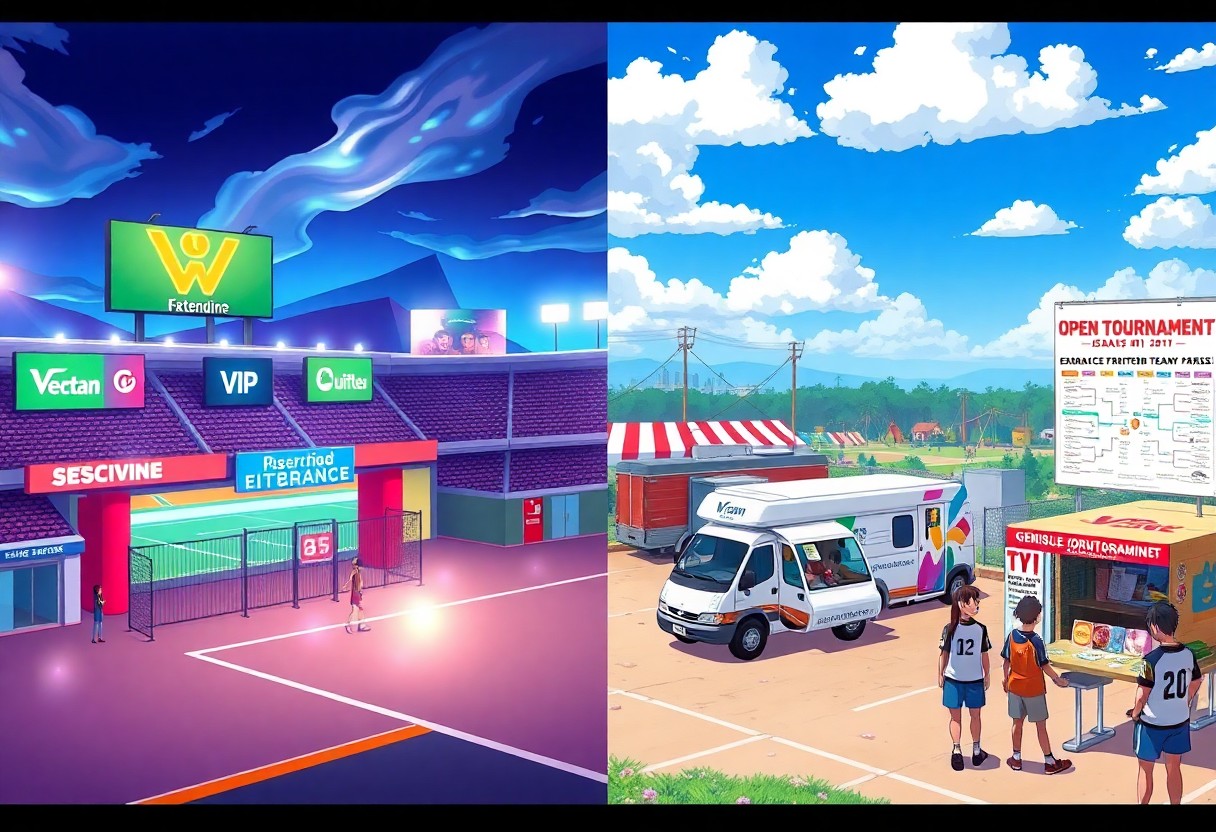
Conclusively, franchise league structures offer stability and predictability through established organizations and fixed schedules. This structure ensures consistent team engagement and fan loyalty, enhancing commercial opportunities.
Open tournament circuits encourage diverse participation, allowing emerging talents to compete alongside established players. This dynamic fosters innovation and unpredictability, often leading to thrilling competitions that engage a wider audience.
Q: What are the main differences between franchise league structures and open tournament circuits?
A: Franchise leagues feature fixed teams supported by specific organizations, ensuring stability and brand consistency. Open tournament circuits allow any team to enter, promoting a diverse range of competitors and fluid team compositions. This leads to varied competitive landscapes where established legacy teams might compete against emerging ones in open formats.
Q: How does team ownership impact player development in franchise leagues versus open tournaments?
A: In franchise leagues, teams often invest heavily in long-term player development, creating academies and training facilities. This structured approach can lead to a steadier growth of talent. Open tournament circuits rely more on individual player skill and existing talent without a prolonged commitment to development, leading to quicker turnover in player rosters.
Q: What are the financial implications for teams in franchise leagues compared to open tournament circuits?
A: Franchise leagues usually have stable revenue streams through sponsorships, ticket sales, and media rights, allowing for predictable financial planning. Open tournament circuits may generate variable income depending on attendance and sponsorship levels, making financial stability less certain for participating teams. This difference influences the overall investment strategies of teams in each structure.