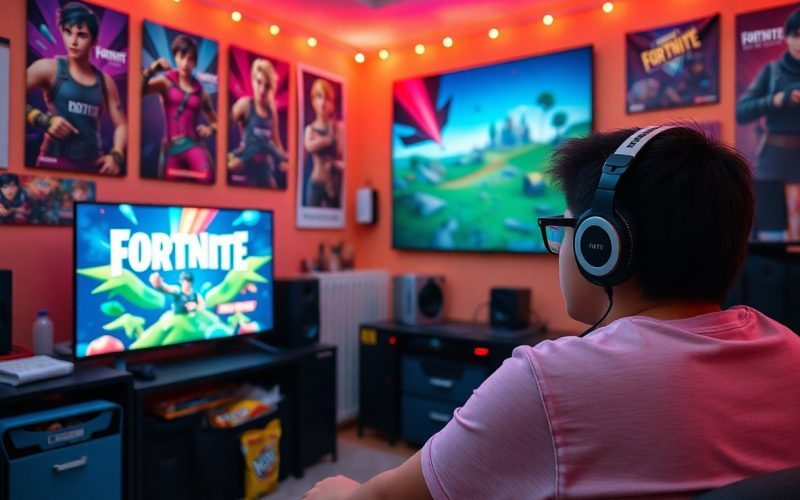







With the ever-evolving world of esports, Fortnite has consistently been at the forefront of innovation in gaming. However, its replay system has emerged as a point of contention, causing frustration for organizers, players, and spectators alike. While the replay system is designed to capture the fast-paced action and provide insights into gameplay, it lacks the functionality and reliability required for high-level esports broadcasting.
One of the most significant issues with Fortnite’s replay system is its inconsistency. Unlike other esports titles that feature solid spectator modes, Fortnite’s replays can sometimes be hampered by technical glitches or simply fail to record certain moments. Such unreliability can lead to necessary plays being omitted, leaving audiences with an incomplete understanding of a match. For event organizers relying on these replays for highlights and analysis, the consequences can be dire; captivating moments may be lost in the ether, undermining the excitement and narrative of the competitive scene.
Another hurdle is the limited angles available in Fortnite’s replay system. While it offers several viewing perspectives, the angles can be restrictive, failing to provide the rich tapestry of action that viewers expect. For example, commentators are tasked with creating engaging narratives during matches, and when the replay system restricts their ability to showcase critical moments from multiple viewpoints, it diminishes the overall viewing experience. Fans want to see significant plays from various perspectives to appreciate the skill and strategy involved, but the current replay options hinder this necessity.
The dynamic nature of Fortnite gameplay presents further challenges for the replay system. Given that matches can evolve rapidly, featuring unexpected twists and turns, a reliable replay function should ideally capture real-time shifts in momentum. However, the existing system can struggle to keep pace, missing necessary segments of gameplay that can dictate the outcome of matches. This inconsistency can lead to a frustrating viewing experience, particularly in high-stakes tournaments where every moment counts.
In the broader context of esports broadcasting, teams often rely on precise and efficient technology to enhance their shows. Other competitive titles like League of Legends or Counter-Strike: Global Offensive have developed sophisticated replay systems that provide a comprehensive look at the action. This is where Fortnite’s replay capabilities fall short, creating a noticeable gap. As esports continues to grow in popularity, especially among mainstream audiences, the expectation for quality broadcasting will only increase, making it even more imperative for Fortnite to address these concerns.
To avoid the pitfalls encountered in major tournaments, organizers may have to consider alternative solutions, such as integrating third-party tools or leveraging dedicated production teams with experience in handling Fortnite’s unique challenges. Regardless of the approach, the future of Fortnite esports broadcasting largely hinges on the improvement of its replay system. By doing so, the developers have the opportunity not only to enhance the quality of tournaments but also to significantly strengthen the community’s connection to the game and its competitive scene. Ultimately, a robust replay system could bridge the gap between gameplay and viewer engagement, paving the way for a more immersive experience for fans around the globe.