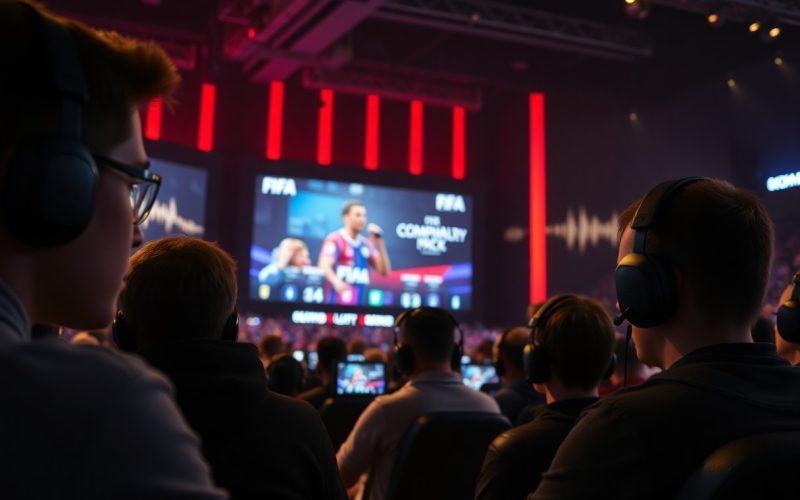



Just like a game of chance, FIFA’s pack opening mechanics create an enticing experience that mirrors traditional gambling behaviors. Players invest real money into virtual card packs, with the hope of obtaining valuable player cards to enhance their gaming experience. This element of unpredictability and reward structure can lead to compulsive spending tendencies, raising concerns among both players and regulators. Understanding these mechanics is important for fostering awareness of the potential impact on player behavior and the ethical implications surrounding these practices in the gaming industry.
Understanding Pack Opening Mechanics
Before delving into the allure of FIFA’s pack opening mechanics, it is vital to grasp how these systems function. Pack opening serves as both a gameplay feature and a monetization strategy, enticing players to invest real money for virtual rewards, mimicking the thrill of chance-based systems.
Definition and Process
With every pack opened in FIFA, players receive a random assortment of virtual cards representing players, items, or consumables. The rarity and quality of these cards vary, provoking excitement and anticipation similar to traditional gambling experiences.
Comparison to Traditional Gambling
Below is a comparative overview of FIFA pack mechanics and traditional gambling elements:
| FIFA Pack Opening | Traditional Gambling |
| Offers randomized rewards | Relies on chance for payouts |
| Involves microtransactions | Requires monetary stakes |
| Encourages repeated participation | Promotes continued betting behavior |
Considering the mechanics in play, FIFA pack openings closely correlate with gambling practices. The element of chance, combined with the potential for high-value rewards, draws players in, leading to repeated spending behaviors akin to those observed in casinos, where the allure of winning can compel users to keep participating.
Psychological Factors in Gameplay
One prominent element in FIFA’s gameplay lies in its psychological factors, which heavily influence player behavior. These include:
- Emotional engagement
- Social pressures
- Delayed gratification
- Competitive mindset
This complex interplay of psychological influences contributes to players’ immersive experiences and compulsive tendencies.
Reward Systems and Dopamine
Dopamine plays a significant role in enhancing user engagement by providing a sense of pleasure and satisfaction when players receive rewards. Every pack opened in FIFA releases dopamine, reinforcing the desire to continue opening more packs and chase after rare items, creating a cycle of expectation and reward that hooks players in.
The Illusion of Control
Gameplay often offers players an illusion of control over their experience, suggesting they can influence outcomes through skill or strategy. This belief can lead players to invest more time and money in the game, as they feel their decisions can lead to desired results.
Due to the perceived ability to steer their own success, many players find themselves engaging deeper in FIFA’s mechanics. The form of gameplay designed to manipulate this sense of control makes it challenging for users to recognize the underlying randomness involved. The combination of luck and strategy ultimately creates an enticing environment that keeps players returning, even when actual outcomes may deviate from expectations.
Impact on Players
It is evident that FIFA’s pack opening mechanics profoundly influence players’ experiences, often blurring the lines between gaming and gambling. With the allure of chance, players can become engrossed in the pursuit of rare items, leading to heightened excitement and anticipation. This behavioral pattern can create a cycle of repeated spending, impacting both casual and dedicated players, as they chase after the thrill of acquiring coveted cards through randomized rewards.
Financial Implications
Any player engaged with FIFA’s pack opening mechanics may face significant financial consequences due to the potential for excessive spending. As players become emotionally invested in their gaming experience and the desire for rare cards increases, they may inadvertently overspend, leading to unplanned financial strain. This phenomenon draws parallels with gambling behavior, where the promise of potential reward can overshadow rational financial decision-making.
Behavioral Changes
About the impact of FIFA’s pack opening mechanics, players may undergo notable behavioral changes that mirror those seen in gambling addiction. The excitement generated by random rewards can foster an environment of impulsivity, where individuals prioritize gaming over crucial responsibilities and personal well-being. This behavioral shift can lead to an obsession with the game, increasing the likelihood of repeated purchases in search of elusive rewards.
Implications for players, therefore, extend beyond mere financial aspects; they can also affect mental health and social relationships. The compulsion to engage repeatedly can lead to isolation as players devote excessive amounts of time and resources to the game. Furthermore, the connection between these behaviors and the gambling-like nature of FIFA’s mechanics raises crucial questions about player protection and the need for awareness regarding potential addiction. Creating a balanced approach to gaming, with a focus on healthy consumption habits, is vital for maintaining a positive gaming experience.
Legal and Ethical Considerations
All players and stakeholders must navigate a complex landscape of legal and ethical issues regarding FIFA’s pack opening mechanics. The line between gambling and in-game purchases blurs, raising significant questions about consumer protection and the responsibility of game developers. Regulatory bodies are increasingly scrutinizing these systems, particularly in relation to minors and their potential exposure to gambling-like behaviors.
Age Ratings and Accessibility
An inherent concern arises when considering the age ratings assigned to FIFA and similar games. Many of these games are accessible to underage players yet incorporate systems that mimic gambling mechanics. This accessibility poses ethical challenges around whether young audiences fully understand their implications and the potential risks they face when engaging in such activities.
Regulatory Responses
Before any comprehensive regulations are established, significant debate continues on how best to approach the issue of gambling-like mechanics in video games. Governments and regulatory bodies are working to evaluate existing laws and consider new guidelines to protect consumers, particularly children, from the potential harms associated with these gaming practices.
To address concerns over gambling behaviors linked to pack opening mechanics, various countries are exploring legislative options. Some are proposing stricter regulations on loot boxes, compelling developers to disclose odds and implement spending limits, especially for younger players. Countries like Belgium and the Netherlands have already taken measures to classify loot boxes as gambling, requiring games to adhere to approved licensing practices. These responses aim to strike a balance between innovative game design and consumer protection, as the industry gradually navigates growing scrutiny and public concern.
Industry Perspectives
Once again, the gaming industry stands on a contentious line between entertainment and exploitation. The resemblance of FIFA’s pack opening mechanics to traditional gambling has drawn scrutiny from regulators, consumers, and psychologists alike. This concern is rooted in the addictive nature of both practices, as players are often lured into spending real money for the chance of winning desirable in-game items. As the gaming landscape shifts, developers must navigate the growing calls for ethical accountability in their monetization strategies.
Developers’ Justifications
Beside the criticisms, developers argue that the pack opening system adds an element of excitement and unpredictability to the gaming experience. They contend that players engage willingly and understand the nature of random rewards, which they believe enhances user engagement and contributes to the game’s longevity. However, they also acknowledge the growing concerns about its potential to foster addictive behaviors in younger audiences.
Community Reactions
Beside the internal debates, the gaming community exhibits a polarized response to the pack opening mechanics. While some players appreciate the thrill and entertainment value, others voice concerns over potential gambling addiction, especially among younger gamers. This has prompted consumer advocacy groups to call for greater transparency and regulation in the gaming sector.
Hence, the community reactions highlight a significant rift in the perception of pack openings. Many players voice their excitement about the thrill of acquiring rare items, yet there is a growing faction advocating for change, expressing fears that these mechanics could mimic harmful gambling habits. Engaging discussions around transparency, age restrictions, and responsible gaming continue to shape the dialogue, urging developers to consider the implications of their monetization strategies carefully.
Alternatives to Pack Opening
Keep exploring different avenues for enhancing your FIFA experience. Alternatives to pack opening can provide players with enjoyable gameplay without the risk of gambling-like mechanics. Options such as skill-based challenges, earning in-game currency through matches, or trading players can enhance the overall enjoyment of the game while fostering a healthier gaming environment.
Traditional Game Mechanics
Around the gaming landscape, traditional mechanics like leveling up and skill-based competitions have been the cornerstone of player engagement. These systems encourage players to invest time in honing their skills and strategy rather than relying on chance. This shift towards engaging gameplay mechanics creates a more fulfilling experience for players, promoting skill development over luck.
Consumer-Friendly Practices
Below, we will explore ways games can foster a more positive experience for players, moving away from predatory pack systems. Consumer-friendly practices include transparent odds for in-game rewards, offering clear pathways to access coveted items, and emphasizing skill development through various forms of gameplay.
Alternatives that prioritize consumer-friendly practices empower players to enjoy games without the shadow of gambling influences. By implementing transparent reward systems, developers can create a more ethical gaming experience, ensuring players feel valued and informed about their choices. Additionally, integrating progressive reward systems where players earn their items through gameplay fosters a sense of achievement and satisfaction, reinforcing the core principles of fair play and engagement.
To wrap up
Upon reflecting on FIFA’s pack opening mechanics, it becomes evident that they emulate the behaviors typically associated with gambling. This design not only encourages players to spend real money for a chance at obtaining rare items but also taps into psychological triggers such as reward anticipation and risk-taking. Such parallels raise important questions about the ethics of these monetization strategies, particularly in their appeal to younger audiences. As the gaming landscape evolves, the implications of these mechanics merit ongoing examination and discussion.
FAQ
Q: Why do some players compare FIFA’s pack opening mechanics to gambling?
A: Players often draw parallels between FIFA’s pack opening mechanics and gambling due to the randomness and chance involved in acquiring desirable player cards. In FIFA, players purchase packs without knowing their contents, which can lead to feelings of excitement and anticipation similar to those experienced in a casino. The unpredictability of receiving high-rated players or rare items adds to the thrill, akin to the risk and reward dynamic found in traditional gambling environments.
Q: Are there any regulations or guidelines regarding FIFA’s pack opening mechanics?
A: While there are increasing discussions regarding the regulation of video game mechanics that resemble gambling, specifically in relation to minors, the FIFA pack opening system operates primarily as a part of in-game purchases. Currently, many countries are still evaluating how to approach these systems legally. Some jurisdictions require games to disclose the odds of receiving specific items from packs, but regulations vary greatly, and companies like EA are often at the forefront of these discussions as they navigate legal and ethical considerations.
Q: How do pack opening mechanics impact player spending behavior in FIFA?
A: The mechanics associated with pack openings can significantly influence player spending patterns. Players may be driven by the desire to obtain rare or high-rated players, leading them to invest real money into purchasing FIFA Points for packs. This behavior mimics the impulsive nature often seen in gambling, where the hope of hitting a big win can prompt repeated spending. Additionally, promotional events and limited-time offers can create a sense of urgency, further encouraging players to spend in hopes of maximizing their chances of obtaining coveted items.