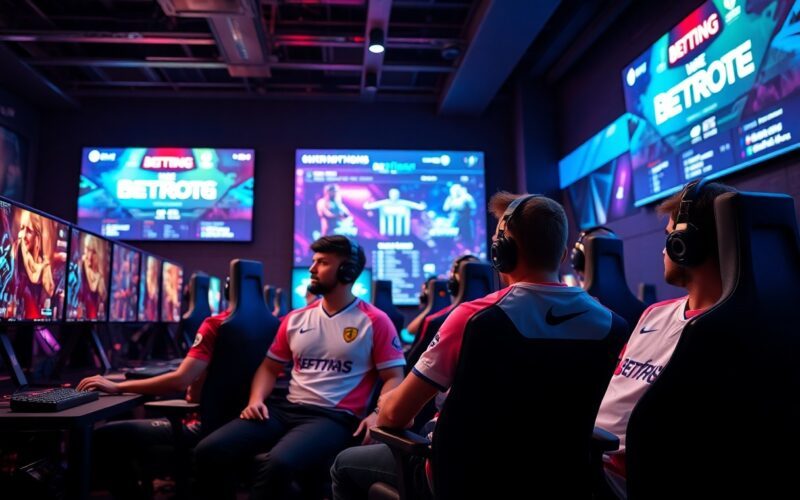







European operators are increasingly turning their attention to the burgeoning esports sector. This shift reflects a strategic move to tap into a demographic of young, engaged gamers and fans, presenting new opportunities for growth and innovation within the competitive gaming market.
European operators entering the esports vertical
Historical context of traditional sports betting in the European market
Betting on traditional sports has deep roots in Europe, with markets evolving significantly over the past few decades. Early on, bookmakers primarily focused on popular sports like football and horse racing, catering to a dedicated audience and generating substantial revenues.
Regulatory changes in various countries paved the way for increased competition and diversification of betting options. As online platforms emerged, traditional sports betting became more accessible, attracting a broader demographic and further boosting participation.
The demographic transition: Catering to Gen Z and Millennial preferences
Shifts in consumer behavior have prompted European operators to adapt their offerings, especially toward Gen Z and Millennials. Younger audiences favor interactive experiences, leading to an increased interest in esports betting and in-game wagering.
Operators now prioritize user-friendly interfaces, social engagement features, and tailored promotions to retain this growing segment. As a result, esports has captured attention, fundamentally altering the traditional betting narrative.
Understanding the preferences of Gen Z and Millennials is paramount for operators. This demographic seeks entertainment, social connectivity, and a sense of community, factors that esports naturally provides. Customized content, live-streaming options, and gamified betting experiences resonate deeply, making targeted marketing crucial for success.
Comparative analysis of esports growth versus traditional sports handles
Esports betting has surged in popularity, particularly among younger bettors, outpacing growth in traditional sports. While traditional sports still dominate in volume, the rapid increase in esports handles indicates a significant shift in betting trends.
Operators report substantial year-on-year growth in esports markets, suggesting an evolving gambling landscape that prioritizes new formats and instant engagement. This trend underscores the need for traditional sportsbooks to innovate and diversify their offerings to capture emerging markets.
Comparative Analysis of Esports Growth Versus Traditional Sports Handles
| Metric | Traditional Sports |
|---|---|
| Annual Growth Rate | 5-10% |
| Esports Handles | 60-80% growth YOY |
| Demographic Engagement | Primarily older players |
| Younger Audience | Predominantly Gen Z and Millennials |
Esports betting’s growth trajectory continues to outpace that of traditional sports, particularly in terms of younger audiences’ engagement. As this trend accelerates, operators must adapt quickly to meet the changing demands and preferences of a generation that embraces digital and interactive experiences.
Market Drivers: Why Operators are Pivoting to Esports
Revenue diversification in a saturated traditional betting market
Operators face an increasingly crowded traditional betting market. With fierce competition, many are seeking alternative revenue streams to attract and retain customers. Esports, with its growing popularity, offers an opportunity to tap into a young and engaged demographic, providing a fresh and dynamic product.
Successfully diversifying into esports can help mitigate risks associated with reliance on traditional sports betting. This shift allows operators to enhance their portfolios, appealing to gamers and betting enthusiasts alike while spreading potential revenue sources across different verticals.
The 24/7 nature of global esports events and tournament cycles
Esports events occur year-round, with tournaments spanning various time zones. This continuous schedule provides operators with ample opportunities to engage users at any hour. The ability to offer betting options on live matches creates an engaging experience for users, enhancing overall participation.
Non-stop availability aligns well with the habits of younger audiences who seek constant entertainment. The dynamic nature of esports keeps content fresh, encouraging regular interaction and participation from bettors.
High engagement metrics and community-driven consumption patterns
Engagement metrics in esports are significantly higher than in traditional sports. Players actively participate in community discussions, fueling a strong connection between the audience and content. Operators can capitalize on this energy by creating tailored betting options that resonate with passionate fans.
With dedicated communities around specific games, audience members often engage in betting activities as part of their fandom. Such involvement drives repeat interactions and increases brand loyalty, making it an attractive market for operators.
Regulatory Frameworks and Compliance Across Europe
Navigating fragmented licensing requirements in EU member states
Variation in licensing requirements across EU member states presents a challenge for esports operators. Each country enforces its own rules and regulations, leading to complexities in compliance. Understanding these differences is important for operators looking to establish a foothold in multiple markets.
Operators must conduct thorough research to ensure they meet the legal criteria in each jurisdiction. This may involve obtaining specific licenses, adhering to marketing guidelines, and fulfilling reporting obligations, all of which can differ significantly from one nation to another.
Implementing responsible gambling measures for younger audiences
Effective responsible gambling measures need to be tailored for younger audiences participating in esports. Protecting minors requires targeted strategies, including age verification processes and educational resources on gambling. Operators should prioritize these initiatives to promote safe gaming environments.
Partnerships with educational organizations can enhance awareness and understanding of the risks associated with gambling. Integrating responsible gambling features directly into gaming platforms will further empower younger players to make informed decisions.
Anti-money laundering (AML) and Know Your Customer (KYC) protocols in digital gaming
Implementing stringent AML and KYC protocols is crucial for digital gaming operators. These measures help in verifying user identities and preventing illicit activities, thereby maintaining the integrity of esports. Compliance with robust KYC procedures minimizes the risk of fraud and ensures a safe betting environment.
Specific guidelines often vary by country, emphasizing the need for operators to stay updated on regulations. Keeping accurate records and conducting regular audits will bolster compliance efforts and foster trust among users.
Strategic Partnership Models: Operators and Esports Organizations
Title sponsorships and jersey branding for professional teams
Title sponsorships serve as a powerful marketing tool, enhancing brand visibility through prominent displays during high-profile tournaments. Operators can cement their identity within the esports community by having their logos featured on team jerseys, creating a sense of loyalty among fans. This type of partnership not only boosts team revenue but also aligns brands with winning narratives.
Branding on jerseys transforms professional teams into living advertisements, creating organic exposure across diverse platforms. Operators benefit as fans don team colors, leading to countless impressions during match broadcasts and social media interactions. Strategic partnerships are thus a win-win, enhancing both brand reach and team support.
Content collaboration and influencer-led marketing initiatives
Content collaborations between operators and esports organizations can captivate audiences through engaging narratives and entertainment. Partnering with influencers amplifies this effect, allowing brands to tap into existing fanbases while fostering a sense of authenticity. Creators can develop multimedia content, from live streams to social media posts, showcasing sponsored players or events.
Incorporating influencer perspectives can drive engagement and provide deeper insights into gaming culture. By blending promotional efforts with relatable content, operators can resonate more deeply, creating lasting impressions on potential customers. Effective collaborations can shift perceptions, transforming traditional advertising into relatable storytelling.
Engagement metrics derived from these collaborations illustrate their effectiveness. Brands benefit not only from increased visibility but also from building trust through authentic connections with audiences, translating into heightened interest and potential revenue growth.
Grassroots involvement and the sponsoring of amateur tournament circuits
Grassroots esports initiatives are important for cultivating new talent and expanding audience reach. Operators investing in amateur tournaments can create a foundation that nurtures the next generation of players, ensuring a sustainable future for the scene. Sponsorships can offer financial support and resources, enabling these events to thrive.
Connecting with grassroots movements places operators at the heart of evolving gaming communities. Supporting local tournaments strengthens brand loyalty while highlighting commitment to the esports ecosystem. As amateur players gain recognition, the associated brands benefit from the loyalty built at the grassroots level.
Investing in grassroots esports displays a brand’s commitment to the community and long-term growth. Operators sponsoring these circuits build relationships that can translate into future partnerships with emerging talent, ultimately leading to a more vibrant and dedicated fanbase.
Product Integration: Betting Markets and Odds Compilation
Technical nuances of Tier 1 titles: CS2, Dota 2, and League of Legends
Understanding the mechanics behind Tier 1 titles like CS2, Dota 2, and League of Legends is critical for effective betting integration. Each game has unique dynamics that influence odds, from character abilities to match outcomes, requiring precise data analysis.
Developing odds for these games involves monitoring fluctuating player performance, team strategies, and in-game events. This complexity calls for advanced statistical models to ensure accurate and competitive odds in an ever-changing environment.
Developing proprietary risk management systems for high-volatility markets
High-volatility markets, especially in esports, necessitate enhanced risk management systems. Tailoring these systems requires real-time data analysis and algorithms designed to respond quickly to market movements, ensuring operator sustainability.
Mitigating risk involves continuous monitoring of betting patterns and player performance. Custom systems can adapt to spikes in activity, allowing operators to maintain a balanced book and protect against potential losses.
The rise of micro-betting and event-specific proposition wagering
Micro-betting has transformed how fans engage with esports events, offering opportunities to place bets on various in-game occurrences. This trend caters to the fast-paced nature of esports, drawing in casual viewers while keeping seasoned bettors engaged.
Event-specific proposition wagering allows punters to bet on singular events within a match, like a first blood or successful skill execution. This granularity enhances customer involvement, stimulating excitement and ultimately driving revenue growth.
Developing proprietary risk management systems for high-volatility markets is crucial for esports operators looking to thrive. Custom approaches enable the analysis of real-time betting data, mitigating risks associated with sudden shifts in player performance or betting behavior. Advanced algorithms created for this purpose not only protect against potential losses but also optimize pricing strategies for odds, ensuring operators maintain a competitive edge in rapidly evolving esports betting.
Customer Acquisition and Retention Strategies
Leveraging Twitch, Discord, and Reddit for Community Engagement
Real-time interaction on platforms like Twitch and Discord cultivates strong community ties. Gamers and bettors engage directly with content creators, enhancing loyalty and trust towards operators.
Reddit serves as a hub for discussions, feedback, and trends. Engaging in these threads helps operators understand player preferences, allowing for more tailored services and improved user experiences.
Gamification of the Betting Experience through Rewards and Digital Skins
Innovative strategies that incorporate digital skins and rewards can significantly enhance user engagement. Players tend to favor platforms that offer personalized rewards tied to their in-game achievements, creating a more immersive betting journey.
Integrating these elements into the betting process not only incentivizes participation but also enriches the overall experience, encouraging users to remain active within the platform.
Tailoring UI/UX Design for a Digital-Native, Mobile-First User Base
Modern users expect intuitive interfaces that facilitate quick navigation. Customizing UI/UX design for a mobile-first audience addresses this need, streamlining interactions and enhancing satisfaction.
Effective design incorporates familiar gaming aesthetics, making platforms approachable and engaging, especially for younger, digital-native audiences.
More focus on UI/UX design reveals the importance of responsive layouts and quick-loading pages. Users are more likely to convert when they encounter a visually appealing and easy-to-use interface, which can ultimately lead to higher retention rates. Prioritizing mobile functionality caters directly to a generation that interacts primarily through smartphones, ensuring that platforms remain accessible and user-friendly.
Technological Infrastructure and Data Integration
The critical role of low-latency data feeds for live in-play betting
Low-latency data feeds enable operators to provide real-time betting options, enhancing user engagement during live matches. Timeliness of data directly affects betting decisions, making it imperative for operators to secure high-quality feeds.
Speedy and reliable data transmission keeps users informed and offers them competitive advantages. Any delays can lead to missed opportunities, undermining the betting experience and potentially driving players away.
Integrating third-party data providers and API solutions
Integration with third-party data providers opens avenues for expanded content and improved analytics. Operators can access a breadth of statistics, enhancing the overall betting experience.
API solutions further streamline the integration process, allowing for efficient data sharing and real-time updates. These tools support operators in keeping their platforms competitive and user-friendly.
Working closely with third-party data providers, operators can ensure a steady flow of accurate and diverse data. This cooperation not only enriches user offerings but also fosters innovation in betting solutions.
Ensuring platform scalability during major global championships
Scalability becomes paramount during major events, as user traffic surges dramatically. Operators must ensure their platforms can handle these spikes without compromising performance.
Building scalable infrastructure ahead of major championships allows operators to accommodate fluctuating user demands efficiently. This readiness prevents server crashes and maintains a smooth betting experience for users.
Prioritizing scalability involves investing in cloud-based solutions that can expand or contract based on demand, ensuring that even during peak times, players enjoy uninterrupted service.
Integrity and Fair Play: Combatting Fraud and Match-Fixing
Collaboration with the Esports Integrity Commission (ESIC)
Establishing partnerships with the Esports Integrity Commission (ESIC) is vital for maintaining transparency in esports. Operators work closely with ESIC to create frameworks that promote fair play and deter fraudulent activities.
Through joint efforts, these collaborations aim to implement standards and protocols that not only protect players but also uphold the integrity of the competitions. Regular audits and compliance checks are part of this proactive approach.
Monitoring Unusual Betting Patterns and Data-Driven Fraud Detection
Employing advanced analytics to monitor betting patterns serves as a first line of defense against fraud. Operators utilize sophisticated algorithms designed to detect anomalies that could indicate match-fixing or other irregularities.
This data-driven approach allows for immediate action upon identifying suspicious activities, ensuring that integrity remains at the forefront of esports. Continuous refinement of detection methods keeps pace with evolving fraud tactics.
Monitoring unusual betting patterns involves constant surveillance to maintain the integrity of esports competitions. By analyzing data and user behavior, operators can quickly identify deviations from standard betting trends, which often signal fraudulent activity. This proactive stance not only safeguards the esports community but also enhances consumer confidence in betting platforms.
Educational Initiatives for Players and Teams Regarding Sportsmanship
Implementing educational initiatives aimed at players and teams is necessary for fostering a culture of sportsmanship. Programs focus on instilling values of integrity, respect, and fair competition among players.
Workshops and training sessions encourage players to actively engage in discussions about ethical behavior, promoting an environment that discourages fraud and match-fixing. Building a conscientious community requires consistent emphasis on the principles of fair play.
Educational initiatives for players and teams prioritize open dialogue regarding the significance of sportsmanship in esports. Such programs not only enhance understanding of ethical standards but also equip players with the knowledge to resist temptations related to cheating or fraud. Encouraging a mindset geared towards fair play is crucial for the ongoing integrity of esports.
Case Studies: Leading European Operators in the Esports Space
- Betway: 30% increase in esports betting volume year-over-year since 2020, with partnerships in key tournaments.
- Pinnacle: Maintains a 95% player retention rate through tailored esports offerings.
- Entain: Acquired esports platform, bringing in 1 million new users within six months.
- Flutter Entertainment: Expanded market share by 20% through strategic esports sponsorships and promotions.
Betway’s pioneering entry and long-term organizational partnerships
Betway has established itself as a frontrunner in the esports betting market, with significant investments in partnerships with major leagues like ESL and BLAST Premier. Their commitment has yielded a 30% increase in betting volume annually, underscoring the success of focused marketing strategies.
Long-term relationships define Betway’s approach, allowing for exclusive promotions and unique betting options tailored for esports enthusiasts, positioning the operator as a leader in both innovation and customer engagement.
Pinnacle’s focus on high-volume, low-margin professional betting models
Pinnacle stands out with its high-volume, low-margin professional betting model, attracting seasoned bettors seeking better odds. The operator’s philosophy emphasizes sustainability and customer loyalty, which is evident in its impressive 95% player retention rate.
Strategic investments in analytics and market insights have enabled Pinnacle to offer competitive odds, further solidifying its status as a preferred platform for serious gamblers in the esports space.
Pinnacle’s model prioritizes the long-term relationships with users, balancing low margins with high betting volumes. By catering specifically to a dedicated audience of professional bettors, they maintain a distinct competitive edge in the esports betting arena.
Entain and Flutter: M&A strategies for rapid vertical expansion
Entain’s aggressive acquisition strategy, including the purchase of a leading esports platform, resulted in onboarding 1 million users within just six months. This swift expansion highlights the effectiveness of targeting emerging markets through mergers and acquisitions.
Similarly, Flutter Entertainment’s strategic partnerships and sponsorships have driven a significant 20% increase in market share, showcasing the benefits of an M&A-focused growth strategy within the esports sector.
Entain and Flutter are capitalizing on a rapidly evolving market by acquiring innovative platforms, thus positioning themselves as formidable competitors in the esports vertical. Their approaches demonstrate the importance of agility and strategic foresight in leveraging market opportunities effectively.
Regional Variations: UK, DACH, and the Nordic Markets
The United Kingdom’s mature regulatory and competitive environment
The UK boasts a well-established regulatory framework that supports esports growth. With numerous organizations actively participating in the scene, competition remains fierce, attracting both players and investors alike.
The growing influence of Germany and the DACH region’s fanbases
Germany has emerged as a powerhouse in esports, characterized by passionate fan engagement and increasing participation. The DACH region’s unique blend of cultural influences fosters a rich environment for esports development.
Investment in esports infrastructure, along with partnerships between operators and local teams, has contributed to a vibrant ecosystem that attracts global interest and enhances viewership.
Germany’s diversity and established sporting culture play a significant role in this influence, where traditional sports fans have begun embracing esports as a mainstream entertainment option. This shift has only amplified the growth potential for operators entering the scene.
Nordic innovation: Sweden and Denmark as historical esports hubs
Sweden and Denmark have a long-standing legacy in esports, producing top-tier talent and high-profile tournaments. Their commitment to gaming culture at both grassroots and professional levels sets a foundation for continued growth and innovation within the industry.
Investment by local organizations and government initiatives further drive esports popularity, creating unique platforms for players and fans to connect and thrive.
Sweden’s iconic esports teams and Denmark’s gaming cafés have cultivated communities that embrace competitive gaming. These historical hubs allow for a steady influx of talent, ensuring that both countries remain influential players in the evolving esports vertical.
Monetization Beyond Betting: Media and Ancillary Revenue
Exploring media rights and exclusive streaming partnership opportunities
Exclusive media rights and strategic streaming partnerships are reshaping revenue models in esports. By aligning with established platforms, operators can tap into wider audiences and gain credibility in the competitive scene.
Partnerships with platforms like Twitch or YouTube not only boost viewership but also create synergistic marketing opportunities, enhancing brand visibility and monetization avenues such as pay-per-view events and subscription models.
Virtual goods, collectibles, and the intersection of digital assets
Digital collectibles and virtual goods present a lucrative revenue stream in esports. Gamers are increasingly valuing in-game items, leading to significant market demand.
Operators can capitalize on this trend by creating exclusive in-game content or collaborating with game developers to introduce limited editions that appeal to both casual and hardcore gamers.
The convergence of digital assets and virtual collectibles offers a new frontier for monetization. Gamers often seek unique experiences, driving demand for rare items. This trend has led to the emergence of platforms where players can trade or sell these assets, ultimately enhancing engagement and loyalty within gaming communities. Operators can explore blockchain technology to ensure authenticity, adding a layer of value to these digital offerings.
Affiliate marketing ecosystems within the esports journalism space
Affiliate marketing serves as a key revenue generator in esports journalism. Writers and content creators can earn commissions by promoting gaming products and betting platforms, creating a symbiotic relationship.
Quality content about games, events, and products attracts significant traffic, translating to higher affiliate conversion rates. This encourages journalists to provide engaging, informative content while monetizing their audience effectively.
A thriving affiliate marketing ecosystem boosts both visibility and credibility for esports journalism. By focusing on authentic recommendations, content creators can build trust with their audiences, which in turn increases click-through rates and commissions. Engaging articles and reviews not only attract readers but also drive purchases, sustaining a mutually beneficial cycle for journalists and brands alike.
The Dominance of Mobile and In-Play Betting
Designing mobile-first interfaces for the on-the-go esports fan
Mobile-first design places the esports fan’s experience at the forefront, addressing their need for quick access to information and betting options. With a growing base of users predominantly engaging through mobile devices, interfaces must be intuitive, easy to navigate, and visually appealing.
Prioritizing speed and functionality in the mobile interface allows users to make informed decisions efficiently. Features like one-click betting and optimized layouts enhance user experience, facilitating engagement during fast-paced matches.
Statistical analysis of live betting’s share in the total esports handle
Current data indicates that live betting accounts for a significant portion of the total esports handle. As esports events often unfold rapidly, real-time betting options attract fans who seek immediate engagement with the action.
Research highlights that live betting has grown by over 30% in popularity among esports bettors, reflecting a shift in consumer behavior and expectations within the industry.
Analyzing live betting performance reveals trends in user engagement and revenue generation. As fans increasingly prefer in-play betting, operators must adapt their strategies to capitalize on this shift, integrating analytics to refine offerings and enhance user satisfaction.
Real-time push notifications and engagement triggers during matches
Real-time push notifications serve to keep fans connected and engaged during critical moments of gameplay. These alerts can cover everything from score updates to crucial betting opportunities, making users feel part of the action.
Engagement triggers capitalize on user interests, prompting them to place bets at key moments, ultimately fostering a more immersive experience. This approach not only enhances user interaction but also drives higher betting volumes across platforms.
Implementing real-time push notifications requires a sophisticated understanding of user preferences and match dynamics. By analyzing peak engagement times, operators can tailor notifications that resonate with fans, significantly increasing the likelihood of in-play betting.
Future Trends and Emerging Technologies in Esports Betting
The potential of VR and AR for immersive spectator and betting experiences
Virtual reality (VR) and augmented reality (AR) offer unique opportunities to enhance how fans experience esports. By creating immersive environments, these technologies can allow spectators to investigate live events, fostering engagement and elevating the emotional stakes of betting.
Innovative platforms equipped with VR and AR can transform traditional viewing into interactive experiences. Spectators could not only watch matches but also participate in virtual arenas, making real-time betting decisions based on a more intimate understanding of the gameplay.
AI-driven predictive modeling for enhanced odds accuracy and player stats
AI-driven predictive modeling aims to refine odds accuracy through continuous data analysis. With algorithms trained on vast datasets, operators can assess player performance, matchups, and historical outcomes, ensuring bettors receive informed predictions.
Enhanced player stats derived from AI tools can provide bettors with detailed insights, allowing for smarter wagering decisions. This technology’s potential to adapt in real-time means odds can quickly reflect ongoing match dynamics, benefiting both operators and consumers.
By utilizing vast amounts of data, AI-driven modeling can spot patterns and anomalies that human analysts might miss. This advancement means more accurate odds, which subsequently enhances the overall betting experience, driving increased engagement and trust among bettors.
Expansion into mobile-first esports titles: Free Fire and Mobile Legends
Mobile-first esports titles, such as Free Fire and Mobile Legends, are reshaping how bettors interact with the esports vertical. These games have gained massive player bases, encouraging betting operators to create tailored mobile experiences that cater to this growing demographic.
Accessible gameplay on mobile devices facilitates real-time betting, allowing users to engage with matches as they unfold. This trend not only drives participation but also opens new avenues for marketing and promotional strategies within the esports betting ecosystem.
Mobile-first titles have become particularly appealing due to their accessibility and popularity among younger audiences. As these games continue to dominate app stores, operators are motivated to develop innovative betting features tailored to mobile platforms, ensuring they capture the evolving preferences of esports fans.
Conclusion
To wrap up, European operators are making significant strides into the esports sector, recognizing its immense growth potential. This entry reflects a broader trend where traditional betting markets increasingly integrate esports into their offerings, appealing to a younger demographic and diversifying revenue streams.
Operators are not only investing in sponsorships and tournament partnerships but also enhancing their platforms to support esports betting. This strategic shift will likely reshape the betting industry, offering new engagement avenues and solidifying esports’ status as a mainstream entertainment choice.
FAQ
Q: What are the motivations for European operators to enter the esports market?
A: European operators are motivated by the growing popularity of esports, particularly among younger demographics. The potential for new revenue streams through sponsorships, advertising, and merchandise sales attracts many. Developing partnerships with existing esports organizations also presents opportunities for expansion and brand visibility.
Q: How are European operators adapting their strategies for esports?
A: Operators are tailoring their gaming platforms to better engage esports audiences. This includes offering specialized betting options that appeal to esports fans and ensuring compliance with local regulations. Collaborations with esports teams and influencers help enhance brand credibility and reach within the community.
Q: What challenges do European operators face in the esports sector?
A: Common challenges include regulatory hurdles that differ across countries, the need for effective marketing tactics to attract esports fans, and intense competition from established esports brands. Building trust within the gaming community remains important for long-term success.