




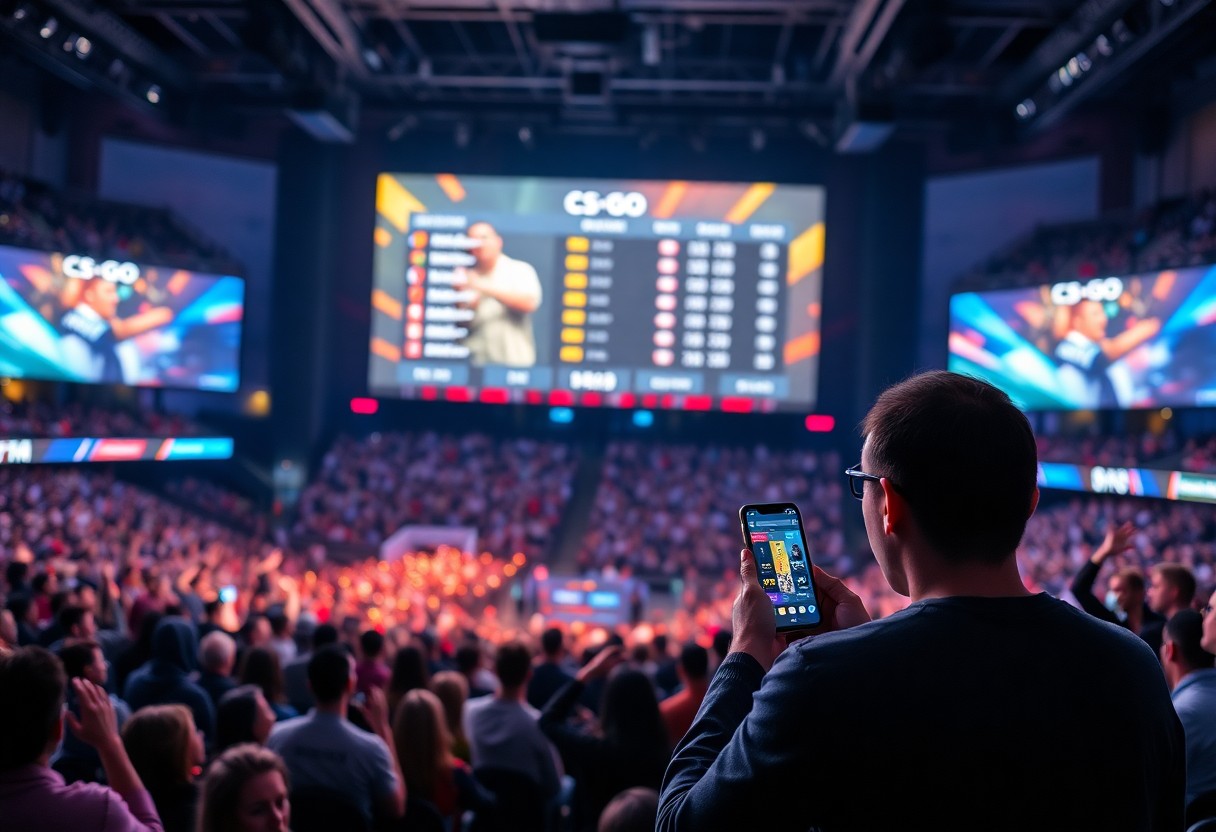



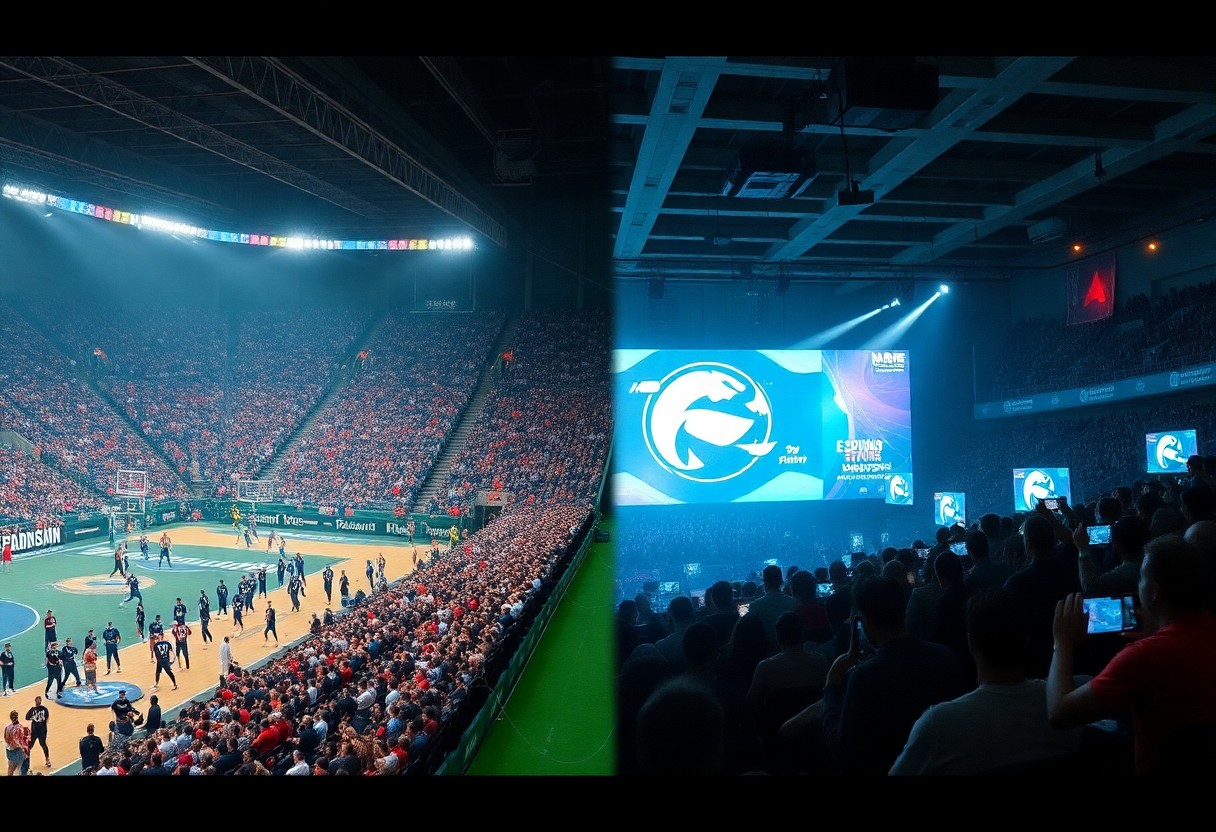
Over the past decade, the world of sports has undergone a significant transformation with the rise of esports, which has led to a fascinating comparison between esports and traditional sports. They have been debating about the similarities and differences between these two forms of sports, with some arguing that esports is a legitimate sport, while others disagree. He argues that esports requires a high level of skill, strategy, and physical and mental endurance, similar to traditional sports. She points out that esports players need to have quick reflexes, sharp instincts, and excellent hand-eye coordination, which are also important qualities for traditional athletes.
They have noticed that one of the main differences between esports and traditional sports is the physical aspect. Traditional sports require athletes to be physically fit and engage in physical activities such as running, jumping, and throwing, whereas esports players sit for long periods and use their hands to play games. However, he notes that esports players still need to maintain a healthy lifestyle, including regular exercise and a balanced diet, to perform at their best. She adds that the mental pressure and stress of competing at a high level can be similar for both esports and traditional athletes, requiring them to have strong mental toughness and resilience.
They have observed that another key difference is the nature of the competition. Traditional sports are typically played in a physical arena, with teams competing against each other in a face-to-face setting. Esports, on the other hand, is played online, with teams competing against each other from different locations around the world. He believes that this difference has led to the development of new forms of storytelling and spectatorship, with fans able to watch and interact with esports competitions in real-time through live streams and social media. She thinks that the global reach of esports has also created new opportunities for players and teams to compete against each other, regardless of their geographical location.
They have seen that despite these differences, esports and traditional sports are starting to coexist and overlap. Many traditional sports teams and leagues are investing in esports, recognizing the potential for growth and revenue. He notes that some traditional athletes are also becoming involved in esports, either as players or investors, and that some esports players are crossing over into traditional sports. She points out that the two types of sports are learning from each other, with esports adopting some of the structures and practices of traditional sports, such as leagues and tournaments, and traditional sports incorporating some of the technology and innovation of esports.
They conclude that the relationship between esports and traditional sports is complex and multifaceted. He thinks that esports is not a replacement for traditional sports, but rather a new and exciting form of competition that is attracting a new audience and creating new opportunities for players and fans. She believes that the two types of sports can coexist and complement each other, with each one learning from and influencing the other. They are excited to see how the world of sports will continue to evolve in the future, with esports and traditional sports likely to play increasingly important roles.