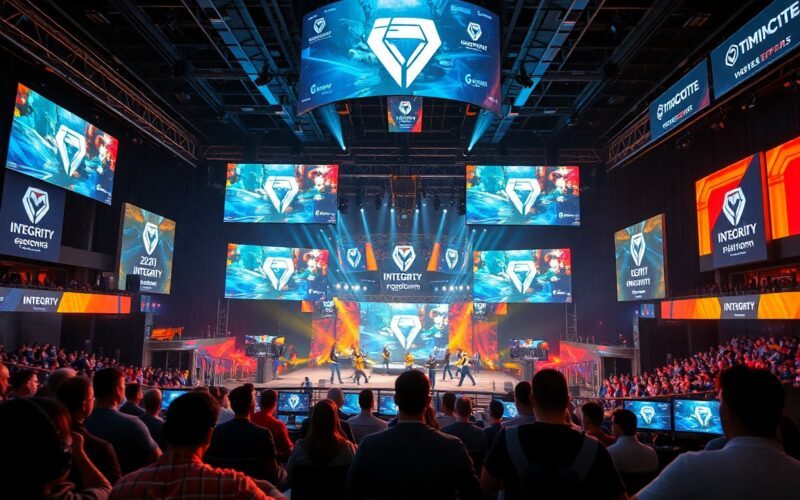

Most esports competitions implement age restrictions to ensure fair play and safety for all participants. These regulations vary by game and tournament, impacting athlete eligibility and shaping how organizations manage player participation across different age groups.
The Legal Framework of Age Restrictions in Global Esports
Jurisdictional variations in employment law for minor athletes
Entities managing esports competitions must understand that employment laws for minors vary across jurisdictions. Some regions enforce stricter regulations regarding minors’ participation, requiring permits and parental consent. Others provide limited protections, allowing organizations greater leeway over minor competitors.
Enforcement of these laws is inconsistent, leading to potential legal challenges. Companies operating in multiple jurisdictions must remain vigilant, ensuring compliance with local regulations to protect both the organization and its young participants.
International treaties and child labor protections in digital spaces
International treaties addressing child labor offer frameworks that can influence esports. The United Nations Convention on the Rights of the Child emphasizes the need for safeguarding minors in various environments, including online. Compliance with these treaties is paramount for organizations that aspire to create safe environments for young athletes.
Many countries incorporate these international principles into national legislation, strengthening protections for minors against exploitation. This alignment encourages ethical participation in esports while maintaining respect for legal obligations across borders.
Data privacy and COPPA compliance for youth competitors
Data privacy is a pressing concern in esports, especially regarding youth competitors. The Children’s Online Privacy Protection Act (COPPA) imposes strict guidelines on collecting personal information from children under 13. Compliance with COPPA is necessary for esports organizations to avoid potential fines and legal challenges.
Organizations must implement measures to secure parental consent before data collection from young players, ensuring ethical standards are met. Violation of these regulations can result in significant repercussions, highlighting the need for rigorous adherence to data privacy laws.
International treaties advocate for the protection of children in various spaces, including digital environments. These agreements stress the importance of safeguarding minors from exploitation and harm in online platforms. Esports organizations are encouraged to align their practices with these global standards, which not only fosters a positive environment but also enhances their credibility and reputation in the industry.
Physical and Mental Maturity: The Biological Basis for Age Limits
Cognitive development and reaction time optimization in adolescents
Cognitive development significantly influences gaming performance, especially in fast-paced esports. Adolescents often exhibit sharper reaction times due to their ongoing brain maturation, particularly in areas governing decision-making and reflexes. This biological advantage can enhance performance but also necessitates a structured environment that maximizes their potential.
Psychological resilience and the impact of high-stakes environments
Physical health risks: Repetitive strain and ergonomic considerations for youth
Health risks associated with repetitive gaming activities can significantly impact younger players. Poor ergonomics and prolonged gaming sessions often lead to strain injuries, which may hinder long-term performance. Awareness of these physical challenges is crucial for managing player health effectively.
Publisher-Specific Regulations: Analyzing Major Title Requirements
Riot Games and the Tiered Age Structure for League of Legends and VALORANT
Riot Games implements a tiered age structure for its flagship titles, League of Legends and VALORANT. Players under 16 have restricted access to certain competitive events, while those aged 16 and older can participate in regional competitions. This model emphasizes inclusivity while ensuring that participants can handle the competitive pressure.
Age restrictions align with the maturity needed for these intense games. For instance, League of Legends has various youth-oriented tournaments, catering to younger audiences while granting seasoned players opportunities in higher-tier competitions.
Valve’s Decentralized Approach: Dota 2 and Counter-Strike Eligibility
Valve encourages an open competition model for Dota 2 and Counter-Strike, allowing teams to set their own eligibility criteria. This flexible approach empowers tournament organizers to define age limits, often creating opportunities for younger players while tackling concerns about maturity and experience.
Such decentralization leads to a diverse range of tournaments, characterized by varying levels of competition and age restrictions that adapt to the demographics of participating players. This strategy helps maintain a balance between emerging talent and experienced players.
Valve’s decentralized approach means that tournaments can tailor their rules based on community input and market needs. By allowing different events to establish their own age requirements, it creates a dynamic environment where younger players can gain valuable experience against established competitors.
Epic Games and the Fortnite Phenomenon: Lowering the Barrier for Entry
Epic Games has revolutionized entry into competitive gaming through Fortnite by implementing flexible age regulations. Events like the Fortnite Champion Series allow players as young as 13 to compete under specific conditions, aligning well with the game’s broad appeal among younger audiences.
This strategy not only attracts a youthful player base but also fosters a competitive spirit, encouraging skill development from an early age. Fortnite’s inclusive environment has proven to be a driving force behind its massive popularity and ongoing success in the esports arena.
Epic Games prioritizes accessibility, allowing players under 18 to participate in many tournaments when partnered with a parent or guardian, creating a unique ecosystem that bridges the gap between casual play and serious competition.
Labor Laws and the Protection of Minor Competitors
Contractual capacity and the enforceability of agreements with minors
Minors often lack the legal capacity to enter into binding agreements, which poses challenges for esports organizations. Although contracts with minors may be executed, they are generally voidable at the minor’s discretion. This legal protection aims to shield young competitors from exploitation and ensures that any agreements they enter into are in their best interests.
Establishing enforceable contracts with minors requires careful navigation of labor laws and regulations. Companies must balance the need for formal agreements with the ethical obligation to protect younger players, making it critical to ensure any contract aligns with minors’ rights and needs.
Maximum working hours and mandatory rest periods during bootcamps
Labor laws stipulate that minors have restrictions on working hours, which extend to esports bootcamps. These regulations help prevent burnout and safeguard the physical and mental well-being of young competitors. Organizations must implement policies that adhere to legal standards regarding minimum rest periods to support players’ health.
Maintaining a balanced schedule during bootcamps requires strategic planning by teams. Esports organizations must structure their training regimens to comply with laws surrounding maximum working hours while ensuring that necessary training and practice are not compromised.
Organizations should ensure that bootcamp schedules include frequent breaks and downtime for minors. This approach not only enhances their gaming performance but also contributes to their overall well-being, reflecting responsibility and care towards young talent.
The role of legal representation and independent counsel for young talent
Young competitors often require legal representation to navigate the complexities of contracts and agreements in esports. Independent counsel can provide important guidance, ensuring that minors understand their rights and obligations under various contracts. This legal support becomes particularly crucial when dealing with the intricacies of sponsorships and endorsements.
Encouraging the inclusion of legal counsel helps protect minors from potential exploitation. By having knowledgeable individuals advocate for their interests, young players can make informed decisions that positively impact their careers and ensure compliance with labor laws.
The Role of Parent and Guardian Consent in Professional Play
Standardizing parental waiver forms and liability releases
Standardized parental waiver forms are crucial in esports competitions. They protect organizations from legal liabilities while ensuring that parents are fully informed of the risks involved. Clear language and detailed sections outlining consent provide necessary transparency.
Implementing consistent formats for liability releases can streamline the participation process. Organizations benefit from uniformity, reducing confusion and expediting onboarding for young players.
Guardian presence requirements at LAN events and international travel
Guardian presence is often mandated at LAN events to ensure the safety of underage participants. Events set specific age thresholds requiring guardians to supervise during gameplay and activities, reinforcing accountability.
International travel regulations frequently stipulate that a guardian must accompany minors. These requirements ensure not only safety but also adherence to different country laws regarding minors in competitive settings.
Guardians often face logistical challenges during LAN events and international travel. Coordinating schedules, travel arrangements, and accommodations can be demanding, particularly when events take place in different time zones or require complex itineraries. Organizations should strive to provide support to ease these burdens for guardians.
Navigating the parent-manager dynamic in professional esports
Effective communication between parents and managers is crucial for player development. Parents play a crucial role in supporting their children, while managers focus on career trajectories and team dynamics. Balancing these perspectives is important for the player’s growth.
Conflicts may arise when parents and managers have differing priorities. Establishing clear lines of communication helps mitigate misunderstandings, allowing everyone to work towards the common goal of the player’s success.
Navigating the dynamic between parents and managers in professional esports is complex. Parents often have emotional investments and aspirations for their children, while managers prioritize performance and team cohesion. Open dialogues and regular updates can bridge gaps, fostering a collaborative environment that supports the player’s ambitions and well-being.
Prize Money and Financial Regulations for Underage Players
A key aspect of esports competitions involves the management of prize money for underage players, ensuring compliance with financial regulations. Trust accounts or similar mechanisms may be established to protect the earnings of minors, effectively safeguarding their prize money until they reach the age of majority. Awareness of these regulations is critical for players and organizers alike, as it influences their participation and financial dealings in the esports arena.
Trust Accounts and the Coogan Law Equivalent in Digital Sports
Trust accounts are frequently utilized to manage the earnings of underage players, similar to the Coogan Law applied in traditional entertainment. These accounts ensure that a percentage of the prize money is set aside for the player’s future, minimizing the risk of mismanagement. Organizers must adhere to specific guidelines to establish these trusts, promoting a responsible approach to financial handling for minor participants.
Players competing on international platforms often face intricate tax implications due to varying regulations. Non-adult players may need to navigate tax obligations not just in their home countries but also in jurisdictions where competitions are held. Understanding these tax responsibilities is necessary for protecting their earnings from potential penalties and ensuring compliance across borders.
Tax Implications for International Earnings by Non-Adult Players
Tax obligations for international earnings can vary dramatically based on legislation in different countries. Non-adult players might find themselves subject to withholding taxes in competitive venues, impacting their overall winnings. Preparing adequately for these tax implications is important, as failure to comply could affect future opportunities.
Sponsorship limitations play a significant role in shaping team endorsements for players under 18. Many organizations restrict sponsorship categories to avoid conflict with regulations regarding underage endorsements, particularly concerning alcohol, gambling, and adult content. Such measures aim to protect young athletes and ensure that their sponsorship deals are appropriate.
Sponsorship Limitations: Restricted Categories for Minor-Endorsed Teams
Restrictions on sponsorship categories are designed to shield minor-endorsed teams from associations that may not align with their age. These limitations necessitate that sponsors focus on youth-friendly products and services instead of industries deemed inappropriate for minors. Understanding these boundaries can empower teams to pursue suitable partnerships that enhance their brand while adhering to legal requirements.
Tournament Organizer Protocols: Verification and Compliance
Identity verification technologies and KYC standards for online qualifiers
Advanced identity verification technologies play a central role in maintaining fair play during online qualifiers. Many tournament organizers implement know-your-customer (KYC) standards, which require participants to submit identification documents and undergo verification processes to confirm their age and identity.
These systems often utilize biometric technologies and secure data storage to protect personal information. Compliance with KYC standards not only helps to maintain integrity in competitions but also builds trust among players and sponsors.
Disciplinary actions for age-falsification and account boosting
Strict disciplinary actions are enforced against age-falsification and account boosting violations in esports competitions. Actions can include disqualification from current and future events, along with potential bans on account usage, ensuring a level playing field for all participants.
In cases of severe misconduct, legal consequences may also follow, emphasizing the seriousness of these infractions. Transparency in enforcing penalties encourages players to adhere to regulations more rigorously.
Disciplinary actions serve as a deterrent against dishonest practices that could undermine the competitive environment. Tournament organizers frequently review incidents and publish consequences to inform the community, reinforcing the importance of integrity in esports.
On-site safeguarding policies for minors at premier live events
Strict safeguarding policies are in place to protect minors attending premier live esports events. These regulations include mandatory parental consent forms and dedicated areas where minors can engage safely, minimizing potential risks associated with large gatherings.
Staff trained in child protection monitor these areas, ensuring a secure environment. Organizers also facilitate communication between parents and event personnel, enhancing the overall safety of minor participants.
On-site safeguarding policies focus on creating welcoming spaces that prioritize the well-being of young competitors. With structured protocols in place, events can effectively mitigate risks while celebrating the vibrant community of younger esports players.
Regional Variations: Comparing Asian, European, and North American Standards
Comparative Overview
| Region | Key Regulations |
| Asia | Strict age limits, particularly in South Korea. |
| Europe | Emphasis on digital safety and youth protection. |
| North America | State-level variations affecting participation. |
South Korea’s legacy of gaming curfews and current youth regulations
South Korea has long enforced gaming curfews for minors, limiting playtime during late hours. This regulation was designed to combat gaming addiction, demonstrating the government’s commitment to safeguarding youth welfare.
Current youth regulations continue to shape the esports scene, with age restrictions on tournaments reflective of broader societal norms. Maintaining a healthy balance between participation and protection remains a key focus in South Korean policy.
The European Union’s approach to digital safety and professional sports
The European Union prioritizes digital safety through comprehensive legislation, emphasizing the protection of young athletes in esports. Regulatory frameworks govern age limitations and promote ethical practices across competitions, ensuring a safe environment.
Collaborative efforts among member states enhance these regulations, bolstering professional standards while addressing emerging challenges in digital sports. Such initiatives reflect the EU’s commitment to fostering a secure and fair competitive space.
United States state-level variations in entertainment industry labor codes
State-level labor codes across the United States present significant variations impacting esports participation. Some states enforce stricter rules regarding the employment of minors in competitive settings, while others adopt more lenient approaches. This inconsistency can create confusion for participants and organizers alike.
Differences in regulations also affect sponsorship opportunities and eligibility for tournaments, which may inhibit young gamers’ progress. Consequently, awareness of local laws becomes vital for prospective esports participants and event organizers.
The Impact of PEGI and ESRB Ratings on Tournament Eligibility
Aligning competition entry with software content ratings
Age ratings from organizations like PEGI and ESRB play a significant role in determining participant eligibility for esports tournaments. These ratings ensure that competitors engage with titles appropriate for their age group, promoting safe and responsible gaming environments.
Event organizers often use these ratings to define entry criteria, barring younger players from participating in tournaments featuring “Mature” or “Adult Only” rated games. This alignment helps maintain a balance between competition integrity and player welfare.
Marketing restrictions for “Mature” rated titles in youth-focused circuits
Many tournament organizers impose marketing restrictions on “Mature” rated titles, particularly within youth-focused circuits. These restrictions aim to prevent exposure of sensitive content to younger demographics, aligning promotional strategies with appropriate age groups.
By limiting advertisements and sponsorships for these titles, tournaments strive to create a healthier gaming atmosphere for young participants, addressing parental concerns around media consumption.
Public perception and the “Violence in Games” debate regarding age limits
Debates surrounding violence in video games often fuel public perception about age limits within esports. Critics argue that exposure to mature content can desensitize youth, prompting calls for stricter regulations based on content ratings. Supporters, however, highlight the significance of context and individual maturity in understanding game content.
Perceptions greatly influence how the industry responds to these debates. As parents and communities engage with these discussions, the impact on tournament rules and age restrictions becomes increasingly evident, shaping future paths for event inclusivity and regulation.
Integrity and Anti-Corruption: Age-Related Risks and Education
Vulnerability of young players to match-fixing and skin gambling
Young players often find themselves susceptible to match-fixing schemes and skin gambling, environments where financial stakes can cloud judgment. Given their inexperience, these players may be easily influenced by external pressures to manipulate outcomes or engage in unethical betting practices.
Peer pressure and a desire for quick gains can lead to poor decisions among junior competitors. With limited understanding of the legal and personal consequences, young players are at a heightened risk of exploitation in such scenarios.
Mandatory ethics training and social media conduct for junior pros
Instituting mandatory ethics training is vital for educating junior pros about the implications of their actions within the gaming community. Topics covered should include integrity, responsibility, and the long-term impact their choices can have on their careers and the industry.
Social media’s pervasive nature necessitates clear guidelines on conduct and interaction. Participants must understand the importance of maintaining a professional online presence to protect their brand and uphold the values of the esports community.
Regular training focused on ethics and social media conduct ensures that young players are equipped with the knowledge to navigate potential pitfalls. By emphasizing these values, organizations can cultivate a generation of players who prioritize integrity alongside their competitive ambitions.
Reporting mechanisms and whistleblower protections for minors
Establishing clear reporting mechanisms is vital for protecting young players who encounter unethical practices. These systems should empower minors to disclose any concerns without fear of retribution, fostering a safer competitive environment.
Whistleblower protections must be robust to encourage transparency and accountability. Minors should feel secure in their ability to report misconduct, knowing their identities will be safeguarded during any investigation.
Effective reporting mechanisms create a culture of integrity, ensuring that young players can act upon their concerns without hesitation. Protecting whistleblowers not only supports individual players but also helps uphold the overall integrity of esports competitions.
Career Longevity and the “Retirement” Paradox in Esports
The early-peak phenomenon: Why pros retire in their early twenties
Most professional esports players peak in their late teens or early twenties, driven by sharp reflexes and high energy levels. The competitive nature of the industry often pushes players to retire earlier than expected, as physical and mental demands take their toll.
Statistics indicate a decline in performance shortly after this peak, which can lead to early retirements. Age restrictions in some competitions further exacerbate this phenomenon, making it challenging for players to extend their careers.
Transitioning from player to coach or analyst: Life after professional play
Many former players move into coaching or analyst roles, utilizing their extensive knowledge and experience. This transition allows them to remain in the esports ecosystem, mentoring new talent and developing strategies.
Networking within the industry is necessary for securing these roles, as relationships built during competitive play often lead to career opportunities. This shift creates a new path for continued involvement in esports.
Managing the psychological transition from teenage stardom to retirement
Retirement can trigger significant psychological challenges for players who rose to fame in their teens. Identity shifts may occur as they struggle to find purpose outside of professional play, often leading to feelings of inadequacy and loss.
This transition requires mental resilience, as adjusting to a less public lifestyle can be daunting. Support systems, including peers and mental health resources, play a crucial role in navigating these challenges.
### Additional Information
Players often require focused support as they adapt to post-retirement life. Engaging in community events or continuing education can provide a sense of belonging and purpose outside the gaming world. Establishing a routine and exploring new interests can also facilitate a smoother transition.
Educational Balance: Academic Requirements for Junior Pros
Integration of tutoring and homeschooling in professional team houses
Conducting tailored tutoring sessions within team houses ensures that junior pros remain academically proficient while pursuing their gaming careers. Professional teams often hire educators to provide one-on-one support, allowing players to balance practice with their studies more effectively.
Homeschooling offers flexibility that traditional schooling cannot, enabling players to adjust their learning schedules around training and competition. This approach helps them meet both educational and professional responsibilities without compromising on either front.
Collegiate esports as a pathway for players not entering the pro circuit
Many aspiring gamers find collegiate esports an attractive alternative if they don’t make it to the professional level. Universities offer competitive programs that not only provide gaming opportunities but also academic support, allowing students to pursue their education while competing.
Participating in collegiate leagues gives these players valuable experience and exposure that can enhance their skill set. In addition, the support from educational institutions opens doors for scholarships and networking opportunities within the gaming industry.
Collegiate esports serves as a bridge for many players who may not transition directly into professional circuits. Universities have increasingly developed competitive teams, granting students access to structured environments that hone their skills while providing a path to academic success. This dual focus on education and competition prepares players for various career opportunities within and beyond gaming.
Balancing rigorous practice schedules with mandatory secondary education
Striking a balance between demanding practice schedules and crucial education is a persistent challenge for young esports athletes. Teams often establish specific training hours, ensuring that players have time for academic commitments, thus promoting a well-rounded lifestyle.
Implementing a structured daily routine that incorporates study periods alongside gaming practice allows junior pros to manage both effectively. This discipline is crucial for sustaining long-term growth in both esports performance and educational attainment.
Maintaining equilibrium between intense training sessions and educational requirements shapes the future of junior esports players. Coaches and managers recognize the importance of establishing a healthy balance, fostering personal development that transcends gaming. Such an approach not only enhances performance but also prepares individuals for life after their competitive careers.
Future Trends: Toward a Standardized Global Age Policy
The potential for a Global Esports Federation unified age code
Standardizing age restrictions across esports competitions could revolutionize participation and access. A Global Esports Federation with a unified age code would establish clear guidelines, simplifying eligibility for players and teams worldwide. This would encourage inclusive participation while maintaining competitive integrity.
Such a codified approach would also facilitate international events, minimizing confusion over varying regional laws and regulations. Stakeholders would benefit from a cohesive framework, ensuring that age-related controversies are reduced and young talents are nurtured across borders.
Technological advancements in biometric and AI-driven age verification
Recent innovations in biometric technology can enhance age verification processes, making them more reliable and efficient. AI-driven systems can analyze data to confirm ages accurately without invasive methods. This approach not only streamlines entry into competitions but also helps mitigate age-related disputes.
Implementing these technologies fosters a secure environment for players while addressing concerns about underage participation. The ability to authenticate ages swiftly will support the development of fair competitions across diverse platforms, reinforcing trust among players and organizers alike.
Biometric systems can utilize facial recognition or fingerprint data to enforce age restrictions effectively. With AI algorithms refining accuracy, these solutions are increasingly vital for organizing safe and compliant esports events. As technology evolves, so will the capacity to ensure fairness, making participation accessible for all eligible players.
The evolution of “Academy” teams as a regulated developmental tier
Developmental “Academy” teams have emerged as structured platforms for nurturing talent in esports. Designed for younger players, these teams provide opportunities to develop skills in a regulated environment. This framework bridges the gap between casual gamers and professional competitors.
Establishing clear guidelines for Academy teams ensures a safe space for growth while adhering to standard age policies. These developmental tiers can cultivate emerging talent, preparing them for the demanding professional landscape and enhancing the overall competitive scene.
Academy teams serve as imperative training grounds, fostering not just skills but also teamwork and strategic understanding. As regulations evolve, these teams will likely gain prominence, offering a structured progression for aspiring esports athletes within a safe and supportive ecosystem.
Summing up
With these considerations, age restrictions and participation rules in esports are necessary for ensuring fair competition and player safety. Various organizations impose age limits to protect younger participants, recognizing the impact of gaming on development. These requirements often vary by game and region, reflecting the need for tailored guidelines.
Participation rules also serve to maintain an orderly environment and uphold the integrity of competitions. Enforcing standardized regulations helps to create consistent experiences for players and audiences alike, promoting professionalism within the esports community. Overall, these frameworks contribute to the growth and sustainability of esports as a legitimate sport.
Q: What are the age restrictions for participants in esports competitions?
A: Age restrictions vary by competition and game. Many tournaments require players to be at least 16 years old, while some may set the minimum age at 18. Specific titles might have their own rules, so checking the guidelines of each event is necessary.
Q: Are there exceptions to age restrictions in esports events?
A: Exceptions can exist depending on the tournament organizer. Some competitions may allow younger players to participate with parental consent or if they are part of a team with older members. It is important to review the specific rules for any given event.
Q: What are the eligibility requirements beyond age for esports competitions?
A: Eligibility often includes requirements such as registration with the tournament organizer, team composition rules, residency requirements, and compliance with game-specific regulations. Players must also adhere to conduct and behavior standards set by the competition.