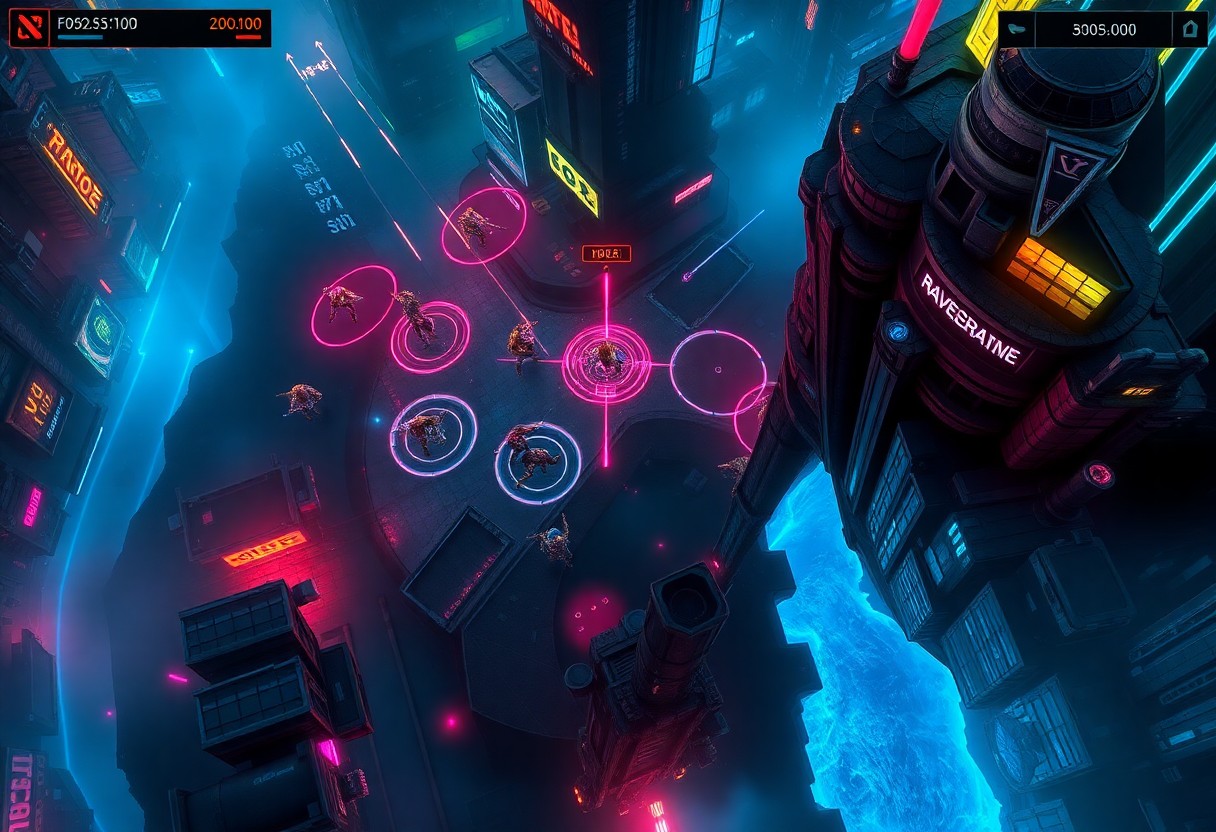
With effective positioning and spell usage, players can significantly influence the outcome of team fights in Dota 2. Mastering these fundamentals enhances team coordination and strategic execution, allowing players to maximize their heroes’ strengths while mitigating weaknesses in high-stakes scenarios.
The Geometry of the Engagement
Maintaining the Front-to-Back Formation
Positioning your heroes from front to back ensures that frontline tanks absorb damage while damage dealers remain protected. This formation effectively minimizes risks, allowing supports to amplify the team’s effectiveness with spells and healing while contributing to crowd control from behind the frontline. Proper alignment creates space for strategic plays and maximizes damage potential.
Utilizing High Ground and Vision Superiority
Enemies often struggle when engaged from higher terrain due to reduced visibility and limited escape routes. Holding high ground grants your team significant advantages, as it permits safer spellcasting and clearer targeting. Establishing this advantage can swing engagements in your favor, ensuring your opponents remain at a disadvantage throughout the fight.
Control of high ground not only enhances visibility but also allows for strategic zoning and area denial. Your team can position themselves to land effective spells while minimizing the threat from enemy abilities. Utilizing wards to maintain vision further amplifies this power, enabling predictions of enemy movements and securing opportunities for decisive plays during team fights.
Positional Roles and Responsibilities
Backline Preservation for Supports and Glass Cannons
Supports and glass cannons must prioritize their positioning to ensure survival. Remaining behind frontliners allows them to cast spells safely while contributing to damage and utility without becoming exposed to enemy threats.
Frontlining and Creating Space for Initiators
Frontliners play a pivotal role in initiating team fights. By absorbing damage and creating space for initiators, they enable their allies to position effectively and unleash powerful spells without fear of immediate retaliation.
Effective frontlining requires understanding enemy positioning and recognizing when to engage. The right frontliner can disrupt backline formations, providing initiators with ample opportunity to follow up with game-changing abilities and secure advantageous trades in chaotic fights.
The Art of the Flank and Deep Backline Access
Flanking maneuvers can decisively impact the outcome of team fights. By approaching from unexpected angles, players can target backline heroes, catching opponents off-guard and forcing them into unfavorable positioning.
Executing a successful flank requires ample communication and coordination. Flankers need to assess enemy reaction and quickly adapt their strategies. Accessing the deep backline can dismantle the opposing team’s structure, allowing the frontliners and initiators to pressure the front line without the risk of being countered effectively.
Mastering Spell Efficiency and Timing
Managing Cooldown Cycles and Mana Pools
Understanding cooldowns is necessary for maximizing spell usage in team fights. Effective players constantly monitor their abilities and mana levels, casting spells efficiently to ensure each one contributes to their team’s objectives.
Identifying and Exploiting Casting Windows
Recognizing opportunities to cast spells without interruption is key to gaining the upper hand. Skilled players anticipate enemy movements and capitalize on moments when opponents are most vulnerable.
Identifying enemy casting windows involves observing their ability cooldowns and movement patterns. By understanding when opponents are unable to respond, players can coordinate their spells to maximize damage and control during key moments in a fight, ultimately leading to favorable engagements.
Layering Crowd Control to Prevent Overlap
Strategically layering crowd control effects is necessary for ensuring team members can follow up consistently. Proper timing avoids overlapping effects that can waste valuable potential and lead to missed opportunities.
Layering crowd control requires thorough communication and understanding of each hero’s skills. Ensuring that stuns, slows, and silences are applied in a sequence allows teams to control enemy movements effectively while maximizing damage output. This coordination prevents wasted spells and keeps enemies locked down for entirely more effective engagements, ultimately securing objectives and victories.
Strategic Target Prioritization
Identifying High-Value Targets and Win Conditions
Assessing enemy heroes to identify high-value targets is key for victory. Focus on characters that can dramatically influence team fights, such as carry heroes or healers, while also considering your team’s win conditions to maximize damage output and survivability.
Navigating Defensive Items and Save Mechanics
Understanding enemy defensive items and save mechanics can turn the tide of battle. Targeting heroes with limited escape options or cooldowns allows for more effective engagement strategies aimed at disrupting their defenses.
Familiarity with defensive items like Glimmer Cape or Force Staff highlights their strengths and weaknesses. Recognizing when these items are on cooldown can inform strategic decisions, allowing your team to exploit potential vulnerabilities. Understanding save mechanics, such as Guardian Greaves or False Promise, helps in timing attacks to ensure maximum impact.
Capitalizing on Power Spikes and Item Timings
Identifying power spikes and item timings is imperative for gaining a tactical edge. Focus on heros who become significantly stronger with key item completions or during specific phases of the game to initiate fights and pressure objectives.
Tracking power spikes, like a core hero reaching Level 6 or acquiring major items such as Black King Bar, enables your team to initiate engagements at opportune moments. Coordinating attacks during these times amplifies your team’s effectiveness, often overwhelming the enemy before they can respond adequately. Understanding these timings gives a strategic advantage crucial for determining the outcome of critical moments in fights.
Environmental Awareness and Terrain Utilization
Navigating Choke Points and Jungle Intersections
Choke points provide strategic advantages during team fights, allowing for effective crowd control and area denial. Positioning near these constricted areas can maximize the impact of area spells while minimizing enemy mobility, enabling your team to capitalize on opponent mistakes.
Positioning During Roshan and Objective Contestation
Optimal positioning is critical during Roshan fights to control vision and secure advantages. Awareness of surrounding terrain allows teams to set up ambushes or retreats, dictating engagement flow and ensuring safety while contesting high-value objectives.
Engaging at Roshan requires teams to position themselves strategically to gain the upper hand. Controlling high ground can provide vision advantages, while ensuring that key damage dealers remain protected can deter enemy initiation. Establishing a formation that covers escape routes enhances survivability and encourages effective spell usage, allowing for coordinated assaults on the objective or enemy heroes alike.
Defensive Maneuvers and Counter-Initiation
Baiting Enemy Resources and Punishing Overextension
Baiting enemies into using their spells or committing too deeply creates openings for counterplay. By positioning in ways that invite aggression, your team can exploit overextension effectively, turning the tide of battle as opponents expend crucial abilities without securing kills.
Executing the Tactical Reset and Disengagement
Timing a tactical reset helps teams recover and regroup after unfavorable engagements. By effectively communicating and retreating when necessary, players can minimize losses and regain a strategic advantage before re-engaging.
Tactical resets require in-depth awareness of cooldowns and enemy positions, enabling teams to pull back when necessary. Instead of forcing further conflict, focus on regrouping with allies to restore health and resources. Often, this down time can be utilized for assessing opponent abilities, preparing for re-engagement, or securing vital objectives while the enemy is unaware.
Final Words
With this in mind, effective positioning and precise spell usage are imperative for dominating team fights in Dota 2. Understanding your hero’s role and the enemy’s capabilities allows for strategic decisions that maximize impact. Focus on communication and awareness to ensure your team operates cohesively, ultimately guiding you to victory.
Q: What is the importance of positioning during team fights in Dota 2?
A: Positioning in team fights is key to maximizing individual impact and team synergy. Proper positioning prevents squishy heroes from being easily targeted while ensuring supportive roles can assist without being in danger. It helps players avoid area spells and high-damage abilities from enemy heroes. Good positioning allows for effective zoning and makes it easier to initiate or counter-attack during clashes.
Q: How should players choose which spells to use in team fights?
A: Spell selection depends on the situation and team composition. Prioritize spells that can control enemies, deal significant damage, or provide utility for allies. Timing is crucial; using spells too early can waste their potential. Understand the enemy’s cooldowns and positioning to decide the best time to cast spells. Communication with teammates enhances spell timing and effectiveness, ensuring coordinated efforts during the fight.
Q: What are common mistakes players make regarding team fight positioning and spell usage?
A: One common mistake is grouping too closely, making the team vulnerable to area-of-effect spells. Another is overcommitting to a fight without proper vision, leading to ambush situations. Ignoring the importance of itemization can also undermine effectiveness; certain items enhance positioning and spell impact. Lastly, poor communication with team members can result in disjointed efforts and missed opportunities for maximizing damage or utility during fights.