






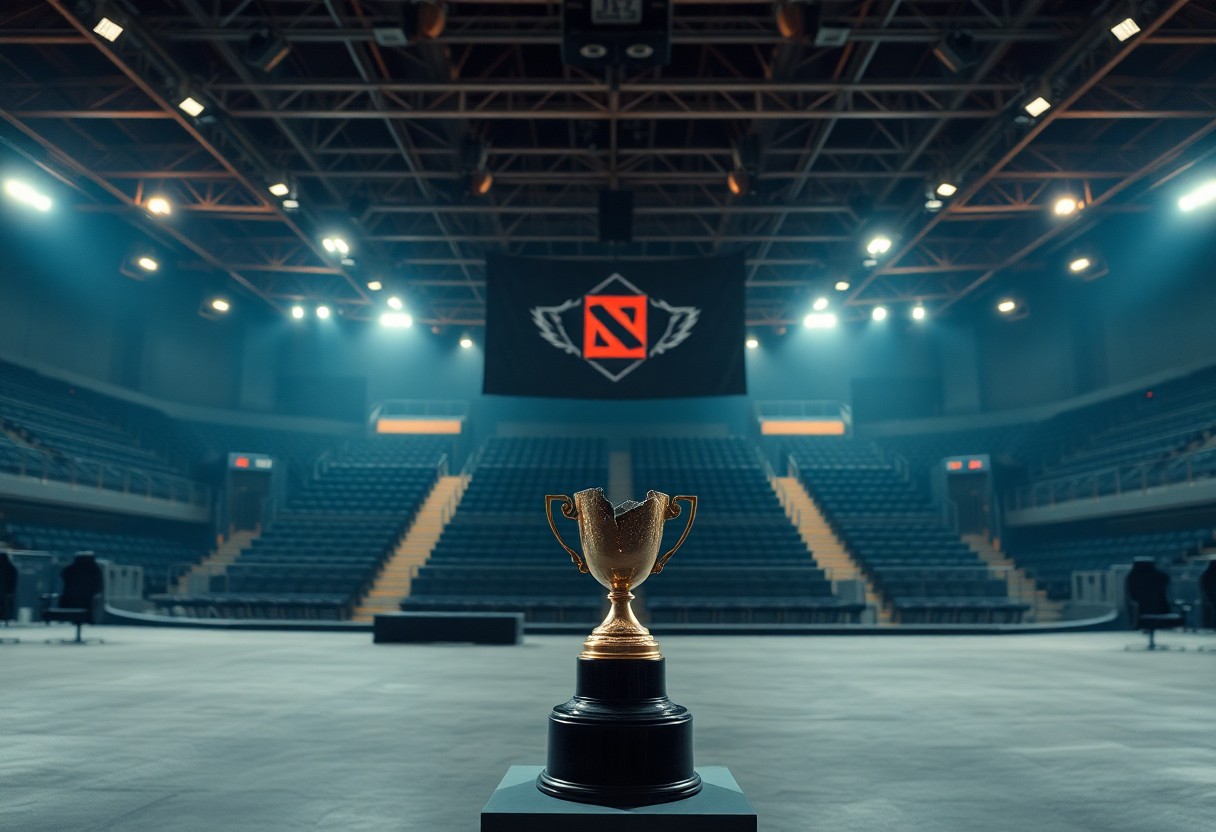
Many observers have noted that the Dota 2 professional scene is undergoing a significant transformation due to a dramatic decline in its prize pool. Renowned for its record-breaking amounts, particularly during The International (TI), Dota 2’s financial landscape has seen a noticeable downturn, causing ripples throughout the competitive ecosystem. This shift has not only led to decreased financial incentives for players and organizations but has also prompted a reconsideration of how talent is scouted, developed, and retained in the esports arena.
The decline in prize money can be attributed to various factors, including reduced community funding through the sale of the annual Battle Pass, which has historically contributed greatly to the prize pool for TI. With Valve’s adjustments, alongside changes in player engagement and community support, the peak payout figures have not rebounded as expected. The once lavish prize money has created an over-saturated market where numerous teams clamored for a cut, often leading to issues like lack of sustainability and burnout among players.
As a direct result, many organizations are reevaluating their involvement in Dota 2. Teams that once dominated the scene are now faced with making tough decisions about roster changes, sponsorships, and overall commitment to the game. While some organizations have decided to stay, there have been several notable exits from the scene, taking with them valuable experience and talent. The shrinking funding pool forces teams to develop alternative revenue streams, including merchandising and sponsorship deals, which may not always align with the competitive focus necessary for success.
This evolving landscape is also prompting a shift in player dynamics. With the prize pool decreasing, many players are reconsidering their long-term plans within Dota 2. Some have transitioned into streaming or content creation as viable career paths, preferring stable income over the unpredictable nature of professional play. Others have turned to opportunities in different games or esports altogether, as they seek to navigate a healthier financial environment. This change reflects the larger trend within the industry, where financial stability increasingly influences player decisions.
The emerging landscape begs the question of Dota 2’s future. With fewer financial incentives, attracting top talent will require innovative approaches, including enhanced support systems for players and more strategic partnerships with businesses. Additionally, it’s possible that the competitive structure may need to be reformed to ensure that smaller teams can have avenues for success. Fostering a more diverse and inclusive pro scene will help enrich competition and engagement among fans, which in turn may lead to renewed interest and support from stakeholders.
In short, Dota 2’s current prize pool collapse is not just a momentary setback, but a signal to rethink how the game operates at all levels. While challenges abound, they also present a unique opportunity for stakeholders to adapt and develop a more sustainable ecosystem for the future. As the Dota 2 scene evolves, the hope is that it will emerge stronger, fostering both competitive integrity and financial stability for all involved.