





Over time, Dota 2’s drafting phase has proven to be a key indicator of a team’s strategic approach and potential success. By analyzing drafting decisions and their correlation with match outcomes, players and analysts can gain insights that reflect team dynamics and market perceptions in competitive play.
Dota 2 Drafting Advantage as a Pricing Signal
Sequential Picking and Incremental Information Disclosure
Sequential picking allows teams to choose heroes in turns, creating a scenario where information is gradually revealed. Each selection influences the remaining available options, shaping strategies based on what opponents leave on the table.
Incremental information disclosure fuels the complexity of drafting. Teams must adapt their strategies as heroes are picked, leading to a dynamic exchange of tactics and potential counterplays that can shift the game’s momentum even before it starts.
The Role of Bans in Shaping Market Expectations
Bans serve as critical indicators of perceived threats within the drafting phase. Teams eliminate heroes not only to remove powerful options but also to signal their strategic intentions, influencing opponents’ choices and expectations.
This process creates a psychological layer to the draft, where bans echo team strengths and weaknesses. Opponents adjust their plans based on banned heroes, constructing a mental model that could affect their confidence and overall in-game performance.
Bans are not merely strategic moves; they convey underlying messages about team strengths and weaknesses. As specific heroes are excluded, the remaining pool hints at potential strategies, thereby setting the stage for market expectations around hero viability. Understanding these signals can greatly inform a team’s drafting approach and overall game strategy.
Quantitative Metrics for Drafting Advantage
Hero synergy coefficients and win-rate probability models
Hero synergy coefficients quantitatively assess how well heroes complement each other within a draft. These coefficients rely on historical match data, reflecting performance metrics when specific hero combinations are paired. By analyzing synergy, teams can make informed decisions, enhancing their chances of winning based on statistical predictions.
Win-rate probability models further refine this approach by utilizing past match outcomes to estimate potential success rates for different hero compositions. These models allow teams to simulate various drafts, identifying optimal pairings and fine-tuning their strategies in real-time based on data-driven insights.
Counter-pick impact on expected value (EV)
Counter-picks consider the inherent advantages that specific heroes have over others in a matchup, significantly affecting expected value (EV). Teams can calculate the potential win-rate shifts by strategically selecting heroes that directly counter opponents’ picks, which often leads to more favorable drafting scenarios.
Analyzing counter-pick dynamics reveals how crucial they are in creating a winning draft. By assessing opponent tendencies and hero vulnerabilities, teams can gain an EV boost. This insight allows for strategic selections that not only enhance synergy but also mitigate risk against enemy compositions, ultimately shaping the match’s outcome.

Market Efficiency and Odds Volatility
Real-time adjustment of live betting lines during the draft phase
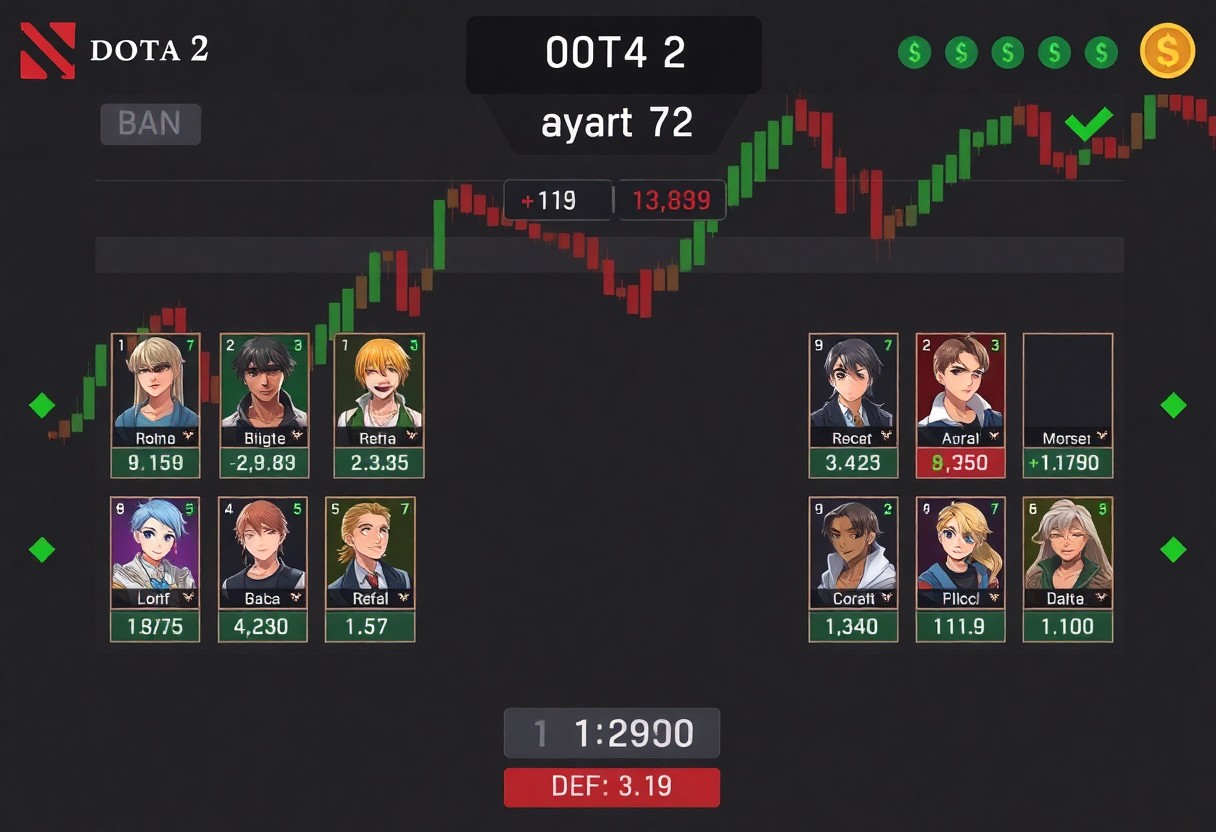
Market dynamics shift dramatically during the draft phase as teams reveal their strategies. Odds fluctuate based on the heroes selected, with immediate adjustments reflecting bettors’ perceptions of each team’s potential. Accurate evaluations from betting markets can lead to more informed decisions, showcasing the volatility inherent in live betting scenarios.
Changes in the draft can trigger significant movements in betting lines. For instance, a high-priority pick may sway trader confidence, prompting rapid adjustments. These fluctuations provide opportunities for astute bettors to exploit mispriced odds that arise from the emotional reactions of the betting public.
Identifying market overreactions to meta-favored heroes
Market perceptions often exaggerate the value of meta-favored heroes at the start of a draft. Teams prioritize these picks based on their perceived strengths, yet this can lead to overvalued odds. Observing these shifts allows bettors to identify when the market reacts disproportionately, presenting advantageous betting opportunities.
Investing time to analyze hero statistics and team compositions throughout the draft can reveal discrepancies in the betting market. Recognizing when odds inflate due solely to popularity rather than tactical synergy allows informed bettors to capitalize on the variance between actual team strength and market misconceptions.
Identifying Asymmetric Information in the Draft
The “Pocket Pick” as a Disruptive Pricing Signal
“Pocket picks” create significant shifts in drafting dynamics, often revealing asymmetric information between teams. While some heroes may not fit the statistical optimality of current meta, their selection can disrupt opponents’ strategies, indicating deep knowledge or unexpected play styles from the drafting team.
Analyzing Pro-Player Comfort Levels Versus Statistical Optimality
Pro-player comfort levels often play a crucial role in drafting, sometimes contradicting statistical advice. Players often excel with specific heroes outside the meta due to personal experience and synergy with teammates. These comfort picks may not always fit the statistical model, emphasizing a divergence between established theory and individual skill.
This divergence indicates how the psychological aspects of gameplay can affect drafting decisions. Comfort levels can lead to better performances than statistical models suggest, emphasizing the need for teams to balance meta adherence with personal proficiency in hero selection.
Analyzing pro-player comfort levels versus statistical optimality reveals key insights into drafting strategies. Players typically experience heightened performance when utilizing heroes they are intimately familiar with, potentially making them more effective than optimal picks dictated by current trends. Recognizing this balance is imperative, as teams that prioritize personal comfort alongside meta viability can enhance their overall chances of success.
Drafting Advantage as a Leading Indicator for In-Game Performance
Correlation between draft strength and early-game resource acquisition
Strong drafts often lead to superior early-game resource acquisition. Teams with well-structured compositions can effectively control the map, securing critical objectives like runes and jungle camps. By establishing dominance early, these teams can translate resource advantages into gold and experience, setting a strong foundation for mid-game success.
Conversely, a poorly executed draft can hinder a team’s ability to gather resources early on. Weak matchups often result in struggles for both lane control and map pressure, limiting opportunities for gold accumulation. This correlation between draft strength and resource gain underscores the importance of strategic decision-making prior to the match.
Timing windows: Pricing the “Power Spike” across game duration
Identifying key timing windows is important for capitalizing on a team’s draft advantages. Different heroes reach their power spikes at distinct stages; thus, understanding these phases allows teams to maximize their effectiveness. Coordinated engagements during power spikes can lead to significant victories and objective control.
Evaluating the timing of these power spikes offers insights into the strategic flow of the game. If a team understands when their heroes become most impactful, they can schedule engagements accordingly. This strategic timing, rather than just raw draft strength, often determines in-game performance.
Scheduling engagements around power spikes is key for translating draft advantages into tangible results. Teams that effectively correlate their hero timings with aggression can secure early leads or turn the tide in critical skirmishes. By consistently engaging during these windows, teams amplify their in-game potential, reinforcing the drafting advantages established before the match.
Risk Assessment and Variance in Hero Composition
High-execution drafts and the premium on mechanical skill
High-execution drafts often rely on heroes that require precise timing and coordination, placing a premium on mechanical skill. Teams confident in their players’ capabilities can secure a significant strategic advantage, capitalizing on their opponents’ potential weaknesses. Effective execution of these drafts can yield substantial rewards, but they also come with increased risks, including the possibility of missed opportunities due to mechanical errors.
Overreliance on skill-centric heroes may limit draft versatility, forcing teams to double down on high-risk plays. Successful execution hinges not just on individual talent but also on seamless team synergy, as any misstep can drastically shift the tide of battle. This dynamic adds layers of complexity to the drafting process, as teams weigh the risks against their overall strategy.
Defensive utility and the mitigation of win-condition volatility
Defensive utility in drafts offers teams a way to stabilize their win conditions, reducing the impact of volatility in gameplay. Heroes with crowd control or damage mitigation serve to protect core heroes, ensuring they can reliably execute their roles. This strategic layer helps address the unpredictable nature of Dota 2 matches, allowing teams to adapt even in challenging scenarios.
Using heroes that provide defensive benefits can significantly moderate the risks associated with aggressive drafts. By ensuring a safety net, teams can shift focus during engagements, allowing cores more room to maneuver. This approach can transform volatile situations into opportunities for secure plays, ultimately supporting long-term goals despite momentary setbacks.
To wrap up
Considering all points, the drafting phase in Dota 2 serves as a key pricing signal for teams. Effective drafting not only reflects a team’s strategic capabilities but also provides insights into their planned synergy and counterplay. Teams showcasing strong drafting skills tend to be valued higher in betting markets, signaling confidence among analysts and fans alike.
By analyzing draft patterns and outcomes, one can gauge potential performance levels. A team’s adeptness in this phase often translates into an upward market trend, illustrating how drafting can influence perceptions of value and competitiveness in Dota 2 tournaments.