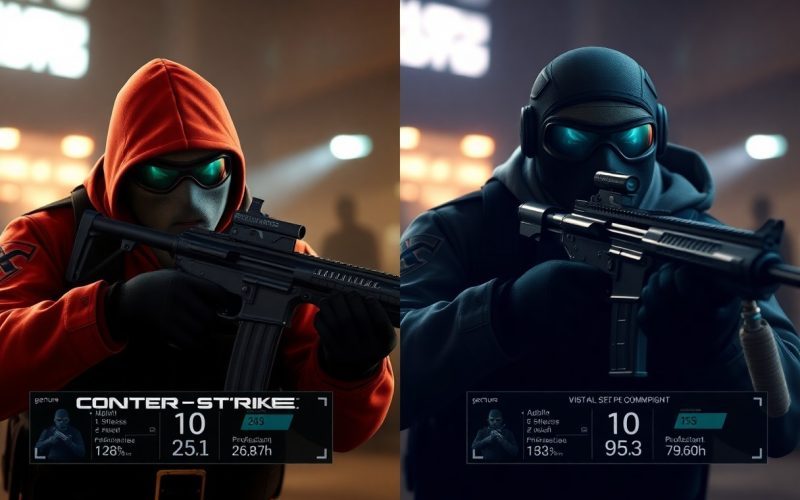








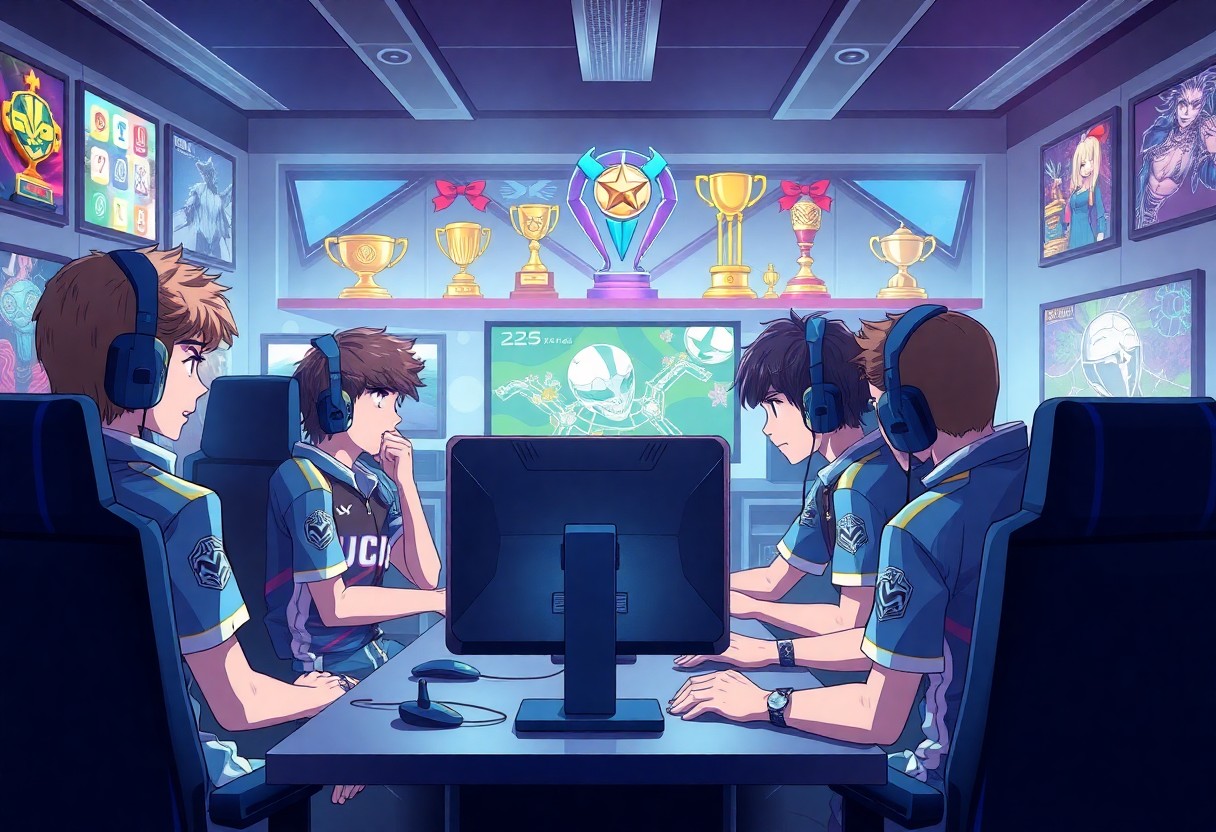
With the competitive landscape of Counter-Strike: Global Offensive (CS:GO) evolving rapidly, clans that uphold their dominance for years employ a mix of strategic training, effective communication, and talent development. Successful teams not only focus on honing individual skills but also prioritize teamwork, forming cohesive units that navigate the intricacies of high-stakes matches. Additionally, adapting to game updates and counter-strategies ensures longevity, allowing clans to remain relevant and effective against an evolving roster of opponents. This post explores the tactics, routines, and strategies that contribute to the sustained success of top CS:GO clans.
The Genesis of Clan Culture in CS:GO
The emergence of clan culture within CS:GO can be traced back to the early days of competitive gaming, where players banded together to form cohesive teams. These clans provided a sense of community and belonging, allowing members to hone their skills, share strategies, and build lasting friendships. As the game evolved, so did the clans, which became vital components of the esports landscape, establishing their own identities and rivalries that enriched the competitive atmosphere.
Historical Context: The Rise of Competitive Gaming
The competitive gaming scene began gaining momentum with the introduction of online multiplayer games in the late 1990s and early 2000s. Titles like Quake and Counter-Strike set the stage by fostering a culture of competition and teamwork. Tournaments and LAN parties drew crowds eager to witness live matchups, paving the way for future esports events. By the time CS:GO was released in 2012, the foundation of competitive gaming had already been laid, allowing clans to flourish and thrive in this burgeoning ecosystem.
The Role of Clan Identity and Branding
Clan identity and branding play significant roles in establishing the longevity of these organizations. Teams often create unique logos, colors, and slogans that resonate with their fanbase and build a sense of loyalty and pride among members. For example, iconic clans like FaZe Clan and Team Liquid have distinct identities that help them stand out in the esports arena. These brands are more than just names; they embody the spirit and culture of the community they represent. Engaging social media presence and consistent branding efforts allow clans to deepen connections with their fans, increasing visibility and support rain or shine.
Mastering the Competitive Edge: Training and Strategy
Continuous mastery of both training and strategy solidifies a clan’s competitive edge, allowing them to outmaneuver opponents consistently. Regular practice sessions expose players to various scenarios and cultivate teamwork, while strategy development ensures adaptability across different maps and tactics. Best-in-class clans routinely analyze past matches, evaluating their performance to refine their approach and address weaknesses. This relentless pursuit of excellence keeps them ahead of the competition, transforming raw talent into a cohesive unit capable of executing intricate game plans seamlessly.
Tactical Preparation: The Importance of Rehearsing Strategies
Tactical preparation fosters a clan’s ability to implement effective in-game strategies, transforming theoretical approaches into practical execution. Teams that rigorously rehearse specific tactics will find themselves more prepared during high-pressure situations. By simulating game scenarios, clans can identify weaknesses in their coordination and rectify these before facing opponents. This practice builds confidence among team members, enabling them to execute strategies in tandem without hesitation.
Role Specialization: Building the Ideal Team Composition
Defining distinct roles within a CS:GO team enhances overall performance and ensures that players excel in their designated areas. Each player adopts specific responsibilities, such as entry fragger, support, AWPer, or in-game leader, allowing for a well-rounded and strategically layered team dynamic. A well-structured team composition not only maximizes individual strengths but also enhances synergy, making it more difficult for opponents to anticipate and counter their moves.
Successful clans often analyze players’ strengths and weaknesses to develop optimal role specializations, investing time to train individuals for their specific functions. For instance, dedicated entry fraggers lead aggressive pushes that create openings, while support players focus on utility usage and providing cover. This careful delineation allows for smoother coordination and effective communication during matches. Teams that specialize roles and maintain a roster with diverse skill sets can execute complex strategies, outsmarting less organized opponents with ease. In essence, the ideal team composition is not just about individual talent but about leveraging each player’s strengths to achieve a harmonious and effective strategy on the battlefield.
The Psychology of Team Dynamics
The psychology of team dynamics plays a vital role in the sustainable success of CS:GO clans. Teams that understand and harness the intricacies of human behavior foster stronger relationships, leading to better performance on the virtual battlefield. By nurturing a sense of belonging and accountability, clans can create an environment where individual strengths are maximized and weaknesses are compensated. Recognizing the unique contributions of each member enhances cohesion and forms a foundation for enduring dominance in the competitive scene.
Building Trust and Communication Among Members
Trust and open communication are the cornerstones of effective team dynamics in CS:GO clans. Regular discussions, both in and out of gaming sessions, encourage players to voice their opinions and concerns. Utilizing platforms like Discord for daily interactions fosters a sense of camaraderie and ensures that all members are aligned with the team’s goals. This transparency cultivates a supportive atmosphere, where players feel empowered to take risks and improve collectively, ultimately leading to enhanced game strategies and cohesive gameplay.
Managing Conflict: Techniques for Smooth Operations
Managing conflict within a CS:GO clan requires effective techniques that prioritize resolution over dissent. Establishing ground rules for communication, such as active listening and constructive criticism, allows members to address disagreements respectfully. Regular team reviews can pinpoint potential issues before they escalate. Additionally, employing a neutral mediator during conflicts can help maintain objectivity and facilitate a solution-oriented dialogue. By maintaining a focus on shared objectives, clans can transform challenges into opportunities for growth, reinforcing their resilience.
Conflict management strategies may involve role-playing scenarios, where members act out typical disagreements, or employing feedback loops that encourage proactive dialogue. Setting up structured meetings post-games can help address any tensions that arise, allowing players to reflect constructively on their interactions. Over time, these practices help to establish norms for handling conflict, making it easier for the team to navigate challenges smoothly. The result is a resilient unit that can withstand both in-game pressure and interpersonal disputes, ultimately contributing to a clan’s longevity and success.
Sustaining Engagement and Recruitment
Sustaining player engagement in CS:GO clans involves not just rigorous training but also fostering a sense of community and belonging. Clans often leverage social media, forums, and in-game events to ensure that all members feel connected, while actively providing opportunities for players to showcase their skills and share achievements. Regular matchmaking sessions, tournaments, and themed events keep the atmosphere lively, encouraging active participation and loyalty among members.
Keeping Motivation High: Strategies for Retaining Players
To retain players within their ranks, clans implement various motivational strategies such as rewards systems, mentorship programs, and peer recognition. Regular goal-setting sessions allow players to outline personal and team objectives, fostering accountability and driving progress. Moreover, hosting internal competitions and leaderboards can stoke a competitive spirit, as players strive to improve while being celebrated for their successes.
Recruitment Techniques: Finding and Integrating New Talent
Successful clans continually seek new talent to maintain their competitive edge and foster fresh ideas. Recruitment often involves scouting new players through in-game performances, community forums, and social media platforms. Many clans organize tryouts or open houses where prospective members can demonstrate their skills. Instead of a simple “yes” or “no,” they integrate new members through mentorship and gradual involvement in clan activities, ensuring a smoother transition and retention of fresh talent.
Specific recruitment techniques can include hosting clan wars against other teams to gauge potential players’ skills, thereby attracting those who thrive in competitive scenarios. Additionally, applying an inclusive selection process that values dedication and teamwork over sheer statistics can create a diverse environment that supports both newcomers and veterans. Some clans utilize streaming platforms to showcase potential candidates, allowing them to engage with existing members and demonstrate their capabilities in real time. Integration into the clan is made easier through structured onboarding programs that pair newcomers with experienced members for guidance and support, creating a sense of belonging right from the start.
Harnessing Community and Networking for Success
Successful CS:GO clans excel not just at games, but also in creating a thriving community around their brand. Engaging members through events, tournaments, and forums strengthens the clan’s identity and loyalty. These interactions cultivate a vibrant atmosphere where players share strategies, celebrate victories, and support one another, which contributes significantly to ongoing success and overall player retention.
Leveraging Social Media and Streaming Platforms
Social media and streaming platforms serve as vital tools for CS:GO clans to promote their brand and build a community. Regular updates about matches, events, and player highlights on platforms like Twitter and Instagram keep fans engaged and informed. Additionally, streaming gameplay on Twitch or YouTube allows clans to showcase their talent live, drawing in new fans and potential members while fostering a deeper connection with their audience.
Collaborating with Other Clans and Players for Growth
Collaborations within the gaming community lead to shared resources and increased exposure for CS:GO clans. By partnering with other clans for joint events or scrimmages, clans can strengthen their competition while widening their networks. This cooperative environment not only invites more players but can also spark innovation in strategy and gameplay, ultimately pushing the clan towards greater competitive success.
Building partnerships with other clans and influencers amplifies a clan’s reach and visibility. For instance, organizing cross-clan tournaments allows for a blend of talent that attracts spectators and participants alike, introducing new players to established clans. Additionally, hosting collaborative events with popular streamers can draw their audiences into the clan’s fold, translating views into active participation. This synergy creates a win-win scenario for everyone involved, reinforcing the notion that cooperative efforts drive both growth and sustainability in the competitive landscape of CS:GO.
Conclusion
Conclusively, CS:GO clans maintain dominance for years through a combination of strategic gameplay, consistent practice routines, strong leadership, and a dedicated community. These factors create a sustainable ecosystem that nurtures talent and fosters teamwork. By analyzing their competition and adapting to changes within the game, successful clans ensure their legacy in the ever-evolving landscape of professional gaming. This adaptability, coupled with effective communication and synergy among team members, solidifies their position at the forefront of CS:GO competitive play.