






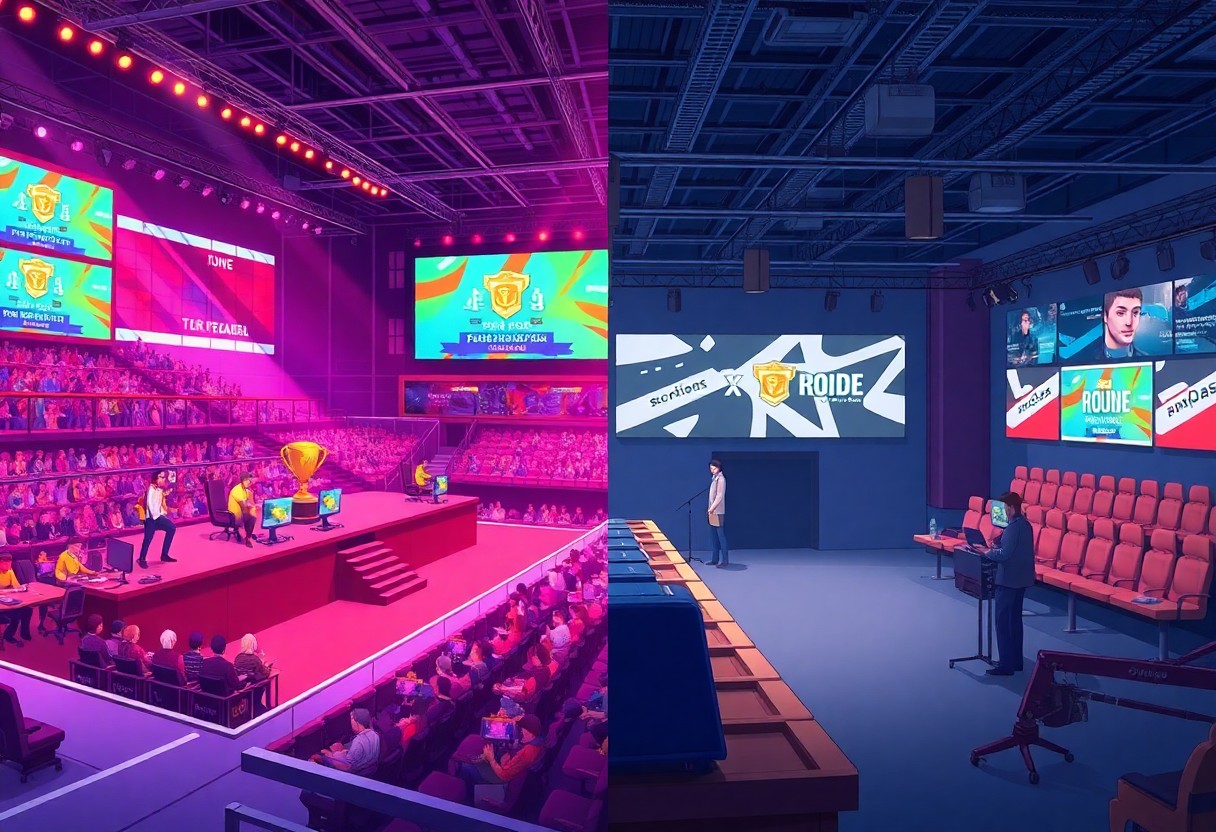
There’s a noticeable difference in liquidity between CS2 tier one and tier two events. Understanding these distinctions can greatly influence betting strategies and market engagement, revealing how tier placement affects overall event performance and stakeholder investment opportunities.
Defining the CS2 Competitive Hierarchy
Tier One: Partner Leagues and Valve-Sanctioned Majors
Tier One events represent the pinnacle of CS2 competition, featuring partner leagues and Valve-sanctioned majors. These tournaments attract the highest-caliber teams and offer substantial prize pools, ensuring a prestigious atmosphere. Brands and sponsors heavily invest in Tier One, further solidifying its elite status.
Claiming a spot in these leagues requires consistent top-tier performances, as only the best teams earn invitations. Participants gain invaluable exposure, with fans worldwide tuning in to watch high-stakes matches.
Tier Two: The Regional Circuit and Online Qualifiers
In Tier Two, the focus shifts to regional circuits and online qualifiers, where aspiring teams compete for a chance to ascend. These events offer a more accessible platform for emerging talent, fostering growth in less saturated markets. While the prize pools may be smaller, the competitive spirit remains fierce as teams strive for recognition.
Participating in Tier Two tournaments allows teams to refine skills and establish synergy, imperative for climbing the competitive ladder. Players can gain exposure, scouting opportunities, and experience, critical for any future success.
The Distinction Between S-Tier and Developmental Ecosystems
Understanding the difference between S-Tier events and developmental ecosystems is fundamental to grasping CS2’s competitive structure. S-Tier tournaments feature only the elite teams, distinguished by significant prize pools and extensive media coverage. Conversely, developmental ecosystems nurture new talent, providing imperative competition experience while offering lower stakes and rewards.
Emerging teams often rely on these platforms to gain exposure and prove their capabilities, making the distinction impactful for player development. As talent transitions from the lower tier to S-Tier, the growth narrative becomes clearer, with each stage leading toward potential stardom.
Betting Market Depth and Volume
Handle Comparison: High-Stakes Volume in Tier One Matches
Tier one matches consistently showcase higher betting volumes, reflecting the intense interest from bettors. This elevated engagement translates to significant liquidity, making it easier for users to place large bets without affecting the odds.
Handle Comparison: High-Stakes Volume
| Match Type | Average Handle |
|---|---|
| Tier One | $100,000+ |
| Tier Two | $10,000-$30,000 |
Odds Stability and the Impact of Large Wagers
Large wagers can disrupt odds stability, particularly in tier two events. Market participants often react swiftly to substantial bets, leading to rapid price adjustments.
Smaller handle leagues may experience heightened volatility in odds, as even modest wagers can signal market shifts. In contrast, tier one events show greater resistance to fluctuations due to deeper liquidity.
Market Sensitivity to Roster Changes and Stand-ins
Roster changes significantly influence market dynamics, particularly in tier two events where team chemistry plays a pivotal role. Bettors react strongly to news about player substitutions, causing immediate odds adjustments.
In tier one matches, such changes can still impact betting lines, but the established teams may have backup strategies that temper volatility. Market adjustments reflect both historical performance and anticipated synergy among players.
Financial Liquidity and Sponsorship Valuation
Brand Safety and Premium Ad Placement in Elite Events
Top-tier events offer brands exceptional visibility and credibility, often associating them with high-quality content. These environments ensure that advertisers feel secure, as elite tournaments attract attentive audiences who value the experience.
In contrast, tier two events may not guarantee the same level of exposure or reputation. Brands investing in these competitions risk associating with less stringent production values, which might affect overall brand image.
The High-Risk, High-Reward Nature of Tier Two Sponsorships
Investing in tier two sponsorships can yield substantial returns if the event successfully gains traction. Organizations that capitalize on emerging events might see rapid brand loyalty from competitive, engaged audiences eager for new experiences.
Risk factors, however, include less predictable audience sizes and potential for organizational instability. Brands face challenges in ensuring a return on investment, requiring precise targeting and calculated strategies.
Investing in tier two sponsorships involves balancing notable risks against attractive rewards. Organizations may find untapped audiences in rising events, but the lack of established metrics necessitates a cautious approach to ensure profitability and brand alignment. This unpredictability can deter brands that prefer the safety of established platforms.
Prize Pool Distribution and Organizational Sustainability
Prize pool distribution significantly impacts both player engagement and organizational longevity. Tier one events typically offer larger payouts, boosting viewer interest and sponsorship deals, while tier two competitions might struggle with tighter budgets.
Distributing smaller prize pools in tier two events may hinder participant motivation, affecting competitive quality. Organizations must balance sponsorship revenue with adequate prize funds to attract top talent and maintain audience interest.
Prize pool distribution plays a key role in shaping the sustainability of organizations. Reliable funding directly influences tournament operations and the prospects for growth, affecting not only the immediate event but also future endeavors within the esports ecosystem.
The Human Capital Market: Player Transfer Liquidity
Valuation of Top-Tier Talent and Seven-Figure Buyouts
Top-tier players command significant valuations, with contracts often stretching into seven figures. This price reflects not just gameplay skills but also audience appeal and marketability, leading to hefty buyouts during transfer windows. Valuations can fluctuate, influenced by performance metrics and fan engagement, ensuring that investment in elite talent remains a top priority for teams vying for championship contention.
Franchises often see these investments as imperative to both competitive success and revenue generation. As such, the financial commitment to securing top-tier talent signals a team’s intent to not just compete, but to dominate in the esports arena.
Tier Two as a Feeder System: Velocity of Roster Rotations
Tier two teams frequently function as a strategic feeder system for tier one franchises. Roster rotations occur rapidly, allowing emerging talent to gain invaluable experience and showcase skills under pressure. This dynamic contributes to the fluidity of player movement within the professional circuit, benefitting both players and teams.
Current trends indicate that organizations regularly monitor tier two performance for potential transfers, ensuring a steady influx of fresh talent to sustain competitive performance at the highest levels. As such, tier two serves both as a proving ground and a vital resource for tier one squads.
Contractual Flexibility and the Impact of Benchings
Contractual arrangements in esports often provide flexibility that can change with team needs and player performance. Benchings impact not just individual player morale but also overall team chemistry and dynamics. Teams may renegotiate terms or explore buyouts when players do not meet expectations, creating a cycle of continual adjustment.
The structure of contracts allows teams to adapt quickly to emerging situations, balancing immediate competitiveness with long-term strategy. As a result, the ability to maneuver contracts effectively enables teams to maximize both player potential and organizational goals within a rapidly evolving competitive environment.

Audience Metrics and Media Rights Liquidity
Peak Viewership Consistency in Global S-Tier Tournaments
Viewership metrics in global S-tier tournaments reveal consistent peaks, often driven by major matchups and established rivalries. High-stakes events attract not only ardent fans but also casual viewers, creating a spike in overall engagement across platforms.
These tournaments often draw millions of viewers simultaneously, showcasing the competitive integrity and entertainment value of top-tier matches. Predictable viewership patterns provide sponsors and media rights holders with a reliable opportunity for revenue generation and brand visibility.
Niche Community Engagement and Grassroots Growth in Tier Two
Engagement in tier two events often thrives due to passionate, dedicated communities. Smaller tournaments cultivate local talents, fostering deeper connections between players and fans. These grassroots movements can lead to increased loyalty and long-term support from audiences.
Tier two events frequently serve as a breeding ground for upcoming stars. As smaller leagues gain traction, their ability to engage specific audiences becomes necessary for attracting sponsorships and media attention.
Niche communities often display a remarkable dedication to their favorite games and players, leading to organic growth in engagement. This commitment contributes to a vibrant ecosystem, where grassroots initiatives develop future talent, propelling the scene forward while building a loyal supporter base.
Platform Exclusivity and the Value of Broadcasting Rights
Exclusivity in broadcasting rights creates a competitive edge for platforms targeting eSports audiences. Tier one leagues often secure lucrative deals that ensure unique access to content, bolstering their positioning in the crowded media market.
This strategy enhances viewer loyalty, as fans flock to specific platforms to catch their favorite events. By restricting access, platforms can drive subscription models and foster deeper interactions with a dedicated audience.
Securing exclusive broadcasting rights allows platforms to differentiate themselves in a saturated market. More than just access to content, exclusivity offers significant negotiating power, facilitating partnerships with brands eager to reach a highly engaged viewer demographic.
Risk Assessment and Integrity Monitoring
Match-Fixing Vulnerabilities in Lower-Liquidity Markets
Lower-liquidity markets often lack stringent oversight, making them attractive for match-fixers. Insufficient financial stakes may prompt players to manipulate outcomes for personal gain, as the potential for profit with minimal risk becomes appealing. Consequently, the absence of large, reputable sponsors can result in lower scrutiny from regulators.
Limited betting options can create a false sense of security among bettors. Lower volumes mean fewer eyes are observing the intricate patterns of play, facilitating the ability for manipulation to go unnoticed. Such opportunities pose a significant threat to the integrity of competitions in these environments.
Performance Variance: Analyzing Professionalism Gaps Between Tiers
Professionalism significantly varies between tier one and tier two events, affecting overall competition quality. Upper-tier players usually maintain rigorous training regimens, access to advanced coaching, and better resources, contributing to elevated skill levels. In contrast, lower-tier players often lack these advantages, leading to inconsistent performances.
Analyzing this gap reveals insights into how player attitudes and training environments shape outcomes. Differences in commitment levels manifest in match results, impacting the potential for match-fixing as lower-tier players sometimes face financial pressures that can compromise integrity.
Performance discrepancies between tiers influence betting patterns and market behaviors. High-stakes tier one matches attract diverse participants, enhancing competitive integrity due to greater public and media scrutiny. Conversely, frequent inconsistencies in tier two matches can trigger irregular betting activity, raising red flags in liquidity assessments. Understanding these nuances enables stakeholders to refine risk management strategies more effectively.
Final Words
To wrap up, the disparity in liquidity between CS2 tier one and tier two events is significant. Tier one events attract more sponsors and higher viewership, resulting in increased funding and betting activity. This leads to a more stable market, with greater liquidity available for participants.
Tier two events, while still engaging, often struggle with lower attendance and reduced financial backing. This disparity affects the betting dynamics and overall market fluidity. Understanding these differences is imperative for stakeholders aiming to maximize their engagement and investment outcomes in the competitive CS2 ecosystem.