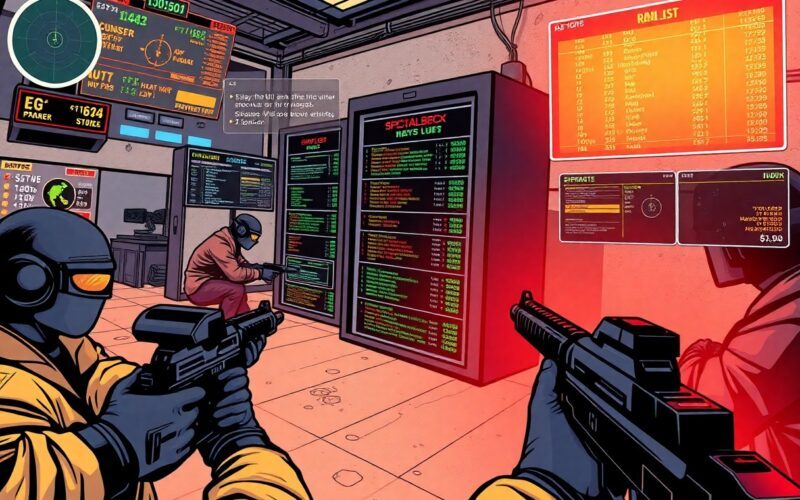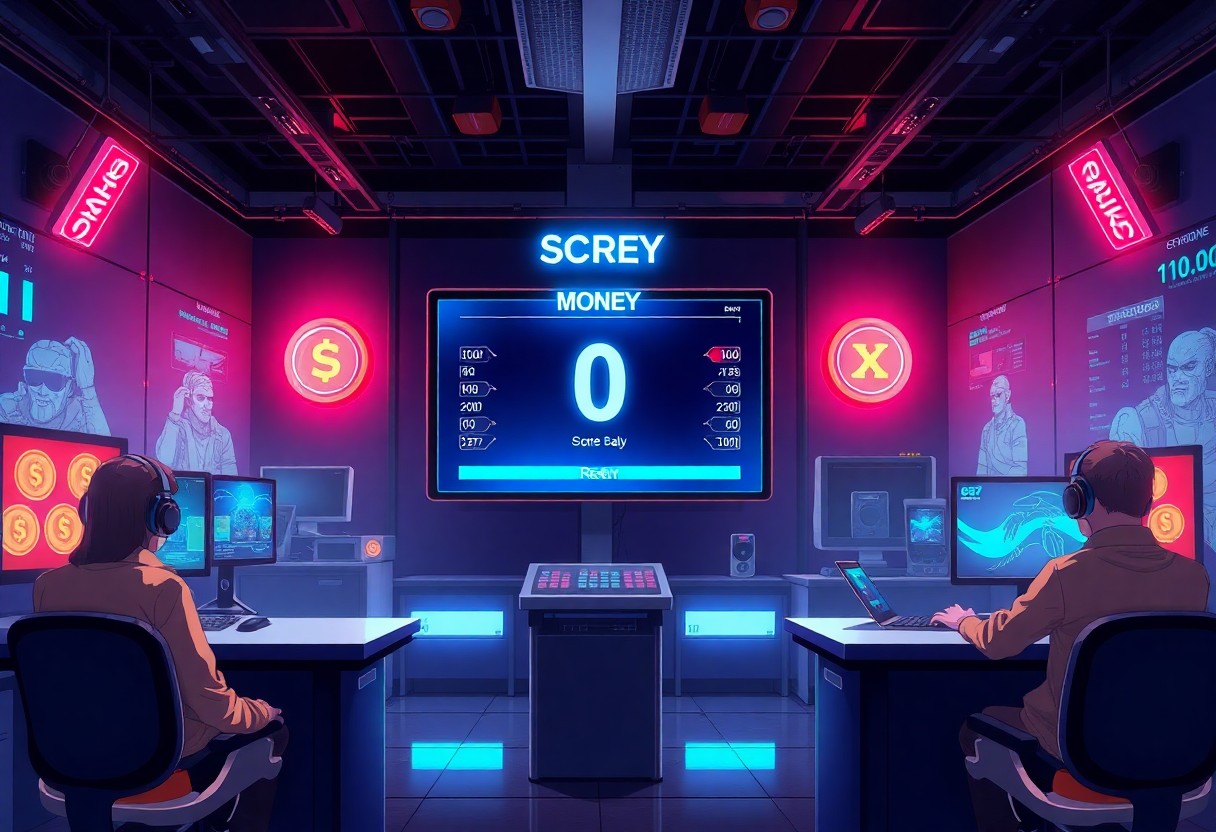
With recent updates in CS2, the economy is experiencing significant resets and totals recalculations. Understanding these changes is necessary for players aiming to optimize their strategies and performance, impacting both gameplay and in-game purchases.
The Fundamentals of CS2 Economy Mechanics
Kill Reward Disparities Across Weapon Classes
Kill rewards vary significantly depending on the weapon class used. Rifles typically offer higher rewards compared to SMGs and shotguns. This disparity influences player strategy, as acquiring kills with more expensive weapons greatly boosts a team’s economy. Players often prioritize specific loadouts to maximize their financial gain within a match.
Understanding these differences can enhance gameplay tactics. Players aware of weapon kill rewards adjust their loadout choices according to their role in the team, ensuring optimal economic contributions throughout the game. This strategy becomes vital in high-stakes situations where every economy decision counts.
The Loss Bonus Ladder and Sequential Scaling
The loss bonus system in CS2 ensures that teams receive increasingly larger bonuses for consecutive losses. This mechanic incentivizes teams to adapt their strategies and regain footing after setbacks. As teams lose, they can accumulate substantial funds which can level the playing field over time.
Strategic planning around the loss bonus ladder often leads to significant shifts in gameplay dynamics. Recognizing when to purchase or save based on accumulated bonuses aids teams in optimizing their economy. Such careful handling of resources is paramount for turning the tide in a match.
The loss bonus system aids teams bouncing back from adversity, encouraging a more dynamic playstyle. Each loss not only impacts in-game finances but also the team’s psychological approach to challenges. Understanding the timing of purchases based on this system can drastically alter a team’s fortune within a match, making it a key focus for players looking to improve their game strategy.
Economy Reset Triggers and Logic
Half-Time Financial Equalization
Half-time serves as a critical moment in team strategy, leading to financial equalization. This reset allows teams to reassess resource allocation and player roles, balancing the economy and creating a level playing field. Such measures ensure that performance disparities do not result in insurmountable financial advantages.
Equalization at half-time encourages strategic planning and adaptation. Teams can adjust tactics based on their economic conditions and the opponent’s performance, fostering a more dynamic and competitive environment. In this way, tactical choices become as pivotal as individual skill sets.
Overtime Starting Capital and Static Resets
Overtime introduces a new layer of strategy with designated starting capital. Each team receives a fixed amount, promoting immediate action rather than gradual financial buildup. This allocation encourages teams to engage aggressively, shifting the game’s momentum.
Static resets play a crucial role during this phase, eliminating any prior economic advantages. By leveling the financial playing field, teams must rely on their skill and adaptability for success. The outcome of matches in overtime often hinges on quick decision-making and the effective use of resources.
The decision to implement static resets in overtime reflects a commitment to fairness and competitive integrity. Both teams start fresh, allowing strategies centered around teamwork and execution rather than prior resource management, which fosters an intense and unpredictable finish to closely contested matches.
Totals Recalculation: Tracking Net Worth and Equipment Value
Understanding the dynamics of net worth and equipment value plays a critical role in CS2’s economy resets. Players must stay attuned to their total assets, which include cash, weapon skins, and other resources. Accurate tracking allows teams to adapt strategies based on their financial standings, optimizing purchase decisions and overall performance during rounds. As these values fluctuate, real-time insights can be leveraged for improved decision-making.
Real-Time Inventory Valuation Algorithms
Algorithms for inventory valuation provide players with instant updates on the worth of their equipment. By analyzing current market trends and individual inventory data, these tools adjust valuations dynamically. Such immediate feedback helps players make informed choices about selling or upgrading their assets without delay.
Integration of these algorithms into gameplay enhances transparency in economic management. Players benefit from constant awareness of their net worth, facilitating timely decisions that can influence the outcome of matches.
Team Economy Visibility and Tab-Menu Analytics
Team economy visibility enhances collective decision-making by offering insights into each player’s financial status. Utilizing the tab menu, players can view detailed analytics of both their resources and teammates’ assets. This collective awareness allows for strategic planning regarding purchases and investments during rounds.
Evaluating team economy through tab-menu analytics promotes better coordination. When players can see the overall financial health of their team, they can align their purchases accordingly, ensuring that resources are allocated effectively to maximize their competitive edge. Such insight transforms individual financial management into a unified team strategy, ultimately boosting performance in high-stakes scenarios.
Strategic Implications of MR12 on Economy Management
The Heightened Penalty of Unsuccessful Force Buys
Unsuccessful force buys now yield harsher penalties, impacting overall team morale and resources. Losing the investment not only depletes funds but also places teammates at risk, forcing a significant strategic reevaluation.
Teams must adopt a more calculated approach to force buys, weighing potential outcomes against the economic repercussions. As the penalties increase, finding opportunities for more conservative plays can be beneficial in maintaining a competitive edge.
Adjusting Save Thresholds for Shorter Match Durations
Implementing save thresholds adaptable to shorter match durations requires teams to rethink their financial strategies. With matches becoming faster-paced, the economic window for preserving funds shrinks, making it crucial to adjust how savings are calculated.
Adjustments to save thresholds necessitate deeper analysis of round structures and player performance metrics. Teams need to determine optimal points to save given the urgency of the match, ensuring they capitalize on limited time while maintaining competitive resources.
A tactically informed approach to adjusting save thresholds can enhance team performance significantly. Teams must analyze their current economic states frequently, enabling swift decisions on whether to save or invest. Balancing risk and reward will allow them to remain viable contenders even in accelerated match formats and refine their in-game strategies based on these insights.
Impact of Utility and Armor on Long-term Financial Health
The Opportunity Cost of Full Utility Sets
Purchasing a full utility set incurs a significant opportunity cost. Investing resources into grenades, flashbangs, and other tactical gear can limit funding for necessary items like rifles or armor. Teams must balance immediate tactical needs against long-term financial viability. Every dollar spent on utility could diminish the economic buffer required for crucial rounds, especially in high-stakes matches.
Analyzing the overall match impact reveals that teams opting for full utility sets often struggle economically in later rounds. Efficient resource allocation becomes necessary; therefore, choices in utility configuration can shape not just one round, but potentially influence the entire match outcome.
Helmet Priority vs. Kevlar-only Economic Efficiency
Choosing between investing in helmets and opting solely for Kevlar presents a critical economic decision. Helmets provide additional protection against headshots but at a higher cost, impacting overall team funds. Prioritizing helmets may bolster survivability, yet can also reduce the number of rounds a team can compete in effectively.
Considering the balance between protection and cost-efficiency often determines a team’s performance in critical moments. Analyzing scenarios where teams forgo helmets reveals patterns that either enhance or undermine their overall competitiveness across multiple rounds.
Strategies focusing on Kevlar-only loadouts can often result in immediate economic benefits by freeing up funds for weapons and utility. However, the trade-off becomes apparent in late-game situations where headshot protection can be the difference between life and death, ultimately impacting not only that round but the team’s financial health for future engagements.
Advanced Tactics for Economic Recovery
- Utilizing tactical saving during rounds
- Prioritizing high-value weapons in purchases
- Establishing communication for resource sharing
- Conducting cost-benefit analyses on round strategies
- Adapting to opponents’ economic states
Identifying Optimal Exit Frag Opportunities
Identifying Optimal Exit Frag Opportunities
Recognizing exit frag opportunities hinges on understanding opponent tendencies. Observing their movement patterns during critical moments allows players to anticipate when an elimination will maximize your economy. This can lead to advantageous positioning and decisive engagements when acquiring kills presents most value.
Strategic timing is vital. Implementing these opportunities precisely when the opponent’s economy is weakened can result in substantial rewards, making it easier to bounce back after a reset. Higher rewards from frags during these moments boost team finances significantly.
Weapon Drops and Cooperative Resource Allocation
Weapon Drops and Cooperative Resource Allocation
Weapon drops can serve as a means of collective resource management. Teams should establish protocols for sharing weapons based on individual player needs or roles. Coordinating who picks up dropped items can minimize waste and maximize effective use across the squad.
With shared resources, players enhance their potential for economic recovery. By ensuring each teammate has access to necessary gear, teams can maintain a competitive edge throughout rounds despite experiencing financial difficulties.
Effective communication greatly enhances the strategic sharing of weapon drops. When players stay informed about each other’s economic situations, they can make tactical decisions that benefit the whole team, not just individuals. This level of cooperation is integral to sustaining performance later in the match.
Managing the “Broken” Economy After Consecutive Loss Resets
Managing the “Broken” Economy After Consecutive Loss Resets
Assessing the current economic state after consecutive losses allows teams to adjust strategies accordingly. Recognizing when to try economy rounds or full buys can significantly impact recovery efforts. Incorporating calculations of buy power into team discussions will yield better outcomes.
Planning for failure through a tactical approach enables players to design strategies around inherent risks. Understanding when to take calculated risks can eventually lead to regaining financial stability and a more favorable game state.
Identifying optimal timings for tactical buys versus saving rounds becomes important in this scenario. Players must stay vigilant, adapting their strategies to exploit opportunities while echoing team strengths and weaknesses. This mindset paves the way for better economic recovery after turbulent rounds.
To wrap up
With this in mind, CS2 economy resets and total recalculation significantly influence player strategies and market dynamics. The shift in economy affects weapon prices and item availability, creating a ripple effect throughout the game.
Understanding these resets allows players to adapt more effectively to the changing environment. Staying informed about price fluctuations and economy adjustments can enhance gameplay and overall experience, ensuring players remain competitive in evolving scenarios.