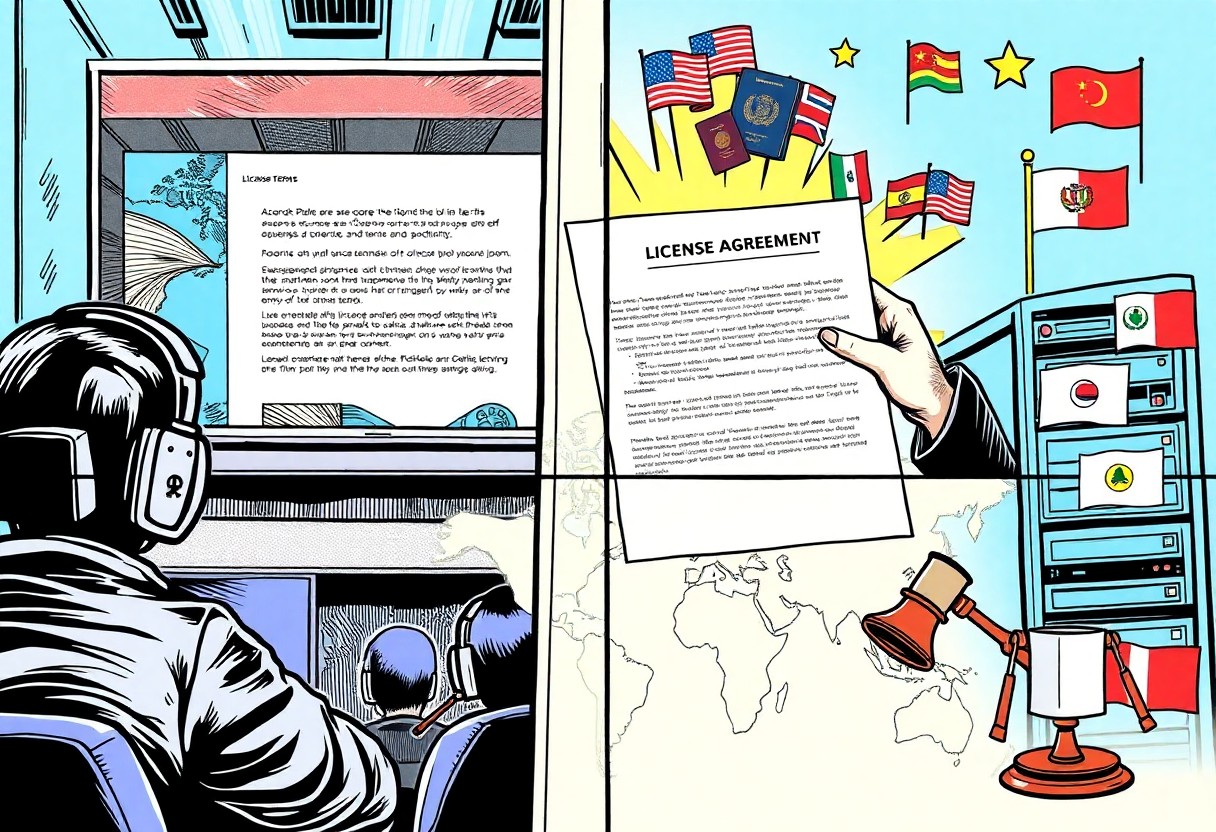
Most esports platforms face complex challenges regarding cross border licensing. As they expand globally, understanding regulatory frameworks and compliance requirements becomes vital to mitigate risks associated with intellectual property and operational legality across different jurisdictions.
The Global Landscape of Esports Ecosystems
Stakeholder Mapping: Developers, Publishers, and Platform Operators
Understanding the roles of various stakeholders in esports is crucial for mapping potential risks and opportunities. Developers create the games, while publishers handle distribution and marketing. Platform operators, whether streaming services or esports platforms, facilitate the connection between players and audiences.
Each stakeholder plays a unique part in the ecosystem, influencing the overall governance and success of esports. Collaboration among these entities ensures a thriving environment where innovation can flourish, highlighting the interconnectedness in this rapidly evolving sector.
Revenue Streams and Intellectual Property Value Chains
Revenue generation in esports is multifaceted, incorporating sponsorships, ticket sales, streaming rights, and merchandise. Intellectual property is at the core of these revenue streams, as branding and content drive consumer engagement.
Understanding the intellectual property value chains allows stakeholders to more effectively monetize their assets. This not only enhances profitability but also ensures that the rights of creators and players are honored throughout the process.
Revenue streams not only encompass direct sales but also extend to advertising and partnerships, which can significantly amplify financial stability. Recognizing this interconnected nature aids in strategizing for sustainable growth within and across different markets.
The Shift from Localized Events to Global Digital Distribution
Transitioning from localized events to global digital distribution has reshaped how esports engage their audiences. Traditional tournaments are now complemented by online streams, enabling a wider reach beyond geographic boundaries.
This shift allows for unprecedented levels of engagement and interaction with fans globally. As technology continues to evolve, the potential for digital platforms to elevate the esports experience will likely expand, incorporating various innovative viewing and participation methods.
Global digital distribution not only democratizes access to esports events but also offers new avenues for sponsorship and advertising. With more viewers than ever participating online, brands gain access to diverse markets and demographics, enhancing their marketing strategies and return on investment.
Intellectual Property Rights and Cross-Border Challenges
Territoriality vs. Digital Ubiquity in Copyright Law
Copyright law operates on a principle of territoriality, meaning protection varies by country. This creates complications in the esports sector, where digital services span multiple jurisdictions. Copyright holders may find their work inadequately protected when distributed across borders, causing potential revenue losses.
Digital ubiquity complicates the enforcement of these rights, as content can be accessed from anywhere, often without consideration of local laws. The disparity creates challenges for creators who seek to uphold their rights internationally, facing a patchwork of regulations that govern copyright enforcement.
Licensing Game Content for International Broadcasts
Licensing game content for international broadcasts presents its own set of difficulties. Each country has specific licensing requirements, which can lead to inconsistencies in what content is legally permissible. Failure to comply can result in significant legal repercussions.
Regulatory differences across borders mean that a game might be licensed in one region but not in another. Marketers and rights holders must coordinate licenses carefully, considering local content regulations to ensure smooth distribution and minimize risk.
The complexity of securing licenses for international broadcasts requires thorough knowledge of various markets and their respective laws. Rights holders must stay informed about local regulations to avoid infringing on intellectual property rights, especially when swift changes can significantly impact broadcasting capabilities.
Trademark Protection and Brand Enforcement Across Diverse Jurisdictions
Trademark protection varies significantly across jurisdictions, complicating brand enforcement. Each country has its own standards for registration and protection, which can lead to inconsistency in brand recognition and legal recourse. This creates potential vulnerabilities for esports brands operating internationally.
Enforcement of trademarks against infringing parties becomes a daunting task, as local laws may not align. Discrepancies in trademark laws could allow brand misuse without repercussions in certain markets, undermining brand integrity and consumer trust.
Expanding into international markets requires esports companies to establish a cohesive trademark strategy. This involves securing registrations and understanding enforcement mechanisms in each jurisdiction, ensuring that brand protection remains effective across borders despite varying legal frameworks.
Regulatory Frameworks and Compliance Variability
Comparative Analysis of Licensing Regimes: EU, US, and Asia-Pacific
| Region | Key Characteristics |
| EU | Stricter regulations and harmonization efforts across member states. |
| US | Decentralized approach with varied state laws affecting esports operations. |
| Asia-Pacific | Diverse regulations, often influenced by local cultural norms and government policies. |
Navigating Local Content Censorship and Cultural Sensitivity Requirements
Content produced for esports platforms must align with local cultural norms and legal requirements. This mandates careful consideration of themes, imagery, and language, which can vary significantly across regions.
Understanding these local expectations is critical for compliance and avoiding sanctions. Platforms often require culturally tailored strategies to connect with regional audiences effectively while ensuring adherence to regulations.
Impact of Data Privacy Laws (GDPR, CCPA) on Cross-Border User Licensing
Data privacy laws such as the GDPR in Europe and CCPA in California impose stringent obligations on esports platforms. Compliance requires systems that handle personal data responsibly, affecting user licensing agreements across borders.
These legal frameworks demand transparency, user consent, and data protection measures, complicating cross-border operations. Non-compliance risks heavy fines and reputational damage, making understanding these laws imperative for esports platforms.
Contractual Risks in International Licensing Agreements
Choice of Law and Jurisdictional Disputes in Esports Contracts
Jurisdictional disputes often complicate the enforcement of licensing agreements in esports. The choice of law clause determines which legal framework governs the contract, impacting dispute resolution. Different nations have varying regulations regarding intellectual property and contract enforcement, potentially resulting in inconsistent rulings.
Selecting a jurisdiction should involve an understanding of the local legal environment and its implications. Carefully crafted contracts must account for these differences to minimize risks and enhance enforceability across borders.
Performance Obligations and Force Majeure in Global Events
Performance obligations can be significantly impacted by unforeseen global events. Contracts must clearly define the expectations for all parties and the conditions under which those obligations can be altered. Force majeure clauses often come into play during events like pandemics or natural disasters, allowing for relief from performance without penalties.
Structuring these clauses requires foresight, as vague definitions may lead to disputes over what constitutes a force majeure event. Detailed terms can help protect all parties involved, ensuring that expectations are realistic and enforceable.
Force majeure provisions can save parties from liability but must be explicitly outlined. Contracts should specify which events trigger these clauses and the process for notifying relevant parties. Clear definitions help avoid misinterpretation and facilitate smoother resolutions in times of crisis.
Revenue Sharing and Minimum Guarantee Pitfalls in Foreign Markets
Revenue sharing models can lead to conflicts when entering foreign markets. Misalignment between expectations and actual performance may create financial strain, particularly when cultural or operational differences are present. Clarity regarding minimum guarantees is imperative to prevent disputes over compensation levels.
Setting unrealistic benchmarks can also impact relationships and profitability. Revenue-sharing terms must be carefully negotiated to reflect local market realities and operational capabilities.
Revenue-sharing agreements need to reflect actual market conditions to avoid pitfalls. Miscalculations regarding audience engagement or monetization strategies can lead to significant financial losses. Contracts should incorporate flexibility to adjust terms based on performance metrics and evolving market dynamics.
Media Rights and Broadcasting Licenses
Exclusive vs. Non-Exclusive Rights in Multi-Territory Streams
Exclusive rights grant a single broadcaster the ability to stream specific content within designated territories, impacting revenue and viewership significantly. By securing exclusivity, platforms can often command higher prices for advertisements and sponsorships, increasing profitability.
Non-exclusive rights, however, allow multiple broadcasters to stream the same content across various territories. This arrangement may dilute revenue potential while increasing competition, leading to reduced advertising rates. Content distribution strategies must carefully consider these dynamics to maximize audience reach.
Sub-Licensing Risks with Third-Party Streaming Platforms
Sub-licensing involves transferring broadcasting rights to third-party platforms, which can complicate contractual obligations and increase liabilities. If a third-party fails to adhere to licensing terms, original license holders may face legal challenges and loss of revenue.
Platforms must conduct thorough due diligence when selecting sub-licensees. Regulatory compliance and quality of service from third parties determine the potential success or downfall of the original streaming endeavor.
Sub-licensing can inadvertently expose original license holders to regulatory scrutiny. If third-party platforms circumvent rights agreements or mismanage content distribution, this can result in legal actions against the primary rights holders. Therefore, building strong contractual safeguards is crucial to mitigate these risks effectively.
Geo-Blocking Implementation and Legal Repercussions of Circumvention
Geo-blocking restricts access based on geographic location, serving as a protective measure for content rights. Implementation requires precise technology to identify user locations, which can create friction for consumers eager to access digital content.
Circumventing these restrictions can lead to severe legal consequences, including fines and injunctions. As consumers increasingly seek ways to bypass these barriers, rights holders must balance compliance with user demands to avoid confrontations with the law.
Geo-blocking poses challenges, particularly as technology evolves and users become more adept at exploiting digital loopholes. Content distributors should remain vigilant and proactive in updating their geo-blocking mechanisms to close gaps while ensuring they comply with local laws, thereby mitigating the risk of legal repercussions.
Commercial Sponsorship and Advertising Risks
Regulated Industry Restrictions: Gambling, Alcohol, and Crypto
Many esports platforms face significant challenges due to restrictions on sponsorship from regulated industries such as gambling, alcohol, and cryptocurrency. Regulations differ between jurisdictions, creating a complicated maze that sponsors must navigate. Non-compliance can lead to heavy penalties and reputational damage, making it vital for platforms to fully understand these laws.
Platforms must vet their sponsors meticulously, ensuring that advertising standards comply with regional regulations. This scrutiny can limit potential partnerships, ultimately affecting revenue streams and the viability of certain campaigns in different regions.
Virtual Advertising and Overlay Rights Management in Live Feeds
Managing virtual advertising and overlay rights in live feeds presents unique challenges for esports platforms. Rights holders must establish clear agreements to prevent disputes over ad placements, particularly during high-stakes events. Effective rights management also requires vigilance to enforce compliance during live broadcasts.
Innovative technologies allow for real-time adjustments in ad placements, yet this raises questions about licensing and ownership. A thorough understanding of intellectual property rights is vital to mitigate risks associated with unauthorized use of virtual advertising space.
Ambush Marketing and Protection of Licensed Global Partners
Ambush marketing poses a significant threat to the integrity of sponsorship agreements within esports. Competitors may attempt to capitalize on the visibility of licensed partners without formally aligning with them, undermining the value of legitimate sponsorships. Effective brand protection strategies are imperative to safeguard the interests of sponsors.
Combatting ambush marketing requires proactive monitoring of promotional activities surrounding esports events. Establishing clear guidelines for licensed partners helps deter potential infringers and allows for immediate action against violations, preserving both brand reputation and financial investments.
Financial Risks and International Taxation
Withholding Tax Implications on Cross-Border Royalty Payments
International royalty payments can trigger significant withholding taxes, complicating financial forecasts for esports platforms. Many countries impose taxes on income generated from their jurisdiction, which can diminish the overall profitability of licensing agreements.
Compliance with local tax regulations is crucial to avoid potential penalties and double taxation issues. Structuring payments correctly can mitigate withholding tax impacts, ensuring that financial transactions align with both local and international tax laws.
Transfer Pricing and Intra-Group Licensing Arrangements
Transfer pricing regulations mandate that transactions between related entities be conducted at arm’s length. Non-compliance can lead to investigations and financial penalties, creating further risk for companies in the esports space.
Establishing clear intra-group licensing arrangements is necessary to demonstrate compliance. Documentation and valuation practices should reflect actual market conditions to substantiate pricing strategies during audits.
Accurate documentation of transfer pricing policies reduces the likelihood of disputes with tax authorities. Emphasizing transparency and adherence to guidelines supports strategic planning for esports companies operating across multiple jurisdictions.
Currency Fluctuation and Payment Gateway Compliance Issues
Fluctuations in currency exchange rates can impact profit margins for esports platforms engaged in international licensing. Volatile markets introduce uncertainty in financial projections, making revenue management more complex.
Ensuring compliance with various payment gateway regulations requires constant monitoring and adjustments. Adapting to regulatory changes in different countries can prevent costly delays in transactions and optimize cash flow management.
Proactive measures, such as hedging against currency risks and maintaining multiple payment options, can fortify a platform’s financial stability. Implementing a robust framework to manage compliance and currency fluctuations is crucial for maintaining operational resilience in a competitive market.
Platform Liability and User-Generated Content (UGC)
Safe Harbor Provisions and Platform Immunity Limitations
Safe harbor provisions offer some protection to esports platforms against liability for user-generated content. However, limitations exist, particularly when platforms have actual knowledge of infringing content and fail to act. This reality places a burden on platforms to actively monitor and manage user uploads, complicating compliance across borders.
Standards for determining liability may vary significantly based on jurisdiction. Platforms that operate internationally must harmonize their policies with diverse laws, further complicating their exposure to potential lawsuits. These challenges emphasize the need for careful legal strategies related to UGC management.
Licensing Risks in Community-Created Skins and Modifications
Community-created skins and modifications pose unique licensing challenges for esports platforms. Intellectual property rights can be ambiguous, leading to potential infringement claims from original creators. Users often lack awareness of these legal complexities, putting platforms at risk.
Non-compliance with licensing agreements can result in significant financial liabilities. Platforms might inadvertently host infringing content, triggering legal actions that affect their operations and reputations, underscoring the importance of clear copyright policies.
Platforms must establish guidelines that inform users about copyright limitations and necessary licenses for modifications. Implementing robust user information systems can minimize risks and foster a more compliant creative environment for community contributions.
DMCA Takedowns and Cross-Border Enforcement Mechanisms
DMCA takedowns serve as a primary method for rights holders to address unauthorized content on esports platforms. Though effective in the U.S., cross-border enforcement of these takedowns encounters numerous obstacles, including jurisdictional issues and differing copyright laws. Platforms that operate globally face challenges in enforcing such policies consistently.
Obstacles in cross-border enforcement can result in delayed or ineffective responses to copyright violations. Ensuring timely action requires platforms to develop comprehensive international legal strategies and partnerships with local legal entities, streamlining the takedown process across jurisdictions.
Effective DMCA enforcement requires collaboration between U.S. platforms and foreign jurisdictions to standardize response procedures. Creating partnerships with international legal bodies can enhance compliance and expedite the resolution of disputes over user-generated content and licensing infringements.
Player Licensing and Labor Law Considerations
Image Rights and Likeness Licensing for International Talent
International talent in esports often brings diverse branding and sponsorship opportunities. Licensing agreements need to clearly define the usage of player likenesses, ensuring compliance with different jurisdictions. Agreements must specify how image rights are utilized, addressing potential conflicts across various markets.
Complications may arise if contracts don’t align with local laws regarding image rights, leading to disputes and potential losses for teams and players. Proper legal guidance is vital in crafting these agreements, reflecting both player aspirations and organizational needs.
Visa and Work Permit Requirements for Licensed Competitions
Participation in licensed esports competitions frequently requires players to obtain appropriate visas and work permits. This process can vary significantly based on the host country, impacting player availability and team dynamics. Understanding national regulations is vital for compliance.
Documentation must be meticulously prepared to avoid legal complications. International players can face delays or denials without proper authorization, jeopardizing participation in critical tournaments.
Collective Bargaining and Player Association Influence on Licensing Terms
Collective bargaining agreements increasingly shape licensing terms within esports. Player associations advocate for fair conditions, negotiating rights related to image and profit-sharing. As these associations gain traction, they significantly influence how licensing agreements are structured.
Negotiations can establish standards that protect player interests, balancing organizational goals with individual rights. This evolving dynamic underscores the need for teams to engage with player associations in crafting fair and equitable licensing arrangements.
Anti-Doping and Integrity Licensing Standards
Harmonizing Integrity Codes Across Global Platforms
A unified integrity code across various esports platforms ensures a standard approach to anti-doping measures. By establishing common rules, organizations can minimize discrepancies that lead to unfair advantages and exploitation in competitive environments.
Consistency in these integrity codes promotes trust among players, sponsors, and fans alike. When regulations are harmonized, it becomes easier to track compliance and enforce penalties, thereby maintaining the integrity of the sport across borders.
Sanctioning Power and Contractual Enforcement of Penalties
Sanctioning power is important for maintaining the integrity of esports. Licensing bodies must enforce penalties effectively to deter violations and misconduct. Without the authority to impose consequences, integrity measures become ineffective.
Contractual enforcement further ensures that participants understand the repercussions of their actions. Clear guidelines in contracts outline the penalties for breaches, which supports a culture of accountability across global esports platforms.
Establishing a strong framework for penalties not only deters potential violations but also provides clarity for all stakeholders involved. When participants are aware of the consequences, adherence to integrity standards becomes more likely, fostering a fairer competitive environment.
Data Rights for Betting and Integrity Monitoring Services
Data rights are critical for enhancing security and integrity in esports. Organizations must have clear agreements regarding data ownership to ensure accurate monitoring of betting activities and player compliance with integrity standards.
Establishing defined data rights allows for efficient tracking and analysis, which are important for identifying trends associated with betting patterns and potential integrity breaches. This enhances the overall trustworthiness of esports competitions.
Clear data rights agreements bolster cooperation among stakeholders, facilitating timely responses to integrity threats. By securing dedicated rights for data usage, platforms can enhance their monitoring capabilities, ensuring the sport’s integrity remains intact even in the face of evolving challenges.
Cybersecurity and Technological Safeguards
Protecting Proprietary Code and Trade Secrets in Foreign Markets
Implementing stringent cybersecurity measures protects proprietary code and trade secrets from potential breaches in foreign markets. Encryption technologies and access controls serve as primary defense mechanisms, deterring unauthorized access and ensuring that sensitive intellectual property remains confidential.
Legal protections, such as local compliance frameworks, further bolster security by adapting to regional regulations. Regular audits and monitoring can identify vulnerabilities, allowing platforms to proactively address threats before they escalate.
Mitigating Piracy and Unauthorized Mirror Streams
Combating piracy and unauthorized mirror streams requires a multifaceted approach involving technology and legal frameworks. Integrated content protection solutions can track unauthorized broadcasts in real-time, allowing platform operators to act swiftly against infringements.
Establishing partnerships with law enforcement agencies can enhance enforcement efforts, ensuring that piracy is addressed both legally and technically. By educating users about the risks associated with unauthorized content, platforms foster a culture of respect for intellectual property.
Smart Contracts and Blockchain-Based Licensing Solutions
Implementing smart contracts and blockchain technology streamlines licensing processes, ensuring transparency and traceability. Automatic enforcement of contract terms minimizes disputes and reduces the risk of non-compliance, enabling platforms to maintain control over content distribution.
Transparency offered by blockchain enhances trust among stakeholders, facilitating smoother transactions. With real-time analytics, platforms can adjust strategies based on usage patterns and emerging threats, promoting effective risk management.
Dispute Resolution and Arbitration Mechanisms
The Role of the Court of Arbitration for Sport (CAS) in Esports
Established as a premier dispute resolution body, the Court of Arbitration for Sport (CAS) plays a pivotal role in the esports sector. Its expertise in sports-related disputes makes it an ideal venue for addressing conflicts arising from cross-border licensing agreements.
CAS offers a structured framework for arbitration, ensuring that parties from different jurisdictions can resolve their issues efficiently. By adhering to established rules and procedures, it maintains a sense of fairness and transparency in the adjudication process.
Enforceability of Foreign Arbitral Awards in Licensing Disputes
Foreign arbitral awards hold significant backing under the New York Convention, which facilitates enforcement across signatory states. Many jurisdictions are obligated to recognize and enforce these rulings, provided they meet certain criteria.
Challenges arise, however, when differing national laws regarding enforcement create complications. Clarity in licensing agreements can mitigate potential disputes and ensure smoother enforcement processes.
Evaluating the jurisdiction where enforcement is sought can provide insights into potential challenges. Awareness of specific local regulations can aid parties in preparing for possible hurdles in the enforcement of foreign arbitral awards.
Mediation Strategies for Multi-Party Cross-Border Conflicts
Engaging in mediation offers a collaborative approach to resolving multi-party disputes across borders. This strategy encourages open dialogue, fostering compromise and understanding among diverse stakeholders.
Implementing tailored mediation strategies can enhance the effectiveness of conflict resolution. Techniques such as joint sessions and private caucuses allow for deeper exploration of interests, leading to mutually beneficial outcomes.
Utilizing experienced mediators familiar with international licensing issues can facilitate smoother negotiations. These professionals navigate complexities, helping parties overcome cultural barriers and differing legal frameworks, accelerating resolution in multifaceted disputes.
Future Trends and Emerging Legal Frontiers
AI-Generated Content and the Evolution of Copyright Ownership
Emerging AI technologies are reshaping content creation across esports platforms, leading to complex questions about authorship and copyright. Traditional copyright laws struggle to adapt to the rise of AI-generated works, which creates potential loopholes in ownership and licensing rights.
With AI generating unique in-game content, the assignment of copyright between developers and AI creators remains ambiguous. As esports continue to integrate AI technology, legal frameworks must evolve to clarify ownership stakes and streamline licensing agreements.
Metaverse Integration and Interoperable Asset Licensing
As esports expand into the metaverse, interoperable asset licensing will become increasingly important. This integration allows players to transfer assets across different platforms, challenging existing licensing models.
Current regulations may not account for the unique nature of metaverse environments, necessitating new frameworks that address asset ownership and licensing rights. As the metaverse evolves, ensuring compliance with international licensing standards will be imperative for developers and players alike.
This integration raises questions about interoperability standards and how assets can be universally recognized and utilized. Developing universal terms will promote fair play and facilitate smoother transactions across platforms, thereby enhancing both user experience and legal clarity.
The Impact of 5G and Edge Computing on Real-Time Licensing Models
5G technology and edge computing are set to revolutionize real-time licensing models within esports. Enhanced connectivity reduces latency, allowing for instantaneous licensing updates and transactions right within games.
This rapid response capability enables developers to implement dynamic licensing fees based on real-time usage, changing how esports organizations manage costs. As transactions occur in real-time, compliance with licensing agreements will also need to adapt to ensure a fair playing field.
The advent of 5G and edge computing brings operational efficiencies that can facilitate real-time updates in licensing agreements. This shift could streamline monetization strategies and drive innovation across esports platforms, challenging developers to keep pace with technological advancements.
Final Words
As a reminder, cross-border licensing risks in esports platforms present significant challenges. Legal frameworks vary considerably between regions, impacting intellectual property rights, revenue sharing, and compliance with local regulations. These discrepancies can lead to potential litigation, financial losses, and operational disruptions.
Q: What is cross border licensing risk in esports platforms?
A: Cross border licensing risk refers to the challenges and uncertainties associated with obtaining and managing licenses for esports content and intellectual property when operating across different jurisdictions. Variations in laws, regulations, and enforcement mechanisms can lead to legal complications.
Q: How can esports platforms mitigate cross border licensing risks?
A: Esports platforms can mitigate these risks by conducting thorough legal research in target markets, establishing agreements that meet local compliance requirements, and consulting with legal experts specializing in international intellectual property law. Clear communication with stakeholders about licensing policies is vital.
Q: What are the consequences of failing to address cross border licensing issues?
A: Failing to address cross border licensing issues can lead to severe ramifications, including legal disputes, significant financial penalties, and potential shutdowns of specific operations. This can damage a platform’s reputation and deter future partnerships.