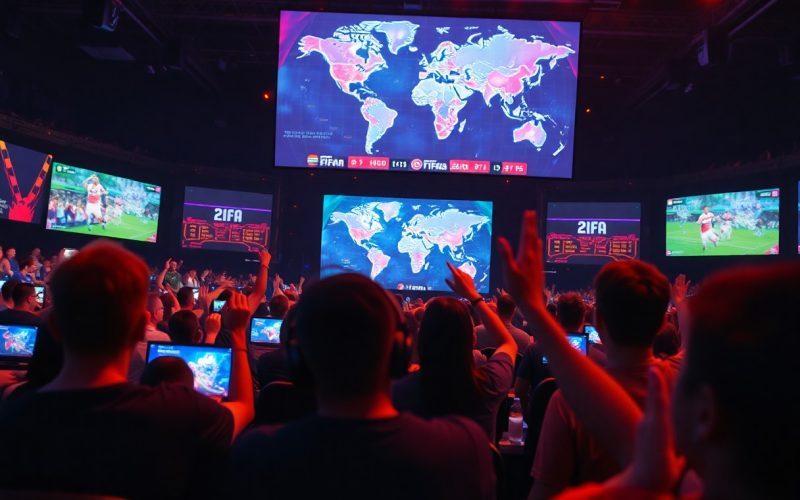




FIFA has long been a household name in both the world of sports and gaming, captivating audiences through its competitive video game series as well as the international soccer tournaments it organizes. As the landscape of gaming continues to evolve, a live-service model in esports offers an intriguing opportunity for FIFA to enhance its engagement with fans and players alike.
A live-service model is characterized by ongoing content updates, real-time community engagement, and the ability to adapt to player feedback seamlessly. This stands in contrast to traditional game releases, where a game is often purchased, played, and put aside until a sequel or an updated version is released. Instead, a live-service approach would allow FIFA to consistently introduce new features, teams, and tournaments within its gaming ecosystem, thereby maintaining continual interest throughout the year.
One of the fundamental ways that FIFA could benefit from this model is by creating a dynamic in-game experience that reflects current real-world events. For instance, by integrating real-time updates based on actual team performance or player statistics from ongoing matches, the game can offer features that resonate with players more deeply. This could be achieved through regular patches or downloadable content that aligns with live sports events, ensuring that players are not just competing against a static historical representation of their favorite teams, but rather a living, breathing entity that interacts with the ongoing soccer season.
Additionally, by implementing a live-service model, FIFA could enhance its esports tournaments. With structured seasons featuring monthly or quarterly competitions, alongside regular updates to gameplay mechanics, players would remain engaged and invested in continuously improving their skills. This could lead to a more vibrant competitive scene, ultimately driving higher viewership for esports events tied to FIFA. Fans would be more excited about the live broadcasts if they know that the gameplay constantly evolves and reflects the ever-changing dynamics of soccer.
Moreover, community feedback can be integrated more effectively within a live-service framework. Players often have strong opinions on gameplay mechanics or desired features. By actively involving the player community in the game’s development process through surveys or beta testing, FIFA can ensure that its offerings align closely with player desires, fostering a sense of ownership and dedication to the game. Engagement strategies such as community challenges or creator-led tournaments can further cultivate an inclusive ecosystem that encourages player interaction.
Finally, potential monetization strategies could diversify revenue streams while keeping the player base engaged. In-game purchases, seasonal passes, or exclusive content can provide fans with additional incentives to invest in the game over time rather than only making one-off purchases. However, FIFA would need to balance these strategies with fair practices to avoid alienating its core audience.
In a nutshell, adopting a live-service esports model could allow FIFA to maintain relevance in the rapidly changing gaming environment. By continuously engaging players and fans, FIFA can create a thriving ecosystem around its franchise, blurring the lines between traditional sports and the digital gaming world. The potential for enhanced community involvement, dynamic content delivery, and sustainable revenue streams positions FIFA to not just benefit from, but truly excel in, live-service esports.