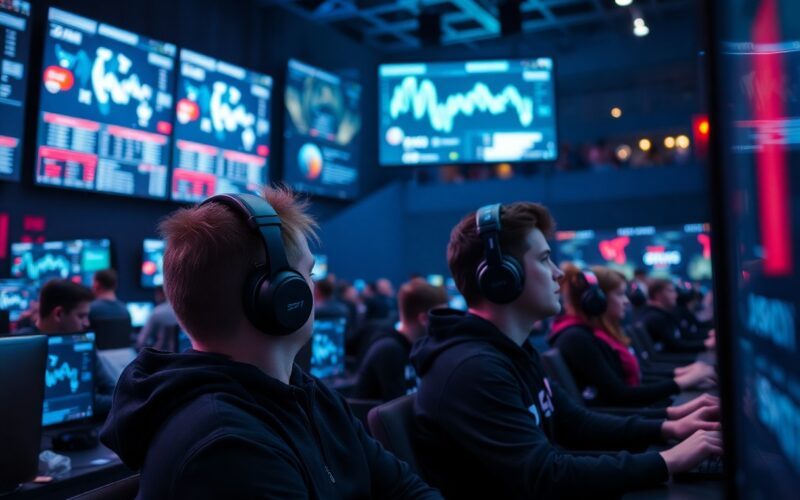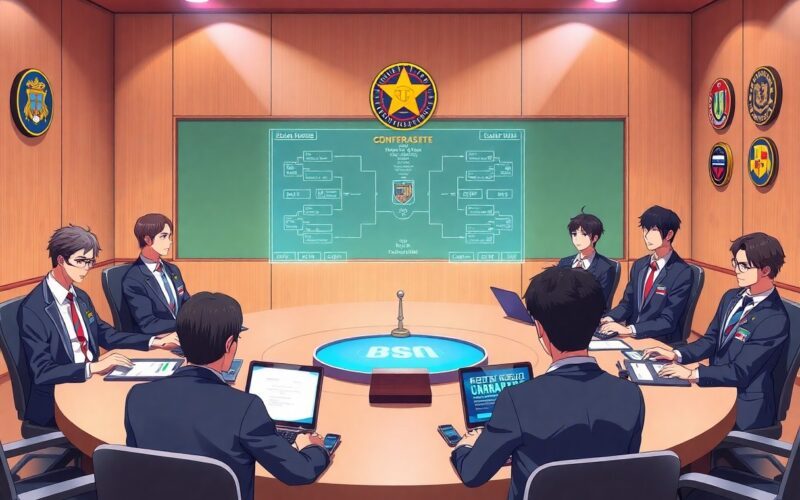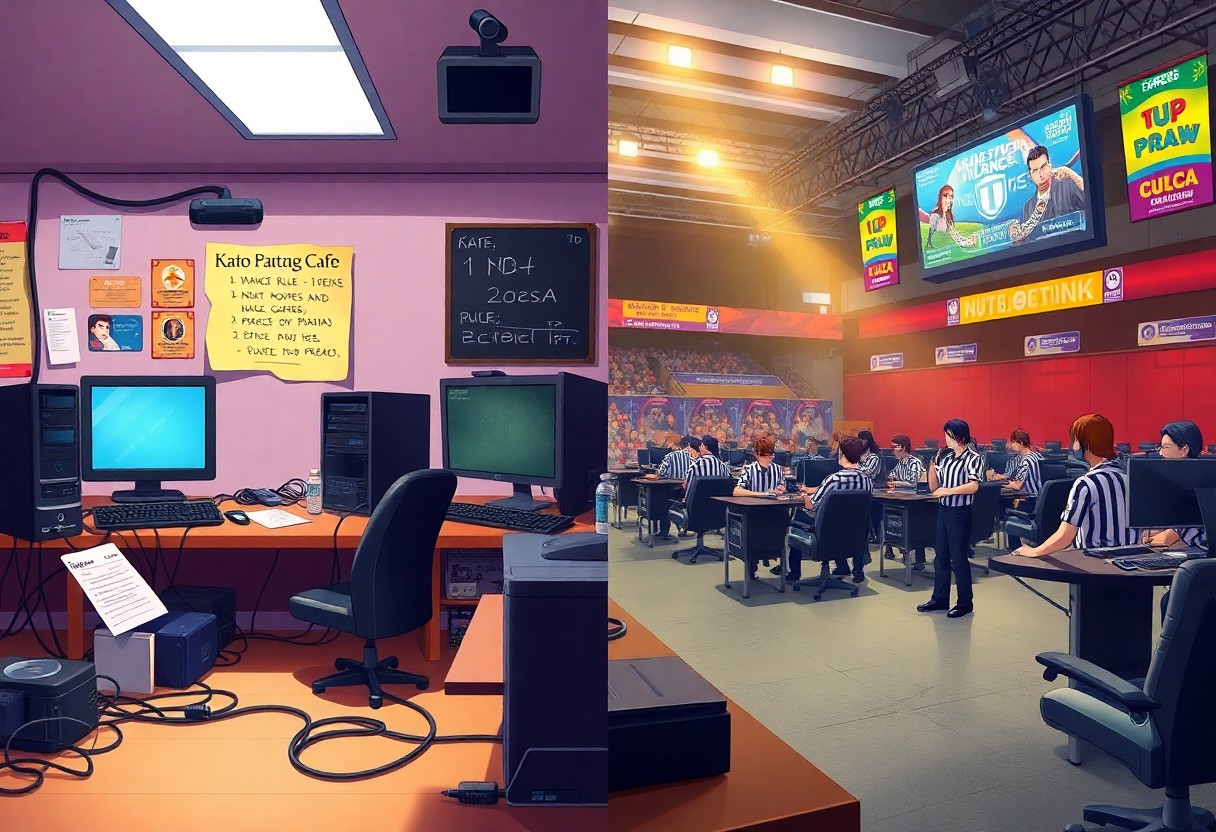
Amateur esports competitions often operate with simplified rules and leniencies, while professional leagues enforce stringent regulations to maintain fairness and integrity. Understanding these distinctions is imperative for players, organizers, and fans to appreciate the competitive structure of the esports ecosystem.
Governing Bodies and Regulatory Frameworks
The Role of International Federations vs. Community Organizers
International federations provide standardized rules and oversight for professional esports, ensuring consistency across competitions. These organizations often set up guidelines that dictate tournament formats, eligibility, and player conduct, which are crucial for maintaining integrity.
Community organizers, in contrast, emphasize flexibility and accessibility. They create unique tournaments tailored to local player bases, adapting rules to fit the needs and preferences of participants. This can foster a sense of community, though it may lead to variations in how games are played.
Decentralized Rule-Making in Grassroots and Amateur Competitions
Grassroots competitions thrive on decentralized rule-making, allowing local organizers to adapt rules based on their specific needs. This approach encourages participation and creativity, as players can easily enter events that suit their skill levels.
Variation in rules across events can create confusion among players, particularly when transitioning to professional leagues. While this flexibility promotes accessibility, it often lacks the uniformity seen in professional settings, potentially leading to disparities in player experience and skill development.
Publisher Intervention and Official League Sanctioning Models
Publisher intervention shapes how esports leagues operate, with many companies asserting control over their game’s competitive scene. This often leads to the formation of official leagues that adhere to established rules set forth by the publisher.
Sanctioning models differ widely; some leagues follow strict guidelines while others allow greater freedoms. These models impact both player conduct and tournament organization, creating a spectrum of competition environments that vary in professionalism.
Player Eligibility and Roster Management
Age Requirements and Legal Guardianship in Amateur Play
Age requirements for amateur esports vary widely depending on the game and tournament organizer. Many amateur leagues set a minimum age limit, often between 13 and 18, to ensure player maturity and safety. Parental consent is usually required for minors, necessitating legal guardianship oversight.
League policies may include specific provisions for players under 18, ensuring they adhere to guidelines that protect their rights and interests. This could involve restrictions on participation in certain events or requirements for adult supervision during competitions.
Professional Visa Requirements and International Work Permits
Professional esports players frequently need visas to compete internationally, particularly when representing teams at international events. Applying for these visas can be a complex process that involves demonstrating the player’s professional status and providing documentation from their organization.
Competitions often require teams to secure work permits up to several months in advance. Failure to comply can result in penalties, including disqualification from tournaments and restrictions on future participation.
Specific visa types vary by region, with some countries offering special esports visas. These can expedite processes for players who meet stringent criteria, facilitating smoother entry into competitive scenes globally. Training and sponsorship documentation usually highlight the player’s role within their team, solidifying eligibility for these visas.
Roster Lock Deadlines and Emergency Substitution Protocols
Roster lock deadlines in professional esports typically occur shortly before a tournament begins, solidifying team lineups to ensure competitive integrity. Teams must finalize their rosters by these deadlines, making strategic decisions about player selections and potential substitutions.
In contrast, amateur leagues often feature more flexible substitution protocols, allowing teams to rotate players even during tournaments. Such flexibility ensures that new players have opportunities while maintaining competitive standards among established teams.
Emergency substitution protocols usually dictate how teams can replace players who are unable to compete due to unforeseen circumstances. Professional leagues may enforce strict guidelines concerning eligibility and roster composition during competitions, while amateur tournaments often allow more leniency in substitutions, encouraging participation and growth.
Match Structure and Technical Specifications
Standardized Game Settings and Competitive Patch Stability
Standardized game settings ensure a level playing field, reducing variables that could affect match outcomes. Professional tournaments often adopt specific patches and configurations to maintain consistency across matches, allowing players to focus on strategy rather than adapting to constantly changing environments.
In contrast, amateur competitions may vary in settings, leading to discrepancies in gameplay experience. This inconsistency can impact player performance and viewer engagement, making standardized regulations necessary for professional events.
Best-of-X Formats: From Single Elimination to Double Round Robin
Best-of-X formats dictate the number of matches in a series, influencing strategic planning and endurance. Professional tournaments frequently employ formats like double elimination or round robin, offering teams multiple opportunities to showcase their skills, while amateur events often use single elimination, heightening pressure with less room for error.
Diverse formats enhance the spectator experience, offering varying levels of excitement and drama. Essential to team dynamics, these structures can also lead to more comprehensive assessments of team capabilities over extended matches.
Single elimination is intense, leaving no room for mistakes, while round robin allows for deeper competition where all teams compete against each other. This variety shapes the strategic approaches teams adopt throughout the tournament, reflecting their adaptability and resilience.
Latency Requirements and Local Area Network vs. Online Play
Latency requirements are paramount in esports, as even slight delays can disrupt gameplay and alter outcomes. Professional matches typically occur on local area networks (LANs) to minimize lag, whereas amateur competitions may use online platforms, potentially increasing latency issues.
Network stability remains a significant differentiator; professional setups ensure a controlled environment, while online play can introduce unpredictable variables. These differences directly impact competitive integrity, necessitating careful consideration during event planning.
LAN environments provide reliable connections, crucial for maintaining the flow of high-stakes gameplay. In contrast, online matches expose players to various connection speeds and stability issues, underscoring the importance of controlled settings in professional esports.
Anti-Cheat Protocols and Integrity Measures
Software-Level Anti-Cheat Requirements in Amateur Ladders
Amateur esports often rely on basic software-level anti-cheat tools to maintain fairness. These tools may include system scans and basic behavioral analysis designed to detect common hacks and exploitations. Such measures are generally less sophisticated than those used in professional settings, limiting effectiveness against advanced cheating methods.
Players in amateur ladders usually self-report issues, creating a reliance on community integrity. Without strict implementation, the results can be easily skewed, leading to skepticism about fairness and outcomes. This can affect player enthusiasm and overall participation in these competitions.
Professional Referee Oversight and Manual Game Log Auditing
In professional esports, dedicated referees oversee each match, ensuring adherence to all rules and regulations. This human element adds a level of accountability that software alone cannot provide. Manual game log auditing allows officials to review gameplay for any irregularities, addressing potential misconduct more comprehensively.
Referee oversight also fosters trust among players and teams. By maintaining strict standards, the integrity of the competition is upheld, encouraging fair play and enhancing the overall spectator experience.
Anti-Doping Regulations and Physical Hardware Inspections
Anti-doping regulations become increasingly important as esports gain recognition as a legitimate sport. Players are subject to tests that check for performance-enhancing substances. Additionally, physical hardware inspections can occur to ensure compliance with equipment standards, preventing unfair advantages from modified peripherals.
Physical checks not only serve to deter unethical behaviors but also promote a culture of sportsmanship and accountability. Adhering to these regulations reflects a commitment to integrity, reinforcing the professionalism of esports events.
Financial Regulations and Prize Distribution
Entry Fee Structures and Crowdfunded Prize Pools
Amateur esports tournaments often rely on minimal entry fees, allowing broad participation without significant financial barriers. In contrast, professional events implement structured entry fees that can influence the scale of prize pools, contributing to more significant earnings for top players.
Crowdfunded prize pools are becoming more common in both arenas, but their implementation differs. Professionals can attract sizable contributions from sponsors and fans, while amateurs typically gather funds from community support, creating a more grassroots feel.
Revenue Sharing Models and Professional Salary Caps
Revenue sharing models vary widely between amateur and professional esports. Professional organizations often negotiate contracts that include revenue from merchandise, streaming rights, and sponsorships, ensuring income beyond player salaries.
Salary caps are frequently set in the professional sphere to maintain parity and competitiveness among teams. In contrast, amateur players may have less stable earnings, relying primarily on prize money without established caps or consistent revenue streams.
Effective revenue sharing models ensure that players receive a fair cut from their organizations’ earnings, incentivizing performance while promoting team cohesion. Salary caps often aim to prevent financial disparities that can undermine the competitive balance of leagues, fostering sustainability and team loyalty in the long run.
Tax Compliance and International Prize Money Remittance
Tax compliance presents a significant challenge for players receiving international prize money. Many jurisdictions require that players pay taxes on winnings, which can lead to complicated financial obligations depending on the location of the tournament and the player’s residency.
Professional players usually engage financial advisors to navigate these complexities, ensuring all earnings are accurately reported. Amateurs, however, may lack the same resources, leading to potential pitfalls in understanding tax liabilities associated with their earnings.
Understanding tax implications is necessary for players at all levels. International prize money remittance may involve various regulations that can affect how much players ultimately receive, necessitating that competitors stay informed about their responsibilities to avoid financial repercussions later.
Code of Conduct and Disciplinary Procedures
Toxic Behavior and Chat Moderation in Open Qualifiers
Open qualifiers often lack the stringent oversight found in professional settings, leading to incidents of toxic behavior. Participants frequently engage in harassment or unsportsmanlike conduct, which undermines the gaming experience for all involved.
Chat moderation becomes vital in these scenarios. While some tournaments implement basic filtering systems, others rely on community reporting, which can vary widely in effectiveness and responsiveness.
Match-Fixing Investigations and Betting Prohibitions
A professional environment mandates strict adherence to anti-corruption policies, including robust match-fixing investigations. Teams and players face severe penalties if found guilty, which can include suspensions or permanent bans from competition.
Betting prohibitions also play a critical role in maintaining the integrity of esports. Many organizations enforce rules that prevent players from wagering on their own matches to eliminate conflicts of interest.
Match-fixing investigations involve thorough scrutiny of match data and player behaviors. Regulatory bodies often collaborate with betting companies to track suspicious activities, aiming to ensure that the competitive integrity remains uncompromised.
Professional Suspension Appeals and Arbitration Boards
Appealing suspensions can be a complex process for professionals. Players often utilize arbitration boards to contest decisions made by tournament organizers, hoping to overturn penalties deemed unfair.
Outcomes can vary significantly based on the evidence presented and the governing body’s policies. These boards aim to provide a fair resolution, preserving the rights of players while maintaining competitive standards.
Professional suspension appeals offer players a platform to voice grievances against disciplinary measures. These boards review cases impartially, striving for transparency and fairness in resolving disputes related to conduct violations.
Commercial Rights and Sponsorship Restrictions
Conflicting Sponsor Clauses in Professional Team Contracts
Professional esports teams often face complex sponsor agreements that can create conflicts. Exclusive rights given to one sponsor may limit opportunities for others, creating tension within the team and its potential partnerships.
Conflicts can arise when tournament organizers have their own sponsorship deals, forcing teams to choose between their contractual obligations and the event’s sponsors. This can lead to challenges in brand representation during competitions.
Amateur Branding Freedom and Small-Scale Partnership Limits
Amateur teams enjoy greater freedom in brand representation, allowing them to attract various sponsors without stringent restrictions. This flexibility facilitates small-scale partnerships that can provide necessary funding and resources.
Limited resources for amateur teams mean they often rely on local sponsors or community businesses. These partnerships, while beneficial, may not yield the large sums typically associated with professional arrangements.
Amateur teams frequently capitalize on regional branding opportunities, harnessing their unique identities to form alliances with smaller corporations. This approach not only promotes the team but also nurtures local business relationships, creating a supportive community around esports.
Prohibited Categories: Gambling, Alcohol, and Crypto Regulations
Professional esports contracts often impose strict guidelines prohibiting sponsorship from specific categories such as gambling, alcohol, and cryptocurrencies. These regulations aim to maintain a family-friendly environment and comply with legal standards.
Restrictions on these categories help preserve the integrity of the sport and protect younger audiences from exposure to potentially harmful influences. Teams must navigate these limitations when seeking financial backing.
Prohibited categories serve to safeguard the esports industry’s reputation, particularly in professional leagues. By avoiding sponsorship from gambling, alcohol, and crypto firms, organizations can focus on partnerships that promote responsible engagement and ethical practices.
Health, Wellness, and Player Safety Standards
Ergonomic Standards and Mandatory Break Intervals
Professional esports organizations implement strict ergonomic standards to minimize physical strain on players. These guidelines include the design of gaming chairs and input devices tailored to support proper posture during long gaming sessions.
Mandatory break intervals are enforced to promote player health. Scheduled pauses allow for physical movement and mental resets, reducing the risk of repetitive strain injuries and burnout.
Professional Mental Health Support and Performance Coaching
Structured mental health support is a standard component of professional esports. Teams often provide access to psychologists and counselors, facilitating the management of stress and anxiety typical in high-pressure competitive environments.
Performance coaching plays a significant role in athlete development. Coaches focus on mental resilience, helping players enhance focus, motivation, and emotional regulation throughout their careers.
Resources for mental health support in professional esports often include workshops on coping strategies and regular one-on-one sessions with licensed professionals. This comprehensive approach aims to ensure players maintain high performance while addressing the psychological demands of competitive gaming.
Emergency Medical Protocols for In-Person Major Events
Emergency medical protocols are meticulously outlined for in-person esports events to guarantee player safety. Each venue typically has trained medical personnel on-site to address potential health issues rapidly.
Clear communication strategies facilitate swift access to medical assistance. In case of emergencies, procedures are in place to evacuate players and provide immediate care, ensuring a safe environment for all participants.
Protocols for emergency situations often include detailed plans for various health scenarios, from minor injuries to severe medical emergencies. Having these plans ensures that players can compete with confidence, knowing their safety is prioritized during high-stakes tournaments.

Venue Requirements and Equipment Standardization
Bring Your Own Computer (BYOC) vs. Supplied Hardware
Amateur esports events often encourage a Bring Your Own Computer (BYOC) approach, where players use their personal setups. This flexibility allows participants to feel comfortable with their custom configurations, but it can lead to inconsistent performance across the board. Diverse hardware leads to varying experiences, affecting gameplay dynamics and fairness.
In contrast, professional tournaments usually require supplied hardware. Event organizers standardize specifications to ensure an even playing field. High-performance components and consistent conditions eliminate disparities and enable players to focus solely on their skills, enhancing the competitive integrity of the event.
Acoustic Isolation and Soundproof Booth Specifications
Occupying a high priority in professional environments, acoustic isolation and soundproof booths minimize external distractions. These specifications are often absent in amateur settings, where players might contend with ambient noise that disrupts concentration. Professional setups provide an optimized auditory environment crucial for communication and gameplay focus.
Precise design elements accommodate sound cancellation, ensuring maximum immersion. Such booths create a controlled atmosphere, allowing players to perform under conditions closely mirroring their practice environments.
Lighting and Ergonomic Requirements for Broadcast Integrity
Professional esports venues implement strict lighting and ergonomic specifications, enhancing broadcast quality. Proper lighting ensures that players are visible and their actions are easily interpreted by viewers. Conversely, amateur events often have inadequate lighting, which detracts from spectator enjoyment and engagement.
Ergonomics play a significant role in player performance. Adjustable chairs, desks, and monitor heights reduce fatigue and promote comfort during long gaming sessions. Enhanced player wellbeing translates to better gameplay and a more enjoyable viewing experience.
Lighting and Ergonomic Requirements for Broadcast Integrity
Thoughtful lighting design not only impacts visibility but also creates a professional aesthetic, fostering an engaging atmosphere for viewers. Ergonomic adjustments allow players to maintain peak performance over extended periods, ensuring that they remain physically and mentally at their best. Together, these requirements enhance both player experience and audience enjoyment, setting a high standard for professional esports events.
Broadcasting Rights and Media Interaction
Exclusive Streaming Partnerships and Platform Restrictions
Professional esports often establish exclusive streaming partnerships with major platforms, leading to restricted access for viewers. Such agreements typically enhance viewership incentives but may alienate fans without subscriptions to specific services. The profitability of these deals can influence the selection of platforms, shaping how tournaments reach their audiences.
Amateur esports, on the other hand, exhibit more fluidity in streaming options. Community-driven platforms, like Twitch and YouTube, allow a range of creators to participate in broadcasting, promoting inclusivity. This lack of restrictions enables diverse voices to reach wider audiences without significant barriers to entry.
Amateur Co-Streaming Rights and Community Cast Guidelines
Amateur esports encourage co-streaming, celebrating community interaction with flexible guidelines. Content creators are often permitted to broadcast their unique takes on tournaments, fostering a sense of engagement. These guidelines promote creativity and diversity in commentary, allowing multiple perspectives during events.
This openness contrasts sharply with professional circuits, where broadcasting rights are tightly controlled. Community casts often adhere to specific branding rules, ensuring that content aligns with the tournament’s image while still allowing for individual flair. Such structures support amateur players in gaining visibility and fostering community connections.
Professional Press Conferences and Post-Match Interview Mandates
Mandatory press conferences and post-match interviews are standard in professional esports. These requirements serve to maintain transparency and engage fans through insights from players and coaches. Media outlets often receive prioritized access, ensuring that the most relevant content reaches audiences promptly.
Structured formats for these interviews contribute to shaping narratives within the professional scene. Players frequently address both game strategies and personal experiences, enhancing viewer connection. Such direct interactions allow fans to gain deeper understanding of the competitors and their motivations.
Dispute Resolution and Legal Recourse
Community Admin Discretion in Amateur Disputes
In amateur esports, community admins often hold the power to resolve disputes based on informal criteria. Their judgment typically reflects community standards, leading to varied outcomes from one tournament to another. This approach fosters a unique level of engagement, but can also create inconsistencies that frustrate players.
Admins frequently rely on their own discretion, which can sometimes lead to biased decisions. As these disputes lack formal oversight, players must rely on the integrity and fairness of the individuals in charge, making communication necessary for dispute resolution.
Formal Legal Frameworks and the Court of Arbitration for Sport
Professional esports typically operates under well-defined legal frameworks, including the Court of Arbitration for Sport (CAS). Established to handle sports-related disputes, CAS provides a systematic process that ensures fairness and transparency for all parties involved. This formal structure strengthens the legitimacy of esports as a recognized competitive activity.
Binding arbitration through CAS allows players and organizations to resolve disputes without lengthy court proceedings. The structured approach ensures that players and teams adhere to established regulations and uphold competitive integrity, promoting trust in the professional ecosystem.
To expand on the role of CAS, it serves as a neutral entity that resolves conflicts related to contracts, eligibility, and governance issues in professional esports. This oversight provides clarity and consistency, making it a crucial component of the esports environment, helping to unify interpretations of rules and regulations across different tournaments.
Contractual Force Majeure and Termination Clauses
Contractual agreements in professional esports often include force majeure and termination clauses to address unexpected circumstances. Events such as natural disasters or pandemics can disrupt schedules, making these clauses necessary for protecting both parties’ interests. Such provisions offer a clear process for managing unforeseen interruptions.
Termination clauses allow organizations to dissolve contracts without penalty under specific conditions. These terms help mitigate risks for players and companies alike, establishing a framework for legal recourse in case of contract breaches or failures caused by uncontrollable events.
Emphasizing the importance of force majeure and termination clauses, these legal protections ensure a balance of power between players and organizations. They clarify expectations and responsibilities, safeguarding both parties from legal complications arising from unpredictable events while maintaining the integrity of competitive play.
Transfer Markets and Contractual Obligations
Buyout Clauses and Poaching Prevention in Professional Leagues
Buyout clauses serve as a safeguard in professional esports, preventing teams from poaching star players without consent. These agreements define a monetary value tied to a player’s contract, granting other organizations the ability to acquire talent for a set price. Thus, compliance ensures financial fairness and stability within the competitive ecosystem.
Poaching prevention methods are crucial in maintaining team integrity. Professional leagues often implement strict regulations to discourage unauthorized recruitment, leading to a more structured environment where players and teams remain committed without external pressures. Such measures help retain competitive balance and nurture team loyalty.
Free Agency Dynamics in Unregulated Amateur Environments
Free agency operates differently in amateur esports, often marked by minimal oversight and inconsistent regulations. Players frequently switch teams with little warning, leading to volatile team compositions and an unstable player market. This lack of formal agreements enables swift team changes but also heightens risks of discord among amateur squads.
Introducing stability becomes challenging due to the highly competitive nature of amateur scenes. Teams often struggle to establish long-term relationships with players, resulting in a fragmented community where loyalty may be fleeting. Growth opportunities for both teams and players can be hindered by these dynamics.
In amateur environments, the absence of formal contracts encourages a culture of opportunism. Players may leave teams during crucial moments, prioritizing immediate gains over team loyalty. This instability can limit player development and team cohesion, ultimately affecting overall performance and growth in the esports ecosystem.
Loan Agreements and Developmental Roster Rules
Loan agreements play a pivotal role in defining player movement in professional leagues. These contracts allow teams to temporarily transfer a player to another organization, enabling them to gain experience without permanent relocation. Often, developmental rosters utilize loans to cultivate younger talent, ensuring their growth on a larger stage.
Developmental roster rules benefit both players and teams by maintaining player readiness and availability. Clear guidelines help streamline the transition process, allowing organizations to focus on player performance rather than administrative burdens. Such frameworks contribute to more strategic and effective talent management.
Establishing loan agreements fosters a symbiotic relationship between teams and players. While helping players refine their skills, these agreements also allow teams to manage their rosters more flexibly. The structured nature of these contracts creates an environment where development is prioritized, influencing the future of talent cultivation in esports.

Diversity, Equity, and Inclusion (DEI) Policies
Gender-Locked Tournaments and Inclusive Pathway Initiatives
Gender-locked tournaments typically restrict participation based on gender, creating a clear divide in competition. These formats can hinder inclusivity, limiting opportunities for players who do not identify within traditional gender categories.
In contrast, inclusive pathway initiatives focus on creating diverse competition environments. This approach encourages participation from all genders, fostering a more equitable space where every talent has a chance to shine.
Accessibility Standards for Differently Abled Competitors
Accessibility standards play a significant role in participation for differently abled competitors. Ensuring that tournaments comply with these standards allows for a wider range of gamers to compete without barriers.
Implementing features such as adaptable controls and assistive technology can enhance the experience for all players. A commitment to accessibility guarantees that everyone has the opportunity to engage with esports fully.
Accessibility initiatives often include flexible equipment options, adjustable game settings, and dedicated support staff. These measures create an environment where differently abled competitors can compete on equal footing, ensuring a more inclusive atmosphere in esports competitions.
Cultural Sensitivity Training and Global Representation Mandates
Cultural sensitivity training becomes imperative as esports expands globally. Understanding diverse cultural backgrounds is imperative for fostering respect among players and fans alike.
Global representation mandates push organizations to include a broad spectrum of cultures within their events. This practice not only enriches the competitive experience but also reflects the diverse nature of the esports community.
Training programs that emphasize cultural awareness can mitigate misunderstandings and promote inclusivity. By embracing global representation, esports organizations enhance their credibility while encouraging a richer cultural dialogue within the gaming community.
Conclusion
Upon reflecting on the differences between amateur and professional esports rule systems, it becomes evident that the two operate under distinct frameworks. Amateur competitions often prioritize accessibility and flexibility, enabling wide participation without stringent enforcement of rules.
Professional esports, however, adhere to more rigorous standards aimed at ensuring fairness and consistency. These systems typically involve comprehensive regulations, oversight, and enforcement to maintain competitive integrity, differentiating them clearly from their amateur counterparts.
Q: What are the primary differences in rules between amateur and professional esports leagues?
A: Amateur esports leagues often have simplified rules to accommodate a wide range of players, focusing on accessibility. Professional leagues enforce stricter regulations, including detailed player conduct codes and specific match protocols, ensuring competitive integrity.
Q: How do player eligibility requirements differ between amateur and professional esports?
A: Amateur esports typically allow anyone to participate, regardless of skill or experience. In contrast, professional esports leagues have stringent eligibility criteria, often requiring players to meet skill ratings and age restrictions to maintain a high level of competition.
Q: What impact does prize distribution have on rule differences in esports?
A: Amateur tournaments usually offer smaller prize pools and non-monetary rewards, promoting participation rather than rivalry. Professional esports feature large prize funds, leading to rules that govern earnings, sponsorships, and team contracts to protect players and organizations financially.