





With the rise of esports, cheating violations have significant repercussions for players and organizations. Sanctions can range from suspensions to lifelong bans, damaging reputations and careers. This post explores the intense consequences of cheating in esports, affecting not only individuals but the integrity of the competitions themselves.
Defining the Spectrum of Cheating in Modern Esports
Software-Based Exploits: Aimbots, Wallhacks, and Scripting
Software-based exploits significantly alter gameplay, allowing players to gain unfair advantages. Aimbots automate targeting, ensuring players never miss their shots, while wallhacks reveal enemies through obstacles. Scripting facilitates complex maneuvers, often beyond human reflexes, showcasing how technology can undermine competitive integrity.
These cheats not only disrupt the gaming experience but also erode trust among players and fans. With the rise of esports, the prevalence of such tools has escalated, prompting stringent measures from tournament organizers to maintain fairness and accountability in competitive environments.
Hardware Manipulation and Input Spoofing Technologies
Hardware manipulation techniques involve physical alterations to gaming equipment, enabling players to exploit system vulnerabilities. Input spoofing, on the other hand, fakes command inputs, creating an illusion of faster or more precise actions than a player could normally achieve.
These methods complicate detection efforts, as they manipulate the very tools used to play, thus obscuring cheating from oversight. The challenge for regulatory bodies lies in creating effective detection systems to prevent these advanced cheating techniques.
Hardware manipulation and input spoofing technologies evolve rapidly, making it difficult for regulatory bodies to keep pace. Custom-built controllers and modified peripherals often provide significant advantages, pushing the boundaries of fair competition. As these technologies become more accessible, the gaming community faces increasing pressure to address such issues with innovative solutions.
Information-Based Violations: Stream Sniping and Ghosting
Information-based violations include tactics like stream sniping, where players exploit live streams to gain real-time advantages. Ghosting, occurring when players receive information from off-screen sources, further complicates competitive integrity. Both practices erode the spirit of fair play by leveraging knowledge that shouldn’t be available.
These violations not only undermine individual skill but also create an uneven playing field. The need for strict guidelines and monitoring has become paramount to ensure that all participants engage under equal conditions, fostering a fair competitive atmosphere.
Stream sniping and ghosting can severely disrupt game flow and player morale. Such practices create a toxic environment where individuals can manipulate information for an advantage, leading to frustration and resentment. Addressing these issues is crucial for maintaining integrity and the genuine spirit of competition in esports.
Immediate Disciplinary Sanctions and Competitive Penalties
Disqualification from Active Tournaments and Event Ejection
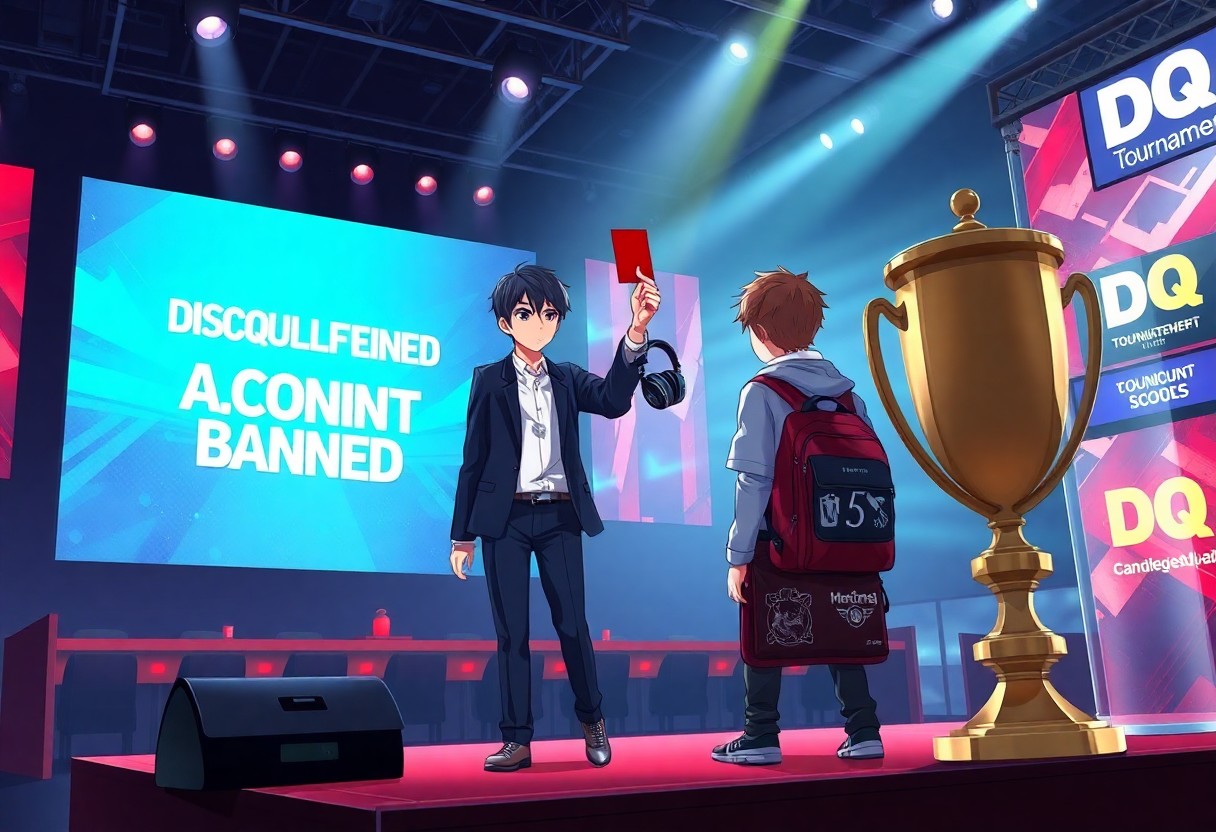
Cheating violations often lead to disqualification from ongoing tournaments, removing the offending player or team from all remaining matches. Event organizers implement this measure to uphold the integrity of the competition and ensure fair play among participants.
Following ejection, the individual may face restrictions on future events, preventing re-entry until their case is resolved. This action not only impacts the current tournament but also casts a long shadow over an athlete’s competitive career.
Forfeiture of Prize Money and Financial Earnings
Financial repercussions accompany severe cheating violations, such as the forfeiture of any prize money attained. Organizers often enforce penalties that require players to return winnings, aligning the consequences with the severity of the offense.
Failure to comply with these financial penalties may result in additional sanctions. Thus, this aspect emphasizes the commitment to maintaining fairness in the industry.
Nullification of Match Results and Historical Rankings
Cheating not only affects current tournament standings but also leads to the nullification of match results and historical rankings. When violations are confirmed, previously achieved victories may be erased from official records, altering the competitive landscape.
This erasure serves as a strong deterrent, signifying that dishonest practices will not be tolerated and reinforcing the importance of integrity within esports competitions.
Overall, the nullification of match outcomes fundamentally reshapes the competitive narrative, pushing teams and players to adhere to ethical standards. The impact extends beyond immediate penalties, influencing how future performances are perceived and recorded in esports history.
Long-Term Professional and Career Ramifications
Temporary Suspensions vs. Permanent Lifetime Bans
Temporary suspensions provide players a chance to redeem themselves, often lasting from a few months to a couple of years. These setbacks can disrupt a player’s momentum and make it challenging to regain previous form after the ban. During this time, players miss opportunities for sponsorships, team participation, and competitive experience.
Permanent lifetime bans have far more severe consequences, effectively ending a player’s career in esports. With this kind of sanction, any hope of returning to competition is extinguished, limiting future job prospects in the industry. Such a mark on a player’s record can drastically reduce their marketability and reputation.
Blacklisting by Major Tournament Organizers and Leagues
Blacklisting is a severe consequence of cheating violations, preventing affected players from competing in major events. Leading tournament organizers and leagues often work in conjunction to issue bans, creating a network of exclusion. Once blacklisted, players find it nearly impossible to participate in premier competitions.
This exclusion not only impacts current competition opportunities but also affects future collaborations within the industry. Players may struggle to find teams willing to take the risk of signing someone with a history of violations, further complicating their professional trajectory.
Major tournament organizers have established a clear stance against cheating, leading to widespread blacklisting of violators. This response creates a ripple effect, as organizations strive to maintain integrity in their competitions. Once blacklisted, players face not only immediate consequences but also an uphill battle to regain credibility within the community.
Ineligibility for Hall of Fame Consideration and Legacy Honors
Cheating violations can lead to ineligibility for prestigious awards and Hall of Fame consideration, effectively erasing a player’s legacy. Recognition within the esports community often hinges on integrity, and those caught cheating may find their achievements overshadowed by their wrongdoings. This lack of honor affects not just the players but also their teams and sponsors.
Failure to achieve Hall of Fame status limits a player’s ability to secure a respected legacy, which can have long-lasting impacts on their career. Many fans and aspiring players within the community will judge their accomplishments alongside their ethical standing, making it harder for cheaters to be remembered positively.
Ineligibility profoundly affects the recognition players receive for their contributions to the esports scene. Being excluded from Hall of Fame consideration diminishes the potential for future endorsements and elevates the stigma surrounding their past. Without acknowledgment, a player’s achievements risk fading into obscurity, overshadowed by their unethical choices.
Contractual and Legal Consequences for Professional Players
Material Breach of Contract and Immediate Termination Clauses
Cheating often leads to material breaches of contract, allowing organizations to terminate agreements with players. Such breaches may trigger immediate termination clauses, affecting players’ careers and reputations. Enforcement of these clauses can result in career-long consequences, limiting future opportunities.
Termination not only halts participation in competitive events but may also lead to losing sponsorships and endorsements. Organizations often act swiftly, enforcing these clauses to protect their integrity and the competitive environment.
Legal Recourse: Fraud Charges and Civil Litigation
Fraud charges can arise from cheating violations, exposing players to criminal liability. Legal action may be taken by teams seeking damages for lost opportunities or contractual breaches, resulting in civil litigation against players. This legal avenue underscores the serious nature of cheating within esports.
Potential outcomes of such litigation include hefty fines or even prison time, based on the severity of the cheating. Players must understand that legal consequences extend beyond competition, as they face long-term repercussions that can alter their futures.
Players found guilty of fraud may not only face fines but also damage their professional reputations irreparably. Legal repercussions can lead to extensive media coverage, further impacting future contractual negotiations and team relationships.
Clawback Provisions for Salaries and Signing Bonuses
Clawback provisions commonly exist in player contracts, allowing organizations to reclaim salaries and signing bonuses post-cheating violations. Such clauses protect teams’ financial interests and discourage unethical behavior among players. Financial penalties are significant ramifications of cheating beyond simple disqualification.
Organizations may invoke these provisions to recover substantial amounts, emphasizing the severe fiscal implications of cheating. Players should consider these financial risks when weighing the consequences of their actions.
Understanding clawback provisions is important for players, as these clauses reinforce the accountability mechanisms within professional contracts. The financial stakes involved serve as a deterrent against cheating, highlighting the importance of integrity in the esports arena.
Impact on Professional Organizations and Team Stability
Loss of Corporate Sponsorships and Commercial Partnerships
Cheating violations often lead to the immediate loss of corporate sponsorships, as brands distance themselves from organizations associated with such scandals. Trust between teams and sponsors can erode quickly, impacting revenue streams imperative for maintaining operations.
Moreover, commercial partnerships may fall through as companies reassess the reputational risks tied to their affiliations. A tarnished image can deter potential sponsors, making it increasingly difficult for organizations to find financial backing.
Organizational Fines and League Participation Revocation
Fines imposed by governing bodies serve as a financial burden, straining organizational resources. In extreme cases, leagues may revoke participation rights altogether, significantly impacting team visibility and player opportunities.
Penalties often escalate with recurring violations, leading to long-term financial challenges that can destabilize teams. Loss of league participation not only disrupts competitive play but can also diminish overall team morale.
Striking such penalties disrupts both immediate cash flow and future planning. Teams must pivot quickly to regain entry into leagues, initiating lengthy processes to rebuild trust and compliance.
Damage to Brand Equity and Fan Loyalty
Brand equity suffers considerably after cheating scandals, as fans grapple with trust issues. Enthusiasts may choose to abandon teams linked to unethical practices, directly influencing merchandise sales and viewership numbers.
Fan loyalty, cultivated over years, can evaporate overnight following a violation, creating a void that organizations struggle to fill. Rebuilding this lost loyalty requires significant effort in transparency and rebuilding trust within fan communities.
Restoring brand equity hinges on consistent, ethical behavior moving forward. Organizations must engage in sincere outreach and demonstrate commitment to integrity, which can gradually mend the relationship with fans over time.
Psychological and Social Consequences for the Individual
Public Stigmatization and Community Backlash
Cheating violations often lead to severe public stigmatization within the esports community. Players can find themselves ostracized from teams and social circles, creating feelings of isolation. This backlash can extend beyond core gaming communities, damaging reputations and future opportunities.
Community backlash can manifest in intense criticism on social media or forums, resulting in a toxic environment that amplifies the individual’s distress. Players may feel the weight of disappointment not only from fans but also from peers, compounding emotional turmoil.
Mental Health Challenges Arising from Career Collapse
Experiencing a career collapse due to cheating allegations can lead to significant mental health challenges. Players often face anxiety, depression, and identity crises as their professional aspirations crumble. The abrupt end to their competitive career causes feelings of inadequacy and loss.
This sudden shift can impact self-esteem, making it difficult for individuals to cope with their new reality. Many find it challenging to reconcile their former successes with the stigma attached to their violations.
Failing to secure a place within the esports community can deepen feelings of hopelessness. Isolation from former teammates and fans leaves individuals grappling with self-worth, further exacerbating existing mental health issues. Long-term impacts may include difficulty forming new relationships and increased social anxiety.
Difficulties in Transitioning to Post-Competitive Employment
Transitioning to post-competitive employment often proves challenging for individuals involved in cheating violations. Many find their skills undervalued or overlooked in other industries, making reintegration into the workforce difficult. Stigma can hinder opportunities, as employers may question their integrity.
Seeking employment in gaming-related fields is frequently fraught with obstacles, as industry connections may sever due to prior actions. This can lead to a downward spiral, complicating attempts to regain a stable career after competition ends.
Job searching requires not only skills but also a positive reputation, which can be severely impacted by a history of cheating. Individuals may need to invest additional time and effort in rebuilding their image before successfully transitioning to a new career path.
Consequences of Cheating Violations in Esports Competitions
Erosion of Competitive Integrity and Fair Play
Cheating undermines the fundamental principles that delight fans and participants in esports. When players resort to dishonest means, it not only skews match outcomes but also casts doubt on all achievements within the scene. Every cheat erodes the trust built over years, leading to an atmosphere where fair play no longer thrives.
Devaluation of the “Amateur-to-Pro” Pathway
Integrity issues tarnish the journey for aspiring players transitioning from amateur status to professional. Potential talent observes that hard work and dedication can be overshadowed by dishonest tactics, ultimately discouraging them from pursuing careers in esports. This sense of futility diminishes the ladder’s influence and appeal.
Players are left questioning whether genuine skill or underhanded strategies are the true pathway to success. Such a devaluation not only disrupts individual ambitions but permanently alters the competitive structure, making it more difficult to recognize true talent in the community.
Distrust in Online Matchmaking and Ladder Systems
IDegradation of trust within matchmaking systems undermines the player experience, leading to frustration and disillusionment. When cheaters thrive, many players abandon the pursuit of fair competition, which further dilutes community engagement. This erosion of trust leaves players feeling helpless and disengaged.
Players express concern over the effectiveness of these systems, causing a ripple effect where genuine competition loses its appeal. As cheaters exploit flaws, others feel the urge to join them or quit entirely, exacerbating the issue of fairness.
This disenchantment not only diminishes the quality of matches but also hampers the growth of the esports ecosystem. Many players feel defeated when they continually encounter deceptive tactics, which discourages them from investing time and effort into improving their skills.
The Psychological Toll on Victim Players and Teams
Victimized teams and players often experience significant psychological pressure after facing cheaters. Feelings of frustration, resentment, and helplessness can overshadow the joy of competition. This emotional strain may lead to a decrease in performance and overall well-being, negatively impacting not just individual players but their teams as a whole.
The implications of cheating extend deeply into mental health. Players struggling to cope with defeats that stem from unfair practices may find it challenging to maintain motivation and passion for the game, leading to longer-lasting repercussions beyond the digital arena.
Economic Implications for the Esports Industry
Deterrence of Venture Capital and Institutional Investment
Trust is critical for attracting venture capital in esports. Cheating violations undermine investor confidence, making firms hesitant to support teams and tournaments. Without necessary funding, the industry’s potential for growth diminishes significantly.
Increased skepticism leads to a reluctance in institutional backing. Investors expect returns on their investments, and the presence of cheating diminishes the perceived viability of esports as a sustainable business model.
Increased Operational Costs for Anti-Cheat Development
Developing comprehensive anti-cheat solutions requires substantial financial resources. Organizations need to invest in technology and skilled personnel to effectively combat cheating, placing a strain on budgets. These expenses can divert funds away from other critical areas such as marketing and player development.
Over time, these operational costs can accumulate, impacting profitability. Smaller teams may struggle to remain competitive, leading to a less diverse and dynamic esports ecosystem.
Negative Effects on the Integrity of the Betting and Gambling Markets
Betting markets heavily rely on fair competition to function effectively. Cheating scandals introduce uncertainty, discouraging bettors from participating. When integrity is compromised, the overall appeal of wagering on esports plummets.
Mistrust among bettors can lead to decreased revenue for operators. As public confidence wanes, long-term partnerships within the betting ecosystem may suffer, negatively affecting the financial health of both teams and organizers.
The Role of Global Regulatory Bodies and Governance
The Esports Integrity Commission (ESIC) Disciplinary Frameworks
ESIC provides a comprehensive disciplinary framework addressing various forms of cheating. This includes match-fixing, account sharing, and exploitation of in-game mechanics. By establishing clear protocols and consequences, ESIC aims to uphold competitive integrity across esports competitions.
Integrity measures also involve investigations and hearings to assess violations. Offenders face a range of penalties, from fines to competitive bans. This structured approach reinforces the commission’s commitment to fair play and accountability in esports.
Standardization of Sanctions Across Different Game Titles
Standardization of sanctions is crucial for maintaining fairness in esports competitions. Variances in punishment can lead to confusion and perceived inequality among players and teams. Establishing uniform guidelines across various titles ensures all participants understand the consequences of cheating.
Clear protocols foster trust in the regulatory process. Standardized sanctions not only deter potential violations but also promote a level playing field. This consistency helps to build a cohesive esports community focused on integrity.
Cooperation Between Game Publishers and Law Enforcement
Collaboration between game publishers and law enforcement agencies enhances the effectiveness of cheating prevention. This partnership enables quicker responses to suspicious activities and strengthens the overall integrity of esports. Publishers benefit from legal backing, which aids in enforcing penalties.
Working together, these entities can collect and analyze data related to cheating. This intelligence-sharing promotes proactive measures against violations, further safeguarding the esports ecosystem. Such cooperation ultimately leads to a more trustworthy environment for both players and fans.
Technological Countermeasures and Detection Protocols
Kernel-Level Anti-Cheat Integration and Privacy Concerns
Kernel-level anti-cheat systems operate at the core of the operating system, granting deeper access to monitor user behavior and ensure fair play. This integration can effectively detect cheat software but raises significant privacy concerns, as it may potentially log personal data or application usage beyond gaming activities.
Some players express discomfort with such invasive measures, questioning whether the trade-off for enhanced security justifies potential breaches of privacy. As these technologies evolve, maintaining user trust while ensuring competitive integrity remains a pressing challenge for developers and organizers alike.
Behavioral Analysis and AI-Driven Pattern Recognition
Behavioral analysis leverages AI to scrutinize player actions for irregularities that could indicate cheating. Advanced algorithms can identify patterns that diverge from the norm, allowing for proactive monitoring during competitions.
This approach not only detects traditional cheating but can also identify players exploiting game mechanics in ways that deviate from expected play styles. By focusing on behavior rather than just software, this method provides a nuanced layer of security against a wide range of cheating techniques.
Incorporating AI-driven pattern recognition allows game developers to establish metrics for legitimate player behavior. Systems can adapt to evolving strategies over time, ensuring that detection methods remain effective against new and emerging forms of cheating.
LAN Environment Security and Hardware Verification Standards
Ensuring integrity in LAN environments requires rigorous security protocols and hardware verification standards to discourage cheating. This includes physical inspections of equipment to prevent unauthorized modifications and using secure servers that are isolated from outside communication.
By implementing strict hardware checks and physical security measures, organizers can create a competitive environment that minimizes opportunities for cheating. Regular audits and adherence to recognized verification standards can significantly bolster the integrity of LAN events.
Case Studies: High-Profile Cheating Scandals and Their Fallout
- 2018 CS:GO Coaching Bug: Multiple professional coaches faced bans due to exploitation of a bug that allowed players to see through walls.
- StarCraft II Match-Fixing 2015: A scandal involving several coaches and pros led to suspensions for high-profile players, disrupting the competitive ecosystem.
- Dota 2’s 2017 Match-Fixing Scandal: Several players from the notorious team EHOME faced bans, resulting in a significant hit to their careers.
- Fortnite Cheating Episodes (2019-2020): High-profile streamers faced bans for using cheats during tournaments, shaking community trust.
Analysis of the CS:GO Coaching Bug Controversy
In 2020, a coaching exploit in CS:GO was publicly exposed, revealing that numerous coaches had been manipulating a bug to gain strategic advantages during competitive matches. This scandal led to significant repercussions, including bans for over 30 coaches, reshaping tournament hierarchies.
Reactions from the community ranged from outrage to calls for stricter enforcement mechanisms against cheating. Esports organizations reevaluated their monitoring processes, emphasizing the need for transparent regulations to maintain competitive integrity.
The Impact of Match-Fixing Rings in StarCraft and Dota 2
Match-fixing in StarCraft II and Dota 2 has caused considerable damage to player credibility and event reputations. Scandals, primarily driven by financial incentives, have resulted in investigations and lifetime bans for several involved players.
In the case of StarCraft II, the 2015 scandal saw prominent players embroiled in match-fixing rings, leading to widespread suspicion and decreased viewer trust in competitive integrity.
Individual Infractions in Battle Royale and Tactical Shooter Circuits
Individual infractions in Battle Royale titles like Fortnite and tactical shooters such as Valorant have become increasingly common. Instances of players using cheats or exploiting glitches have surfaced during major tournaments, resulting in penalties and bans from their respective titles.
Such incidents erode trust within the community and prompt developers to enforce stricter policies to preserve competitive fairness and integrity.
Regional Variations in Legal and Ethical Enforcement
Criminalization of Cheating and Boosting in South Korea
South Korea has enacted stringent laws against esports cheating, designating violations as criminal offenses. This legal framework includes penalties for activities such as match-fixing and account boosting, with offenders facing fines and potential imprisonment. Notable cases have prompted a wider discussion on the integrity of competitive gaming.
Legal enforcement extends to both players and organizations, ensuring accountability. Investigations often involve collaborations between game developers and law enforcement, aiming to deter future infractions and uphold fair competition standards.
European Consumer Protection and Fair Play Regulations
European countries emphasize consumer protection in esports, with regulations promoting fairness and transparency. Governing bodies advocate for enforcing fair play practices, ensuring that competition remains untainted by unethical tactics. Various national laws safeguard consumer rights, further emphasizing responsible gaming.
Compliance with these regulations requires esports organizations to implement strict guidelines against cheating. Companies risk substantial penalties if they fail to uphold ethical standards, enhancing trust among players and audiences alike.
North American Contract Law and Private Arbitration Trends
In North America, contract law plays a pivotal role in regulating esports competitions. Players often enter agreements stipulating conduct rules, with consequences for breaches clearly defined. Private arbitration has emerged as a popular method for resolving disputes, allowing for quicker resolutions outside of traditional court systems.
Trends indicate a growing reliance on these legal frameworks, especially as esports gains popularity. Organizations are adapting contracts to incorporate specific cheating clauses, ensuring clear repercussions are in place for violations.
Preventative Measures and Ethical Education
Mandatory Integrity Training for Professional Licensees
Implementing mandatory integrity training for professional licensees establishes a foundational understanding of ethical standards within esports. This training should focus on the implications of cheating, the importance of transparency, and the commitment to fair play.
Structured programs can benefit players, coaches, and staff, ensuring everyone in the competitive environment comprehends their responsibilities. Regular refreshers and updates on the evolving regulations will further reinforce a culture of integrity.
Whistleblower Protection Programs and Reporting Incentives
Creating whistleblower protection programs encourages individuals to report unethical behavior without fear of retaliation. Establishing a safe reporting environment promotes accountability within teams and organizations.
Incentives, such as financial rewards or recognition, can further motivate stakeholders to come forward with information about cheating violations. These programs are imperative for maintaining the integrity of the competition.
Whistleblower protection programs not only shield individuals from potential backlash but also serve as a deterrent to cheating. Transparency in results and accountability fosters trust, ensuring healthier competition among players and organizations.
Cultivating a Culture of Sportsmanship in Grassroots Gaming
Cultivating a culture of sportsmanship starts with grassroots gaming initiatives that emphasize respect and fair play. Community events can integrate these values, laying the groundwork for future competition standards.
Encouraging mentorship opportunities and skill development can help younger players understand the importance of ethical behavior. Building these principles into early gaming experiences influences a generation of respectful competitors.
Promoting sportsmanship at the grassroots level instills a sense of community responsibility. Players who learn the value of integrity and respect from an early age are more likely to carry these principles into their professional careers.
To wrap up
Following this, the repercussions of cheating in esports can lead to severe penalties, including disqualification from tournaments, loss of sponsorships, and damage to an athlete’s reputation. This creates a ripple effect, impacting team dynamics and the overall integrity of the competition.
Integrity in esports is important. Cheating undermines not only the players involved but also the trust of fans and sponsors, threatening the future of the industry. Upholding strict regulations is necessary to maintain fairness and encourage genuine competition.
Q: What are the immediate consequences of cheating in esports competitions?
A: Immediate consequences often include disqualification from the tournament, loss of prize money, and removal of ranking points. Participants caught cheating may face bans, which vary in duration depending on the severity of the violation.
Q: How does cheating affect a player’s reputation in the esports community?
A: Cheating can severely damage a player’s reputation. Once a player is identified as a cheater, trust among teammates, sponsors, and fans typically diminishes. Rebuilding credibility in the community often proves to be a lengthy and challenging process.
Q: What long-term effects can cheating violations have on esports organizations?
A: Organizations may suffer from financial losses, including decreased sponsorship deals and fan support. A history of cheating can lead to greater scrutiny from governing bodies and affect recruitment of new talent, impacting the overall integrity of the organization.