





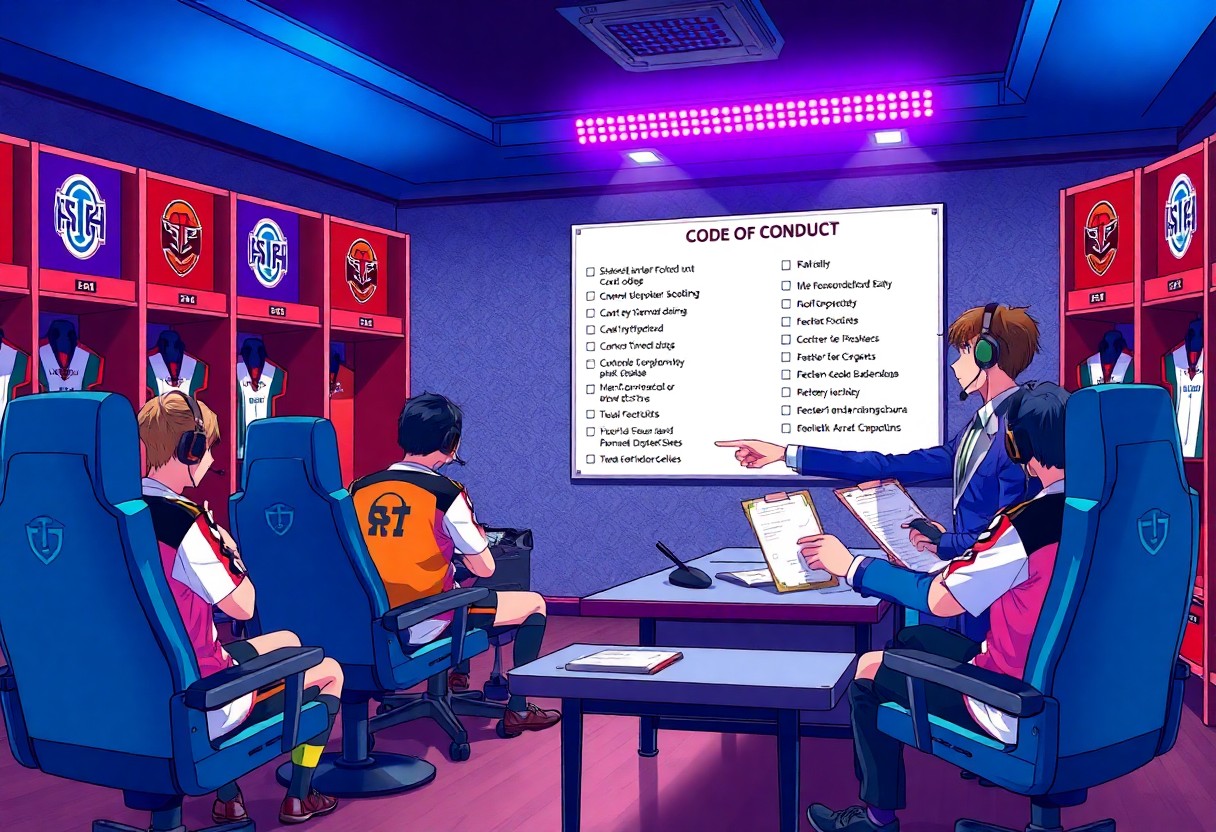
Over recent years, esports has surged in popularity, leading to increased scrutiny on player behavior. Establishing clear code of conduct policies is important for maintaining fairness, respect, and professionalism within teams and competitions, ultimately shaping the future of competitive gaming.
Core Principles of Professionalism in Esports
Establishing a Culture of Respect and Sportsmanship
Players and teams must prioritize respect for one another, fostering a positive atmosphere both in and out of the game. Adopting a mentality that values sportsmanship encourages healthy competition and cooperation among participants, regardless of their skill levels.
Commitment to respectful interactions sets the standard for community behavior. Such culture not only enhances team dynamics but also influences audience perceptions, shaping a more inclusive environment for all esports fans.
Defining the Role of the Professional Athlete in the Digital Age
Professional athletes in esports serve as role models in the gaming community, influencing younger players through their behavior and attitudes. Understanding the impact of their public persona is imperative, as their actions resonate across social media platforms and streaming services.
This public visibility carries a responsibility that extends beyond gameplay. Athletes must align their personal values with a professional code, exemplifying integrity and dedication to their craft.
As digital platforms amplify athletes’ reach, the need for responsible conduct becomes paramount. Engaging constructively with fans and peers can create a positive legacy, contributing to the overall acceptance and growth of esports as a legitimate profession.
Accountability Standards for Players, Coaches, and Management
Ensuring accountability is imperative for maintaining professionalism within esports teams. Clear standards must be established, holding all members, including players, coaches, and management, responsible for their actions. Violations should have outlined consequences to deter unprofessional behavior.
Implementing regular evaluations and feedback mechanisms can help reinforce these standards, ensuring everyone is aware of their commitments. Transparency around accountability builds trust within teams and the broader esports community.
Through consistent application of accountability measures, teams can cultivate a culture of integrity. This not only promotes fair play but also encourages personal growth, leading to more cohesive and successful teams in the long run.
In-Game Conduct and Competitive Ethics
Prohibition of Toxic Behavior, Griefing, and Communication Abuse
Toxic behavior, such as harassment or bullying, undermines the integrity of competitive gaming. Teams and players must adopt a zero-tolerance approach to any form of communication abuse that disrupts gameplay or affects the mental well-being of others.
Griefing, defined as intentionally causing disruption or frustration for teammates or opponents, is also strictly prohibited. Ensuring a respectful environment is necessary for maintaining fair competition and fostering positive experiences for all players involved.
Strict Adherence to Game-Specific Terms of Service and Rulesets
Following game-specific Terms of Service and established rulesets ensures fair play across all competitions. Each title has unique regulations that players and teams must understand and respect to promote integrity within the esports community.
Violation of these terms can lead to penalties, including disqualifications or bans. Awareness and compliance with these guidelines are imperative for sustaining a fair and enjoyable competitive atmosphere.
Strict adherence to the Terms of Service is not merely a formality; it reflects a commitment to ethical competition. When players familiarize themselves with the intricacies of each game’s rules, it enhances the competitive experience and fosters a culture of accountability and respect.
Identification and Prevention of Exploits and Unfair Advantages
Exploiting game mechanics to gain an unfair advantage jeopardizes the spirit of competition. All players must remain vigilant against using glitches or cheats that compromise integrity.
Teams should actively educate their members about identifying exploitative behaviors and report them to ensure fairness. Upholding the principle of fair competition requires collaboration and a proactive stance against any form of dishonesty.
Identification and prevention of exploits are critical for maintaining a level playing field. Establishing clear guidelines about acceptable behavior and ensuring prompt reporting procedures empowers players to take responsibility for their actions while promoting transparency across the competitive landscape.
Safeguarding Competitive Integrity
Anti-Cheating Protocols and Use of Prohibited Software
Cheating undermines the essence of esports. Strict anti-cheating protocols are important to maintain fair play. Players and teams must refrain from using any prohibited software that could manipulate game outcomes or provide unfair advantages.
Enforcement of these protocols requires constant monitoring and the implementation of technological solutions. Violations lead to severe penalties, including disqualification from tournaments and potential bans from future competitions.
Match-Fixing, Insider Trading, and Illegal Betting Regulations
Match-fixing and insider trading severely damage the competition’s integrity. These actions compromise not only the game but also the trust of fans and sponsors. Regulations are in place to prohibit these unethical practices and ensure accountability.
Encouraging transparency, esports organizations implement strict guidelines against illegal betting activities. Violators face disciplinary measures, which may range from fines to lifetime bans.
Further details on match-fixing reveal its serious implications. Players caught engaging in these activities risk their careers and reputations. Awareness campaigns educate participants about the consequences and promote ethical behavior within the community.
Reporting Mechanisms for Bribery and Extortion Attempts
Reporting mechanisms are critical in combatting bribery and extortion attempts in esports. Players, coaches, and staff should feel empowered to report any suspicious activities without fear of retaliation. Anonymity can be assured through established channels, fostering a culture of integrity.
Increased vigilance and accessible reporting tools encourage proactive measures against corruption. By promoting a transparent environment, organizations can deter unethical behavior effectively.
Education on reporting mechanisms enhances trust within the esports community. Well-informed players are more likely to speak out against misconduct, which strengthens the integrity of competitive gaming.
Anti-Harassment and Diversity Initiatives
Zero-Tolerance Policies Regarding Discrimination and Hate Speech
Esports organizations must implement zero-tolerance policies that explicitly prohibit any form of discrimination or hate speech. Clear guidelines should define unacceptable behaviors, including language that targets individuals based on race, gender, sexual orientation, or other identities. Consistent enforcement of these policies will ensure a safer, more inclusive environment for all players and fans.
Violations should lead to immediate consequences, reinforcing the commitment to a respectful and welcoming community. This approach not only protects individuals but also enhances the overall integrity of esports as a competitive platform.
Protecting Marginalized Groups and Promoting Gender Equality
Promotion of gender equality and the protection of marginalized groups are important components of esports policies. Initiatives can include mentorship programs, equitable opportunities, and resources aimed at increasing participation from underrepresented demographics. Increased visibility of diverse players can help combat stereotypes and create a positive shift in gaming culture.
Establishing partnerships with organizations that specialize in diversity initiatives can further support these goals. Ensuring that all players feel valued and included strengthens the community and enhances competitive dynamics.
Protocols for Reporting and Investigating Sexual Harassment
Clear protocols must be established for reporting and investigating incidents of sexual harassment within esports environments. Reporting mechanisms should be accessible and confidential, empowering victims to come forward without fear of retaliation. Training for all team members on these protocols promotes awareness and accountability.
Investigations should be conducted promptly and fairly, prioritizing the safety and well-being of all parties involved. Transparent handling of incidents reinforces trust in the system and commitment to a harassment-free environment.
Public Relations and Social Media Governance
Guidelines for Personal Branding and Content Creation
Players and teams must establish a consistent personal brand that aligns with their values and goals. Content should reflect professionalism, fostering a positive image while engaging fans authentically. Transparency in messaging enhances trust and builds lasting connections.
Creativity in content creation is equally important. Engaging multimedia formats, such as videos and streams, should be utilized to showcase skills and personality. Timely and relevant posts also keep followers engaged and informed, contributing to brand growth.
Crisis Management and Mitigating Reputational Risks
Effective crisis management necessitates a clear response strategy. Teams and players should prepare for potential incidents with predefined protocols that include immediate communication and damage control tactics. Transparency is key in addressing any allegations or controversies.
Regular training on managing public perception is advisable. Engaging PR professionals to assist during crises can help mitigate risks and preserve reputation. Maintaining an up-to-date crisis plan ensures readiness for unexpected situations.
Proactive measures, such as media training and a crisis communication plan, are crucial. These tools equip players and teams to respond effectively, minimizing potential fallout from negative incidents while maintaining fan trust.
Interaction Protocols with Fans, Critics, and the Media
Interaction protocols must be clearly defined to guide players in their engagements. Respectful communication with fans and critics fosters a positive community while setting boundaries to protect well-being. Guidelines should include approaches to addressing criticism constructively.
Media interactions require a professional demeanor. Teams should provide media training to players, ensuring they handle interviews and press inquiries appropriately. This training can help articulate messages clearly and effectively.
Setting clear protocols for interactions aids in maintaining a respectful and engaging environment. Establishing guidelines for handling inquiries ensures that dialogues remain constructive, reinforcing positive relationships with fans and the media.
Health, Wellness, and Substance Abuse Policies
Mandatory Physical Fitness and Ergonomic Standards
Fitness standards are important for optimizing performance in esports. Players must engage in regular physical exercises to enhance stamina, agility, and overall health. Teams should implement fitness assessments to ensure players maintain a baseline level of physical conditioning.
Designing ergonomic setups is equally important. Proper gaming stations that include adjustable chairs and desks help reduce the risk of injuries. Teams must enforce these ergonomic standards to promote long-term health and comfort for players during tournaments and practice sessions.
Mental Health Support and Burnout Prevention Strategies
Mental health resources can significantly impact a player’s performance. Offering access to mental health professionals allows players to manage stress and anxiety effectively. Teams should prioritize creating an environment where seeking help is normalized and encouraged.
Implementing burnout prevention strategies is also critical. Regular breaks during practice sessions, along with designated off-time for relaxation, help maintain mental clarity. Engaging players in mindfulness practices can further enhance their mental resilience in high-pressure situations.
Support systems focusing on mental health serve to restore balance in a highly competitive environment. Regular workshops, peer support groups, and mental performance coaching can alleviate pressures faced by players, ensuring they remain emotionally healthy and focused during competitions.
Anti-Doping Regulations and Prohibited Substance Lists
Strict anti-doping regulations are necessary to maintain fairness in esports competitions. Players must familiarize themselves with the prohibited substance lists provided by governing bodies. Violations can lead to severe consequences, including suspensions and damage to reputations.
Teams should educate players about the importance of compliance with these regulations. This includes routine testing and clear communication about substances that may enhance performance but ultimately compromise integrity and health.
Adherence to anti-doping regulations is part of fostering a transparent esports culture. Regular workshops and access to updated resources enable players to stay informed about what constitutes a violation, thereby solidifying the integrity of the sport.
Team Dynamics and Internal Communication
Professional Hierarchies and Chain of Command
Establishing a clear chain of command within esports teams is vital for efficient decision-making. Roles such as team captain, manager, and analysts should be well defined to facilitate effective communication and ensure accountability.
These hierarchies help in delineating responsibilities, which can prevent confusion during high-pressure situations. Players must understand where to seek guidance or report issues, streamlining the overall team operation.
Confidentiality Agreements and Protection of Proprietary Strategies
Confidentiality agreements form the backbone of protecting sensitive information within a team. These agreements prevent players from disclosing strategies and training methodologies to outside competitors, maintaining the team’s competitive edge.
Safeguarding proprietary information not only applies to gameplay but also includes team contracts and internal communications. Ensuring all team members understand these agreements strengthens trust and cooperation.
In esports, proprietary strategies can be the difference between victory and defeat. Teams must regularly remind players of the importance of confidentiality, especially when forming new tactics or analyzing opponents. A breach can jeopardize not just matches but the financial stability of the organization as well.
Internal Conflict Resolution and Mediation Frameworks
Establishing internal conflict resolution mechanisms is vital for maintaining a positive team atmosphere. Specific protocols should be outlined for addressing disputes constructively, enabling players to express grievances without fear of repercussions.
Implementing regular team meetings fosters an environment where concerns can be openly discussed. A designated mediator, whether a coach or an outside consultant, can facilitate these discussions to ensure fairness and impartiality.
Clear conflict resolution frameworks provide structure when tensions arise, helping to prevent minor disagreements from escalating into significant issues. A dedicated approach encourages collaboration, which ultimately enhances team performance and cohesion.
Technical Compliance and Equipment Standards
Regulations for Peripheral Usage and Hardware Modification
Teams must adhere to stringent guidelines regarding the use of peripherals to ensure a level playing field. Acceptable devices include specific models and brands approved by tournament regulators, preventing unfair advantages from custom hardware modifications.
Hardware alterations that enhance performance, such as modified controllers or mice, are strictly prohibited. All participants should use stock equipment unless explicit permission is granted for specific adjustments approved by the tournament officials.
Standards for Network Security and Personal Device Usage
Network security plays a critical role in maintaining the integrity of esports competitions. Players must employ secure connections and utilize specific software to prevent breaches during tournaments.
Personal devices must be equipped with updated antivirus software. Participants are also responsible for ensuring their devices remain secure and free from vulnerabilities that could affect gameplay or compromise sensitive information.
Network security policies not only protect players but also shield the overall integrity of the competition. All teams should conduct regular checks on network configurations, ensuring they meet tournament standards to avoid disqualifications arising from technical failures.
Compliance with Tournament-Specific Technical Audits
Compliance with technical audits is mandatory before, during, and after tournaments. Teams must prepare for inspections of equipment and software to verify adherence to established standards.
Failure to comply may result in penalties or disqualification. Ensuring all equipment meets tournament criteria before assessments streamlines the process and minimizes disruptions during competitions.
Technical audits serve as a safeguard against potential cheating and unfair advantages. Teams can benefit from conducting self-audits prior to official inspections, demonstrating a commitment to maintaining integrity within the esports environment.
Sponsorship and Commercial Obligations
Alignment with Team Sponsors and Brand Safety Guidelines
Establishing alignment with team sponsors is important for maintaining brand integrity. Players must adhere to guidelines that reflect the values and images of their sponsors, ensuring all public interactions and content are consistent with these standards.
Compliance with brand safety guidelines requires vigilance in communication. Players should avoid any statements or actions that could conflict with the interests or missions of their sponsors, thereby upholding a professional relationship that promotes both personal and team success.
Restrictions on Conflicting Individual Endorsements
Conflicting individual endorsements can jeopardize team sponsorships and undermine collective branding efforts. Players are typically prohibited from endorsing products or services that compete directly with team sponsors, ensuring cohesion in marketing efforts.
Violations of these restrictions may lead to disciplinary actions, reflecting the seriousness with which teams approach brand alignment. Clear communication of these rules is important for maintaining professional relationships and financial stability for both players and organizations.
Keeping players informed about the nuances of conflicting endorsements is important. Understanding the specific categories deemed competitive will help prevent unintentional breaches and promote strategic partnerships that benefit the team and sponsors alike.
Professional Appearance and Uniform Compliance During Events
Maintaining a professional appearance is critical during competitive events. Players must wear designated uniforms that represent their team, as this promotes unity and brand visibility to fans and sponsors alike.
Non-compliance with uniform requirements can distract from the team’s image and impact sponsorship relationships. Players should ensure that their attire adheres to guidelines, reflecting the professionalism expected at high-profile events.
Adherence to professional appearance standards not only conveys respect for the organization but also demonstrates commitment to the sport. Teams often take pride in their branding; thus, ensuring that players are uniformly presented can significantly enhance overall public perception.
Disciplinary Frameworks and Enforcement
Categorization of Violations and Tiered Penalty Systems
Violations in esports can be categorized based on severity, including minor infractions like unsportsmanlike behavior to major offenses such as cheating. Each category informs the corresponding penalties, creating a structured approach to discipline.
Tiered penalty systems ensure fairness, typically imposing escalating consequences for repeated violations. First-time offenders might receive warnings or minor fines, while more severe breaches could result in suspensions or disqualifications.
The Role of Integrity Commissioners and Disciplinary Committees
Integrity commissioners oversee investigations into violations and serve as impartial arbiters in disputes. They ensure that disciplinary actions align with established policies and maintain the integrity of esports.
Disciplinary committees evaluate cases involving teams or players, deliberating on the evidence presented. Their decisions play a key role in enforcing sanctions and upholding fair play standards.
Integrity commissioners and disciplinary committees are vital in maintaining a fair competitive environment. Their authority ensures that ethical standards are upheld, deterring misconduct while fostering trust among players, teams, and fans alike.
Appeals Processes and Right to Due Process
Appeals processes allow players and teams to contest disciplinary decisions, ensuring fairness. Each organization’s guidelines determine the timeframe and methods for submitting appeals, ensuring transparency.
Due process rights protect participants from arbitrary penalties, mandating fair hearings and informed decisions. This system reinforces trust in the disciplinary framework, balancing accountability with fairness.
Ensuring that due process is upheld during appeals is critical for participants. Players must have the opportunity to present their cases, receive timely responses, and understand the rationale behind decisions, reinforcing the integrity of the entire disciplinary system.
Education, Training, and Onboarding
Mandatory Sensitivity and Ethics Training for New Recruits
New recruits must undergo mandatory sensitivity and ethics training to ensure they understand the cultural nuances and behavioral expectations within the esports community. This training equips them to interact respectfully with teammates, opponents, and fans, laying the foundation for a positive gaming environment.
Curricula typically cover topics such as diversity, inclusion, and acceptable communication practices. Awareness of these issues promotes healthier team dynamics and reduces the likelihood of conflicts arising from misunderstandings.
Continuous Professional Development and Career Transitioning
Continuous professional development is crucial for players aiming to refine their skills and adapt to the evolving esports environment. Organizations should offer workshops and self-improvement coaching focused on gameplay and personal branding.
Career transitioning resources assist players in navigating post-competitive opportunities, whether in coaching, streaming, or other related fields. Addressing these aspects ensures players are prepared for life after their esports careers.
Access to resources like certifications, webinars, and networking events encourages players to stay relevant and engaged within the industry. Such initiatives shape their careers beyond gaming, providing tools for success in various endeavors.
Mentorship Programs for Junior Players and Academy Teams
Mentorship programs bridge the gap between seasoned professionals and junior players, fostering an environment of learning and growth. Experienced mentors guide younger players through the challenges of competitive gaming, sharing insights on strategy, teamwork, and maintaining mental health.
These programs create lasting relationships that inspire aspiring competitors to reach their full potential. Networking opportunities with industry veterans further enhance the learning experience, preparing them for future challenges.
Structured mentorship not only benefits junior players but also provides mentors with leadership experience and a chance to give back to the community. As mentorship evolves, organizations can create tailored programs that meet the unique needs of academy teams, ensuring holistic development for all players involved.
Legal Compliance and Global Regulatory Standards
Adherence to International Labor Laws and Visa Regulations
Esports players and teams must comply with international labor laws and visa regulations to ensure lawful participation in global events. Such compliance includes understanding visa requirements for international travel, which can vary significantly depending on the host country.
Understanding and following these regulations helps avoid legal complications and ensures smooth transitions between events. Teams should collaborate with legal experts familiar with immigration laws to uphold their obligations and protect their players’ rights.
Data Privacy Protection and GDPR Compliance in Esports
Players and organizations must adhere to data privacy laws such as the GDPR, which governs the handling of personal information. Non-compliance can result in severe penalties, impacting an organization’s financial standing and reputation.
Ensuring compliance involves implementing secure data collection practices and transparent policies regarding user consent. Protection strategies not only safeguard players’ information but also enhance trust with fans and stakeholders.
Clear communication about data usage, along with rigorous security measures, forms the foundation for building a responsible esports environment in alignment with GDPR mandates.
Harmonization with Global Esports Federations and Governing Bodies
Aligning practices with global esports federations and governing bodies promotes standardization and best practices across competitive play. Such harmonization benefits teams by providing clarity in regulations and fostering international cooperation.
Creating uniform standards also enhances the legitimacy of esports, facilitating smoother operations across borders and ensuring fairness in competitions. Collaboration among various organizations can help develop comprehensive guidelines that support the integrity of the industry.
Community Engagement and Social Responsibility
Participation in Charity Events and Community Outreach
Many esports teams actively participate in charity events, amplifying their community presence. These initiatives not only raise funds for worthy causes, but also engage fans, creating a sense of shared purpose among players and audiences.
Offering their platforms for charitable campaigns, players often host live streams or tournaments where proceeds go directly to nonprofits. This combination of competitive spirit and philanthropy enhances the image of esports as a positive force in the community.
Setting Positive Examples for Amateur and Grassroots Players
Professional gamers serve as role models for aspiring amateurs, illustrating the importance of integrity and sportsmanship. Highlighting ethical behavior on and off the screen inspires young players to follow suit, cultivating a responsible esports culture.
Embracing transparency in collaboration and communication can greatly influence grassroots movements. By sharing their journeys and experiences, established players encourage newcomers to focus on their own growth, rather than purely on fame and recognition.
Setting strong examples often involves not only winning but actively showcasing humility, respect, and dedication. Players who prioritize these values contribute to a healthier competitive environment where all participants feel valued and motivated to grow.
Environmental Sustainability Practices in Gaming Houses and Facilities
Adopting eco-friendly practices in gaming houses can significantly reduce the environmental impact of esports. Teams are beginning to implement sustainability measures, such as energy-efficient lighting and recycling programs, setting a precedent for responsible behavior within the industry.
Encouraging sustainability also involves educating players and staff on environmental issues, fostering a culture that values eco-conscious decisions. Even small steps can lead to meaningful changes in how the gaming community impacts the planet.
Environmental sustainability practices not only support the planet but can also enhance a team’s reputation. By leading the charge, gaming organizations show that they are committed to bettering the community and the environment, attracting fans who share similar values.

Final Words
So, code of conduct policies for esports players and teams establish clear expectations for behavior both in and out of the game. These guidelines promote professionalism, respect, and integrity within the esports community, which is vital for a positive environment.
Compliance with these policies enhances team reputation and encourages sportsmanship. As the esports industry continues to grow, adherence to established conduct standards will play a significant role in its sustainability and acceptance in mainstream culture.
Q: What are the main components of a code of conduct for esports players?
A: A code of conduct typically includes guidelines on sportsmanship, respect among players, integrity in gameplay, communication etiquette, and adherence to tournament rules. It may also outline consequences for violations.
Q: How does a code of conduct affect team dynamics in esports?
A: A well-defined code of conduct promotes a positive team environment, encourages collaboration, and helps prevent conflicts. It sets clear expectations for behavior, facilitating better communication and teamwork.
Q: What are the consequences of violating the code of conduct in esports?
A: Consequences can range from verbal warnings to suspensions or disqualifications from tournaments. Repeat offenses may lead to permanent bans from competitive play, as well as damage to a player’s or team’s reputation.