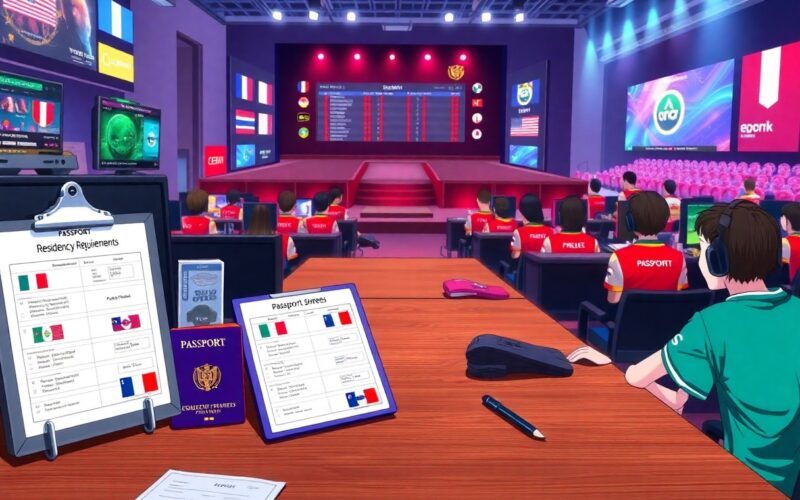

There’s a complex system surrounding roster lock regulations and transfer windows in esports leagues that shapes team dynamics and player movement. Understanding these rules is imperative for teams aiming for success in competitive gaming.
The Evolution of Professionalization in Esports Governance
The transition from grassroots gatherings to formalized franchise structures
Community-driven events laid the groundwork for today’s structured leagues, marking a shift from informal meet-ups to recognized franchises. This evolution has transformed local gatherings into highly organized tournaments, attracting sponsors and media attention.
Formalized franchise structures now dictate league operations, creating stability and consistency in competitive settings. Teams are bound by contracts and regulations, reflecting traditional sports models while adapting to the unique demands of esports.
Historical precedents of roster instability and their impact on viewership
Historically, frequent roster changes disrupted team cohesion, contributing to unpredictable gameplay experiences. Viewers often aligned their support with specific players, making rapid changes a source of frustration and disengagement.
Frequent instability led to diminishing fan loyalty, as supporters struggled to build connections with continually shifting lineups. Maintaining stability in rosters enhances familiarity and attachment, which is crucial for sustained viewership.
Changing player rosters can create uncertainty, impacting narratives built around favored teams. Persistent instability often results in short-lived fan interest, emphasizing the need for consistent roster management to cultivate dedicated audiences.
The role of governing bodies in establishing competitive integrity standards
Establishment of governing bodies has been crucial for promoting fair play in esports. These organizations impose rules and regulations that all teams must follow, ensuring a level playing field for competition.
Creating standards for player conduct and competition helps build trust among fans and stakeholders. Governing bodies work to uphold the integrity of esports, ensuring that the outcomes remain legitimate and competitive.
Clear standards set by governing bodies lay the groundwork for a flourishing ecosystem. Players, teams, and fans all benefit from regulations that prioritize competitive integrity, fostering a healthier environment for all participants.
Defining Roster Locks: Mechanisms and Objectives
Technical definitions of roster lock periods and lock-in dates
Roster lock periods are designated spans where teams cannot make player transfers or substitutions. Lock-in dates serve as specific timelines that mark the end of these periods, often aligning with important league events or seasons. These schedules are critical for maintaining stability within teams and competitions.
Regulations define behavior around roster changes, ensuring teams submit final rosters by the lock-in dates. Adhering to these technical definitions helps to mitigate disruptions and fosters competitive integrity throughout leagues.
Primary objectives: Preventing “superteam” formation mid-season
Preventing mid-season “superteam” formations is crucial for ensuring fair competition. Strong teams acquiring top players during ongoing tournaments could disrupt balance, leading to uneven matchups. Roster locks restrict such movements, promoting equal opportunities for all organizations.
Such regulations maintain excitement within leagues, allowing underdog teams an equal chance of success. By restricting player movements, leagues discourage the consolidation of talent and encourage a dynamic competitive environment.
Protecting the competitive ecosystem from predatory talent poaching
Protecting the competitive ecosystem ensures that teams retain their core talents, thus stabilizing the league’s structure. Predatory talent poaching undermines team efforts and creates an unstable environment for players, as constant shifts can occur if teams are allowed unrestricted movement.
Preventing poaching strategies nurtures loyalty and long-term commitments from players. By enforcing roster locks, leagues help maintain team integrity and reduce the frequency of talent switching, allowing for a more consistent competitive experience.
Anatomy of a Transfer Window: Phases and Procedures
Pre-season acquisition periods and global scouting cycles
Pre-season acquisition periods serve as an necessary phase for teams to bolster their rosters. Scouting cycles focus on identifying emerging talent across regions, ensuring teams remain competitive and adapt to evolving strategies. By analyzing player performance and potential, organizations can make informed decisions that shape their trajectories for the upcoming season.
Global scouting extends beyond localized events, tapping into online competitions and a wider player pool. This strategy minimizes geographical constraints and allows teams to discover talent that fits their specific needs, aligning with their overarching goals for success.
Mid-split transfer windows and the tactical “trade deadline”
Mid-split transfer windows introduce a tactical element to roster management. Teams must assess their performance critically, determining whether adjustments are necessary to improve standings. The “trade deadline” amplifies this urgency, compelling organizations to finalize deals before it closes.
This mid-split period not only allows for strategic acquisitions to address weaknesses but also enables teams to shed underperforming players. Decisions made during this window can significantly impact team dynamics and overall league performance, making it a pivotal point in the competitive schedule.
Off-season free agency and the expiration of standard player contracts
Off-season free agency is a critical time for both teams and players. As standard contracts expire, athletes become eligible to explore new opportunities, creating a dynamic market. Teams aim to fill gaps while players seek environments that best fit their aspirations.
Organizations that capitalize on off-season acquisitions can change their fortunes in the upcoming season. Players, when engaging with multiple teams, often seek not just financial incentives but also a conducive atmosphere for professional growth and success.
Strategic Impact on Team Management and Talent Scouting
Long-term roster building versus short-term performance adjustments
Teams often face a dilemma when deciding between long-term roster construction and immediate performance needs. Long-term strategies emphasize cohesion and growth, nurturing budding talent in favorable environments. In contrast, quick fixes prioritize instant results, potentially sacrificing future development for fleeting success.
Balancing these approaches requires careful analysis. While short-term adjustments can yield quick wins, they may lead to instability within the roster. Teams must weigh the ramifications of each decision and consider how transfers impact both current dynamics and future potential.
The psychological effect of transfer speculation on player performance
Transfer rumors can create a significant psychological burden on players, affecting their focus and performance. When speculation swirls, individuals may struggle with uncertainty regarding their future, leading to decreased morale and productivity. This mental strain often manifests in gameplay, impacting individual and team results.
Maintaining clarity and communication within teams can help mitigate these effects. Transparent discussions about roles and expectations are crucial for performance stability, allowing players to concentrate on their game rather than external distractions.
Utilizing data analytics to identify undervalued talent before window closures
Leveraging data analytics has become necessary for scouting talent in esports. By analyzing performance metrics, teams can uncover undervalued players who may contribute significantly once signed. This proactive approach allows organizations to capitalize on emerging talent just before transfer windows, often leading to advantageous acquisitions.
Analytics tools provide deeper insights into potential players’ skills and compatibility within a team. Assessing both quantitative and qualitative measures can reveal hidden gems, ensuring teams remain competitive and well-prepared for any roster changes that might enhance overall performance.
Player Rights and Contractual Protections during Transfer Periods
Standardized player contracts and the enforcement of minimum wage requirements
Standardization of player contracts across esports leagues helps ensure fair compensation for all participants. By enforcing minimum wage requirements, players are protected from exploitation in volatile market conditions. This system promotes transparency and trust between players and organizations, leading to a more stable esports environment.
Ensuring all contracts adhere to minimum wage standards also benefits the competitive integrity of esports. Uniformity in contract terms reduces the likelihood of disputes, allowing teams and players to focus on performance rather than contractual complications.
Legal protections against “contract jail” and restrictive non-compete clauses
Legal safeguards exist to prevent “contract jail,” where players remain bound to unfavorable agreements. Enforcing these protections allows players to seek new opportunities without obstructive barriers. Non-compete clauses must be reasonable in scope and duration to avoid hindering a player’s career trajectory.
Specific regulations mandate that these clauses cannot unjustly restrict a player’s ability to compete. Players should be aware of their rights, as laws vary by jurisdiction and can significantly impact their career decisions.
Understanding legal protections against restrictive non-compete clauses is imperative for players navigating transfer periods. Players may seek to negotiate terms that allow them the freedom to explore new opportunities without fear of significant penalties. Awareness of their legal rights can empower players to advocate for more favorable conditions during contract discussions.
The influence of player associations in negotiating window durations and terms
Player associations play an influential role in shaping transfer window durations and the associated terms. They work to ensure that players’ interests are represented, promoting fair negotiations between organizations. Such associations advocate for balanced agreements that support player rights and career development.
Negotiating consistent window durations helps to stabilize the competitive environment in esports. With collective representation, players can push for changes that address their concerns, leading to more equitable treatment throughout the industry.
Case Study: Riot Games and the League of Legends Global Contract Database
The Global Contract Database (GCD) as a tool for transparency and compliance
The Global Contract Database (GCD) established by Riot Games serves as a central repository for player contracts, enhancing transparency within the League of Legends ecosystem. By centralizing contract information, the GCD allows stakeholders-including teams and players-to verify agreements and compliance with league regulations efficiently.
Transparency in player contracts not only safeguards the rights of players but also holds organizations accountable. With access to contract details, prospective teams can make informed decisions, contributing to a fairer competitive environment.
Inter-regional movement policies and the regulation of import slot restrictions
Inter-regional movement policies govern the transfer of players across different leagues, focusing on maintaining competitive integrity. These policies are vital for ensuring that local talent has opportunities while also regulating the influx of international players through import slots.
Restrictions on import slots create a structured framework, enabling teams to balance their rosters and invest in local talent. This balance helps preserve regional identities in the competitive scene while still allowing for some international influence.
Inter-regional movement policies prioritize developing local ecosystems without sacrificing competitiveness. By enforcing import slot restrictions, Riot Games ensures that teams cannot excessively rely on foreign talent, compelling organizations to nurture their homegrown players and create a diverse competitive scene.
Integration of Academy and developmental league rosters into the primary lock system
Integration of Academy and developmental league rosters into the primary lock system ensures that talent pipelines are aligned with professional leagues. This structure allows teams to promote promising players while maintaining stability in their main rosters.
Incorporating these developmental rosters within the same regulatory framework fosters a cohesive player development strategy. Teams can easily transition skilled players to the main squad, strengthening roster depth without violating lock rules.
Integration of Academy and developmental leagues within the primary lock system accelerates player readiness for top-tier competition. This alignment not only maintains the integrity of team rosters but also enhances competitive dynamics by ensuring that talented players are consistently groomed for success.
Case Study: Valve’s DPC System and Open Circuit Regulations in Dota 2
The evolution of the Dota Pro Circuit (DPC) registration and penalty system
Dota 2’s DPC evolved significantly since its inception, aiming for an organized competitive structure. Initially, the registration and penalty framework lacked clarity but was refined to ensure compliance and fairness across teams.
This evolution included defining roster lock periods and establishing clear penalties for infractions, thus encouraging teams to invest in stable lineups and reducing last-minute roster changes that could disrupt competition integrity.
Managing roster changes in an open-circuit ecosystem versus franchised models
In open-circuit systems, roster changes are frequent, reflecting the dynamic nature of team compositions. Flexible transfer policies allow teams to adapt quickly to player performance and meta shifts.
Contrastingly, franchised models impose stricter rules, often limiting roster adjustments to transfer windows. This stability can enhance team cohesion but may also hinder adaptability to competition dynamics.
Managing roster changes in an open-circuit ecosystem offers teams agility to respond to in-game challenges, while franchised systems prioritize stability through restriction. This fundamental difference shapes team strategies, influencing not only performance but also the long-term viability of esports organizations.
The impact of roster locks on direct invitations to The International
Roster locks play a pivotal role in shaping qualifications for The International. Teams must maintain consistent lineups to secure their positions, preventing last-minute changes that could alter competitive balance.
Consequences of these restrictions include diminished roster flexibility and increasing pressure to retain effective players, leading to a more stable competitive environment as teams strive to meet qualification standards for the prestigious event.
The impact of roster locks instills a sense of accountability among teams, ensuring that consistent performance is a key factor in securing invitations to The International. This regulation ultimately drives teams to establish synergy and maintain strong player relationships throughout the DPC season.
The Role of Free Agency and Buyout Clauses in Competitive Play
Valuation of elite talent: Determining fair market buyout prices in a digital age
Establishing a fair buyout price for elite esports players involves various factors, including current market trends and individual performance metrics. Teams analyze previous transfer fees, player statistics, and brand value to derive an appropriate cost that reflects a player’s contribution to the team.
Market fluctuations in esports can also impact valuations significantly. As demand for top-tier talent rises, the buyout prices may surge, making it vital for organizations to balance competitiveness with financial sustainability when negotiating these figures.
The distinction between restricted and unrestricted free agency in esports
Restricted free agents can only negotiate with their current teams unless a contract offer meets specific criteria established by the original organization. Unrestricted free agents, by contrast, have the freedom to sign with any team without requiring consent, leading to varied strategies for player movement.
The implications of these classifications influence team dynamics and player retention. Organizations must strategize effectively as restricted players require more negotiation efforts to secure their future, while unrestricted players may seek higher offers elsewhere.
Negotiation ethics and the administrative penalties for tampering (anti-poaching)
Engaging in unethical practices during player negotiations can lead to severe penalties under esports league rules. Teams found guilty of tampering may face fines or other disciplinary actions, highlighting the importance of ethical standards in player management.
Protecting players’ rights and maintaining fairness within the league is paramount. The implementation of strict guidelines ensures that organizations approach player negotiations with integrity, thereby safeguarding the overall competitive spirit.
Emergency Substitutions and Hardship Exceptions
Defining “force majeure” events: Health, visa issues, and sudden retirement
Force majeure events encompass unforeseen circumstances that prevent a player from participating in competitions. Health-related issues can range from serious medical conditions to injuries, impacting a player’s ability to compete. Visa complications also pose significant challenges, particularly for international teams dealing with immigration policies.
Sudden retirements complicate roster stability, often uprooting a team’s strategies mid-season. These occurrences necessitate clear definitions to ensure teams can adapt quickly without violating league rules. Understanding these scenarios helps in crafting appropriate emergency protocols.
Administrative approval processes for emergency stand-ins and temporary loans
Approval procedures for emergency stand-ins are important to maintain competitive integrity within esports leagues. Teams must submit detailed requests justifying the need for a substitute, outlining the specific circumstances surrounding the situation. This process often involves league officials assessing the validity of the claim before granting temporary changes.
Temporary loans from affiliated teams can also be facilitated, allowing players to step in under specified conditions. Streamlined approval channels help expedite the process while ensuring compliance with existing regulations.
Communication between teams and league officials is critical in these approval processes. Detailed documentation is required to verify the availability and eligibility of candidates, minimizing the potential for disputes. Efficiency in this procedure can significantly affect a team’s performance and strategy implementation during crucial matches.
Constraints on substitute eligibility for post-season and championship play
Eligibility requirements for substitutes become more stringent during post-season and championship play. Teams are often limited to pre-defined roster candidates, ensuring that only those with adequate experience and familiarity with team dynamics participate in critical matches. These restrictions uphold the integrity of high-stakes competitions.
Additionally, late substitutions can disrupt team cohesion and strategy execution, making adherence to eligibility criteria important. Understanding these limitations allows teams to plan effectively, ensuring that all roster changes align with league regulations and competitive fairness.
Eligibility constraints emphasize preparation and strategy, as teams must maintain a stable roster throughout the season to avoid last-minute emergencies. Awareness of these rules is vital for teams to navigate potential player changes effectively, especially during pivotal moments in the competitive calendar.
Regional Variations: North America, Europe, and Asia-Pacific Standards
Cultural differences in contract length and organizational loyalty in East Asia
Contracts in East Asian esports often feature longer durations, reflecting a deep-rooted emphasis on organizational loyalty. Teams aim to cultivate stability within their rosters, allowing players to grow alongside the organization over several seasons.
Player expectations vary significantly, with many athletes prioritizing commitment to their teams over individual mobility. This cultural perspective shapes not only contract negotiations but also influences league dynamics and talent retention strategies.
The European model: Emphasis on regional leagues and developmental mobility
European esports leagues prioritize regional competitions, forging pathways for young talent through various tiers. These structures facilitate gradual progression, allowing players to demonstrate skill while fostering local fan engagement.
Development within this framework often leads to increased visibility and prepares players for higher-stakes environments. Organizations frequently scout across multiple levels, ensuring that potential stars emerge from their regions and ascend within the competitive hierarchy.
Influence of traditional North American sports law on esports franchising
North American esports franchising draws heavily from traditional sports legal frameworks, emphasizing intellectual property rights and consumer protection. Contracts often mirror those in established leagues, impacting negotiations for ownership, player transactions, and revenue sharing.
This influence promotes a more structured environment, reinforcing the legitimacy of esports organizations while creating a clearer landscape for players and teams alike. Consequently, the balance between competition and business operations remains paramount in fostering sustainable growth.
Financial Fair Play and Salary Cap Intersections with Transfers
The impact of luxury taxes and hard salary caps on roster mobility
Luxury taxes and hard salary caps create a balancing act for esports organizations. Teams striving to maintain competitive rosters must manage their budgets carefully, as exceeding these thresholds can result in significant penalties. This restriction often affects high-profile player transfers, limiting options for teams eager to bolster their lineups.
Without careful financial planning, organizations risk forfeiting valuable resources. Roster mobility can diminish as teams become reluctant to pursue expensive talent, knowing the ramifications of a luxury tax or salary cap violation. This environment prompts strategic planning over impulsive spending.
Revenue sharing models and their effect on organizational transfer budgets
Revenue sharing in esports creates a financial foundation that can enhance a team’s transfer budget. When organizations benefit from a collective pool of earnings, they often find themselves in a stronger position to invest in player acquisitions. This system promotes competitive balance, ensuring that wealthier teams do not monopolize talent merely due to their financial prowess.
With effective revenue sharing models, even smaller teams can engage in the transfer market. Such models encourage strategic investments, fostering a more dynamic competitive environment as different organizations vie for talented players across the scene.
Analyzing revenue sharing models further reveals their potential to level the playing field in esports. By distributing portions of league earnings across all participating organizations, less affluent teams gain access to resources they would otherwise lack. This influx can significantly influence transfer budgets, allowing for strategic acquisitions that enhance overall league competitiveness.
Regulating external sponsorships and personal endorsements during team transitions
Regulatory frameworks around external sponsorships and personal endorsements are critical during team transitions. As players switch organizations, issues arise concerning existing sponsorships that may conflict with new team affiliations. Clear guidelines help prevent legal ambiguities and protect the interests of both teams and athletes.
Establishing rules regarding these endorsements ensures fairness and prevents potential exploitation of players during roster changes. By maintaining transparency, leagues can cultivate a trustworthy environment where teams and players can focus on performance rather than financial disputes.
Understanding regulations on external sponsorships highlights the complexity involved in player transitions. Organizations must navigate existing contracts while considering how endorsements could affect their branding strategies. Effective management of these elements can lead to smoother transitions that bolster team identity and player marketability.

The Influence of Third-Party Tournament Organizers on Roster Stability
Harmonizing roster rules across ESL, FACEIT, and BLAST tournament circuits
ESL, FACEIT, and BLAST each implement unique roster regulations, leading to inconsistencies that affect team composition stability. As teams participate in multiple circuits, discrepancies in roster lock dates and transfer policies create challenges for roster management.
Standardization of these rules across all major organizers would facilitate smoother transitions between tournaments. Establishing uniform guidelines could enhance competitive integrity and simplify logistical planning for teams navigating different events.
The challenge of multi-tournament participation and conflicting lock-in dates
Conflicts arise when teams aim for multi-tournament participation, particularly due to overlapping roster lock-in dates. This problem requires strategic planning to meet varying lock timelines while ensuring competitive eligibility.
Rigorous scheduling dilemmas often lead to player burnout and hinder roster cohesion. Competing in numerous events without clear, aligned timelines can diminish team performance due to fragmented preparation and potential roster changes.
Addressing the complexities of overlapping tournament schedules demands cooperation among organizers to establish synchronized lock-in dates. This collaborative approach would provide teams with the flexibility needed to compete effectively while maintaining roster integrity across events.
Standardizing “Transfer Points” and their role in global ranking systems
Transfer Points are necessary for maintaining a balanced competitive environment, yet their application varies significantly among leagues. Standardizing how these points are calculated and implemented across tournaments would help clarify player movement and its impact on rankings.
Establishing a universal metric for Transfer Points could promote fairer competition by accurately reflecting player contributions and performance. This consistency would ultimately benefit organizations and fans by ensuring a clearer understanding of team standings globally.
A unified system for Transfer Points would enhance accountability and transparency across the esports ecosystem. Teams would appreciate clarity in how player transfers influence rankings, fostering a more competitive atmosphere and encouraging better player retention strategies.
Future Trends: Digital Automation and Global Standardization
Automated roster verification and verification via smart contract technology
Emerging technologies are making roster verification more efficient. Smart contracts can automate compliance with regulations, ensuring that player transfers and roster changes are verified in real-time. This reduces human error and increases transparency within esports leagues.
Combining blockchain technology with roster management could revolutionize existing processes. With automated systems in place, teams can streamline their operations, minimizing disputes related to player eligibility and transfer agreements.
The rise of AI-driven talent valuation and predictive scouting software
AI-driven tools are reshaping how teams assess player talent and potential. Predictive scouting software analyzes diverse data points to provide insights that traditional methods miss, enhancing decision-making in recruitment strategies.
As teams adopt these technologies, scouting becomes less reliant on gut feelings and more grounded in objective analysis. This evolution creates a competitive edge, allowing teams to identify undervalued players before others do.
The integration of AI in player evaluation not only streamlines processes but also democratizes access to high-level scouting. Smaller organizations gain insights previously available only to larger teams, making the talent market increasingly competitive and dynamic.
The potential for a unified World Esports Transfer Body to oversee global movement
Creating a centralized organization could enhance regulation of player transfers across multiple leagues. A World Esports Transfer Body would standardize rules and processes, leading to a more coherent and fair system for player movement globally.
This body could address inconsistencies currently present in transfer regulations, making it easier for teams and players alike to navigate the complexities of the esports transfer market.
A unified authority would provide structure in an area often seen as chaotic, establishing guidelines that protect the rights of players while ensuring clubs operate within a framework that promotes fairness and transparency.
Conclusion
Now, roster lock regulations and transfer windows play a pivotal role in maintaining competitive integrity within esports leagues. These rules prevent fluid changes to team lineups during critical periods, ensuring that teams compete with established rosters and strategies.
Understanding these regulations is imperative for players, teams, and organizations aiming to succeed in esports. By adhering to set timeframes for transfers and roster adjustments, stakeholders can foster a fair environment, ultimately promoting strategic gameplay and engaging competitions.
FAQ
Q: What are roster lock regulations in esports leagues?
A: Roster lock regulations specify the timeframe during which teams cannot make changes to their player lineups. These regulations are designed to ensure stability in team compositions for the duration of a season or tournament, preventing any last-minute changes that could affect competitive balance.
Q: When do transfer windows occur in esports leagues?
A: Transfer windows occur at designated times during the season, allowing teams to make player acquisitions or releases. These periods are typically set before or after major tournaments and coincide with specific league schedules, ensuring clarity for all participating teams.
Q: What happens if a team violates roster lock or transfer window rules?
A: Teams that violate roster lock or transfer window rules may face penalties such as fines, loss of points, or disqualification from matches. League organizers enforce these rules to maintain fairness and integrity, ensuring all teams abide by the established guidelines.