There’s a set of rules guiding how observers and spectators should conduct themselves during competitive matches. Understanding these guidelines ensures fair play and maintains the integrity of the event, allowing participants to focus solely on their performance.
Fundamental Principles of Spectator Etiquette
Maintaining Neutrality in Competitive Zones
Observers play a critical role in creating a balanced atmosphere during matches. Remaining neutral not only fosters respect among fans but also enhances the overall experience for participants. Biased behavior can disrupt the integrity of the competition and lead to unnecessary tensions.
Avoiding favoritism is important. Emphasizing the value of fair play encourages both athletes and spectators to engage in the spirit of the game, ensuring an enjoyable environment for everyone involved.
Respecting Participant and Official Integrity
Respect for participants and officials is fundamental to any competitive match. Upholding their dignity allows the focus to remain on the game rather than distractions caused by unruly behavior or disrespect. This respect fosters an atmosphere of professionalism and integrity.
Encouraging respectful interactions between spectators and officials, as well as between fans and competitors, reinforces the importance of sportsmanship. Observers should always remember that everyone involved contributes to the essence of the competition.
Adherence to Universal Sportsmanship Standards
Adhering to universally accepted standards of sportsmanship cultivates a positive environment during competitive matches. Spectators should celebrate achievements without resorting to negativity or derogatory comments toward opponents. This approach reflects the true spirit of competition.
Sportsmanship promotes healthy rivalries and camaraderie among fans. Observers who engage in supportive behavior enhance the overall atmosphere, making competitions enjoyable for everyone present.
Physical Boundary and Zone Restrictions
Identification of Restricted Participant Areas
Restricted participant areas are designated zones that prohibit access to non-competitors, ensuring safety and integrity during matches. Identifying these zones is imperative for spectators and observers, as violations can lead to penalties or disqualification.
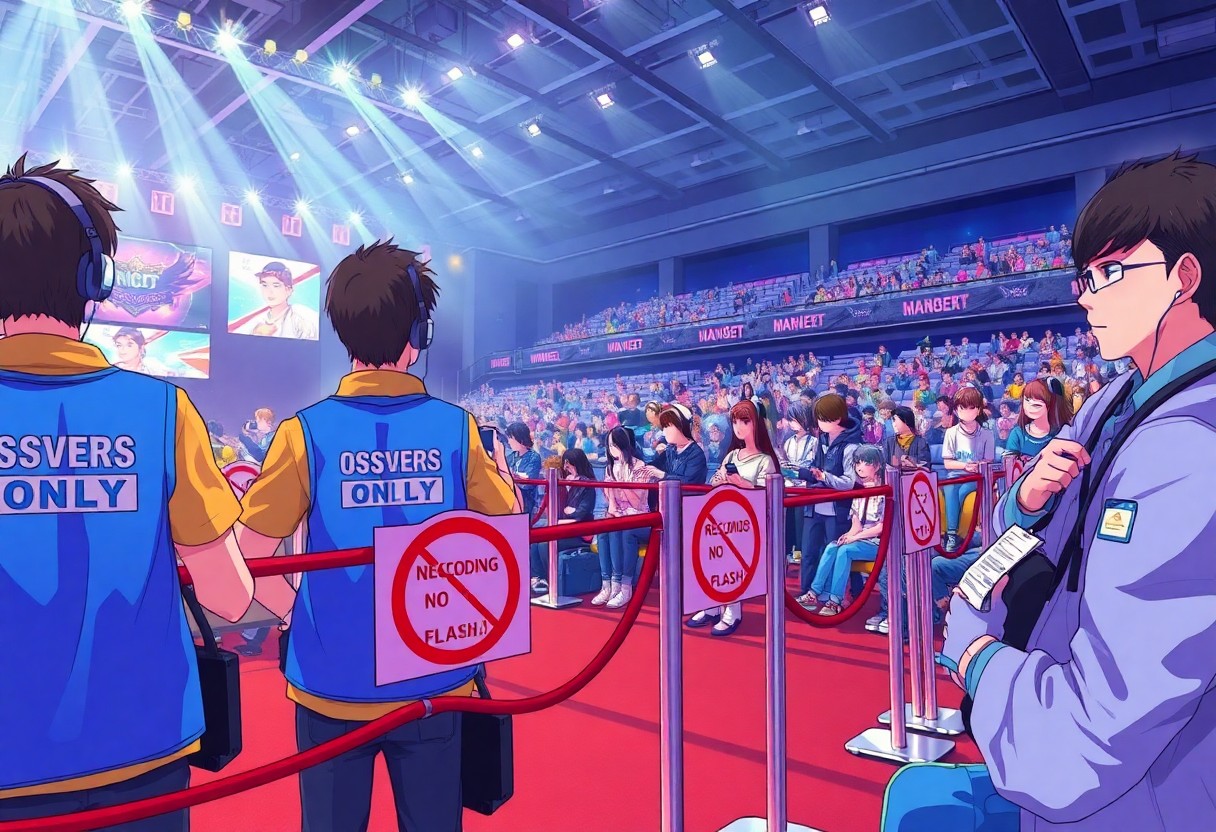
Typically marked by fences or barriers, these areas include team benches, medical zones, and referee stations. Clear signage assists attendees in understanding which areas are off-limits to the general public.
Buffer Zone Maintenance and Encroachment Policies
Buffer zones serve to separate active play from spectators, reducing the risk of injury. Maintenance of these zones is critical for safety and involves regular inspections to ensure barriers remain intact.
Encroachment policies dictate that spectators must respect the boundaries at all times. Breaching these lines can result in ejection from the venue or other disciplinary actions.
Establishing clear guidelines for encroachment helps maintain order and safety during matches. Security personnel play a key role in monitoring these zones and addressing any violations swiftly, ensuring a smoother experience for all involved.
Seating and Standing Room Designations
Seating and standing room designations are established to manage crowd flow and ensure a positive experience for all attendees. Specific areas are allocated for seating, while others permit standing to accommodate different preferences.
Clear markings and signage guide spectators to their designated areas, helping to prevent overcrowding. This organization enhances visibility for fans while allowing participants to perform without obstructions.
Proper implementation of designated areas creates an atmosphere conducive to both enjoyment and competition. By maintaining these guidelines, venues can foster a respectful environment that prioritizes the needs of players and attendees alike.
Verbal and Non-Verbal Communication Policies
Prohibition of Strategic Coaching from the Sidelines
Observing a match should focus on enjoyment, not influencing the outcome. Coaches and spectators must refrain from providing any strategic direction to players during competitive play. This rule ensures that athletes rely on their training and teamwork, fostering a level playing field.
Any form of sideline coaching undermines the integrity of the game. Players should determine their strategies and adapt without external input, promoting both fair competition and personal growth in their skills.
Noise Level Management and Distraction Prevention
Maintaining an appropriate noise level ensures that players remain focused on their performance. Spectators should be mindful of their volume, avoiding excessive cheering or commentary that could disrupt the flow of the game. Respectful behavior contributes to a positive atmosphere for all involved.
Distractions from the sidelines can negatively impact player concentration. Organizations should establish clear guidelines regarding acceptable noise levels, providing a conducive environment for athletes to perform at their best.
Effective noise management enhances the overall experience for everyone at the event. Organizers should encourage spectators to support their teams vocally, while still keeping the focus on the game, allowing athletes to showcase their skills without unnecessary distractions.
Visual Signage and Banner Regulations
Clear guidelines exist regarding the display of banners and signs at competitive matches. Observers must ensure that any visual materials adhere to specified dimensions and messages, avoiding offensive or distracting content. Compliance promotes a respectful atmosphere for players and spectators alike.
Signage should also not obstruct views or create safety hazards. Maintaining clear sightlines helps everyone enjoy the match, while also reflecting the spirit of good sportsmanship and community support.
Proper regulations regarding visual signage create an environment focused on the game while providing an avenue for fans to express their enthusiasm. Clear communication about these restrictions fosters respect and unity among all attendees, enriching the competitive experience for players and supporters.
Technological and Digital Device Management
Flash Photography and Lighting Restrictions
Flash photography is strictly prohibited during competitive matches to avoid distractions for players and officials. Bright flashes can disrupt concentration and interfere with gameplay, impacting performance and outcomes.
Lighting restrictions ensure that all spectators adhere to the guidelines set by event organizers. Attendees should utilize ambient light settings or non-disruptive mobile devices to capture moments without compromising the match atmosphere.
Live Streaming and Unauthorized Broadcasting Prohibitions
Unauthorized live streaming or broadcasting of matches is banned to protect broadcasting rights and maintain exclusivity for official channels. Spectators must refrain from attempting to capture the event for public distribution.
Such prohibitions help uphold the integrity of the sport and ensure that viewers access quality coverage through appropriate platforms. Violators may face penalties, including ejection from the venue.
Unauthorized reproductions of match content can undermine the financial agreements between organizers and broadcasters. Enforcing these rules not only safeguards commercial interests but also enhances the overall viewing experience for audiences accessing official streams.
Signal Interference and Wireless Device Coordination
Signal interference from personal devices can disrupt communication equipment crucial for match operations. Hence, spectators are advised to limit the use of wireless devices during critical moments of the event.
Coordination of device usage is necessary to minimize disruptions. Attendees should configure their devices to avoid interference with other communications, ensuring smooth operations for event staff and officials.
Proper coordination of wireless devices is crucial for maintaining the event’s integrity and minimizing disruptions. Spectators should be aware of their surroundings and comply with announcements regarding device use to help preserve the match environment.
Interaction Protocols with Match Officials
Non-Interference with Officiating Decisions
Observers and spectators must respect officiating decisions without interference. Disruptive behavior, such as shouting at referees or judges, undermines their authority and disrupts the integrity of the match. It’s imperative to maintain an atmosphere that allows officials to perform their duties effectively.
Understanding that officiating involves real-time judgment, any attempt to influence a decision reflects poorly on the sporting community. Spectators should cheer for their teams rather than challenge or dispute calls, which can lead to a negative environment for all participants.
Procedures for Reporting Spectator Misconduct
Reporting misconduct should follow a clear and structured approach. Officials and event organizers typically provide designated channels for communication regarding any inappropriate behavior observed in the stands. Awareness of these channels is crucial for maintaining the decorum of competitive matches.
When misconduct occurs, spectators are encouraged to inform security personnel or match officials promptly. Providing specific details, including the nature of the behavior and the individuals involved, can help in addressing the issue effectively.
The report process ensures swift intervention to maintain a positive experience for participants and fans alike. Ensuring that all reports are treated with confidentiality promotes trust and encourages more spectators to speak up against misconduct. This collective effort contributes to a respectful atmosphere during matches.
Direct Engagement Constraints with Referees and Judges
Direct engagement with referees and judges during matches is generally prohibited. Such interactions can be perceived as confrontational and could lead to disciplinary actions. Maintaining a respectful distance reinforces the authority of officials and the orderly conduct of the game.
Respecting these boundaries allows match officials to focus on their responsibilities without distractions. Observers should channel their energy into supporting their teams rather than attempting to communicate directly with officials, preserving the integrity of competitive play.
Interactions, if necessary, should occur only during designated times, such as timeouts or breaks. Adhering to this protocol ensures that officials retain their decision-making autonomy while maintaining a healthy spectator experience.
Safety, Security, and Emergency Compliance
Evacuation Routes and Emergency Response Awareness
Designated evacuation routes should be clearly marked and accessible to all spectators. In an emergency, following the posted signs and instructions from personnel is important for a safe and orderly exit.
Awareness of emergency response protocols will enhance safety for everyone in attendance. Spectators must familiarize themselves with the nearest exits and be attentive to any announcements made during the event.
Prohibited Items and Security Screening Procedures
Items deemed unsafe or disruptive are strictly prohibited from entering the venue. Such items may include weapons, large bags, and outside food or drink, all of which compromise safety.
Security screening procedures will involve bag checks and metal detectors to ensure compliance. Patrons should arrive early to accommodate these necessary measures without delaying entry.
Each venue’s specific list of prohibited items is available online, allowing spectators to prepare accordingly. Understanding these regulations helps create a secure environment for all attendees.
Medical Assistance Access and Reporting Protocols
Access to medical assistance should be straightforward and well-communicated. Clearly marked first aid stations throughout the venue enable prompt response in case of emergencies.
Reporting protocols for medical incidents are equally important. Spectators are encouraged to alert staff immediately if someone requires medical attention to ensure a swift response.
Organizers often provide emergency contact numbers posted throughout the venue. This ensures all attendees are prepared to request help quickly in case of any medical situation arising during the event.
Standards for Accredited Media and Professional Observers
Credentials and Access Level Verification
Access to competitive matches requires strict credentialing processes to maintain the integrity of the event. Accredited media and professional observers must present valid identification and comply with established verification procedures before entry. Failure to meet these standards can result in immediate denial of access.
Commitment to transparency is vital. Organizations must regularly audit their credentialing procedures to ensure fairness and security for all participants involved. Any discrepancies in credential verification can lead to severe consequences for both the individual and the event as a whole.
Professional Conduct in High-Stakes Environments
Expectations for behavior during competitive matches are stringent. Professional observers and accredited media should exhibit decorum, respecting both the athletes and fellow attendees. Disruptive actions or excessive noise can undermine the atmosphere and distract participants.
Maintaining a neutral demeanor is paramount in these high-pressure scenarios. Observers must avoid engaging in confrontations or partisan activities that could compromise the integrity of their position. Professionalism ensures the event remains focused on competition.
In high-stakes environments, observers also represent their organizations. Upholding standards not only reflects on their professionalism but also influences public perception of the event. Adhering to these expectations fosters a respectful environment that honors the efforts of all athletes involved.
Interview and Post-Match Media Interaction Limits
Strict guidelines govern interactions between media and athletes during and after matches. Accredited media members must adhere to established protocols to ensure that athletes are not overwhelmed immediately following competitive events. These limits are designed to allow athletes time to regroup before engaging with the press.
Scheduling interviews after matches requires careful coordination with authorities to maintain an orderly process. Adherence to these procedures helps protect athletes’ mental and emotional well-being while ensuring that media coverage remains accurate and respectful.
Improper timing or excessive media requests can detract from athletes’ performance and recovery. Establishing clear limits helps balance the needs of media coverage with the welfare of the participants, ensuring that the integrity of the sport is preserved while facilitating meaningful interactions.
Disciplinary Framework and Enforcement Actions
Verbal Warnings and Formal Citations
Verbal warnings serve as the initial step in addressing inappropriate behavior during matches. Officials may issue these warnings to remind observers and spectators of the expected conduct. Formal citations may follow if the behavior persists, outlining specific infractions.
Issuance of a formal citation not only documents the incident but also signifies potential repercussions for continual violations. Such steps are integral to maintaining decorum, emphasizing the seriousness of compliance during competitive events.
Immediate Ejection and Venue Removal Criteria
Immediate ejection can occur for behaviors that pose a risk to players or disrupt the match. Examples include aggressive verbal confrontations or physical altercations. Officials retain the discretion to remove individuals from the venue for severe violations.
Compliance with venue removal criteria aims to restore order and safety within the environment. Enforcement of these actions underscores the importance of maintaining a respectful atmosphere during competitions.
Long-term Bans and Membership Revocations
Long-term bans may be imposed for repeated offenses or particularly egregious conduct. Such measures prohibit individuals from attending future events, ensuring a safer environment for all participants. Membership revocations also serve as a disciplinary action, effectively terminating any associated privileges.
A clear protocol exists for determining when a long-term ban or membership revocation is warranted. Factors include the severity of offenses, frequency of violations, and overall impact on the community. The aim is to deter unacceptable behavior while preserving the integrity of competitive matches.
Environmental and Venue-Specific Regulations
Waste Management and Littering Policies
All attendees must comply with the waste management guidelines established by the venue. Bins for recycling and general waste will be readily available throughout the area, encouraging responsible disposal of materials.
Violations of littering policies can lead to fines or removal from the event. Spectators are encouraged to leave the venue as clean as they found it, reflecting respect for the environment and community.
Alcohol and Substance Consumption Restrictions
Consumption of alcohol is often regulated and limited to designated areas. Identification checks may be enforced to ensure compliance with age restrictions.
Individuals found consuming prohibited substances within the venue can face immediate ejection. Strict measures ensure the safety and integrity of the event, promoting responsible conduct among spectators.
Certain venues may impose additional limitations on the types of beverages allowed, emphasizing community safety and enjoyment. Attendees should familiarize themselves with these restrictions to avoid penalties and enhance their experience.
Respect for Private Property and Venue Infrastructure
Respecting private property is necessary for maintaining a positive relationship between event organizers and venue owners. Attendees should not interfere with infrastructure, ensuring facilities remain in good condition for future events.
Destruction or vandalism of property can result in significant repercussions, including legal action or bans from future events. Taking care of the venue helps ensure its continued use for competitive matches.
The Role and Authority of the Technical Observer
Oversight of Competitive Integrity and Fair Play
Technical observers are entrusted with maintaining competitive integrity by monitoring adherence to official rules. Their presence ensures that fair play standards are upheld, preventing any form of cheating or manipulation during matches.
Enforcement of guidelines falls within their jurisdiction, allowing them to intervene if irregularities occur. By conducting regular checks and offering immediate feedback, technical observers play a pivotal role in preserving the spirit of competition.
Reporting Mechanisms for Technical Discrepancies
Technical observers are responsible for documenting any discrepancies that arise during matches. Reporting protocols are established to ensure transparency and accountability, with findings submitted to the appropriate governing bodies.
Such mechanisms facilitate a systematic review process, enabling swift resolutions to issues that may compromise match integrity. Effective communication between observers and officials is important for maintaining order and addressing concerns promptly.
Observers utilize a standardized form for reporting mechanisms, detailing the nature of discrepancies and any observed violations. This streamlined process ensures accurate information flow, allowing governing bodies to make informed decisions based on the observer’s comprehensive assessments.
Distinction Between Casual Spectators and Official Observers
Casual spectators engage with matches for enjoyment, contributing to the atmosphere without any formal responsibility. Official observers, however, possess designated authority, tasked with monitoring and ensuring compliance with competition rules.
While casual fans may express opinions or cheer on participants, official observers must remain unbiased and focused on their monitoring duties. This separation of roles is important for maintaining order and integrity in competitive environments.
Official observers undergo specific training to equip them with the necessary skills to analyze gameplay and spot potential rule infractions. This specialized knowledge sets them apart from casual spectators, aligning their responsibilities with the overarching goals of competitive fairness.
Conflict Resolution and De-escalation Strategies
Managing Inter-Spectator Disputes
Disputes among spectators can escalate quickly if not addressed promptly. Clearly defined behaviors and expectations should be communicated before matches, setting the groundwork for respectful interactions. Assigning trained personnel to monitor crowd dynamics will help intervene early, reducing potential conflicts.
Training for personnel includes techniques for de-escalation, such as active listening and calm verbal communication. Establishing a designated area where fans can express grievances allows for controlled dialogue, minimizing disruption to the event and promoting a collaborative atmosphere.
Protocols for Addressing Harassment or Discrimination
Implementing strict protocols against harassment and discrimination promotes respect among attendees. Clear signage and announcements should inform spectators about unacceptable behaviors and reporting procedures. Reporting channels must be accessible and confidential to encourage individuals to come forward without fear of retaliation.
Response teams trained specifically in handling harassment cases will ensure swift action. Their responsibilities include assessing situations, removing offending individuals, and providing support to those affected, reinforcing a safe environment for all attendees.
Intervention Procedures for Unauthorized Field Entry
Unauthorized field entry poses risks to players and officials alike. Immediate intervention is crucial to maintain safety and the integrity of the match. Designated security should respond quickly to prevent disruption, using a clear and practiced protocol for such incidents.
Engagement strategies may include verbal warnings, physical removal, or police involvement if necessary. All personnel must be trained to handle these situations efficiently, ensuring minimal impact on the game and prioritizing participant safety.
Regulations Concerning Minors and Accompanied Guests
Supervision Requirements for Non-Adult Spectators
Parents or guardians must closely supervise minors during competitive matches to ensure their safety and proper behavior. Spectators under 18 should not be left unattended, as this can lead to disruptions or inappropriate conduct.
Designated areas will be established for minors to sit, with clear signage indicating adult supervision requirements. Organizers may impose penalties for violations, emphasizing the importance of maintaining a respectful environment for all attendees.
Youth-Specific Behavioral Expectations
Behavior expectations for young spectators must be explicitly communicated to prevent any misunderstandings. Appropriate cheering, sportsmanship, and respect towards players and officials are mandatory.
Failure to adhere to these guidelines could result in removal from the event. Education on acceptable conduct helps create an enjoyable experience for everyone involved.
Liability Waivers and Parental Responsibility
Parents are often required to sign liability waivers before minors can participate in or attend matches. These waivers outline the inherent risks associated with the events, highlighting parental acknowledgment of responsibility.
Being aware of these requirements can help parents prepare adequately for their children’s attendance and participation in competitive events.
Post-Match Conduct and Venue Departure
Orderly Exit Procedures to Prevent Congestion
Implementing clear exit procedures is imperative for maintaining order after matches. Assignment of stewards can help direct crowds to designated exits, minimizing congestion and ensuring safety. Systematic announcements will further guide spectators, outlining the most efficient routes as they leave the venue.
Establishing staggered exit times for different sections also aids in reducing bottlenecks. Organizers should ensure that exits are adequately labeled, allowing fans to find their way without confusion, thus promoting a smooth departure process.
Post-Game Interaction with Competitive Personnel
Encouraging respectful interactions between fans and players enhances the sporting experience. Spectators should approach athletes and team members courteously, acknowledging their efforts and maintaining a supportive environment. This fosters positive relationships within the competitive community.
Communication between spectators and personnel can be further facilitated by designated areas for meet-and-greet sessions. These controlled environments prevent disruptions while allowing fans to express their appreciation and engage with their favorite athletes in a respectful manner.
Respect plays a pivotal role in these interactions. Observing appropriate boundaries while engaging with competitive personnel not only ensures a pleasant atmosphere but also reflects positively on the sport as a whole.
Preservation of the Competitive Environment Post-Event
Maintaining the integrity of the competitive environment after matches is paramount. Spectators should be reminded of the importance of leaving the venue in a respectful manner, thereby promoting a culture of sportsmanship. This behavior sets the tone for future events.
Encouraging participants and fans alike to uphold the values of respect and consideration preserves the spirit of healthy competition. Organizers can influence this atmosphere through reminders and guidelines conveyed during the match, reinforcing expectations of conduct even after the final whistle.
To wrap up
Drawing together the important points on observer and spectator rules, maintaining discipline during competitive matches is paramount. Spectators must remain in designated areas, minimizing distractions for competitors and officials. Adherence to these guidelines ensures a fair environment, allowing athletes to perform without external interference.
Encouraging respectful behavior from fans and observers supports a positive atmosphere. Strict enforcement of rules regarding noise, movement, and communication helps preserve the integrity of the competition. Overall, clear expectations for all participants enhance the experience for athletes and spectators alike.
Q: What are the guidelines for observers during competitive matches?
A: Observers must maintain a neutral stance and refrain from communicating with any players during the match. They should remain in designated areas and avoid distracting participants.
Q: Can spectators engage with players during the game?
A: Spectators are not permitted to interact with players during match play. Any form of communication or interference can lead to penalties for the team involved.
Q: What actions are considered inappropriate for spectators at competitive matches?
A: Inappropriate actions include loud cheering that disrupts gameplay, using cameras or recording devices during key moments, and displaying signs or banners that are not approved by the event organizers.