






Most players underestimate the importance of map awareness in Call of Duty, yet it plays a pivotal role in determining match outcomes. Understanding map layouts, key locations, and player movement patterns can significantly enhance strategic decision-making and teamwork, ultimately leading to improved performance in competitive play.
Core Mechanics of Map Awareness
Mastering the Minimap and HUD Telemetry
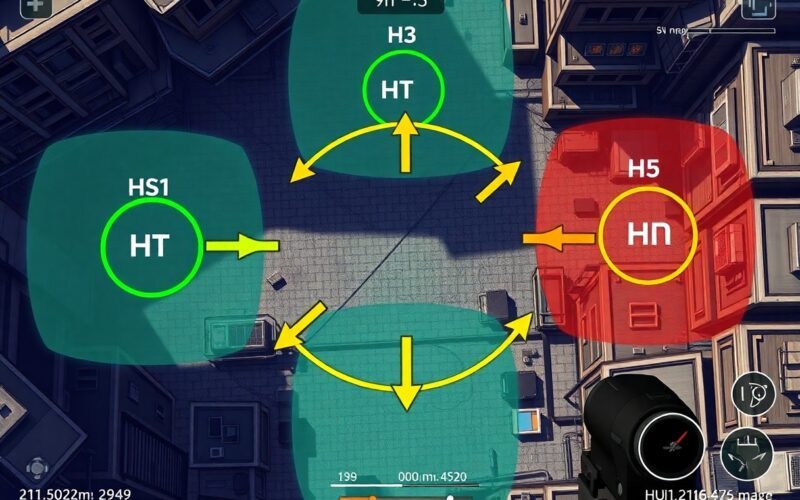
Understanding the minimap and HUD telemetry is fundamental for players aiming to gain an edge. Regularly monitoring these tools provides real-time information on teammates’ locations, enemy movements, and objectives, allowing for strategic decision-making and positioning throughout rounds.
The Science of Spawn Logic and Manipulation
Spawn logic dictates player respawn positions and can significantly influence match momentum. Anticipating spawn points enables teams to predict enemy behavior, control map flow, and create advantageous situations for ambushes or objective captures.
Effective manipulation of spawn logic involves coordinating with teammates to maximize control over specific map areas. By maintaining pressure on opponents and forcing them into unfavorable positions, teams can disrupt enemy spawn points, ensuring their players respawn closer to objectives, which facilitates quicker engagement and increased chances of victory. Each player’s awareness and execution of this strategy can turn the tide of a match, underscoring the importance of understanding map dynamics.
Communication and Information Synthesis
Standardized Callouts and Tactical Directives
Standardized callouts enhance player communication, ensuring consistent terminology across teams. This practice minimizes confusion during high-stakes matches, allowing players to quickly relay enemy positions or strategic objectives. Effective callouts bolster team coordination, resulting in improved tactical execution.
Real-Time Data Processing in High-Pressure Scenarios
Real-time data processing is crucial for making split-second decisions during competitive matches. Players must quickly analyze enemy movements and adapt their strategies, relying on instinct and prior knowledge. This skill differentiates top-tier players from their peers.
Real-time data processing under high-pressure scenarios requires immense focus and quick reflexes. Players analyze various factors, such as teammate positions, enemy strategies, and map layouts, all while facing high stakes. Effective execution of this skill enables teams to capitalize on fleeting opportunities, turning the tide of battle in their favor. Teams that excel in this area can predict enemy actions and adapt strategies instantaneously, making them formidable opponents in competitive settings.
Spatial Control and Lane Management
Exploiting Power Positions and Sightlines
Securing power positions and controlling sightlines can shift the tide of a match. High ground offers strategic advantages, allowing players to spot enemies from a distance and dictate engagement angles, making it vital to maintain awareness of these pivotal areas.
The Art of the Rotation and Objective Timing
Effective rotations and precise timing at objectives are fundamental for winning competitive matches. Understanding map flow enables players to anticipate enemy movements, allowing for timely repositioning that can disrupt opposing strategies and secure crucial advantages.
Mastery of rotations hinges on the ability to read the game state and predict where opponents will be. Timing your approach to objectives not only ensures your team can contest key points but also allows for coordinated pushes or retreats. Keeping track of respawn timers and predicting enemy respawns can significantly influence decision-making, enabling teams to execute strategies with precision and fluidity.
Predictive Intelligence and Enemy Tracking
Anticipating Rotations and Flanking Maneuvers
Players must constantly assess potential enemy movements to anticipate rotations. By understanding common paths and player tendencies, skilled competitors can position themselves strategically, shutting down flanking maneuvers before they develop.
Utilizing Audio Cues and Environmental Triggers
Sound serves as an imperative tool for tracking enemies. Players attuned to audio cues, like footsteps or weapon sounds, gain a significant advantage, allowing them to prepare for possible engagements before they occur.
Effective use of audio cues includes recognizing subtle sounds that indicate enemy presence or movement. Recognizing the footstep patterns from various surfaces can alert players to nearby adversaries, while weapon sounds provide invaluable information on loadouts and tactics. Incorporating environmental triggers, such as breakable objects, enhances auditory awareness, aiding players in pinpointing enemy locations and adjusting strategies accordingly. Mastering both dimensions of sound greatly improves decision-making in high-stakes competitive matches.
Strategic Impact on Competitive Outcomes
Map Dominance as a Catalyst for Victory
Establishing control over key areas often dictates the flow of a match. Teams that dominate specific zones can dictate engagements, forcing opponents into unfavorable positions and strategies that lead to quicker victories.
Mitigating Risk through Superior Positioning
Securing advantageous positions allows teams to minimize exposure to threats while maximizing kill opportunities. This strategic awareness often results in reduced casualties and a greater likelihood of map control.
Positioning extends beyond mere survival; it shapes engagements and reduces team vulnerability. By controlling high ground or chokepoints, players can effectively manage threats, denying opponents key sightlines and forcing them into less advantageous tactics. Superior positioning increases a team’s ability to execute their strategies while maintaining a defensive posture, ensuring victory through calculated risk management.
Professional Training and Skill Acquisition
VOD Review and Tactical Heatmap Analysis
Analyzing VODs and tactical heatmaps provides players with valuable insights into map dynamics. Understanding player movements, engagement hotspots, and frequently contested areas enables teams to refine strategies, anticipate enemy tactics, and make informed decisions during competitive matches.
Developing Intuitive Awareness through Scrims
Scrims present an opportunity to cultivate intuitive map awareness. Through repeated practice against different opponents, players can familiarize themselves with map layouts, custom strategies, and various enemy playstyles, enhancing their responsiveness in high-pressure situations.
Expanding on scrims reveals imperative benefits beyond routine practice. Real-time feedback during these matches allows teams to adapt their strategies and adjust to opponents’ strengths and weaknesses quickly. This immersive environment fosters communication and teamwork, as players discuss positioning and tactics, ultimately leading to improved situational awareness. Emphasizing map knowledge during these sessions helps players internalize important layouts and develop instincts that translate into competitive success.
To wrap up
On the whole, map awareness in Call of Duty significantly influences competitive matches. Players who understand map layouts, choke points, and sightlines can anticipate enemy movements, secure advantageous positions, and execute strategic plays. This knowledge contributes to higher performance levels, ultimately leading to more successful outcomes in high-stakes competitive scenarios.
FAQ
Q: How does map awareness influence player performance in competitive Call of Duty matches?
A: Map awareness directly impacts player performance by allowing players to anticipate enemy movements, control key areas, and make informed decisions during engagements. Familiarity with map layout enables quick navigation and strategic positioning, enhancing overall game effectiveness.
Q: What specific map features should players focus on to improve their awareness?
A: Players should focus on choke points, high ground locations, and spawn points. Understanding these features helps in predicting enemy paths and controlling objectives. Familiarity with sightlines and cover positions also assists in avoiding ambushes and maximizing offensive potential.
Q: How can teamwork be affected by map awareness in competitive play?
A: Teamwork benefits from map awareness as players can communicate effectively regarding enemy positions and tactical opportunities. Coordinating movements based on map knowledge allows teams to execute strategies efficiently, leading to better control of match flow and objectives.