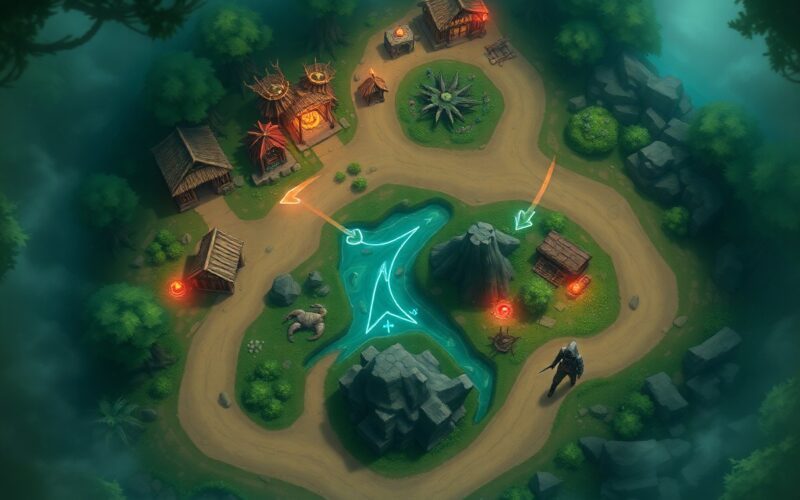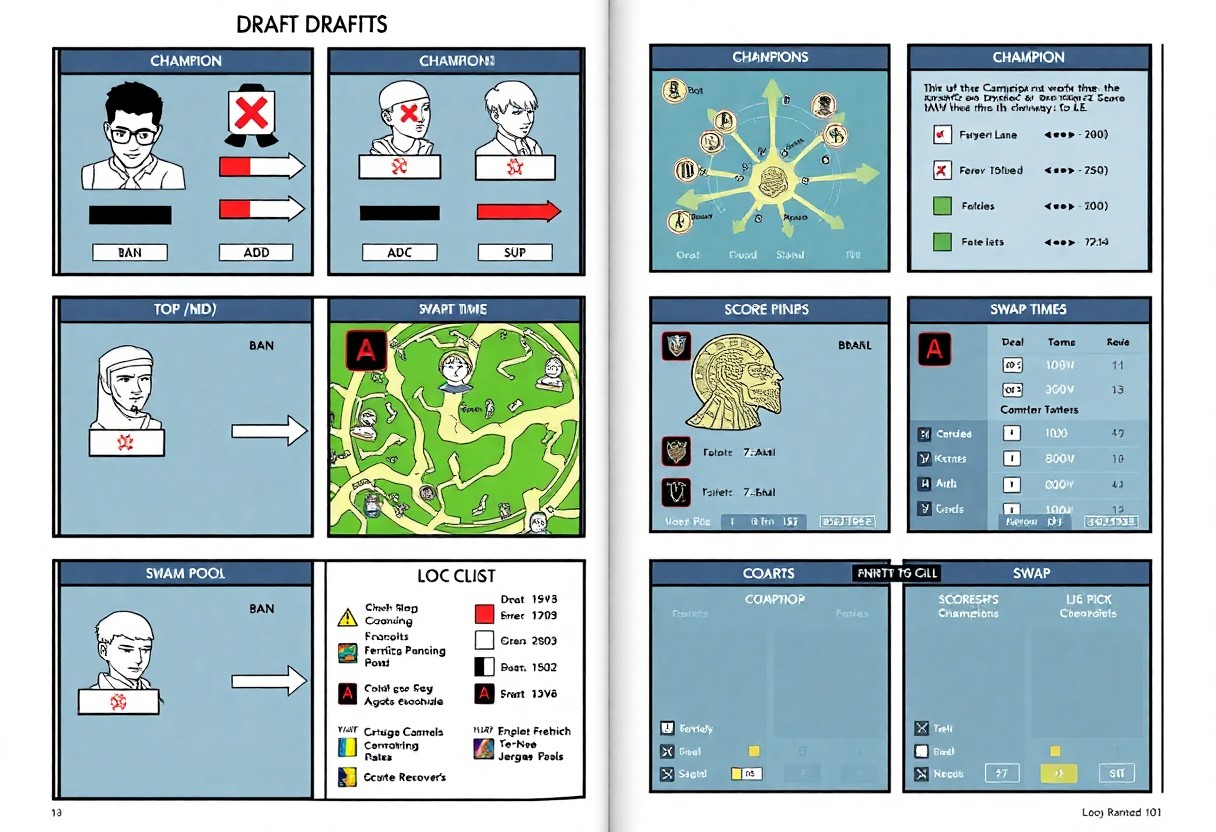
Strategies in drafting can define a team’s success in League of Legends. This guide presents the top 10 techniques that will enhance your drafting phase, ensuring better synergy, counter-picks, and improved game outcomes. Master these strategies to dominate the ranked ladder.
Tenth: Long Range Poke
Damage from Safe Distance
Long range poke champions inflict damage without engaging directly, allowing for a safer approach to skirmishing. They can whittle down enemy health bars while avoiding retaliation, enabling strategic positioning. This tactic creates pressure in lanes, forcing opponents to play defensively or miss farm opportunities.
Champion examples include Xerath and Jhin, who excel at dealing damage from afar. The threat of continuous poke can disrupt enemies’ plans and influence their decisions, creating advantages for your team in fights or objectives.
Control Neutral Objectives
Long range poke champions excel at controlling neutral objectives like Dragon and Baron. Their ability to deal damage from a distance allows them to zone out enemies, making it difficult for opponents to contest these critical areas. This creates space for teammates to secure objectives safely.
Champions with long-range poke can effectively whittle down the health of neutral objectives while maintaining a safe distance from enemy threats. By applying pressure and forcing opponents to retreat, these champions can turn objective fights in favor of their team, establishing strong positioning for future engagements.
Ninth: Split Push Strategy
Create map pressure
Split pushing creates significant map pressure, forcing the enemy team to respond to multiple threats simultaneously. Champions with mobility and wave clear excel in this strategy, making it difficult for opponents to ignore a strong split push. As one player splits from the main group, allies can capitalize on the distraction to secure objectives or gain control over key areas.
Properly executed, the split push strategy divides the enemy’s attention. Teams must decide whether to send multiple players to counter the split pusher or to keep them centralized for team fights. Each decision carries risks, affecting map control and overall positioning.
Force enemy team movement
Forcing the enemy team to move in response to a split push can dictate the flow of the game. When opponents commit to defending a split pusher, they risk leaving objectives unattended. This opens opportunities for your team to secure towers, take dragons, or set up ambushes in crucial areas.
Effective execution hinges on timing and communication. Split pushers should understand when to back off and when to apply pressure, ensuring they can escape if necessary while keeping the enemy occupied. Maintaining vision around objectives allows the team to capitalize on any movement away from crucial areas, maximizing the advantages gained from split pushing.
Eighth: Pick and Assassinate
Vision Control for Ambushes
Control wards and sweeper trinkets are crucial for establishing map dominance. Placing vision in key areas allows your team to spot enemy movements and set up ambushes effectively. Use bushes and terrain to conceal your positioning, creating opportunities for surprise attacks.
Early warding can define the pace of the game. Properly timed sweeps remove enemy vision, making it easier for assassins to execute their strategies. Coordinate with your team to capitalize on these advantages, ensuring your ambushes catch opponents off guard.
Delete Priority Targets Quickly
Target priority champions-typically carries or high-damage dealers-when executing your strategy. Secure kills on these champions to disrupt enemy damage output and shift team fights in your favor. Utilizing your team’s crowd control can create windows for assassins to strike before enemies can react.
Hitting priority targets efficiently can turn the tides of battles. Focus on coordinating burst damage and crowd control from your allies. With enemies eliminated quickly, your team can capitalize on the advantage, securing objectives or forcing favorable engagements.
Seventh: Protect the Hypercarry
Enchanter Support Synergy
Enchanter supports excel at enhancing the survivability and damage output of hypercarry champions. Champions like Nami and Janna provide healing, shields, and speed boosts, allowing carries to thrive in team fights. Pairing an enchanter with a hypercarry can create an almost impenetrable force during crucial skirmishes.
Effective communication between the hypercarry and support is important. The support should prioritize positioning, using abilities to mitigate damage while allowing the hypercarry to attack freely. This synergy can turn the tide of battles, letting carries shine and secure victories.
Frontline Peel for Marksman
Frontline champions serve as important guardians for marksmen, absorbing damage while keeping threats at bay. Tanks like Leona or Alistar can create space in fights, allowing the marksman to deal damage without the fear of immediate assassins or divers. Prioritizing champions that offer crowd control enhances the protection available during team engagements.
Selecting champions with strong engage and disengage options aids in controlling the battlefield. An effective frontline not only disrupts enemy movements but also allows marksmen to reposition and continue firing, maximizing damage output while minimizing risk.
A solid frontline helps marksmen maintain their role as damage dealers without the constant threat of being targeted. This synergy ensures the hypercarry can focus on reducing enemy health bars while the frontline absorbs incoming damage and protects their positioning. Understanding the importance of frontline champions when playing marksmen is important for success in ranked play, making them a key element in drafting strategies.
Sixth: Hard Engage Teamfight
Force Decisive Team Fights
Engaging directly in team fights can tip the scales in your favor. Coordination and timing play pivotal roles when forcing these encounters. Ensuring that key champions engage simultaneously maximizes damage and disrupts the enemy’s formation.
Strong Crowd Control Tools
Incorporating champions with effective crowd control (CC) is fundamental for hard engage strategies. CC creates openings, immobilizing or disrupting enemies during crucial moments. Champions such as Leona, Malphite, or Amumu excel in creating impactful engages.
Strong crowd control tools enforce discipline in team fights. They can catch multiple enemies, forcing their carries out of position. Properly combining these abilities with damage sources ensures that the enemy team cannot respond effectively, leading to an advantageous outcome.
Fifth: Area Effect Wombo Combo
Overlapping Ultimate Abilities
Teams can devastate opponents by coordinating ultimate abilities that create overlapping zones of damage and control. Champions like Malphite and Orianna work exceptionally well together, as their ultimates can trap enemies in a deadly combination. Executing these combos requires precise timing, as one champion’s ultimate can set up the other to follow through effectively.
Proper communication is important for maximizing the impact of these abilities. Team members should understand who initiates and who follows up, turning a chaotic battle into a well-orchestrated assault. The less time the enemy has to react, the more devastating the outcome.
Total Teamfight Domination
A well-executed area effect wombo combo can lead to total domination in teamfights. When multiple champions coordinate their crowd control and damage, opponents struggle to escape or retaliate effectively. Teams that align their strategies around these powerful combos often find themselves winning decisive teamfights and gaining crucial objectives.
Executing a wombo combo requires a blend of strategy and execution. Teams should plan their engagements, ideally catching enemies off guard. Practice with different combinations paves the way for mastery, ensuring teammates work seamlessly together. Effective communication and unbreakable trust are vital to make these combos successful, leading to open opportunities for securing objectives like Baron or Dragon.
Fourth: Late Game Scaling
Outscale Opponents Over Time
Champions with strong late-game scaling often excel in extended matches. Selecting champions who gain significant power through items and levels can turn the tide in late-game team fights. Characters like Nunu or Kog’Maw become formidable, ensuring they outscale many early-game focused opponents.
As the minutes tick by, prioritizing objectives becomes necessary. Acquiring dragons, Baron Nashor, and turrets boosts your late-game potential. Teams that understand their scaling can optimize their resource management to ensure they hit critical item spikes before significant battles.
Defensive Early Game Play
Choosing a conservative approach early on can prevent snowballing, especially against strong early-game compositions. Prioritizing wave management, avoiding risky trades, and focusing on farming allows teams to reach their power spikes unchallenged.
Defensive early-game strategies enable champions to survive until they can fully utilize their late-game strength. This approach limits enemy aggression, allowing for a smoother transition into the mid and late game. Positioning, vision control, and map awareness become key elements to withstand pressure while scaling effectively.
Third: Early Game Domination
Lane Dominant Champions
Champions with strong early-game abilities can establish lane control almost immediately. Picks like Renekton and Lucian excel due to their aggressive kit, allowing them to bully opponents and secure early kills. Strong laners can zone enemies, forcing them to miss minions and experience.
Maintaining pressure in lane translates into map advantages. A dominant lane champion can rotate to assist junglers, secure objectives, and provide vision control. Controlling the lane phase is necessary to convert early advantages into a winning game state.
Fast Gold Acquisition
Fast gold acquisition enables champions to build items quicker, establishing dominance. Farming efficiently and securing early kills are key methods. Objectives like turrets and dragons also provide significant gold boosts. In the current meta, champions capable of quickly farming or executing objectives can snowball their lead.
Efficient farming techniques, such as last-hitting minions and utilizing jungle resources, keep champions ahead. Turret plating provides an additional gold source in the early game, encouraging aggressive play styles. Prioritizing these gold opportunities enhances item progression, establishing a competitive edge during the mid-game transition.
Second: Strategic Counter Picking
Negate Enemy Lane Strengths
Understanding enemy strengths in lane allows for effective counter-picking. Select champions that can disrupt their key abilities or playstyle. For instance, choosing champions with crowd control can hinder aggressive champions and limit their damage output. This leads to a more favorable experience for your lane partner.
Use information about the enemy’s champion to guide your pick. If they rely on skill shots, opt for champions that can out-dodge or out-range them. This strategy not only weakens the enemy’s effectiveness but also boosts your team’s overall momentum in the early game.
Secure Favorable Matchups
Picking champions that naturally excel against the enemy’s selection creates strong lane advantages. Champions with innate strengths in matchups can dominate early and provide stability throughout the game. Researching matchup statistics and trends before selecting a champion is necessary in this process.
When securing favorable matchups, prioritize champions with distinct advantages. For instance, a tanky champion against an AD carry can outlast in trades while also scaling better into the late game. This can influence objectives and ultimately impact the team’s overall strategy, ensuring a higher chance of success as the game progresses.
First: Comfort Pick Priority
Play Familiar Champions
Choosing champions you are comfortable with can significantly impact your performance. Familiarity allows for better decision-making and mechanical execution during high-pressure situations. Players often find their best results when using champions they know inside and out, as the muscle memory developed through countless games leads to quicker reactions.
High Individual Performance
Players consistently perform better when they select champions that align with their strengths. Mastery over specific champions results in higher kill rates, better positioning, and effective skill utilization. Relying on comfort picks boosts overall confidence, allowing for more aggressive and assertive gameplay, which can secure crucial objectives.
Players can achieve outstanding results by focusing on their best champions. High individual performance becomes more attainable when mechanics, synergy, and champion understanding are at their peak. Over time, these players develop strategies and counters specific to their comfort picks, significantly enhancing their overall gameplay in ranked matches.
Summing up
Summing up, successful drafting strategies in League of Legends require keen analysis and adaptability. Selecting champions that not only fit the team composition but also counter opponents plays a significant role in securing victories. Prioritizing synergy among teammates enhances the effectiveness of the overall strategy.
Understanding the particular strengths and weaknesses of each role is crucial. This knowledge allows players to make informed decisions during the draft phase, ensuring the team is well-rounded and prepared for various in-game scenarios. Ultimately, mastering these strategies can lead to improved performance in ranked play.
Q: What are the key components of a successful draft strategy in League of Legends ranked?
A: A successful draft strategy includes champion synergy, counter-picking, team composition balance, flexibility in picks, and understanding opponent tendencies. Prioritize champions that complement each other and fulfill crucial roles like damage, tankiness, and crowd control. Counter-picking involves selecting champions that can effectively counter opponents’ picks. Maintaining a balanced team composition ensures a mix of damage types and tactical options. Flexibility allows for adaptations based on the flow of the draft and the enemies’ selections. Analyzing the opponents’ preferences can provide insights into potential strategies and picks.
Q: How does team communication impact the draft phase in ranked games?
A: Team communication plays a significant role in the draft phase. Clear communication allows teammates to express their preferred roles and champion choices. Discussing strategies before the draft can lead to more informed decisions and avoid overlap in champion selections. Active listening helps in recognizing potential counter-picks and responding to the opponents’ strategy. Establishing a drafting order can streamline the process and ensure everyone has a chance to contribute. Collaborative brainstorming may yield better ideas and approaches during the pick phase.
Q: What are common mistakes to avoid during the drafting phase in ranked?
A: Common mistakes include picking champions without synergy, ignoring team composition, and failing to communicate effectively. Selecting champions that do not work well together can lead to imbalances and vulnerabilities. A lack of attention to team composition can result in a team lacking imperative roles or damage types. Poor communication about picks and counter-picks can create confusion and conflict within the team. Overvaluing personal comfort champions can also hinder strategic flexibility, especially when a different champion would better fit the team’s needs.