






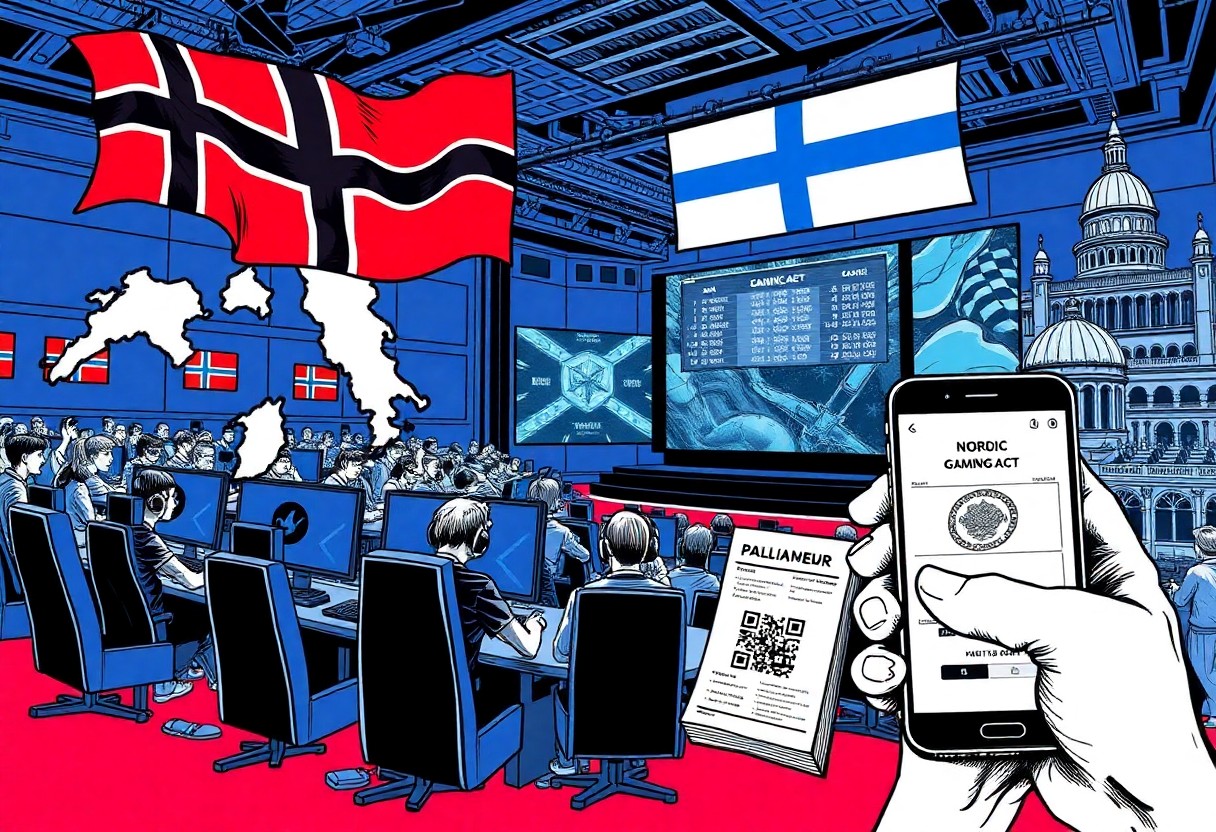

Regulation in Nordic esports betting is evolving rapidly, influenced by technological advancements and increasing participation. Countries in the region are implementing diverse policies to ensure integrity, player protection, and responsible gambling, shaping the future of esports betting in this dynamic market.
The Evolution of Gambling Models in the Nordic Region
The Transition from State Monopolies to Open Licensing Systems
Transitioning from state monopolies, the Nordic region has gradually embraced open licensing systems. This shift allows private operators to compete alongside state-run entities, increasing consumer choice. Players now benefit from a diverse range of betting options and enhanced service quality.
Such changes also lead to increased tax revenues and better regulation of the gambling environment. Consequently, stakeholders are more engaged, ensuring that the interests of players are prioritized while maintaining integrity within the industry.
Comparative Analysis of the Swedish and Danish Regulatory Successes
Sweden and Denmark provide contrasting models of gambling regulation that highlight different strengths. Sweden’s model emphasizes consumer protection, while Denmark has focused on market competitiveness. These approaches yield valuable insights for other regions seeking to refine their regulatory frameworks.
Each country’s efforts reflect tailored strategies addressing their specific market conditions, fostering responsible gambling and encouraging regulatory compliance. By analyzing both systems, other Nordic nations can identify strategies that balance growth and consumer safety.
Comparative Analysis of the Swedish and Danish Regulatory Successes
| Sweden | Focus on consumer protection and player safety. |
| Denmark | Emphasis on market competitiveness and operator diversity. |
Legislative Resistance and Modernization Efforts in Norway and Finland
Legislative resistance in Norway and Finland has slowed the evolution of gambling models. Both nations maintain stringent regulations, which can stifle innovation and limit market entries for private operators. Despite these challenges, discussions around modernization are gaining traction.
Efforts to adapt existing laws reflect a growing recognition of the need to balance regulation with market demands. As public sentiment shifts towards open frameworks, legislative changes appear imminent.
Legislative Resistance and Modernization Efforts in Norway and Finland
| Norway | Strict regulations hinder market competition. |
| Finland | Legislative changes are underway to align with modern gambling practices. |
Defining Esports within the Legal Scope of Nordic Betting
Statutory Classification of Competitive Gaming as Professional Sport
Governments across the Nordic region are increasingly recognizing competitive gaming as a legitimate sport. Legal frameworks are evolving to accommodate this growth, allowing esports athletes to access various support systems similar to traditional sports. This recognition paves the way for clearer regulations surrounding betting activities associated with these competitions.
Establishing competitive gaming under the umbrella of professional sports provides a foundation for outlining betting parameters. Lawmakers can derive guidelines that dictate how betting platforms can operate within this context, ensuring fairness and transparency in wagering practices.
Distinguishing Between Fixed-Odds Betting and Social Gaming
Fixed-odds betting represents a traditional form of wagering, where participants bet against defined outcomes in esports events. This structured approach requires stringent regulatory oversight, as it falls under established gambling legislation aimed at protecting consumers. Operators must comply with licensing requirements and ensure that their offerings are transparent and reliable.
In contrast, social gaming often blurs the lines between entertainment and gambling. Participants engage without the expectation of financial gain, making it harder for regulators to apply existing betting laws. Distinguishing these categories is crucial for implementing appropriate legal regulations and ensuring that consumers are not misled.
Engagement in social gaming is characterized by its entertainment value rather than profit motives. As such, distinguishing it from traditional betting models can pose regulatory dilemmas. This ambiguity necessitates careful consideration to ensure that participants understand the nature of their involvement and associated risks.
Regulatory Challenges in Categorizing Emerging Genres and Titles
Emerging genres in esports, such as battle royale and simulation games, introduce distinct challenges for categorization. These variations complicate the application of existing betting regulations, as established definitions may not adequately capture their unique characteristics. Authorities must adapt their frameworks to encompass these diverse game types.
Categories within esports continually evolve, which creates difficulties for regulators trying to keep pace. Failure to address these challenges may lead to inconsistencies in how different games are treated under the law, potentially jeopardizing consumer protection and regulatory integrity.
Addressing these regulatory challenges requires ongoing dialogue among stakeholders, including game developers, betting operators, and policymakers. Establishing collaborative efforts can help create frameworks that accurately reflect the nuances of new game genres, ensuring comprehensive regulation that protects both consumers and the integrity of esports betting.
Licensing Requirements for Esports Operators
Financial Transparency and Anti-Money Laundering (AML) Protocols
Operators are increasingly required to demonstrate financial transparency, ensuring that all transactions are clear and traceable. Such measures help to mitigate risks associated with money laundering, a significant concern within the esports betting industry.
Compliance with Anti-Money Laundering (AML) protocols is now mandatory in most jurisdictions. This includes stringent customer verification processes and regular reporting of suspicious activities to regulatory authorities, reinforcing the integrity of the betting environment.
Technical Standards for Betting Platforms and Software Integrity
Technical standards play a crucial role in ensuring the reliability of betting platforms. Operators must adhere to specific guidelines that dictate software performance, data security, and user accessibility across different devices.
Maintaining software integrity is crucial for user trust. Regular audits and third-party assessments are necessary to verify that platforms operate fairly, reinforcing credibility in the competitive esports betting market.
Monitoring system security becomes increasingly critical as cyber threats evolve. Operators must implement advanced encryption and security measures that not only protect user data but also maintain the fairness of betting outcomes, ensuring that all participants engage with confidence.
Local Presence Requirements and Geographic Server Restrictions
Establishing a local presence is a common requirement for esports betting operators. This necessity often involves setting up offices or partnerships within the region, enhancing the industry’s accountability and responsiveness to local regulations.
Geographic server restrictions also play a significant role in operational compliance. Servers must be situated within specific jurisdictions to align with local laws, ensuring that betting activities adhere to regulations of the respective markets.
Location-based regulations increase the complexity for operators, as failure to comply can result in hefty fines or loss of operating licenses. Ensuring that servers are geographically compliant mitigates risks and fosters a more regulated betting environment across the Nordic region.
Integrity and Anti-Match-Fixing Frameworks
Collaboration Between Nordic Regulators and Global Integrity Bodies
Joint efforts between Nordic regulators and global integrity organizations have strengthened the framework against match-fixing in esports betting. Regulatory bodies actively exchange information and best practices, creating a cohesive strategy to combat fraud across borders.
Regular workshops and meetings enhance collaboration, allowing stakeholders to develop actionable insights. This network not only raises awareness but also establishes clear protocols for reporting suspicious activities, ensuring that all parties are equipped to tackle integrity issues effectively.
Monitoring Unusual Betting Patterns in Low-Tier Tournaments
Low-tier tournaments, often lacking oversight, are particularly vulnerable to irregular betting patterns. Monitoring systems are imperative for identifying anomalies, which may indicate manipulation or match-fixing, thus protecting the integrity of esports betting.
Data analytics tools play a pivotal role in scrutinizing betting behaviors and can swiftly flag any suspicious transactions. Such vigilance helps maintain trust in the betting ecosystem, ensuring that competitive integrity remains intact.
Even within low-tier competitions, significant investments in technology can reveal discrepancies in betting data. Identifying unusual patterns early allows for timely intervention, reducing the risk of fraudulent activities and safeguarding the interests of participants and bettors alike.
Legal Penalties and Sanctions for Fraudulent Activities in Esports
Enforcement of legal penalties against fraudulent activities in esports betting highlights a commitment to maintaining fairness. Regulatory frameworks specify severe repercussions for players and organizations involved in match-fixing, which serves as a deterrent to potential offenders.
Proper oversight enables penalties to be applied consistently, reinforcing the seriousness of violating integrity standards. Transparency in the adjudication process further bolsters confidence in the system, reassuring stakeholders of a fair competitive environment.
Legal mechanisms outline specific sanctions that can include fines, suspensions, and lifetime bans from competition. By strictly enforcing these penalties, regulators aim to eliminate corruption and promote a healthy, competitive landscape within the esports betting market.
Consumer Protection and Responsible Gambling Mandates
Implementation of Mandatory Deposit Limits and Self-Exclusion Tools
Operators are now required to implement mandatory deposit limits for players, ensuring individuals do not exceed their financial capabilities. This measure promotes responsible gambling by discouraging excessive spending and creating a safer betting environment.
Self-exclusion tools enable players to voluntarily opt-out of gambling activities for specified periods. This initiative empowers consumers by allowing them to take control of their gambling habits while reducing the risks associated with addiction.
The Role of Centralized Registers like Spelpaus and ROFUS
Centralized registers such as Spelpaus in Sweden and ROFUS in Finland play a pivotal role in consumer protection. These platforms allow players to monitor their gambling activity and set personal limits across various licensed operators.
With these systems, players can easily self-exclude from all registered gambling sites, enhancing accountability and reducing the likelihood of harmful gambling behaviors.
Spelpaus and ROFUS not only facilitate responsible gambling but also help regulatory bodies monitor and evaluate gambling patterns. By combining player data, these registers can identify trends and implement necessary interventions, further safeguarding consumers against potential risks.
Algorithmic Identification of High-Risk Gambling Behaviors
Innovative algorithms are being used to identify high-risk gambling behaviors, allowing operators to intervene early. These technologies analyze player data to detect patterns indicative of problematic gambling, triggering alerts for further action.
Such proactive measures enable operators to reach out and offer support to at-risk individuals, which can significantly reduce the prevalence of gambling-related harms in the community.
Using sophisticated machine learning techniques, operators can continually refine their algorithms to enhance accuracy. By doing so, they foster a deeper understanding of gambling behavior trends and tailor responsible gambling strategies accordingly.

Advertising and Marketing Restrictions in the Esports Ecosystem
Limitations on Influencer Marketing and Social Media Promotions
Influencer marketing plays a significant role in engaging the esports audience, yet emerging regulations impose strict limitations on this avenue. Brands must ensure that influencers disclose their affiliations transparently and avoid any misleading claims about betting opportunities.
Restrictions also target content types embraced by influencers, prohibiting promotions that might mislead or attract underage audiences. Marketers must focus on retaining authenticity while adhering to compliance standards, a delicate balance in the dynamic environment of esports.
Protecting Minors: Strict Bans on Gambling Ads During Youth-Centric Streams
Strict regulations prohibit gambling advertisements during live streams appealing to younger audiences, directly safeguarding minors. These measures reflect a growing recognition of the influence digital content has on youth, ensuring that exposure to gambling remains limited.
Such bans have significant implications for esports betting operators, compelling them to rethink their advertising strategies. As events often attract diverse age groups, adhering to these regulations becomes paramount to maintaining ethical marketing standards.
Truth-in-Advertising Standards for Bonus Offers and Betting Incentives
Truth-in-advertising standards require transparency regarding bonus offers and betting incentives, preventing misleading promotions. Operators must clearly outline terms, ensuring potential bettors fully understand the conditions attached to bonuses.
Compliance with these standards not only instills consumer confidence but also aligns betting advertisements with ethical practices in marketing. Misrepresentation can lead to significant penalties, emphasizing the importance of accurate and honest communication in promotional efforts.
Data Rights and Intellectual Property in Esports Betting
Legal Ownership of Live Match Data and Real-Time Statistics
Ownership of live match data and real-time statistics remains a contentious issue within the esports betting environment. Various stakeholders, including tournament organizers and game developers, often lay claim to this data, leading to complex legal battles over proprietary rights. Effectively understanding who retains ownership is crucial for ensuring compliance and fostering fair competition.
Clarity on data rights aids in the development of sound betting strategies and enhances market transparency. For sportsbooks, precise access to reliable statistics can be a determining factor in establishing trust and credibility with bettors.
Commercial Agreements Between Tournament Organizers and Bookmakers
Commercial agreements between tournament organizers and bookmakers shape the financial dynamics of esports betting. These contracts specify terms for data sharing, advertising rights, and revenue distribution, creating mutually beneficial arrangements. Negotiations can dictate the level of investment and marketing strategies utilized by bookmakers in various esports tournaments.
Strong partnerships lead to increased visibility and potentially higher engagement from spectators and bettors alike. Establishing clear terms enhances accountability and permits a more streamlined approach to legal compliance in a rapidly growing industry.
GDPR Compliance and the Protection of Better and Player Personal Data
Compliance with GDPR is necessary for protecting the personal data of bettors and players in the esports betting sector. Organizations must implement rigorous data management practices to safeguard sensitive information while adhering to regional regulations. Failure to comply can result in substantial fines and damage to reputation.
Maintaining robust data protection practices not only ensures regulatory compliance but also builds trust with consumers. Enhanced privacy measures can drive customer loyalty, making them an integral part of any effective business strategy in esports betting.

Taxation Frameworks for Operators and Professional Athletes
Corporate Tax Structures for Licensed Digital Betting Entities
Regulatory bodies in the Nordic region have established comprehensive corporate tax frameworks aimed at licensed digital betting operators. Tax rates differ between countries, with some offering incentives to attract international companies. Compliance with local tax laws is vital for these operators to maintain their licenses and network connections.
Understanding local regulations can significantly impact operational costs. Nordic countries often impose taxes based not only on profits but also on gross gaming revenue, making it imperative for companies to optimize their tax strategies to maximize profitability.
Personal Income Tax Implications for Professional Esports Players
Professional esports players face unique personal income tax scenarios depending on their country of residence. Income earned from prize winnings, sponsorships, and streaming can be taxed at varying rates, often dictated by national regulations. Players must be aware of these tax obligations to ensure compliance.
Some Nordic countries impose progressive tax rates, meaning higher earnings lead to a larger tax burden. Thus, effective financial planning and tax consultancy become important for maximizing earnings while minimizing liabilities.
More information about personal income tax indicates that thorough record-keeping can help players substantiate income origins and claimed deductions. Given the variability in income streams-prize money, brand deals, and streaming revenue-players may benefit from professional advice to optimize their tax positions.
Cross-Border Tax Treaties and Withholding Taxes on Winnings
Cross-border tax treaties play a significant role in determining the taxation of esports winnings for international players. Nordic countries typically enter these agreements to avoid double taxation, benefiting players from various jurisdictions. Understanding these treaties is crucial for athletes participating in tournaments abroad.
Withholding taxes can apply to winnings earned in foreign countries, impacting the net income received by players. Clarity on treaty provisions can aid players in managing their tax liabilities more effectively, allowing for better financial outcomes in cross-border competitions.
More information about cross-border tax treaties reveals that these agreements often stipulate reduced withholding tax rates for foreign entities. Players should investigate their treaty provisions to ensure they correctly apply these reduced rates and potentially enhance their earnings from international competitions.
Addressing the Legal Gray Areas of Skin Gambling
Judicial Rulings on Virtual Items as Transferable Monetary Value
Judicial decisions across various jurisdictions have begun clarifying whether virtual items possess transferable monetary value. Courts often cite cases involving skin gambling, where cosmetics in games are treated similarly to currency. Rulings typically emphasize market value and player transactions, impacting how gaming companies design their systems.
Not all jurisdictions agree on this issue, leading to inconsistent applications of law. Some legal systems may classify skins as property, while others dispute this classification, complicating regulatory efforts. These discrepancies highlight the necessity for unified guidelines in the Nordic esports betting scene.
Enforcement Actions Against Unregulated Third-Party Trading Sites
Regulatory bodies in the Nordic region have ramped up enforcement against unregulated third-party skin trading sites. Authorities aim to curb illegal transactions that bypass established gambling frameworks, emphasizing user safety and compliance. Legal actions often include shutting down these platforms and imposing fines.
Enhanced scrutiny of third-party sites highlights the ongoing challenges in regulation. Many of these platforms operate outside traditional gambling laws, creating a loophole that undermines efforts to ensure fairness and transparency. Regulatory entities are tasked with closing these gaps while protecting consumers.
Enforcement actions against unregulated third-party trading sites have intensified in response to growing concerns over user protection. Authorities have not only targeted shutdowns of these platforms but also pursued legal repercussions for operators. As compliance becomes a priority, licensed entities face stricter regulations, reducing opportunities for unauthorized activities in the esports gambling ecosystem.
The Intersection of Loot Box Mechanics and Gambling Legislation
Debates surrounding loot box mechanics reflect broader concerns about gambling legislation. As more games incorporate loot boxes, regulators assess their potential to operate as gambling instruments. The evaluation focuses on randomness and player investment, raising questions about consumer protection.
Differences in national approaches to loot boxes complicate the regulatory picture. Some countries enforce strict regulations, while others adopt a more lenient stance. The divergence necessitates a comprehensive look at whether existing laws can adequately address these emerging gaming dynamics.
The intersection of loot box mechanics and gambling legislation remains contentious, prompting calls for clearer regulations. Players often invest real money for a chance to win virtual items, leading to potential addiction issues. Lawmakers are under pressure to establish consistent standards to protect consumers from predatory practices while allowing innovation in the gaming industry.
Technical Infrastructure and Cybersecurity Standards
Mandates for Secure Payment Gateway Integration and KYC Procedures
Regulatory bodies now impose stringent requirements for secure payment gateways integrated into esports betting platforms. These mandates ensure financial transactions are encrypted and protected, reducing vulnerability to hacking and fraud.
Compliance with Know Your Customer (KYC) procedures is important for all operators. Enhanced verification processes help to confirm player identities, minimizing the risk of underage gambling and fostering a safer betting environment.
Platform Resilience Against DDoS Attacks and Data Breaches
Operators must implement advanced measures to defend against DDoS attacks and potential data breaches. System redundancy and real-time monitoring are important to maintain uptime and protect user data.
Investing in cybersecurity solutions plays a critical role in securing both infrastructure and user information, reassuring players that their data remains confidential and their bets secure.
Platforms are increasingly adopting multi-layered security protocols, including firewalls, intrusion detection systems, and distributed denial-of-service (DDoS) mitigation strategies to ensure protection against emerging threats. These measures not only enhance platform stability but also bolster consumer trust, a pivotal element in the competitive esports betting market.
Regulatory Oversight of Betting Algorithms and Random Number Generators
Regulators emphasize oversight of betting algorithms to ensure fairness and transparency. Licensing bodies require thorough audits of algorithms used in esports betting, mitigating risks associated with biased outcomes.
Random Number Generators (RNGs) are also under scrutiny to confirm their integrity. Regular testing by independent agencies guarantees that outcomes remain random, thereby maintaining player confidence and compliance with legal standards.
Regulatory oversight helps establish a framework where operators implement transparent algorithms and RNGs, ensuring fairness and equitability in betting experiences. This increases trust among players and encourages responsible betting practices across the Nordic esports industry.
The Role of National Regulators and Enforcement Powers
Administrative Fines and License Revocation Procedures
National regulators impose significant administrative fines for non-compliance with established betting regulations. These penalties act as a deterrent, encouraging operators to adhere strictly to the rules outlined by governing bodies. Frequency and severity of these fines depend on the nature of the violations, varying across different Nordic countries.
License revocation procedures form a critical aspect of enforcement. Regulatory authorities maintain the authority to revoke licenses for serious breaches, effectively preventing non-compliant operators from participating in the esports betting market. This power ensures that only trustworthy entities operate within these jurisdictions.
Collaborative Efforts Through the Nordic Gambling Authorities (NGAs)
Collaboration among Nordic Gambling Authorities promotes a unified approach to regulation, enhancing the overall integrity of the esports betting sector. Regular dialogues and shared resources elevate uniform standards, ensuring that operators comply with the latest regulatory updates across borders.
Joint initiatives facilitate knowledge sharing and best practices, which strengthen enforcement mechanisms. Such efforts not only help to address challenges unique to the region but also provide a consistent regulatory environment beneficial for operators and bettors alike.
This collaboration extends to tackling issues like problem gambling and underage betting. By pooling resources and expertise, the NGAs can implement comprehensive strategies that are more effective than isolated efforts. This synergy fosters a safer betting environment, ultimately elevating public trust in the industry.
Annual Performance Audits and Compliance Reporting Standards
Annual performance audits serve as a key tool for regulators, ensuring that operators meet compliance standards. These audits assess financial practices, operational transparency, and adherence to responsible gambling guidelines. Non-compliance may trigger sanctions or additional scrutiny from authorities.
Compliance reporting standards require operators to submit detailed activity reports regularly. These reports help regulators monitor market dynamics and player protection measures effectively, creating an accountable environment that aligns with national regulations.
Regular audits and compliance reports create a feedback loop between operators and regulators, promoting continuous improvement. This process not only holds operators accountable but also encourages transparency, ultimately leading to a more sustainable and responsible betting ecosystem across the Nordic countries.
Emerging Trends in Live and In-Play Esports Betting
Regulatory Oversight of Micro-Betting and Proposition Markets
Regulatory authorities in the Nordic region are increasingly focused on micro-betting and proposition markets. These areas offer dynamic wagering options, allowing real-time bets on specific events within a match. As popularity rises, regulators aim to ensure that operators implement responsible practices, addressing issues surrounding transparency and player protection.
Oversight will likely evolve to include specific guidelines for micro-betting, ensuring fair play while protecting consumers. Stakeholders, including operators and legislators, must work collaboratively to create a regulatory framework that balances innovation with responsible gambling standards.
Addressing Latency Issues and Fairness in Real-Time Wagering
Latency in live esports betting impacts the overall betting experience significantly. Delays in transmitting match data can lead to unfair advantages and disputes over betting outcomes. Players expect accurate and immediate updates to maintain confidence in the betting process.
Technology solutions are emerging to minimize latency and enhance fairness. Ensuring a standardized protocol will be imperative for operators, as it allows for quicker data transmission and consistent betting experiences globally.
Maintaining fairness requires ongoing investment in technology that optimizes data flow. Operators must stay ahead of potential latency issues, as even minor delays can erode player trust and disrupt the integrity of live betting platforms.
Mobile App Compliance and Distribution via Digital Stores
Compliance with regulatory standards for mobile betting apps is crucial for operators looking to distribute through digital stores. Each store, whether Apple or Google, imposes strict guidelines that must be met to avoid app rejection. Adhering to local laws regarding gambling, including age restrictions and responsible gaming features, is also mandatory.
Meeting compliance standards significantly impacts an operator’s market reach. Applications that fail to align with regulatory requirements not only risk removal from stores but can also face severe penalties. Operators should invest in thorough audits to ensure all aspects of their apps conform to both platform and local regulations.
Future Outlook: Harmonization vs. Fragmentation
The Potential for a Unified Nordic Regulatory Standard for Esports
A unified regulatory standard across Nordic countries could eliminate inconsistencies in esports betting laws. Such standardization would streamline compliance for operators, making the market more attractive for investment and innovation.
Influence of European Union Directives on Local Gambling Laws
European Union directives play a significant role in shaping local gambling regulations across the Nordics. Individual countries often find themselves aligning with EU standards, which creates a more uniform regulatory approach.
Compliance with EU directives ensures that local laws not only promote player safety but also harmonize competitive conditions for operators. This alignment enhances market stability while enabling countries to respond effectively to emerging trends in esports betting.
Adapting to Web3, Metaverse, and Decentralized Betting Platforms
Innovation in betting technology requires regulators to consider Web3 and decentralized platforms seriously. Policymakers face the challenge of creating regulations that adequately address these developments while maintaining consumer protection.
Establishing guidelines that embrace these technologies could attract a younger demographic and enhance user engagement. Forward-thinking regulation will be crucial for fostering an environment conducive to growth in this emerging sector.
Final Words
Drawing together the current trends reveals a significant shift in the Nordic esports betting environment. Regulatory frameworks are tightening, aiming to ensure fair play and consumer protection. New legislation focuses on transparency and responsible gaming practices, ultimately leading to a more secure betting ecosystem.
The movement towards unified regulations across Nordic countries fosters collaboration among stakeholders. This harmonization enhances trust among players and operators alike, setting a precedent for future developments in esports betting. As regulations evolve, the region is poised for growth, adapting to the changing dynamics of digital entertainment.
Q: What are the key regulatory changes impacting esports betting in the Nordic countries?
A: Recent regulatory changes focus on consumer protection, ensuring fair play, and promoting responsible gambling. Each Nordic country implements tailored regulations that address these issues, with some introducing licensing requirements specific to esports betting. This shift aims to create a safe environment for bettors while attracting reputable operators to the market.
Q: How do these regulations affect the operators in the Nordic esports betting market?
A: Operators must comply with strict licensing and operational guidelines that vary by country. These include measures to verify the age of bettors, promote responsible gambling, and ensure transparency in gaming practices. Compliance requires investing in technology and processes, which can impact operational costs and competitive positioning.
Q: What role do consumer preferences play in shaping regulatory trends in Nordic esports betting?
A: Consumer preferences for intuitive platforms and diverse betting options influence regulatory bodies. Regulators often adapt their frameworks based on market demand, ensuring that regulations do not stifle innovation while prioritizing player protection. This responsiveness helps maintain a competitive yet secure betting environment.