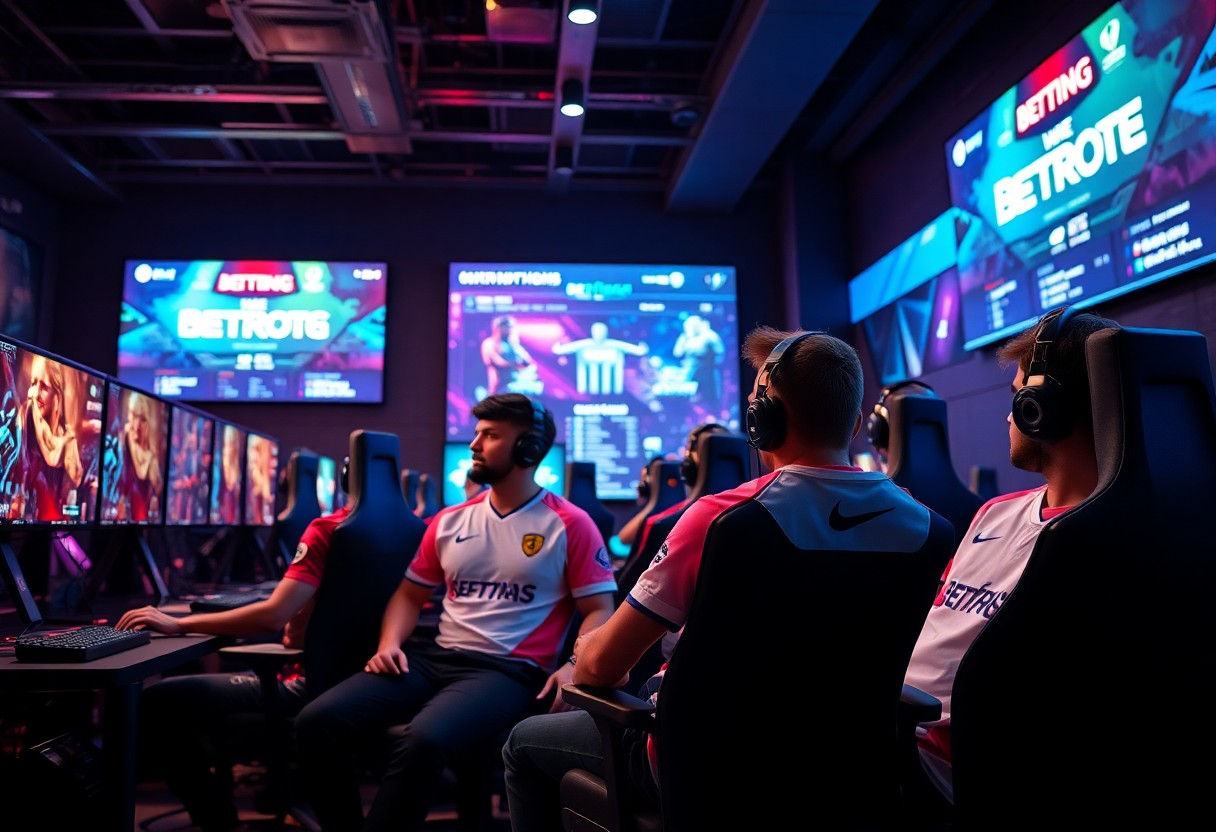
Esports organizations increasingly engage with betting companies as they seek to enhance revenue streams. This relationship brings both opportunities and challenges, requiring teams to navigate regulatory, ethical, and public relations aspects. By establishing clear guidelines and conducting thorough assessments of potential partners, these teams aim to maximize the benefits of sponsorships while maintaining integrity and ensuring a positive community impact. Understanding the dynamics of these partnerships is important for teams looking to thrive in a rapidly evolving industry.
The Growing Intersection of Esports and Betting
The convergence of esports and betting is becoming increasingly pronounced, with platforms like Twitch and betting apps allowing fans to make in-game bets in real-time. In 2021, the global esports betting market was valued at approximately $1 billion and is projected to grow significantly as more tournaments incorporate betting features and partnerships with gambling firms expand. This shift not only affects viewership but also influences the overall revenue models of esports organizations, making collaborations with betting companies more appealing.
Trends in Betting Sponsorships
Recent trends indicate a surge in sponsorships between esports teams and betting firms, with organizations like FaZe Clan and Team Liquid securing multi-million dollar deals. These partnerships often encompass branding on jerseys, promotional events, and exclusive betting platforms tailored to the gaming community. As esports continues to capture younger audiences, betting firms realize the potential for market penetration, adapting their strategies to align with the interests and behaviors of esports fans.
Regulatory Considerations
Regulatory frameworks around betting vary significantly across regions, posing challenges for esports teams engaging with betting firms. Compliance with local laws is paramount, as failure to do so can lead to legal repercussions or loss of sponsorships. Many esports organizations are now prioritizing transparency in their dealings with betting companies, ensuring that they adhere to regulations while also addressing concerns about responsible gambling.
Furthermore, as the betting landscape evolves, esports entities must navigate a patchwork of regulations that differ by country and state. For instance, while the United Kingdom has robust laws governing betting activities, many jurisdictions still lack clear guidelines. Esports organizations may need to engage legal counsel to ensure compliance and protect their reputation. Additionally, ongoing scrutiny from regulators regarding issues like match-fixing necessitates stringent oversight from both the teams and their sponsors to maintain integrity within the sport.
The Impact of Sponsorships on Team Operations
Sponsorships from betting firms significantly influence team operations, providing vital funding that enables organizations to invest in talent, training facilities, and marketing. This influx of resources facilitates greater competitive performance and enhances team visibility in a rapidly evolving market. However, the presence of gambling sponsors also necessitates careful navigation of regulatory landscapes and ethical considerations, as teams strive to balance profits with responsible gaming practices.
Financial Benefits for Esports Teams
Financial backing from betting firms has become a major revenue stream for esports teams, with sponsorship deals often ranging from hundreds of thousands to millions of dollars. This additional funding allows teams to bolster their rosters, improve service offerings, and expand their reach through marketing initiatives. In 2022 alone, several prominent esports organizations secured deals with betting sponsors that significantly increased their annual earnings, highlighting the shifting dynamics of revenue generation in the industry.
Implications for Team Culture and Community
The partnership with betting firms carries implications for team culture and community relations, as organizations navigate potential backlash from fans who may view gambling sponsorships as exploitative or irresponsible. Ensuring that players, staff, and fans feel comfortable with these associations requires transparent communication and engagement, fostering a culture that prioritizes player well-being and responsible gaming practices. As teams integrate betting sponsors, they must also emphasize education on gambling and its impact to maintain a positive community image.
Integrating betting sponsorships into an esports organization’s framework can transform its culture and community engagement strategies. By prioritizing responsible gaming education, teams can actively counter potential negative perceptions and enhance their reputation. Establishing community outreach programs, such as workshops on gambling awareness, helps solidify their commitment to player welfare. Successful teams emphasize transparency in their partnerships, presenting their sponsors as part of a broader commitment to ethical practices, ultimately fostering a community where members feel supported and informed regarding gambling issues while still embracing the excitement of esports.
Strategies for Navigating Sponsorship Deals
Esports teams must adopt strategic approaches when navigating sponsorship deals with betting firms to ensure mutual benefits while maintaining their integrity and fan trust. This involves careful consideration of partnerships, the structuring of agreements, and ongoing engagement with stakeholders, allowing teams to capitalize on the rapidly growing betting market while adhering to regulatory guidelines.
Selecting the Right Betting Partners
Choosing the right betting partner is necessary for esports teams, as brand alignment can impact reputation and fan engagement. Organizations should seek partners with a strong track record, compliance with legal standards, and an existing presence in the esports sphere to enhance credibility and appeal to their audience.
Creating Effective Sponsorship Agreements
Effective sponsorship agreements should address expectations, deliverables, and compliance regulations from the outset. Clear definitions around rights and obligations prevent future disputes and ensure that contractual elements, such as revenue sharing and branding guidelines, align with both parties’ goals.
To create effective sponsorship agreements, esports teams must engage legal experts specializing in gaming and betting regulations. Including provisions for performance metrics, renewal terms, and exit strategies can safeguard teams against market fluctuations. Additionally, incorporating clauses for responsible gambling initiatives can enhance the partnership’s positive impact while resonating with the audience’s values. Transparency in communication and regular performance evaluations strengthen the relationship and provide avenues for adjustments as needed.
Challenges and Controversies
As esports teams embrace sponsorships from betting firms, they face several challenges and controversies that demand careful navigation. Issues surrounding gambling addiction, regulatory compliance, and the perception of esports as a legitimate sport arise, complicating relationships with sponsors and communities alike. Balancing financial benefits with ethical considerations and potential backlash requires transparency and proactive engagement with stakeholders.
Ethical Concerns Regarding Gambling
Ethical concerns abound as esports organizations partner with betting firms, particularly regarding the impact on young audiences. Critics argue that promoting gambling in a space largely occupied by minors risks normalizing harmful behaviors associated with betting, contributing to addiction and financial irresponsibility. Ensuring that messaging is responsible and protective of vulnerable demographics is paramount.
Reactions from Fans and the Community
Reactions to betting sponsorships in esports are mixed, with a significant divide between fans who see potential revenue growth and those wary of gambling’s influence. Many long-time supporters express apprehension that financial motivations might overshadow competitive integrity. Conversely, some fans appreciate the increased investment in esports, believing it could enhance the scene’s legitimacy and infrastructure.
Community sentiment reflects a spectrum of views, with vocal advocates and opponents engaging in heated discussions across forums and social media. Many fans emphasize the importance of maintaining the integrity of esports, fearing that an influx of betting sponsorship might jeopardize the purity of competition. Polls conducted during key tournaments indicate that while a sizable segment supports the partnership for financial growth, a significant portion is concerned about the long-term ramifications for the esports ecosystem and its players. Organizations are increasingly prompted to engage with their communities on these issues, striving for a balance that respects both the integrity of the sport and the financial realities of modern esports.
Case Studies of Successful Betting Sponsorships
Examining successful betting sponsorships provides valuable insights into effective partnerships that can enhance both brand visibility and team revenue. Notable cases demonstrate how well-executed collaborations can lead to significant gains for esports organizations and their partners.
- Team Liquid partnered with Betway in 2020, leading to a 35% increase in merchandise sales and attracting a 20% rise in social media engagement.
- Fnatic’s alliance with VBET contributed to a reported 50% boost in their online community growth within six months of activation.
- G2 Esports and their deal with OMEGA resulted in a 25% increase in viewership during sponsored streams, showcasing effective audience targeting.
- Cloud9’s collaboration with BetOnline yielded a significant uptick in user sign-ups, with a 30% conversion rate attributed to promotional events.
Prominent Esports Teams and Their Partners
Many leading esports teams have successfully partnered with betting firms to capitalize on their mutual interests. Notable collaborations include NaVi with Parimatch, which emphasizes esports betting, and TSM’s partnership with DraftKings, driving engagement and providing unique promotional opportunities for fans.
Lessons Learned from Sponsorship Experiences
Each sponsorship experience reveals key takeaways for esports teams considering similar partnerships. Teams have discovered the importance of aligning with betting firms that share mutual values and targeting strategies to maintain community trust while maximizing brand affiliation.
Continual reflection on past sponsorships highlights that transparent communication about responsible gambling is vital. Teams that prioritize championing this message tend to foster more robust relationships with their audience. Additionally, establishing clear performance metrics upfront helps gauge the effectiveness of campaigns, leading to informed adjustments for future initiatives. Finally, engaging fans through interactive content surrounding betting sponsorships has proven effective, ensuring that partnerships enhance, rather than detract from, the overall esports experience.
Future Trends in Esports Sponsorships
The evolving landscape of esports sponsorships shows significant shifts as teams begin to diversify their partnerships, particularly with betting firms. As more mainstream sports embrace gambling, esports organizations are increasingly finding innovative ways to incorporate betting partnerships while maintaining integrity. Expect a rise in co-branded events, exclusive in-game betting features, and live-streamed betting integrations that enhance viewer engagement and provide sponsors with real-time data analytics.
Evolving Landscape of Betting Partnerships
Betting partnerships in esports are becoming more multifaceted, with teams collaborating on various promotional activities beyond traditional advertising. For instance, Betway’s partnership with the esports team BIG includes comprehensive content creation, fan engagement initiatives, and co-hosted tournaments. This multifaceted approach not only strengthens brand presence but also builds community trust, crucial for the industry’s growth.
Predictions for the Next Decade
In the next decade, the integration of betting within esports is expected to become even more sophisticated. Innovations like augmented reality betting interfaces and blockchain technology for transparent transactions may reshape how gambling is experienced during live events. Furthermore, regulatory changes across different regions could lead to increased legitimacy, allowing more teams to openly collaborate with betting firms. This combination of technology and regulation is anticipated to foster a safer and more engaging environment for fans and bettors alike.
The predicted trajectory suggests a significant transformation in the relationship between esports and betting firms. By 2030, it’s plausible that nearly 50% of major esports organizations will have integrated betting platforms directly into their ecosystems, enhancing monetization opportunities and fan interaction. Collaborations between tech firms and esports teams would yield advanced betting solutions, including predictive analytics and personalized betting experiences, catered to individual users based on gameplay data and preferences. As this synergy evolves, betting will not just be an ancillary part of esports, but a core element that defines the viewer experience.
Summing up
As a reminder, esports teams often navigate the complexities of sponsorships from betting firms by establishing clear guidelines and maintaining transparency with their fanbase. These teams typically assess the potential risks and rewards, ensuring that such partnerships align with their brand values and audience expectations. By fostering responsible gambling practices and promoting a positive image, esports organizations can both benefit financially and contribute to a healthier gaming environment. This strategic approach allows teams to leverage sponsorships effectively while addressing ethical considerations in the industry.