






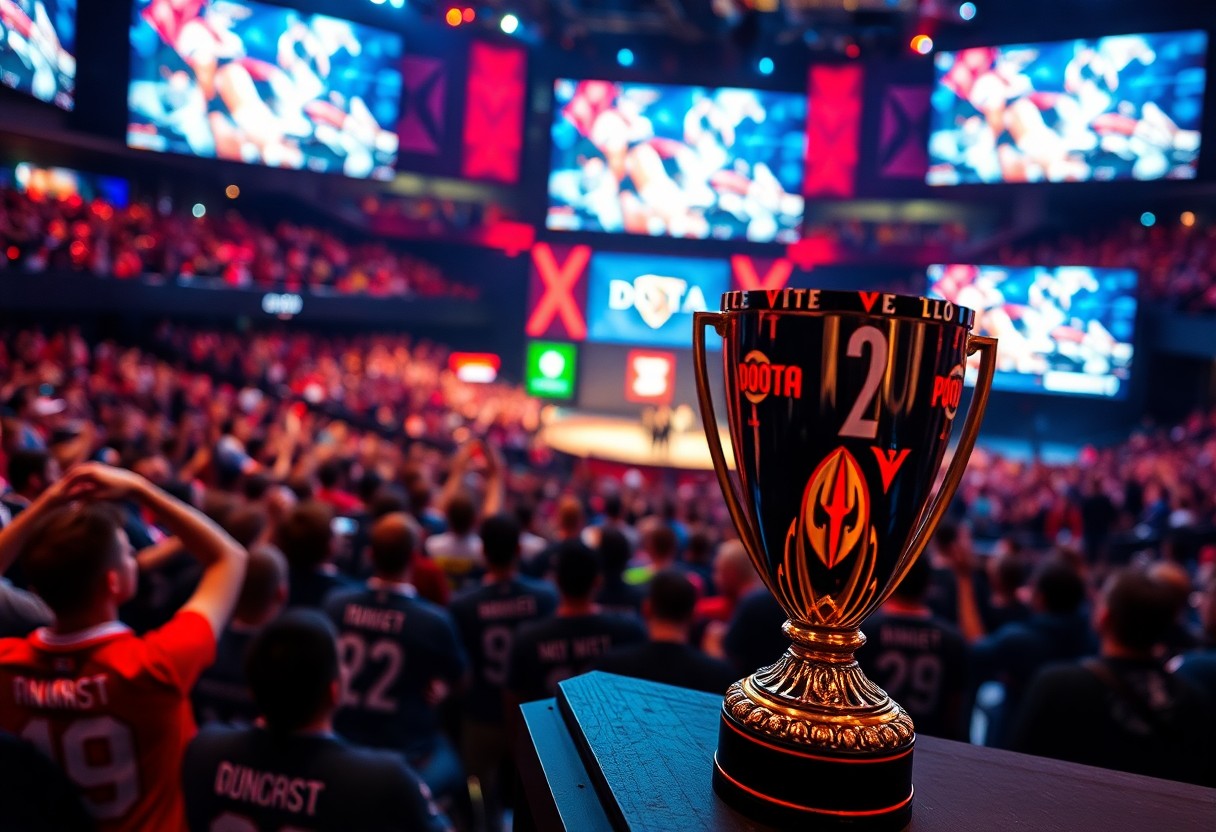
Many fans and players of esports regard Dota 2’s International (TI) as the premier event in the competitive gaming landscape. Each year, it attracts thousands of spectators both online and in person, all while showcasing some of the best talent in the industry. Since its inception in 2011, TI has not only elevated the status of competitive gaming but has also set unprecedented standards when it comes to prize pools, audience engagement, and community involvement.
One of the defining features of The International is its staggering prize pool, which consistently breaks records year after year. The prize pool is funded through a unique system known as the “Battle Pass,” where players can purchase the pass to unlock various cosmetic items and features in the game. A portion of the revenue from these sales directly contributes to the tournament’s prize pool. In recent years, the pool has surpassed $40 million, highlighting the profound economic model surrounding this singular event. This financial structure not only incentivizes the players but also offers a tangible sense of accomplishment, as teams vie for a piece of the monumental purse.
The competitive atmosphere at TI is unparalleled, with top teams from around the globe attempting to claim the coveted Aegis of Champions. The format typically involves regional qualifiers that allow various teams to showcase their skills and earn a spot at the main event. This competitive edge is heightened by the presence of a diverse pool of participants, which adds to the event’s drama and excitement, as different strategies and playstyles collide on the virtual battlefield.
Dota 2’s International also stands out due to the depth and complexity of its gameplay. Unlike many esports titles that revolve around quick matches and fast-paced actions, Dota 2 emphasizes strategy, teamwork, and individual skill. Matches can span several hours and are filled with tactical decisions that can turn the tide at any moment. This complexity not only keeps audiences on the edge of their seats but also showcases a variety of talent, requiring players to adapt and innovate continuously.
Another factor contributing to TI’s success is its massive online and offline viewership. The event is broadcast across multiple platforms, attracting millions of viewers globally who tune in for high-stakes competition and the thrilling outcomes of famous matchups. The communal experience is amplified through features like real-time statistics, spectator modes, and interactive live streams. Tournaments such as TI don’t merely entertain; they foster a vibrant sense of community that unites fans, players, and analysts alike.
Moreover, the significance of The International extends beyond its monetary aspects. Winning the event symbolizes reaching the pinnacle of success in the competitive gaming realm. It brings immense prestige not just to the champions but also to their organizations, securing sponsorships and boosting their brand in the esports ecosystem. Additionally, TI’s emphasis on global representation allows underdogs and emerging scenes to spotlight their skills on an international stage, creating an inclusive environment that continues to nurture the esports industry.
Hence, Dota 2’s International represents more than a mere competition; it is a celebration of gaming, community, and the potential of esports as a viable career path. Through its record-breaking prize pools, competitive rigor, and engaged global audience, TI exemplifies why it remains the most lucrative and celebrated event in the esports calendar.