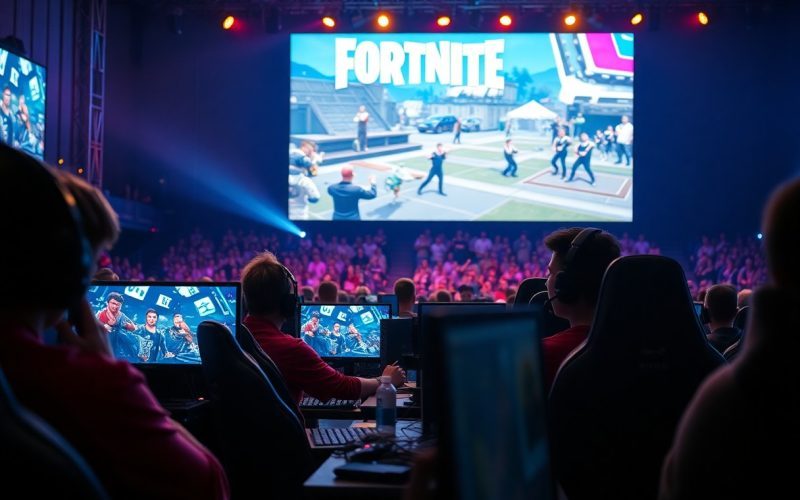


Over the last few years, the gaming landscape has undergone a transformative shift largely fueled by platforms like Twitch and games like Fortnite. The interaction between gameplay and broadcasting has created a vibrant ecosystem where creator-driven content holds a significant place. As both Fortnite and Twitch evolve, one pressing question arises: can creator-driven content stand up to the competitive pressures of an ever-changing gaming industry?
To research into this topic, it’s important to first understand the dynamics at play. Fortnite, developed by Epic Games, has achieved unparalleled success since its launch in 2017. This battle royale game captivates millions with its accessible gameplay, regular updates, and unique crossover events. Streamers and content creators have played a vital role in fostering this success, transforming Fortnite from a mere game into a cultural phenomenon. Their streams, often filled with engaging commentary, showcase not just personal gameplay but also community engagement, creating a shared experience for viewers.
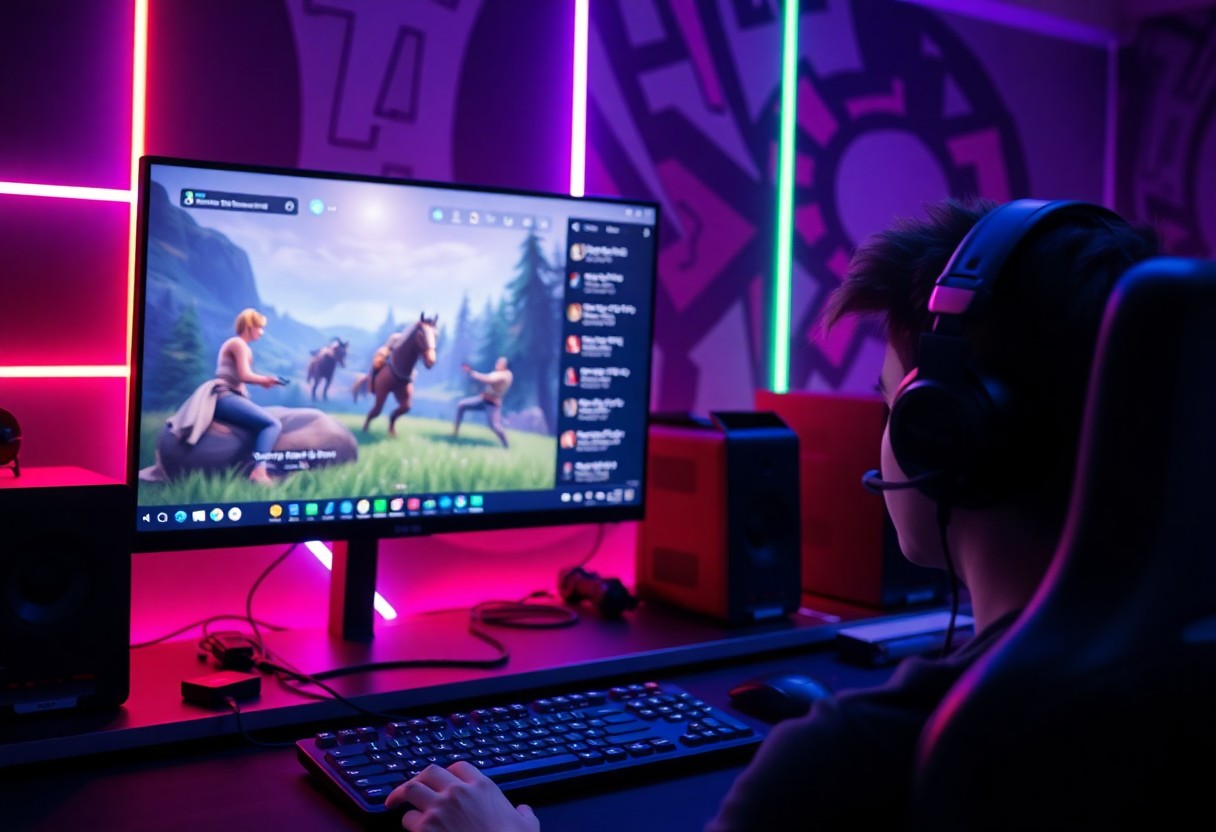
Twitch, a leading live streaming platform, has become synonymous with gaming culture. It provides content creators the space to showcase their skills while interacting with fans in real-time. The synergy between Fortnite and Twitch creates opportunities for creators to generate a following as they highlight their gameplay expertise, offer tutorials, or host unique game modes. This creator-driven environment can indeed serve as a form of competition, not for in-game victories but in the battle for viewer attention and the cultivation of dedicated fanbases.
However, the competitiveness of creator-driven content extends beyond just audience engagement. The digital landscape is saturated with options, making it challenging for individual streamers to differentiate themselves. Many Fortnite creators strive to carve unique niches, whether it’s through exceptional skill, humor-driven approaches, or themed content. This quest for differentiation propels innovation, challenging creators to enhance quality, authenticity, and community involvement in their streams.
Moreover, Fortnite’s frequent updates and seasonal changes present an additional layer of competition. Creators must adapt quickly to new game mechanics, maps, and events to keep their content relevant and attract viewers. Innovative creators seize these opportunities to create engaging, timely content, such as tutorials related to new items or strategy guides tailored to the latest map layouts. This adaptability emphasizes the potential for creator-driven content to be competitive in real-time, akin to the dynamics of traditional sports where teams must adjust strategies based on ever-changing conditions.
Yet, one cannot overlook the partnerships between game developers and creators, which can sway the landscape of competition. Epic Games’ collaborations with Twitch streamers often involve sponsored streams, tournaments, and exclusive content, incentivizing creators and providing them with additional visibility. These partnerships enhance the competitive edge for creators, allowing them to leverage their influence while simultaneously promoting Fortnite, thus creating a symbiotic relationship that benefits both parties.
In the final analysis, the interaction between Fortnite as a game and Twitch as a platform illustrates the potential for creator-driven content to compete effectively in the dynamic gaming world. As streamers continue to find innovative ways to engage with audiences and adapt to the latest updates, the realms of gaming and content creation merge, highlighting a unique competitive landscape driven by creativity, skill, and community engagement.